Civil servants in charge of legal approximation take over best practices from Slovenia and Croatia

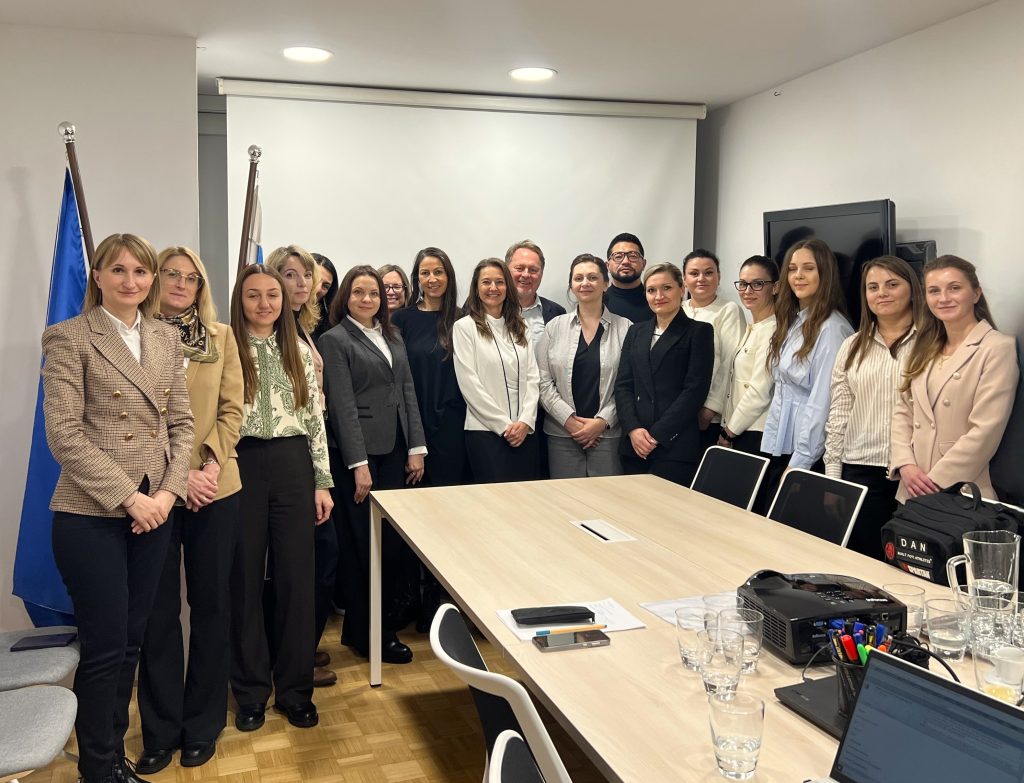
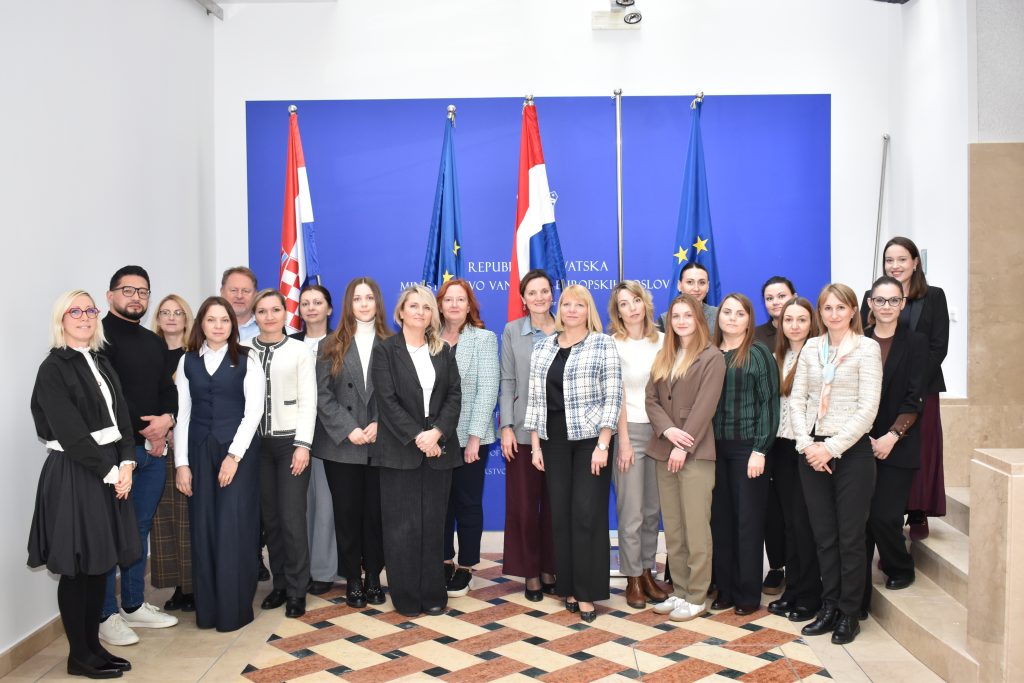
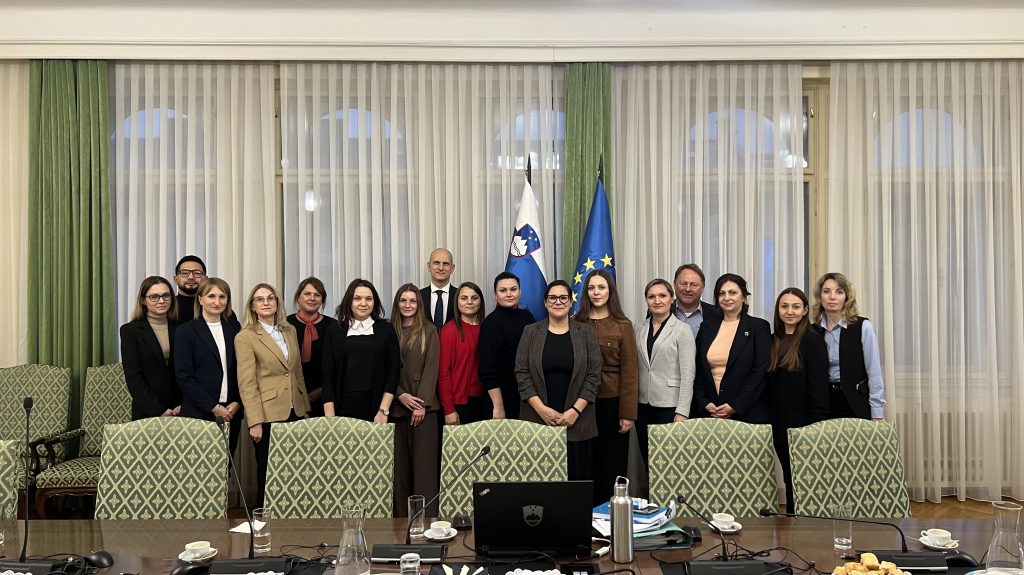
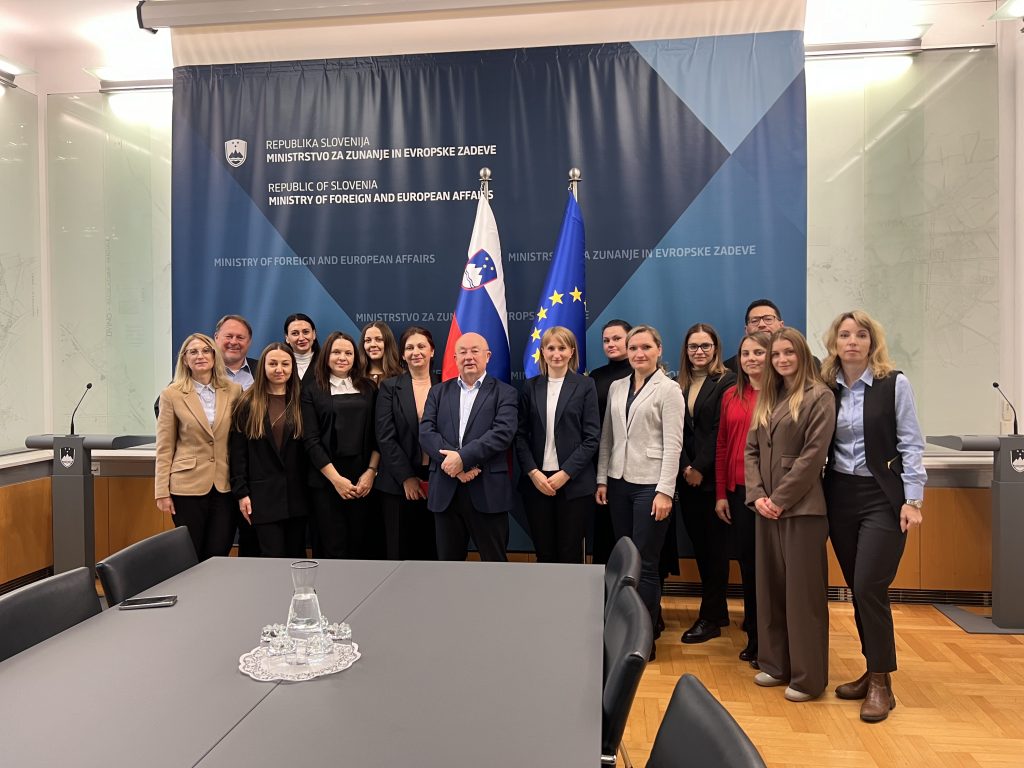
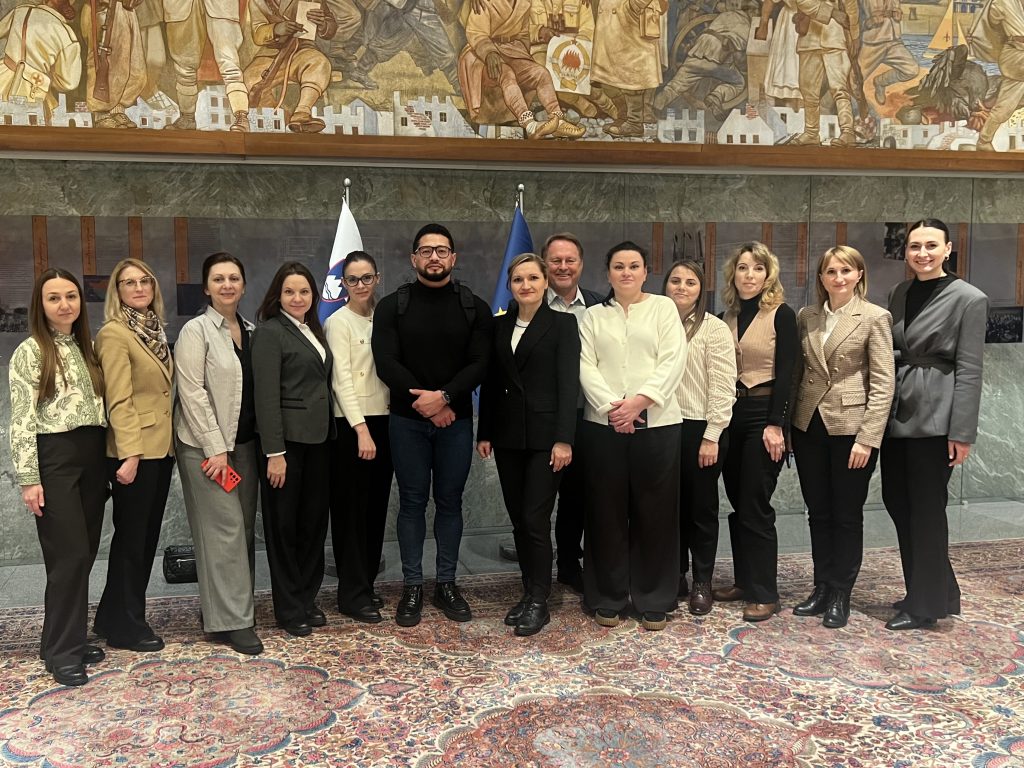
Thirteen Moldovan officials completed an intensive study tour to Slovenia and Croatia from 23–29 November, aimed at strengthening Moldova’s capacity to align national legislation and legislative procedures with the EU’s legal framework.
Representatives of the Center for Legal Approximation, the State Chancellery, the Ministry of Justice, and the Bureau for European Integration met with government officials, parliamentarians, and representatives of EU institutions to gain first-hand insights into the accession experiences of both host countries.
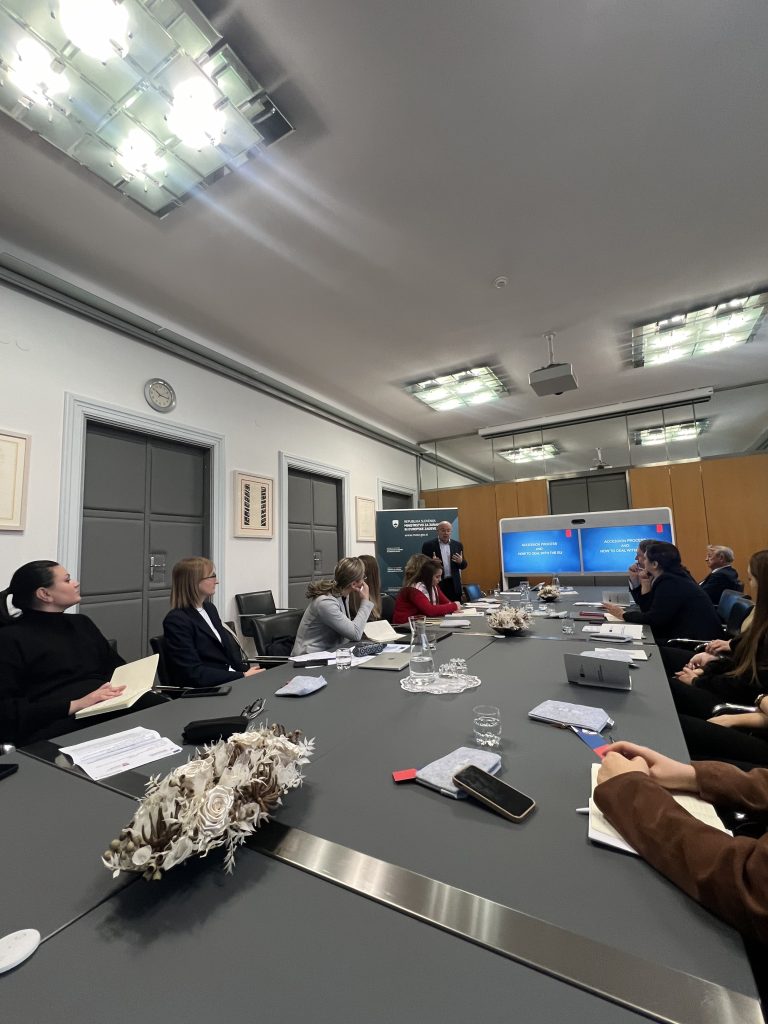
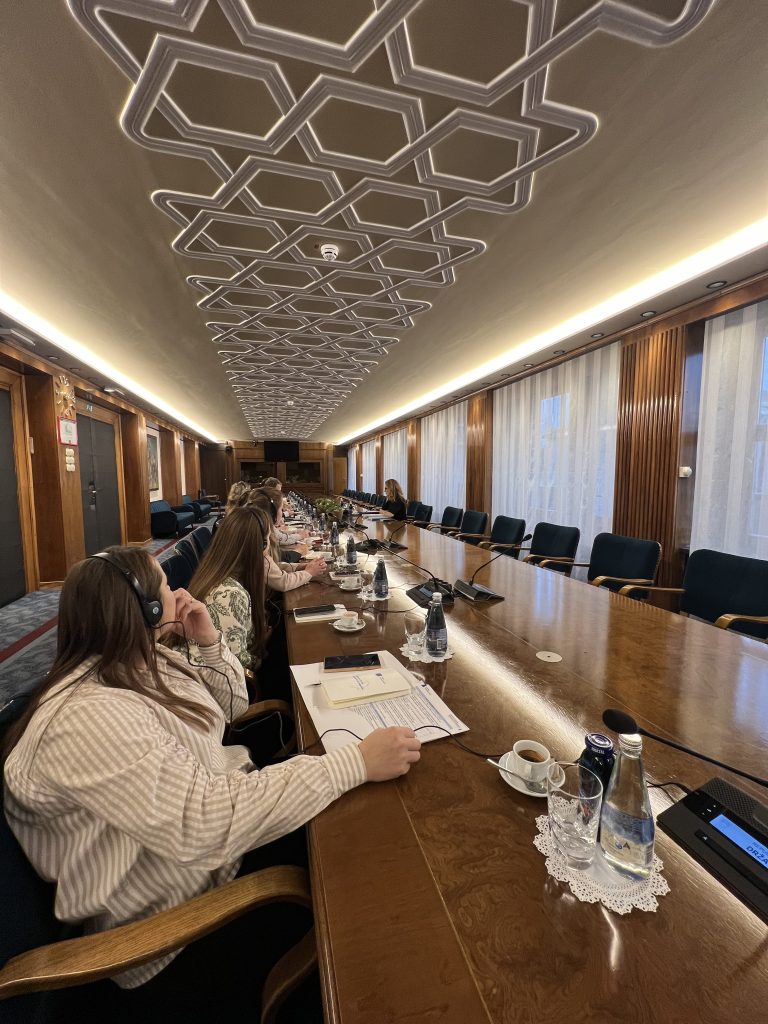
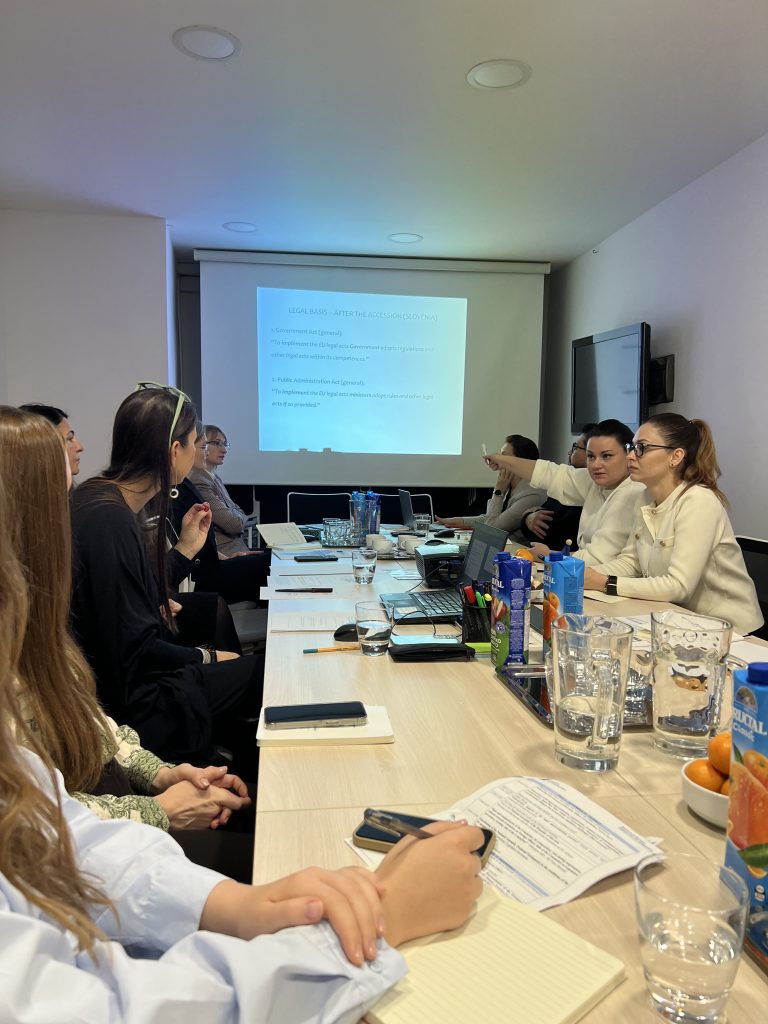
Throughout the visit, the delegation engaged with the Ministries of Foreign and European Affairs, the Government Offices of Legislation, the General Secretariats of the Governments, and the national parliaments of Slovenia and Croatia. Discussions focused on EU coordination structures, inter-ministerial cooperation, relations between government and parliament, legislative drafting and approval processes, and parliamentary oversight of EU accession. The hosts also showcased digital tools for managing legal approximation and practical approaches to aligning national legislation with the EU acquis.
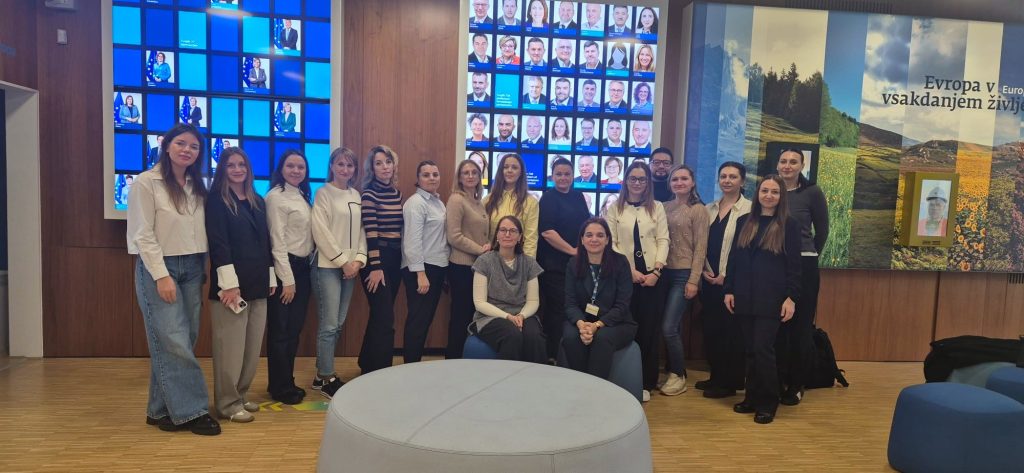
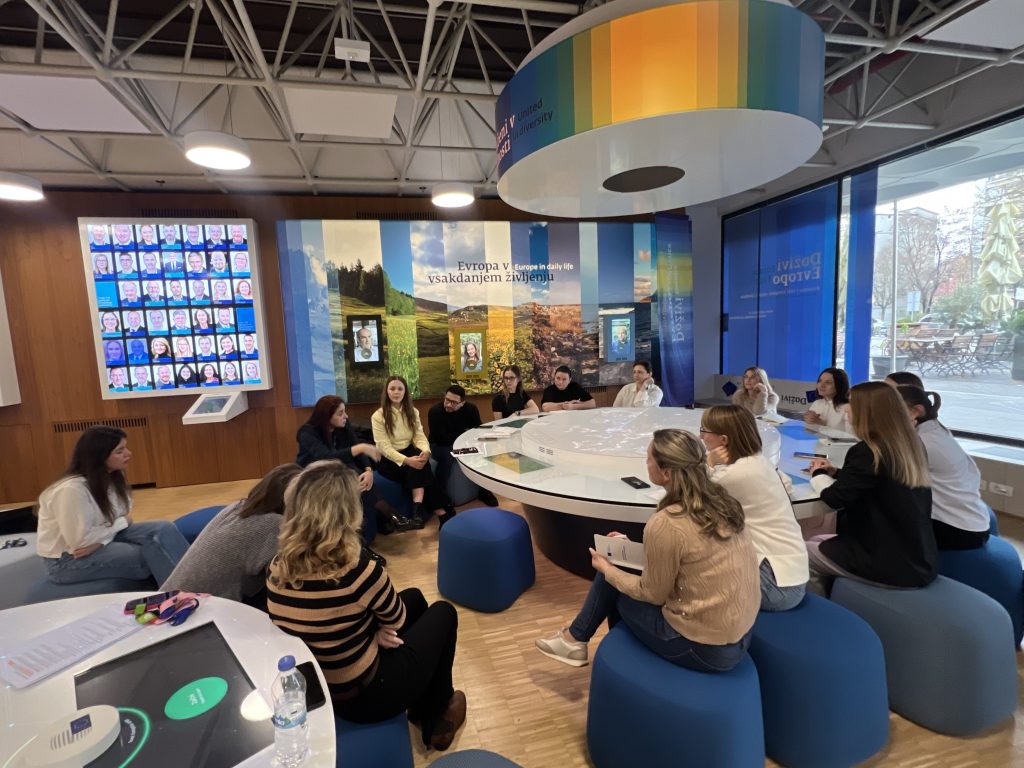
The delegation visited the European Parliament and European Commission representations in both countries, learning how these institutions support EU citizens and assist member states throughout and after the accession process.
Reflecting on the tour, Slovene and Croatian officials emphasized: “This study tour was not a classic training, but an opportunity to exchange views and share best practices. Legal approximation is not a mechanical copying of EU legislation, but a substantive transposition of the acquis into domestic law, in full respect of the national legal system and legal traditions.”
Alexandrina Bulat-Rotaru, Deputy Head of the Legal Approximation Centre, highlighted the value of the experience: “It was an excellent opportunity to learn new things and strengthen our existing knowledge as we continue pursuing our shared national goal—European integration.”
The study tour was organised within the EU-funded project “Moldova is Europe – Support for EU Integration.”