Digital resilience for a modern financial system – aim of the training for banks representatives, organized with EU support

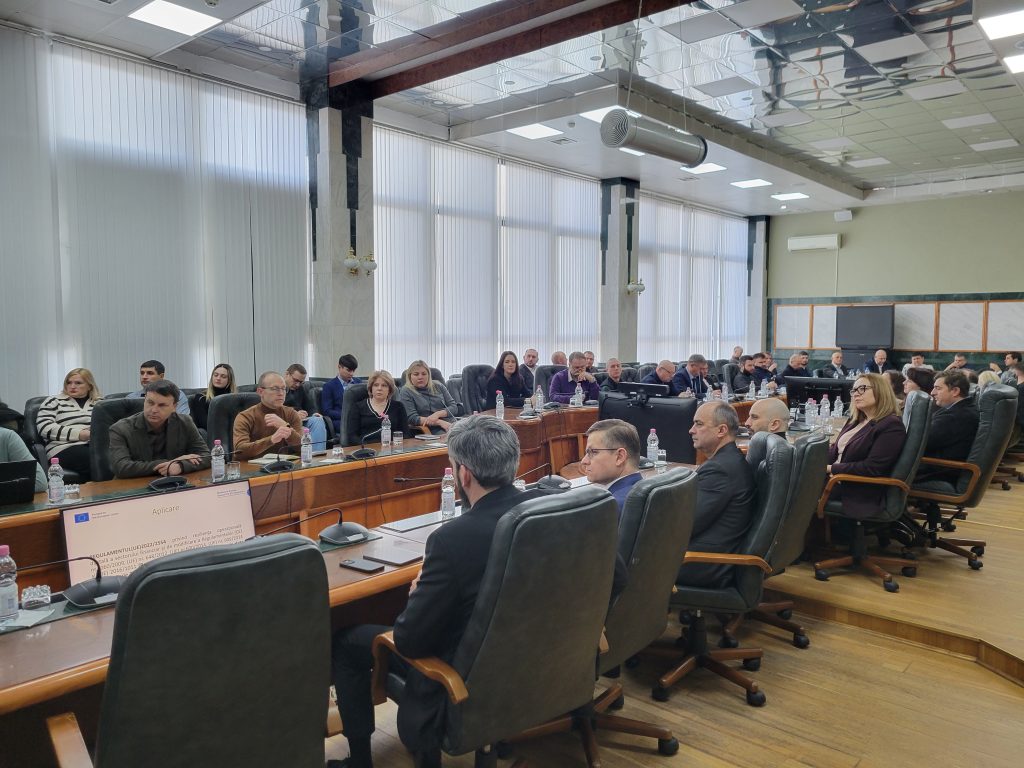
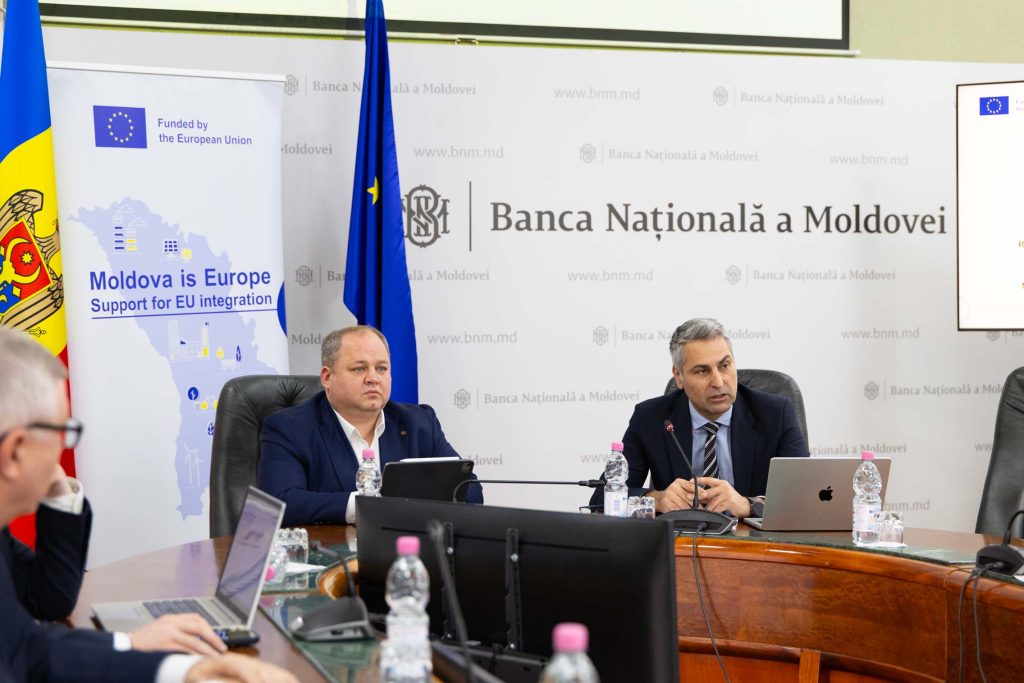
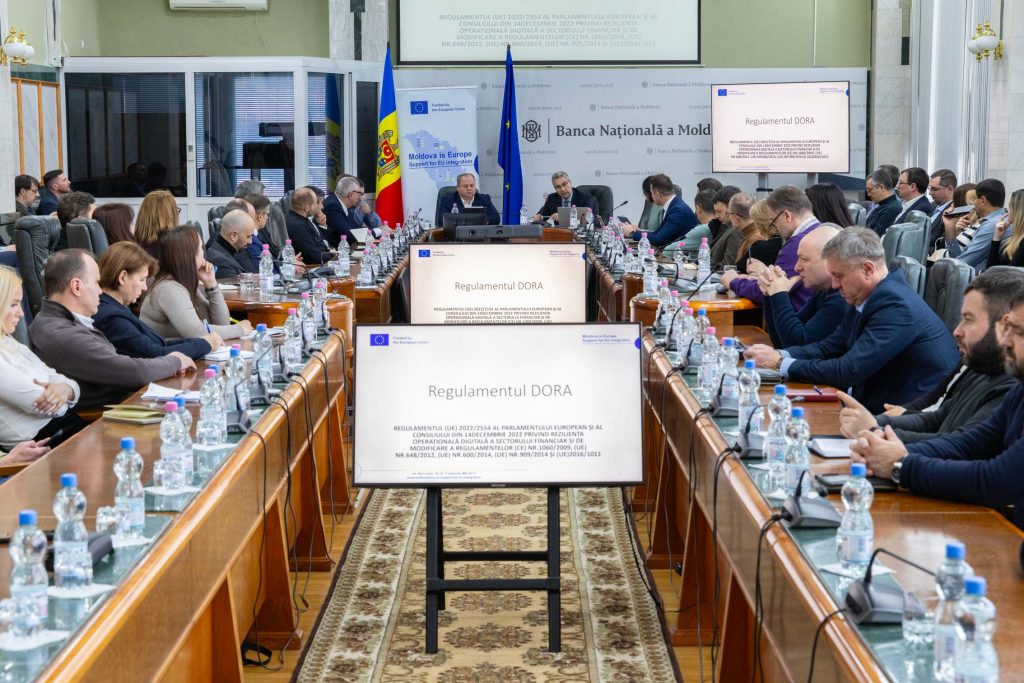
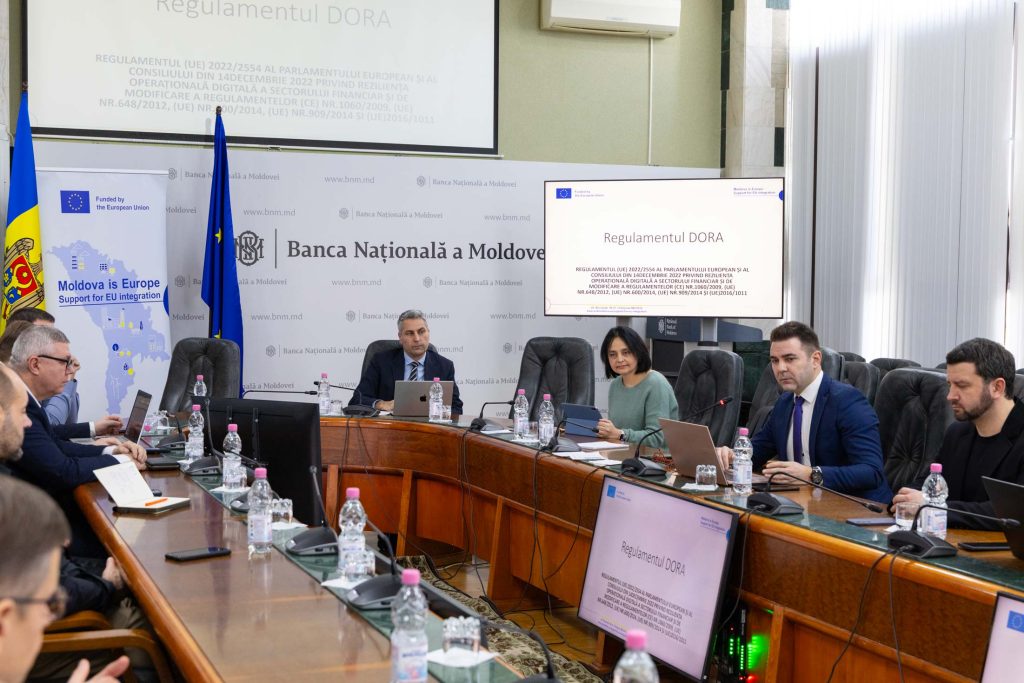
The National Bank of Moldova (NBM) and the EU-funded project “Moldova Is Europe – Support for EU Integration” organised a training session on implementation of the EU Regulation on Digital Operational Resilience (DORA). The event brought together over 70 participants – representatives of banks, insurance companies, and non-bank payment service providers, as well as NBM staff. Its objective was to support the alignment of the financial market of the Republic of Moldova with European standards and best practices.
In the opening of the event, NBM Deputy Governor Constantin Șchendra emphasized that “use of digital technologies in the activities of financial entities is continuously growing. The increased level of digitalization in areas such as payments, electronic trading, and the digital distribution of financial products requires the adoption of efficient measures to protect digital systems.”
In his turn, the EU High Level Adviser on Financial Services Nicolae Grigore underlined the importance of implementing the DORA Regulation in the context of Moldova’s European path: “A framework harmonized with the European one will enhance the attractiveness of the financial market for investors and facilitate the cross-border activities of financial institutions, while at the same time strengthening the supervisory authority’s capacity to identify and monitor emerging risks in an increasingly technology-dependent financial environment.”
The session was delivered by Tudor Doman, expert in digital finance within the project, who provided valuable insights based on his experience within supervisory authorities in the European Union. The discussions covered the five core pillars of the DORA Regulation, the challenges faced by Member States during implementation, as well as advanced technical aspects such as Threat-Led Penetration Testing.