Moldova strengthens sanctions implementation mechanism with EU Support
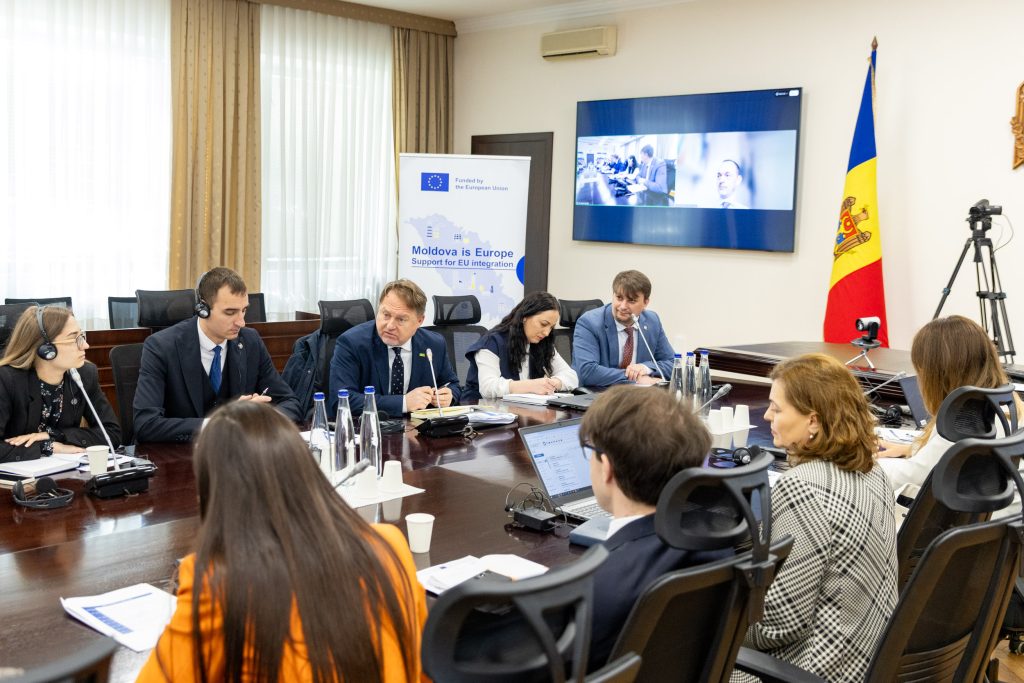
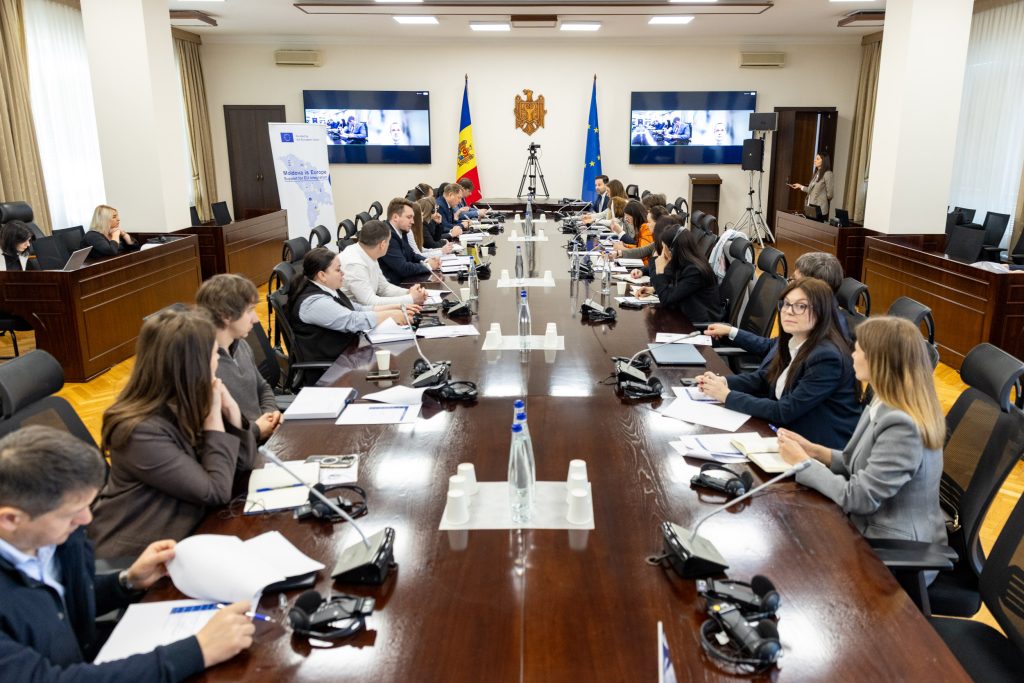
As the Republic of Moldova advances on its European path, aligning with EU rules on restrictive measures—commonly known as sanctions—is both a legal obligation and a critical element of national security. A three-day expert mission, organised through the European Commission’s TAIEX instrument and taking place on 14–16 April 2026 in Chisinau, is supporting Moldovan authorities in strengthening the implementation of these measures. The event is organised in cooperation with the State Chancellery and the EU- and Denmark-funded project “Moldova is Europe – Support for EU Integration”.
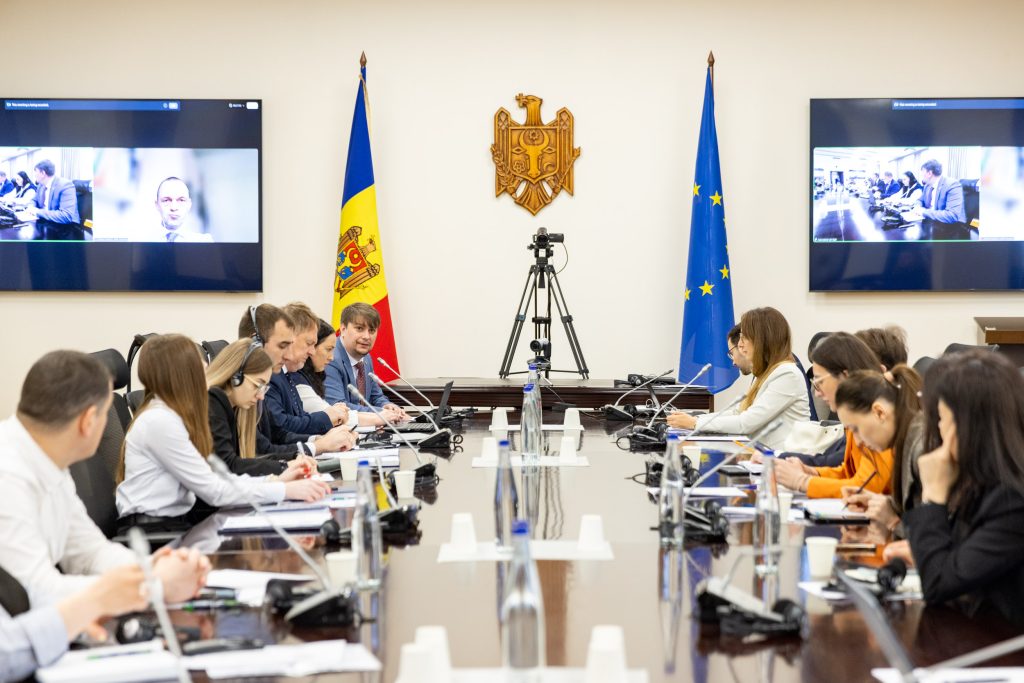
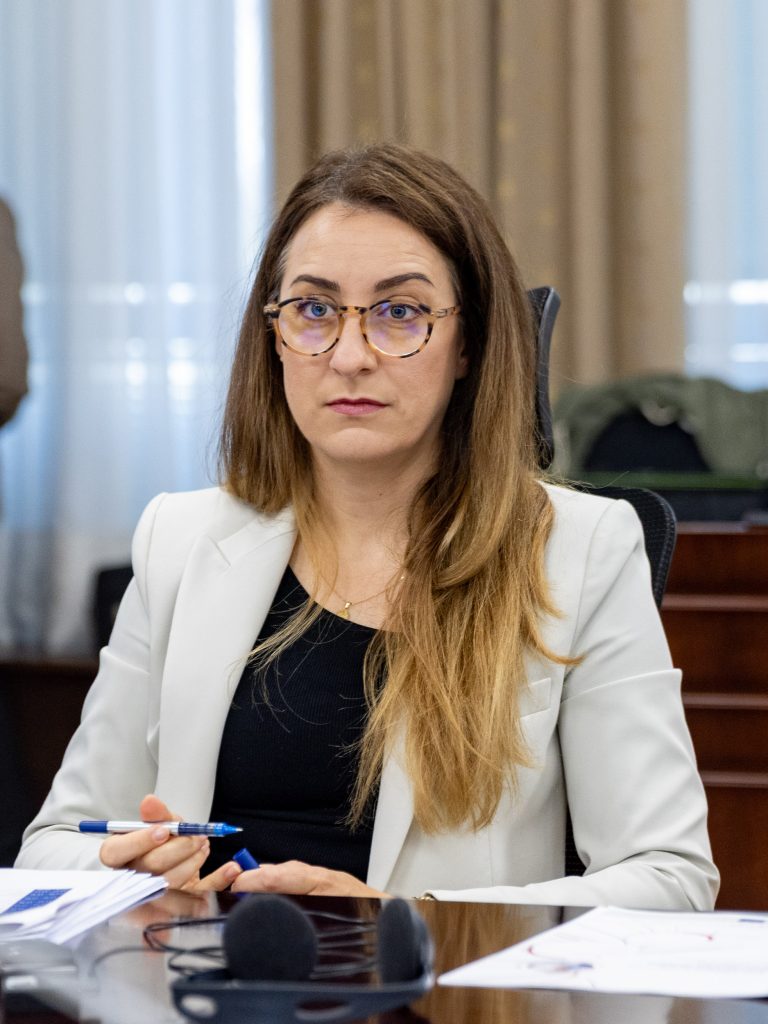
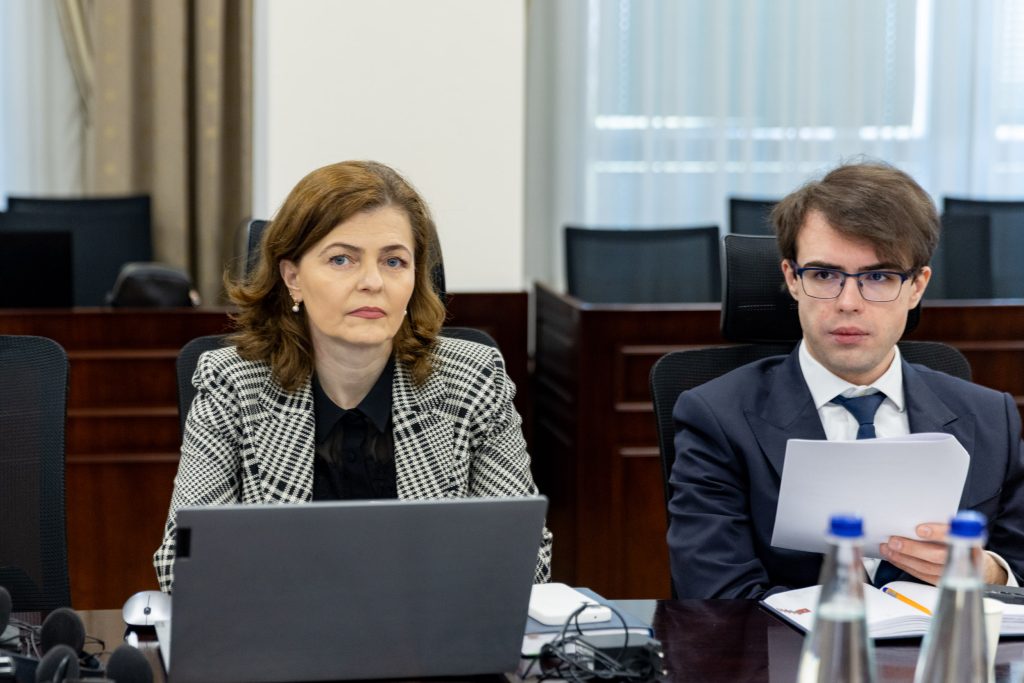
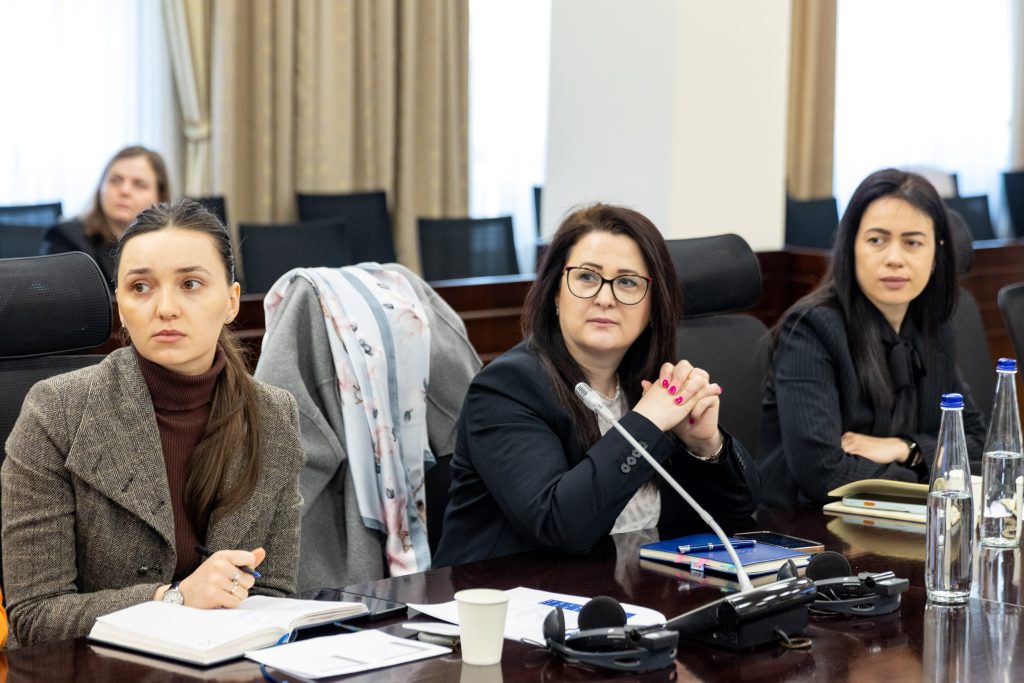
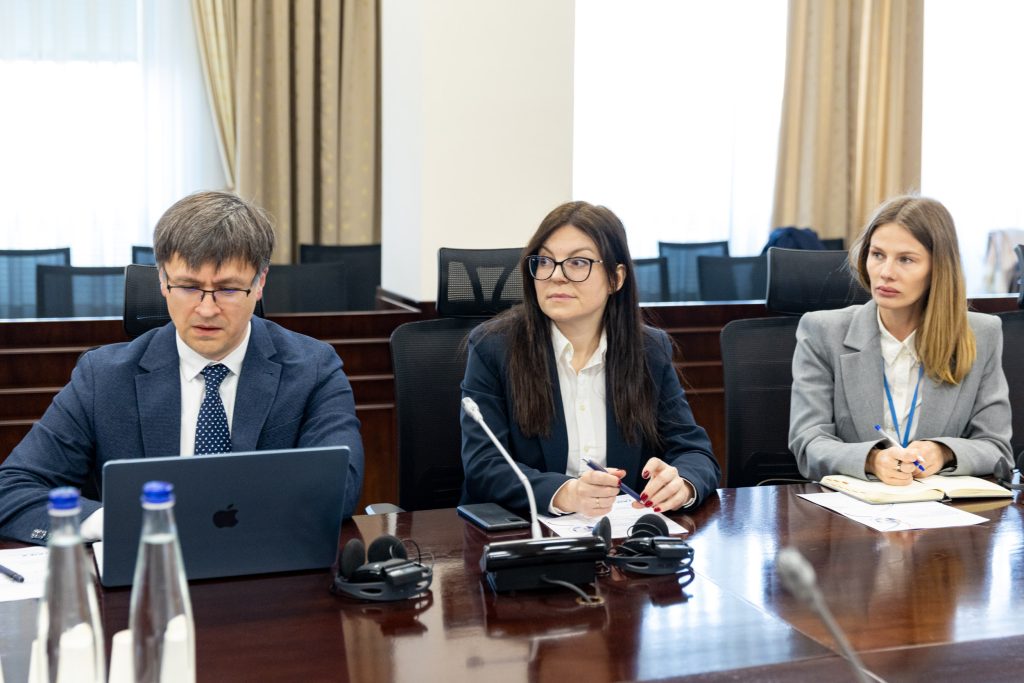
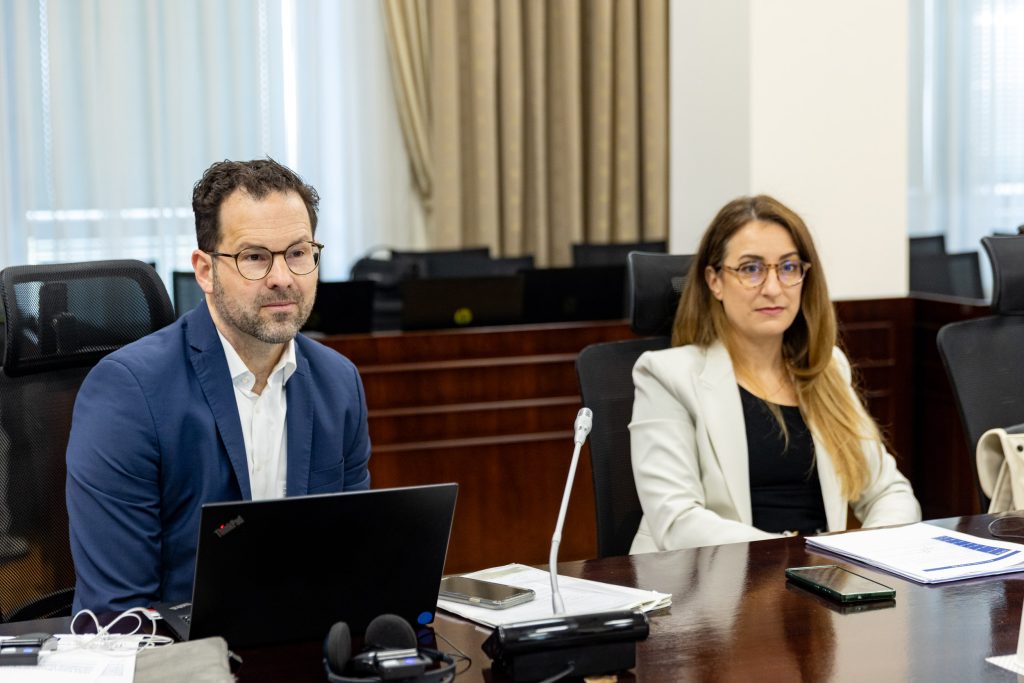
Around 35 representatives from the State Chancellery of the Republic of Moldova, line ministries, central public authorities and institutions responsible for sanctions monitoring and enforcement are attending the event.
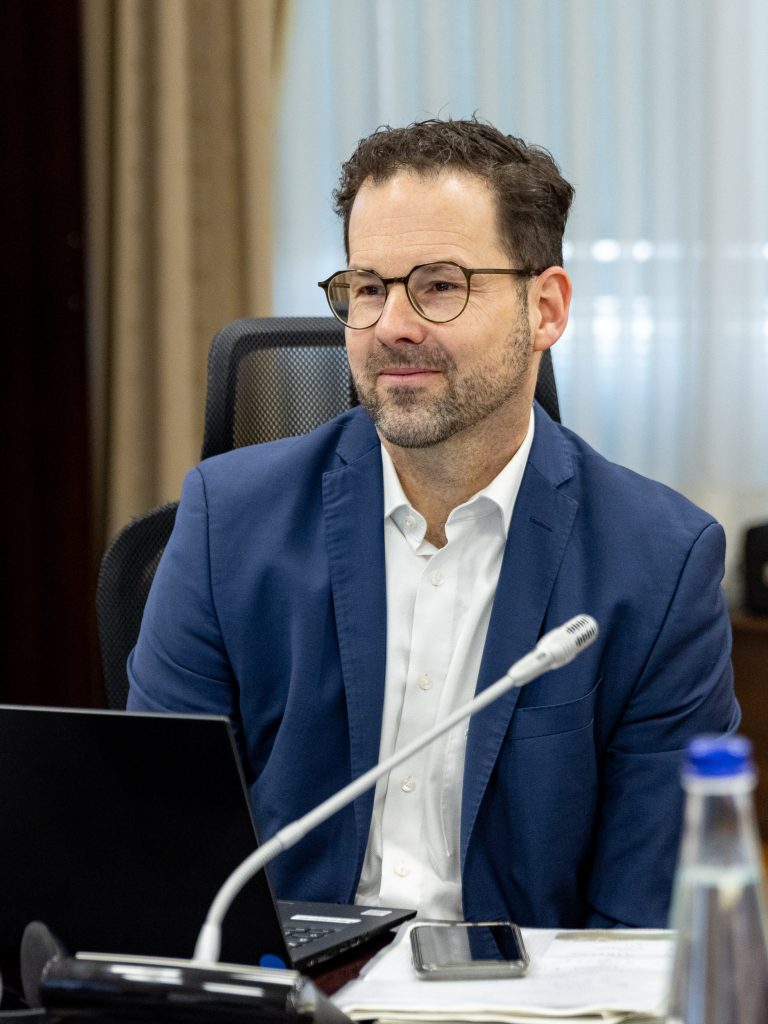
The mission brings together senior experts from Croatia, Germany, and Slovenia, who are sharing practical experience and guiding Moldovan officials in improving how international restrictive measures are applied. Discussions focus on how restrictive measures are designed and enforced across the EU and how Moldova can adapt these approaches to its own institutional framework. Participants are also exploring practical ways to improve inter-agency cooperation, strengthen monitoring systems, and ensure clear and reliable record-keeping.
Particular attention is being given to identifying and preventing attempts to bypass restrictive measures, as well as to applying effective penalties in cases of non-compliance. Strong administrative systems, well-trained staff, reliable tools and clear coordination between institutions are key to ensuring that these measures are applied consistently and effectively.
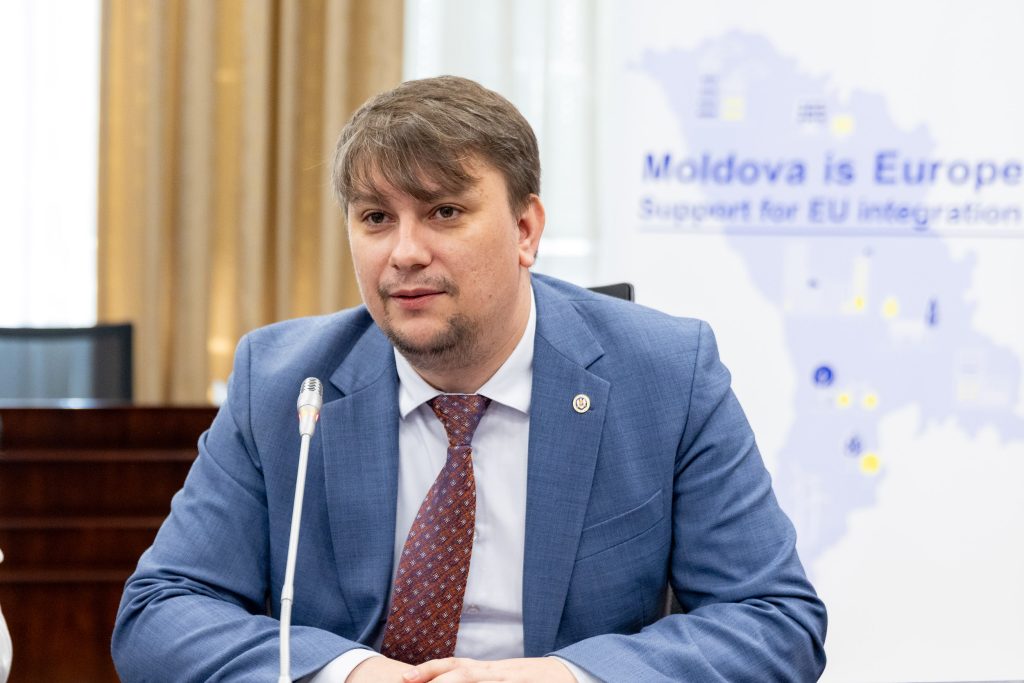
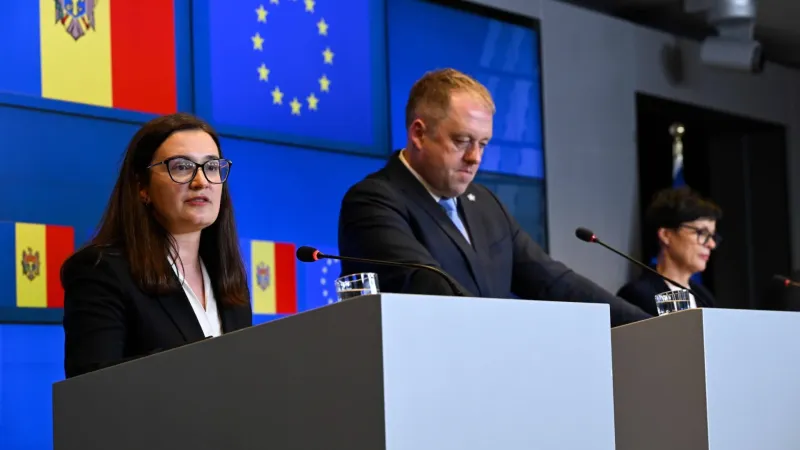
In his opening remarks, Alexandru Iacub, Deputy Secretary General of the Government of the Republic of Moldova, said: “The TAIEX expert mission is not simply about strengthening our national team, which is already well-equipped and highly qualified. Our goal is to deepen our understanding of how restrictive measures should be correctly applied, to identify where gaps exist, and to find ways to implement them more seamlessly.”
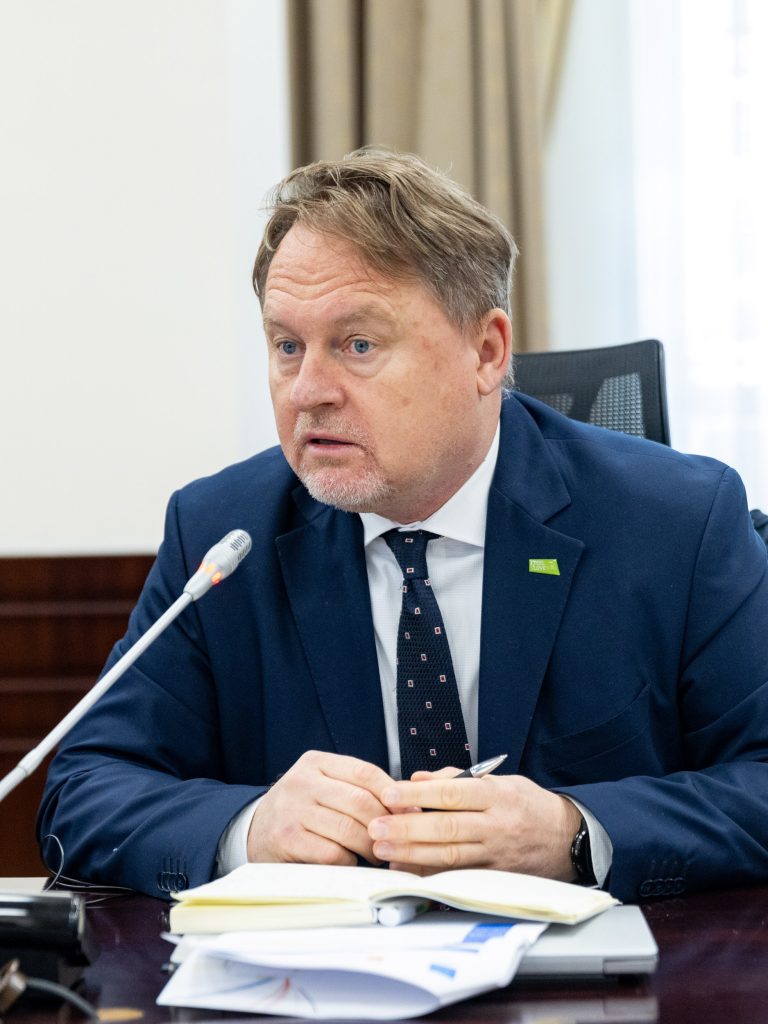
Primož Vehar, Deputy Team Leader of the project, added: “These TAIEX training sessions form part of the EU’s continued support to Moldova’s legal approximation process, building on the recent roundtable which examined suitable models from Estonia, Latvia, Lithuania, and Finland. But the TAIEX mission goes beyond knowledge-sharing — it is a concrete investment in Moldova’s institutional readiness.”
This expert mission is part of the EU’s broader efforts to support Moldova in building strong, transparent and effective institutions. By improving how restrictive measures are implemented, Moldova is taking another important step towards EU integration and strengthening its role as a reliable partner on the international stage.