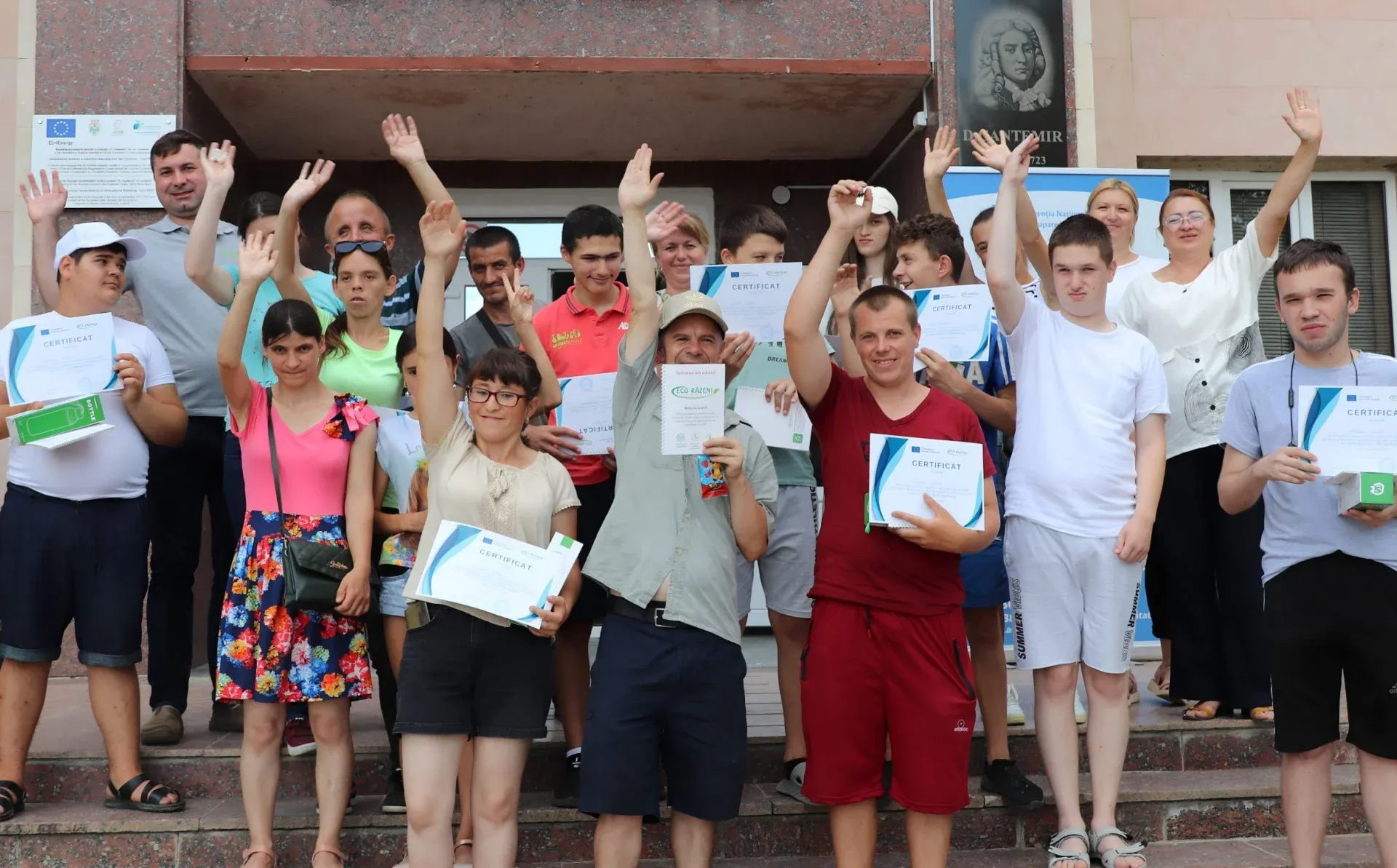
Sergiu Gurău – the social entrepreneur from Moldova who creates real opportunities for young people with disabilities
Every year, the International Day of Persons with Disabilities, celebrated on 3 December, invites us to reflect on what true inclusion looks like in practice, beyond policies and public statements, and in people’s everyday lives. One of the many examples of such work comes from the Republic of Moldova, where social entrepreneur Sergiu Gurău has spent nearly two decades creating real opportunities for young people with disabilities.
Sergiu Gurău was born in the village of Răzeni – the place where he grew up, learned to value community, and ultimately chose to stay to build meaningful change. For nearly 20 years, he has led the Eco-Răzeni Association, an organisation that began with environmental initiatives but gradually evolved into a lifeline for local youth, especially for young people with disabilities.
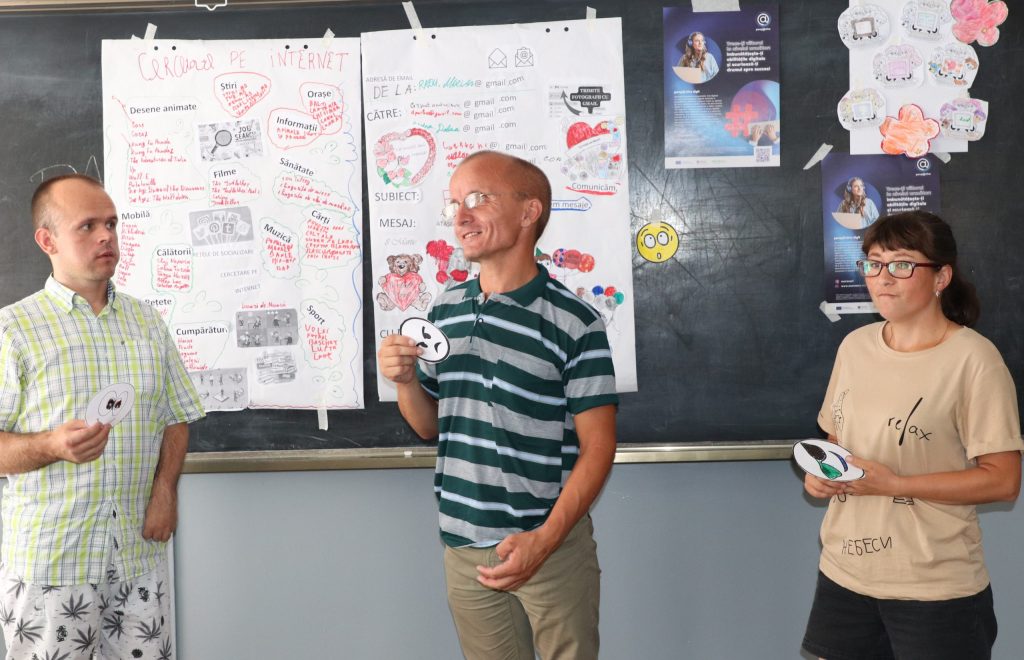
This shift didn’t happen by chance. Sergiu saw first-hand how some of his peers went on to study or find jobs, while others – especially young people with disabilities – were left behind. Many lacked access to education, to a first work experience, or simply to someone who believed in them.
In 2005, Sergiu decided he could no longer remain a passive observer. He started working directly with young people, and a few years later founded Floare de Cireș, a social enterprise that has since become a national example. Here, young people with disabilities and those from vulnerable backgrounds work side by side in catering – learning a trade, earning an income, and, most importantly, building confidence. Today, the enterprise employs 51 people, 30 of whom are young people with disabilities.
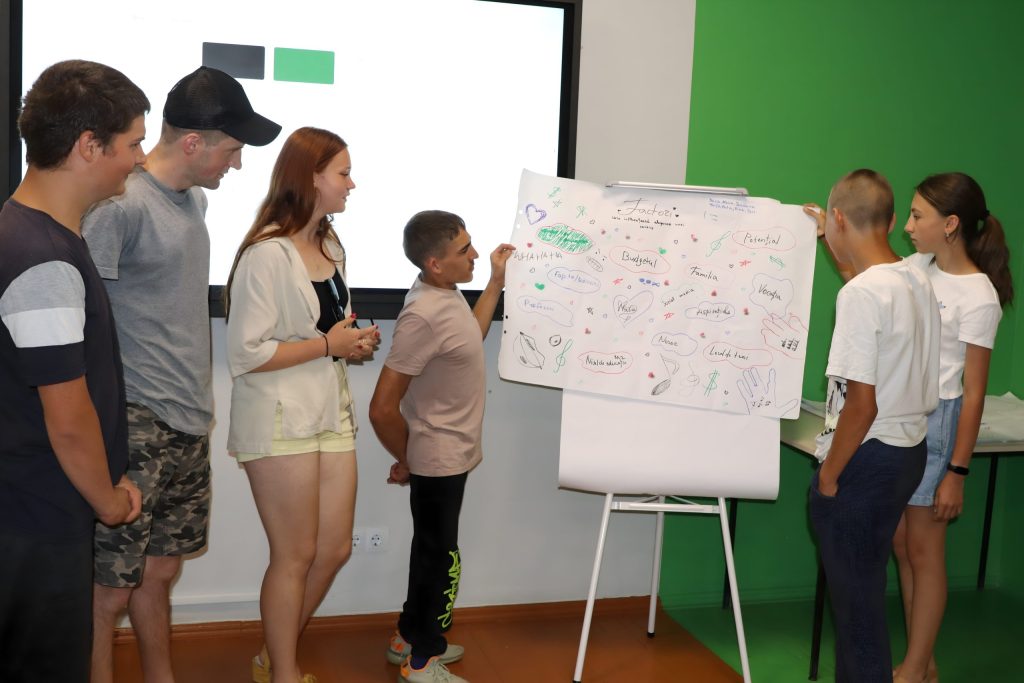
In 2015, Eco-Răzeni launched a workplace training programme offered twice a year to young people from other regions. Over four months, groups of seven to nine participants come to Răzeni to live and work within the enterprise. For many, it is their first time away from home and a crucial step toward independence.
“We started attracting attention from the media and public authorities, and families from other areas – who also had young people with disabilities – began contacting us to ask how their children could access such opportunities. We couldn’t offer dozens of permanent jobs, but looking at international practices helped us realise that we could offer short-term placements so they could experience real work and start developing essential skills. We understood that without social and soft skills, workplace training alone is not enough. That’s why our programme also includes financial literacy, communication, relationship-building, sexual education, accessing services, and meaningful leisure, all adapted to each young person,” says Sergiu.
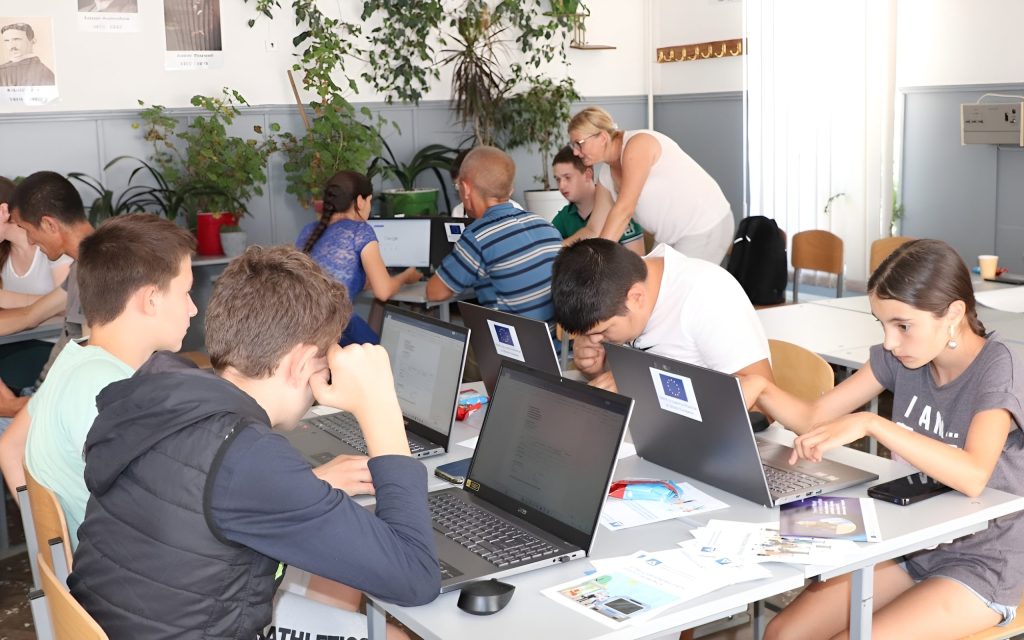
A key turning point in expanding this work came with the support of the EU4Youth programme. Thanks to this partnership, Eco-Răzeni’s efforts reached the north and south of the country through the Persp@ctive project. Between 2023 and 2025, 200 young people across six districts received training in digital and entrepreneurial skills – including nearly 40 young people with disabilities. For some, it was the first time they ever used a computer; for others, it was the start of preparing for a job interview. For all of them, it was a chance to see that their future could look different.
“By the end of the project, assessments showed an average 20% increase in participants’ confidence in their ability to enter the labour market. Around 80% said they felt better informed and more secure about their professional future. Young people with disabilities don’t only need training – they need someone who sees them, listens to them, and supports their first steps. EU4Youth helped us to reach them and guide them toward independence,” Sergiu explains.
The support came at a crucial strategic moment. It didn’t change the organisation’s mission – it accelerated it. It brought resources, international partnerships, and access to a network of professionals from Austria, the UK, Czechia, and Poland.
“Eco-Răzeni is a long-standing partner of EU4Youth. We were beneficiaries in Phase II, and we’re glad we could also contribute in Phase III. We already had a five-year strategic plan – EU4Youth helped us implement what was planned but underfunded. Every partner brought their own expertise and models. This exchange was one of the project’s greatest achievements,” adds Sergiu.
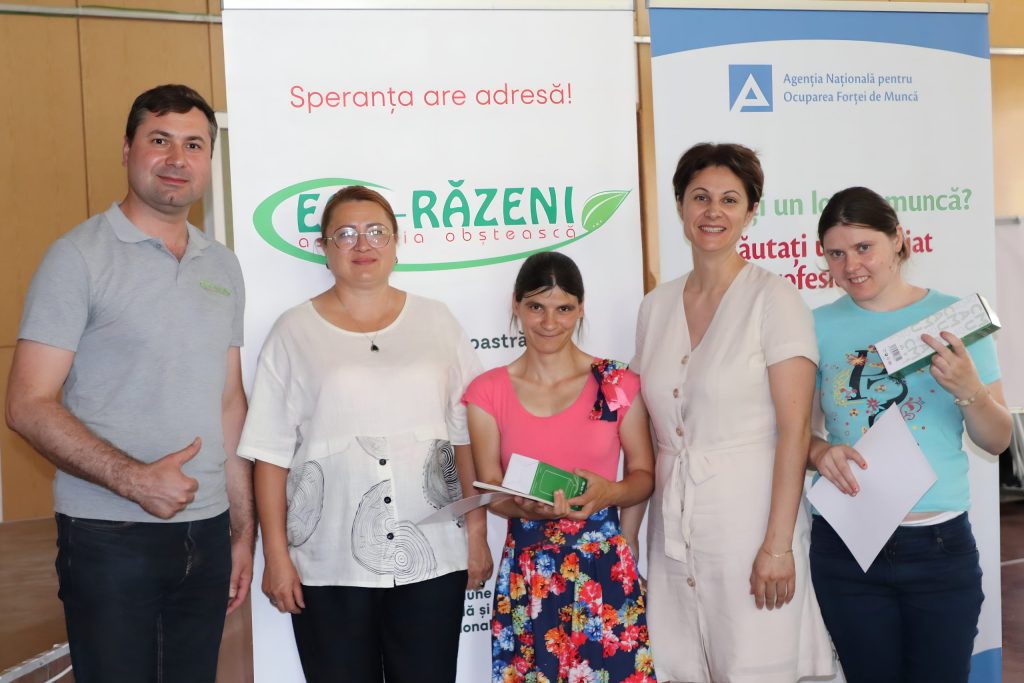
Today, the team is developing an individual vocational counselling programme for young people aged 14-16, continuing the direction started under Persp@ctive. The aim is to ensure that every young person – with or without disabilities – has early access to guidance and relevant information about their options.
“We realised that every young person needs individual guidance, not only group trainings,” he says.
On the International Day of Persons with Disabilities, Sergiu’s work reminds us of something essential: real change happens through consistent, everyday commitment to people’s needs. EU4Youth support helped to scale these efforts, but the vision started in Răzeni – with one person determined to build a more inclusive society through practical, hands-on action. And he continues this work, day by day.
The EU4Youth Phase III: Youth Employment and Entrepreneurship programme, funded by the European Union and the Ministry of Foreign Affairs of Lithuania, is implemented by the Central Project Management Agency (CPVA) in the Eastern Partnership countries, Armenia, Azerbaijan, Belarus, Georgia, Moldova, and Ukraine. The programme aims to provide technical assistance to governmental and non-governmental organisations to tackle youth unemployment and improve employability.