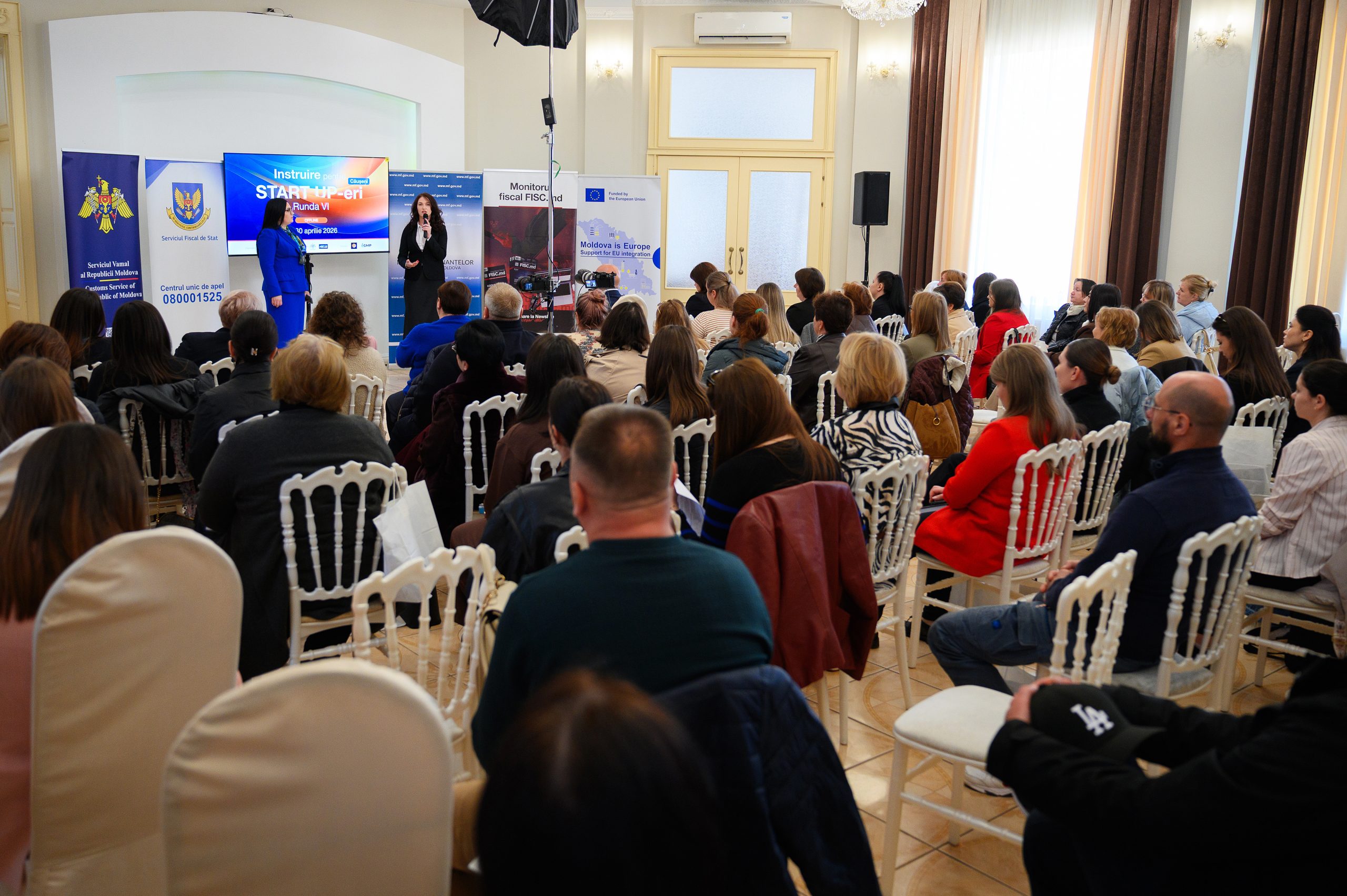
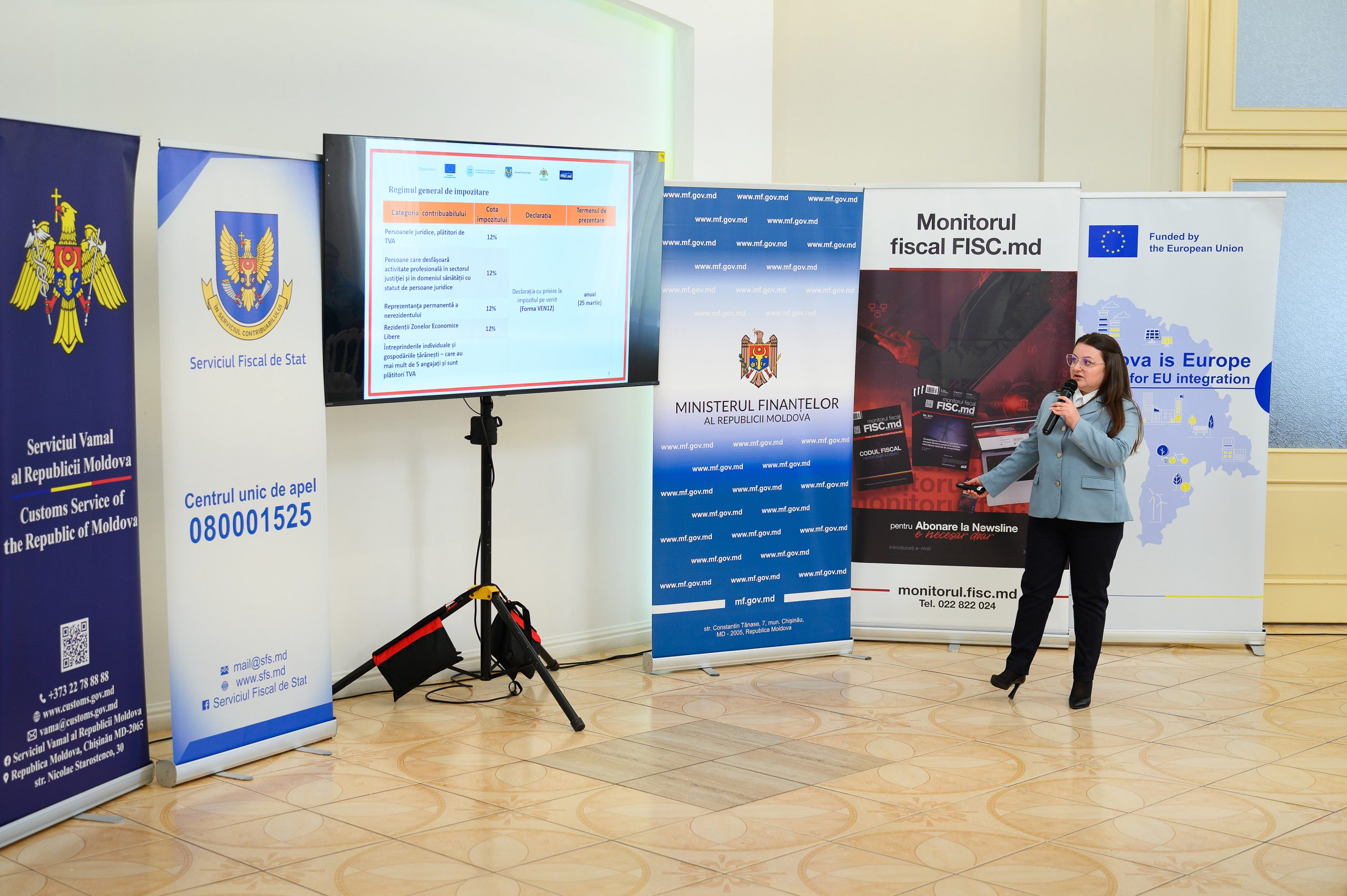
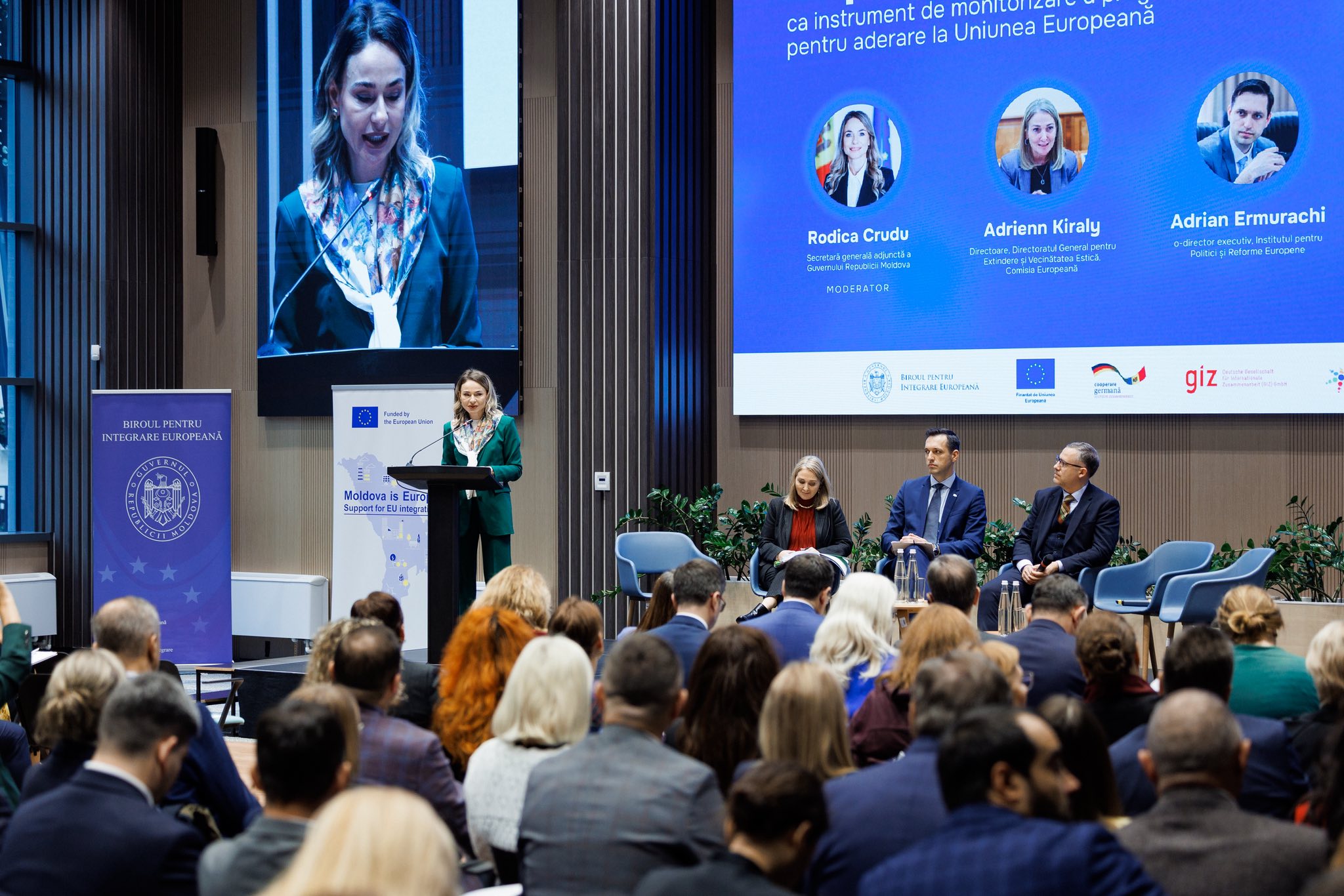
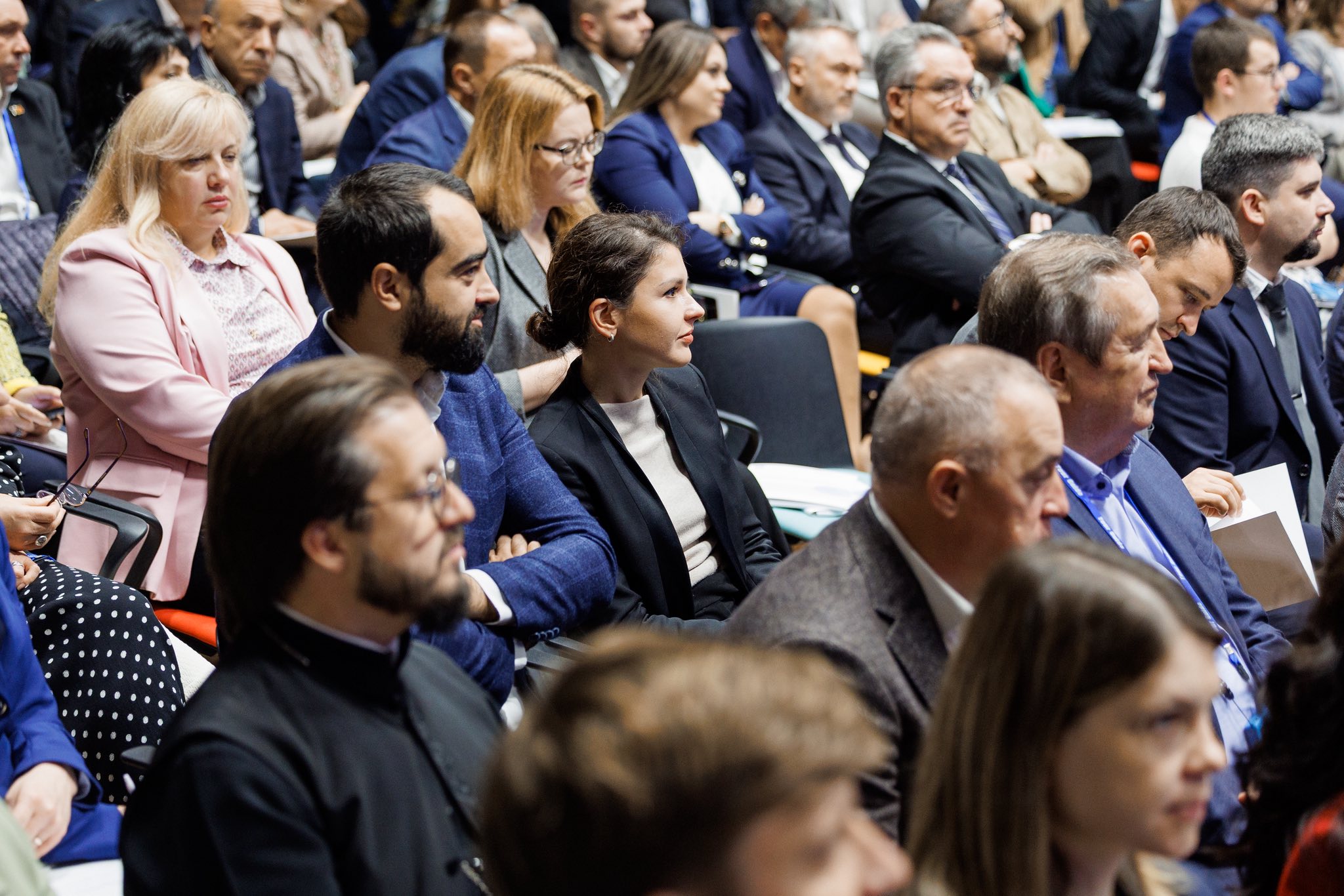
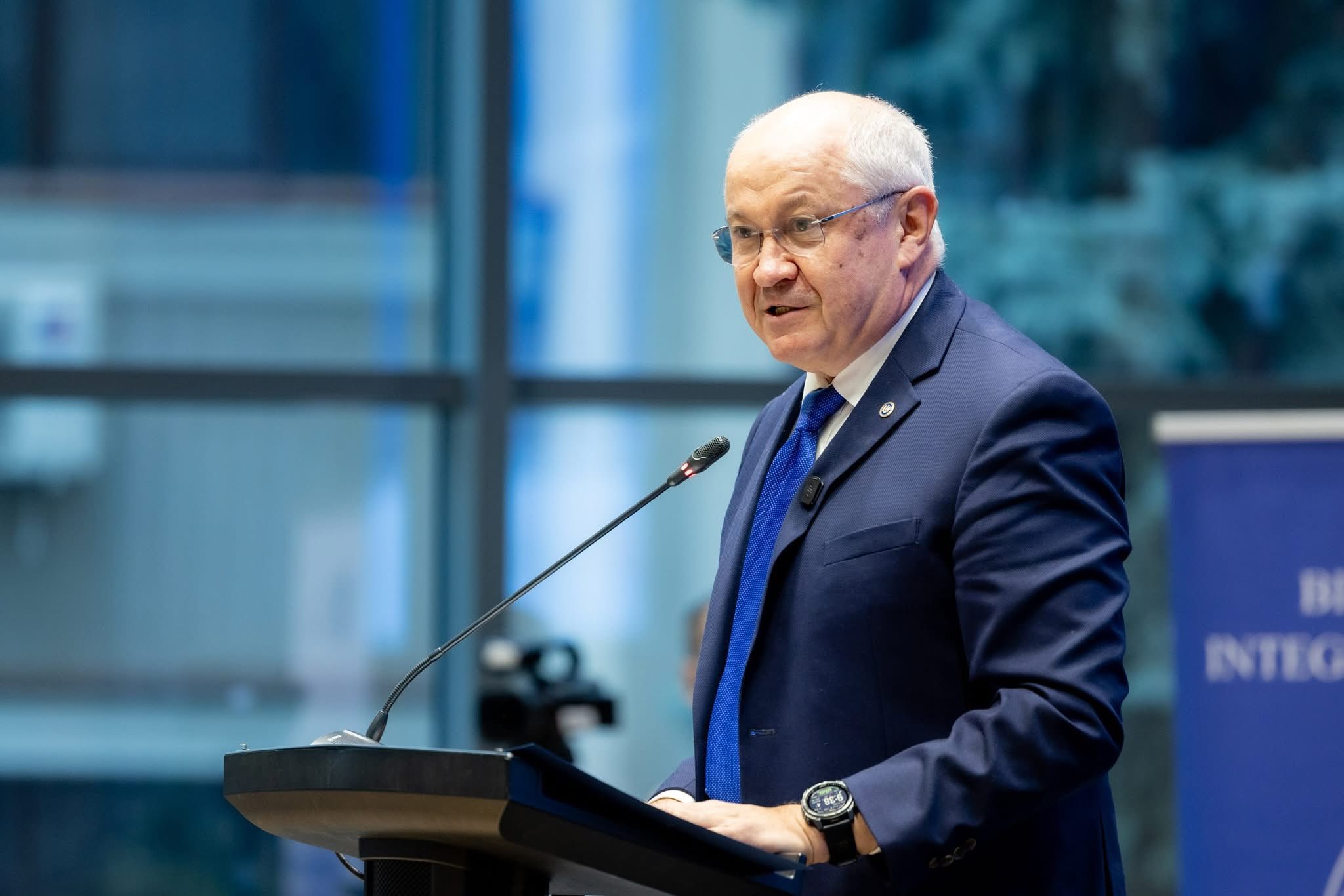
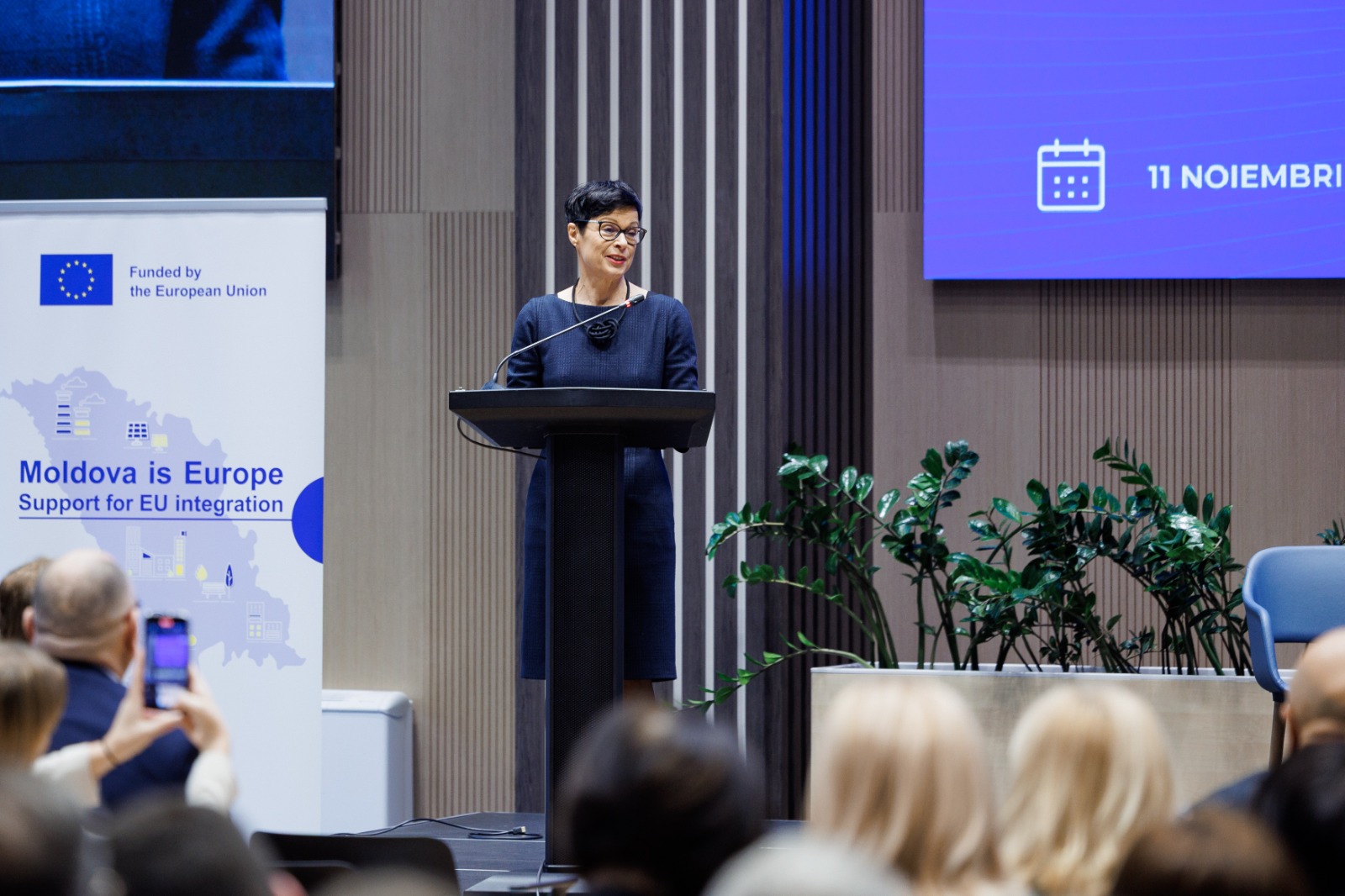
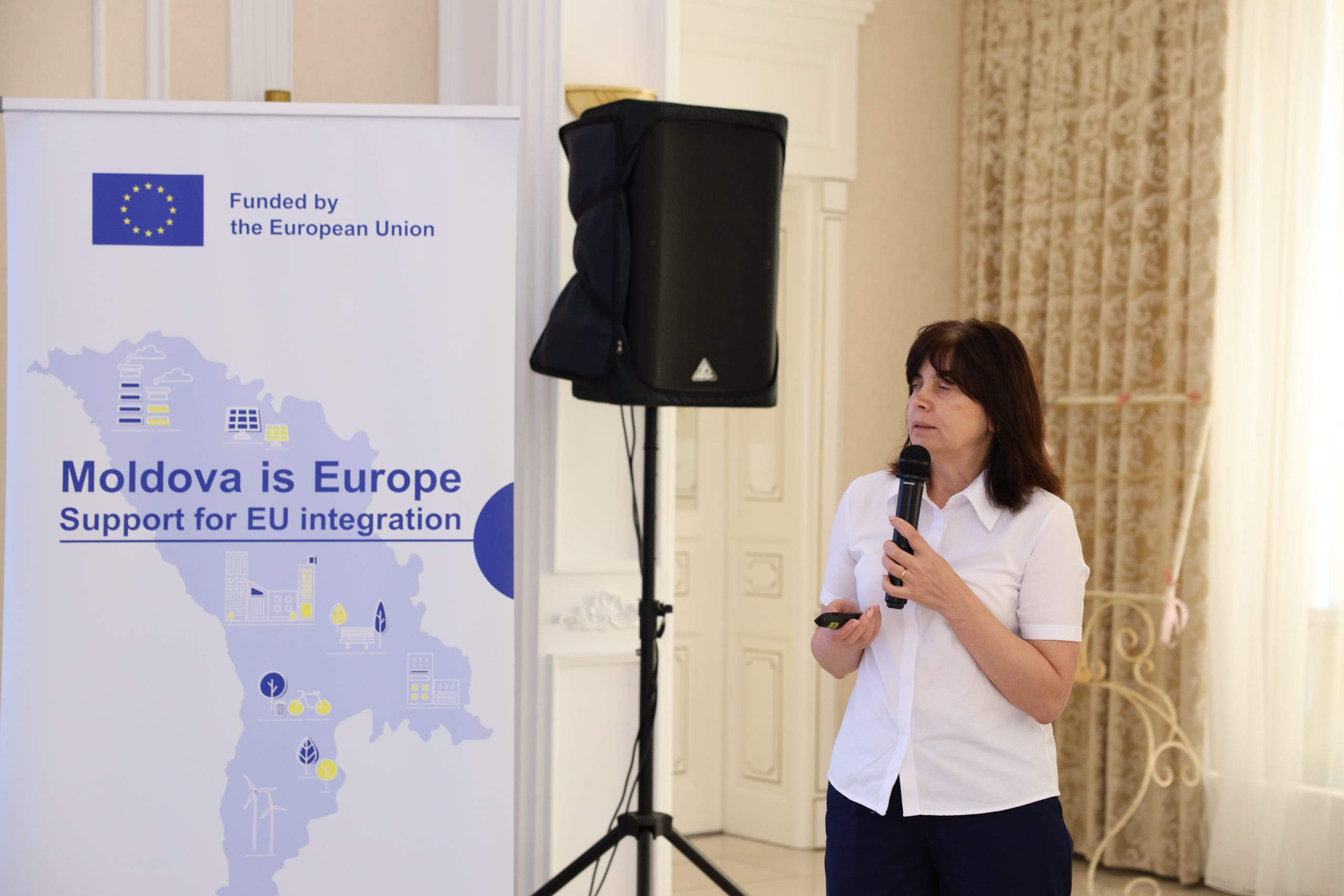
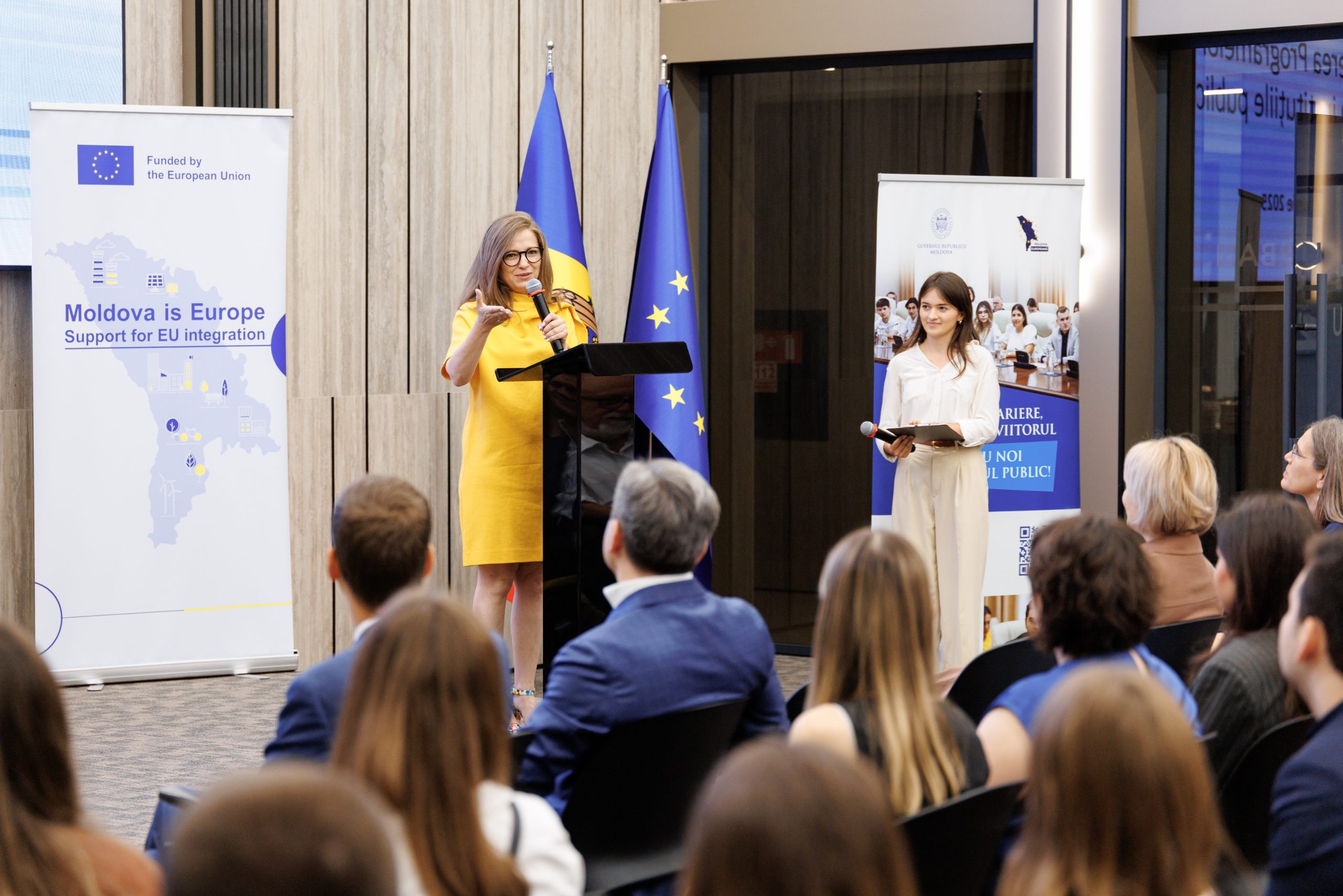
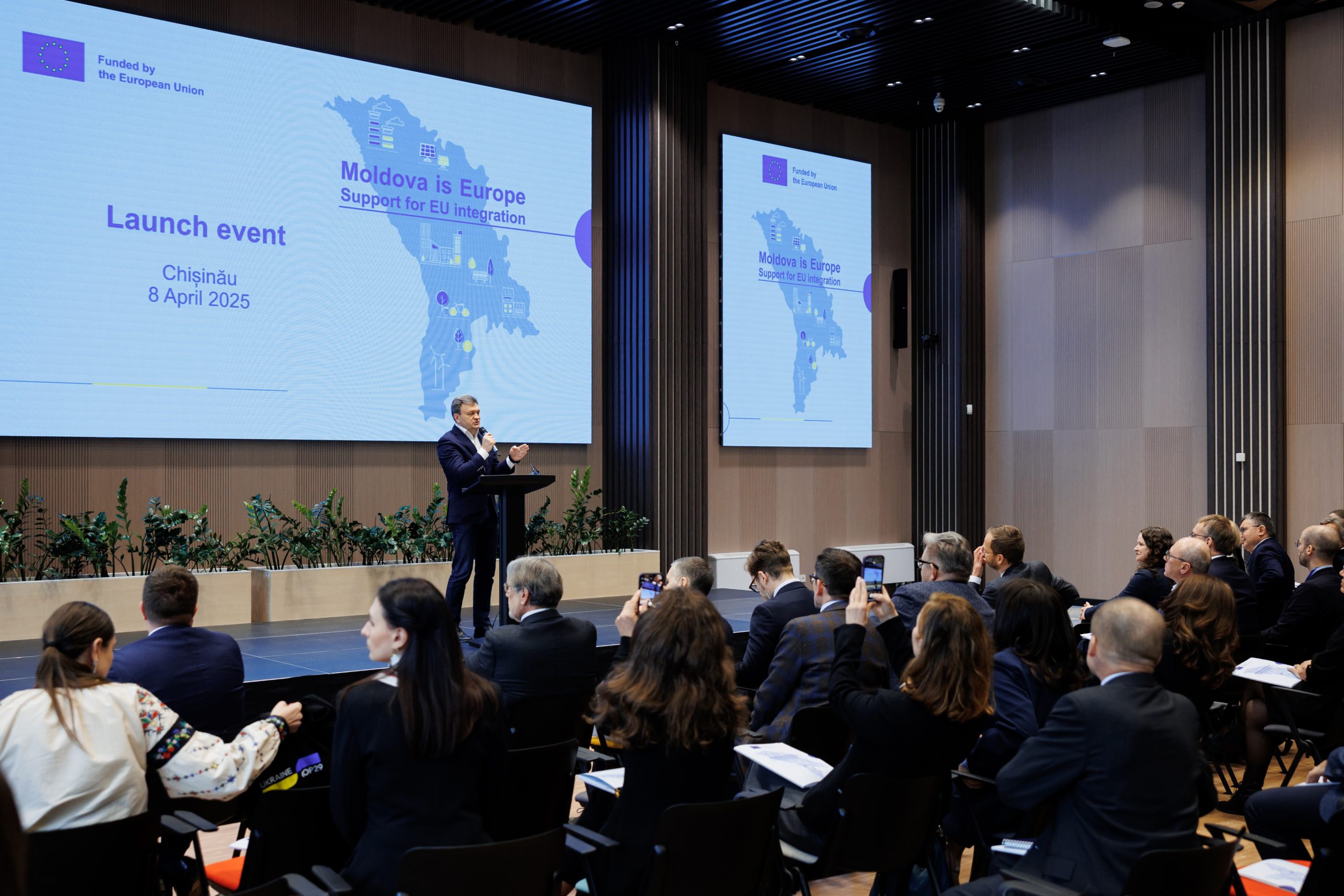
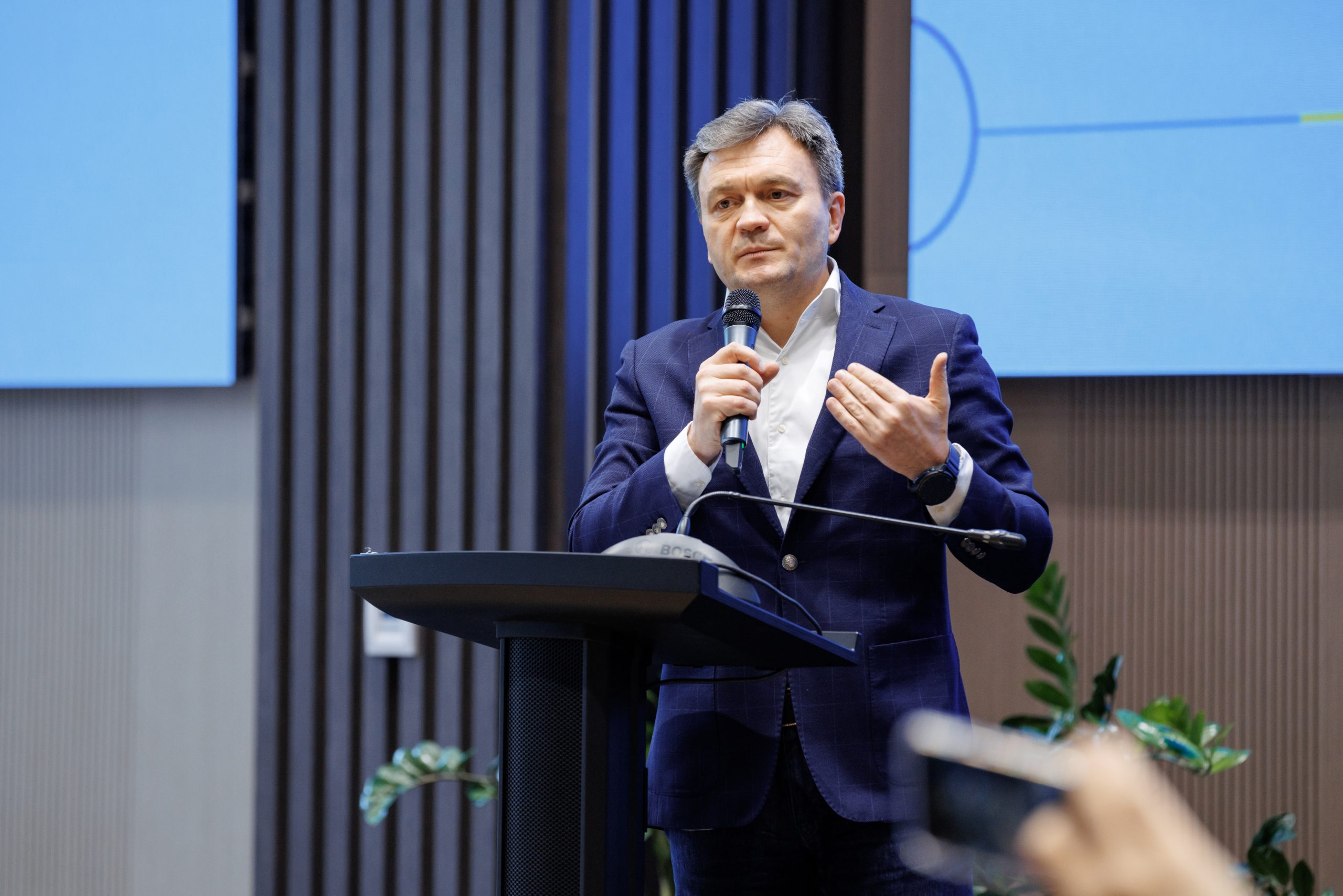
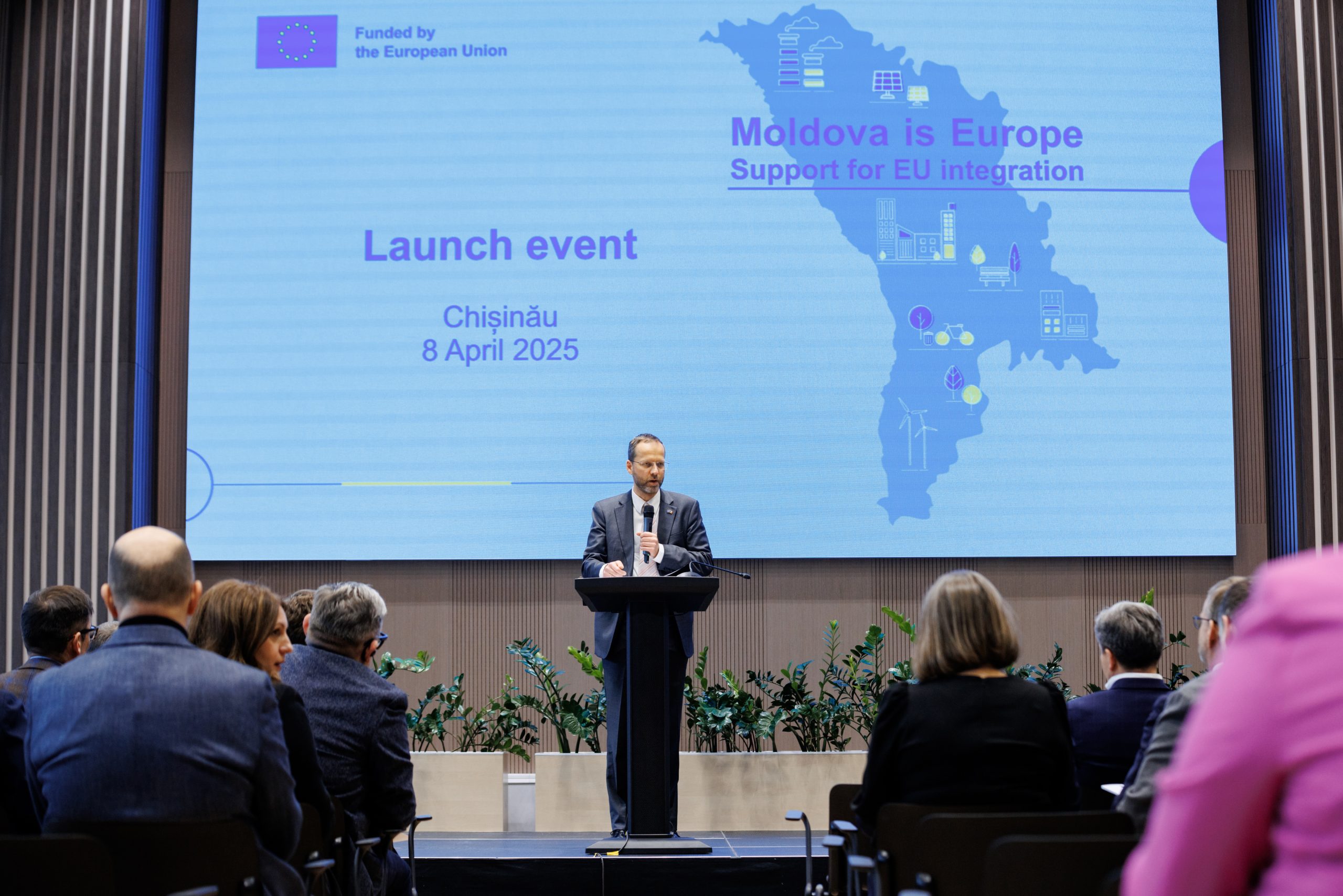
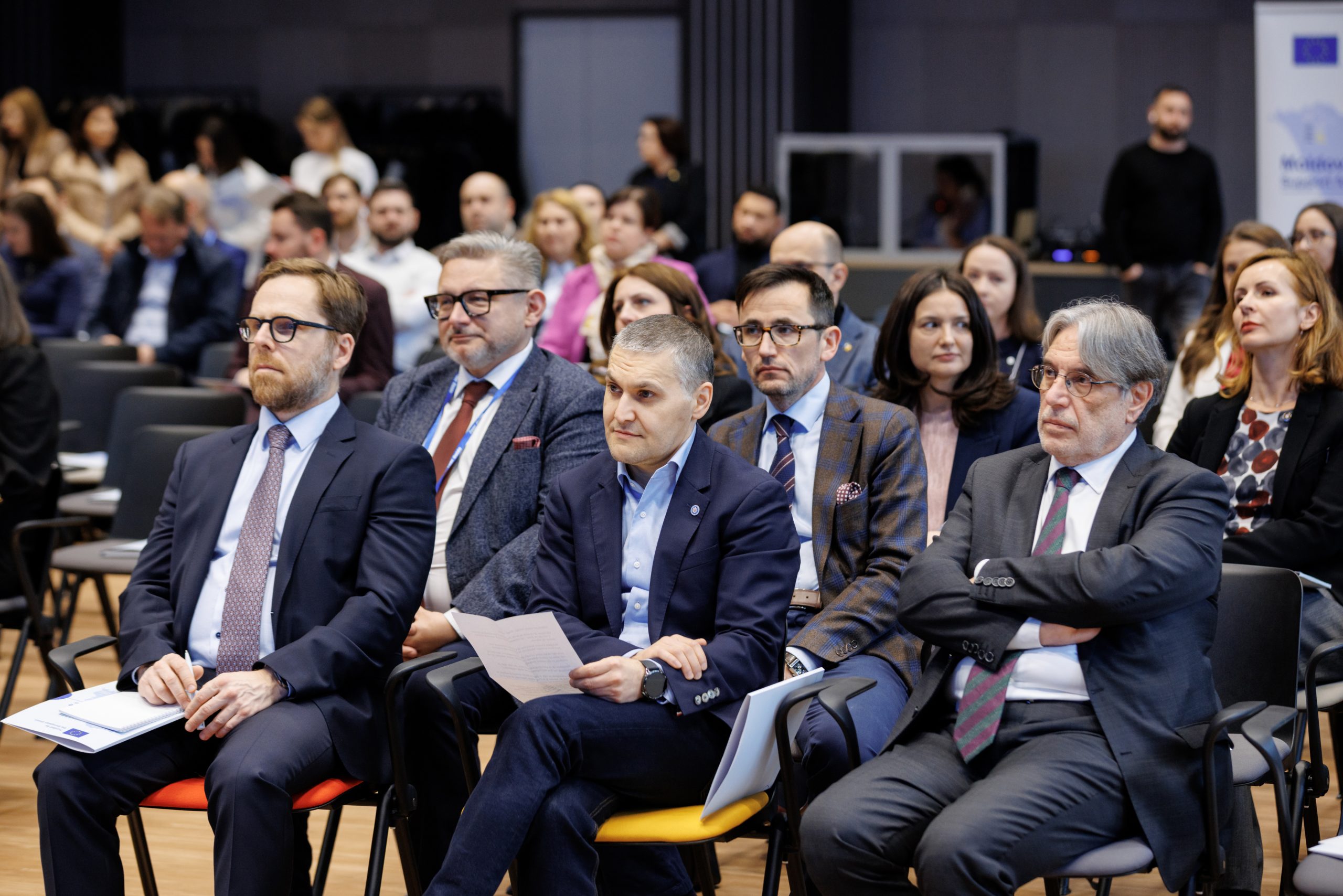
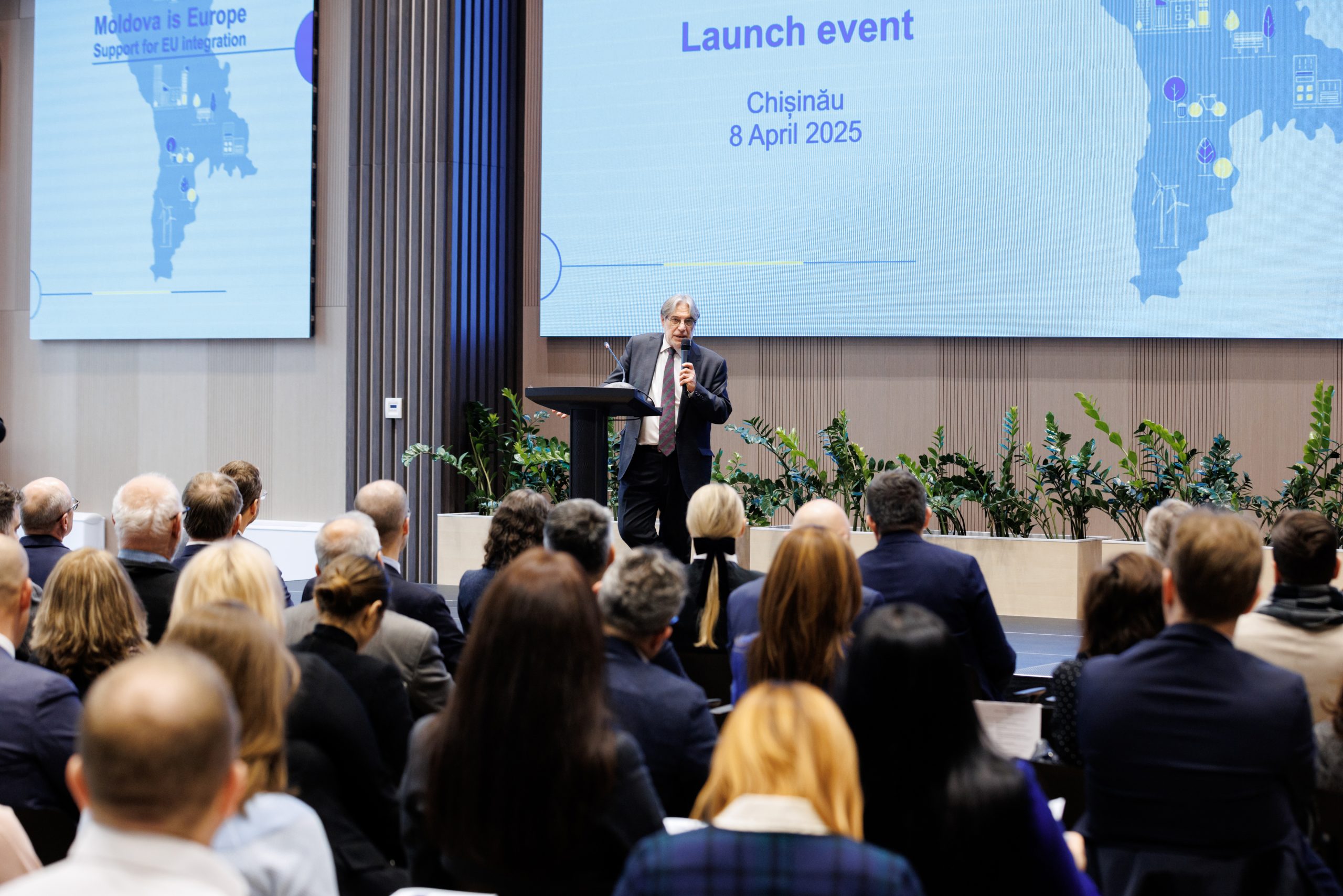
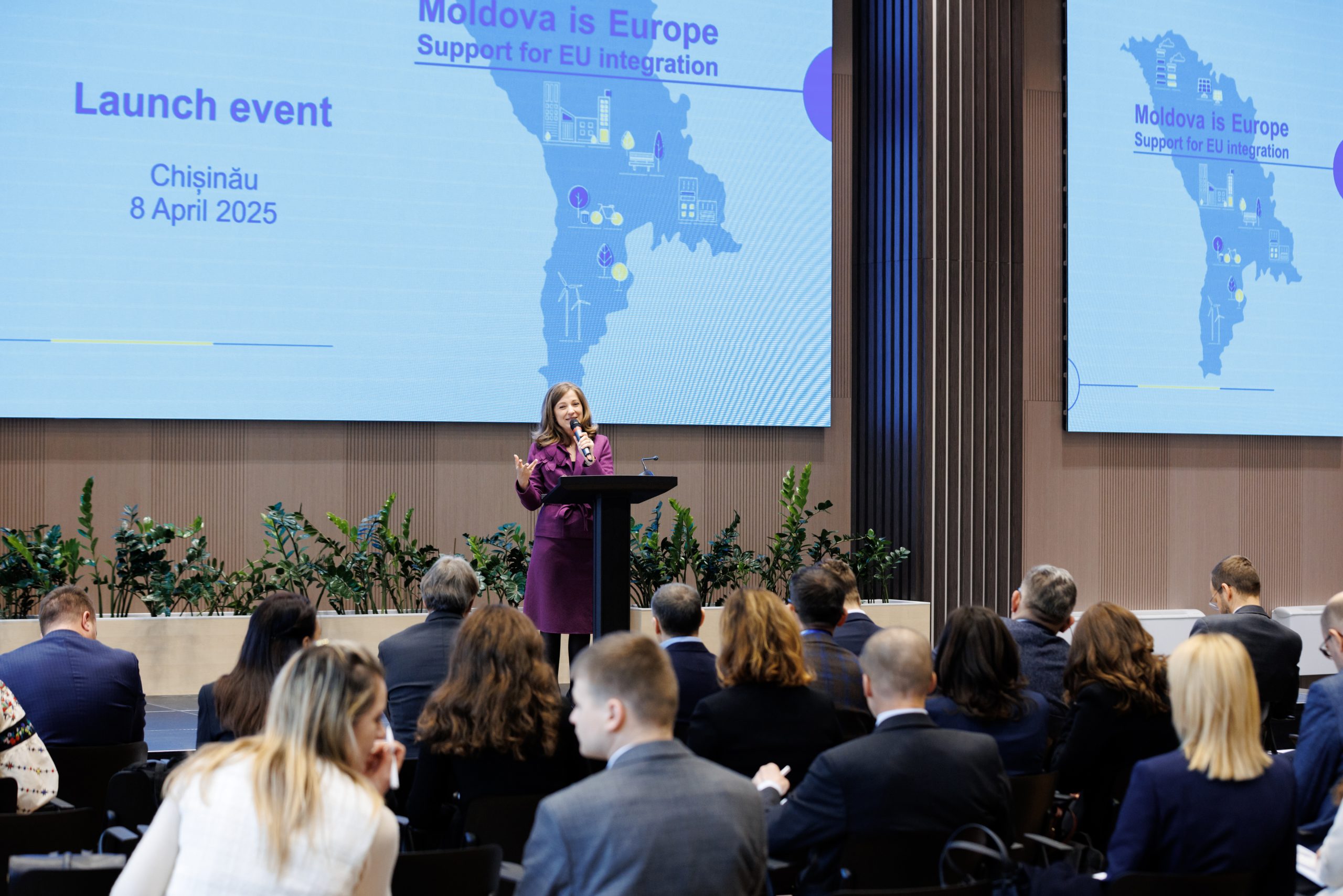
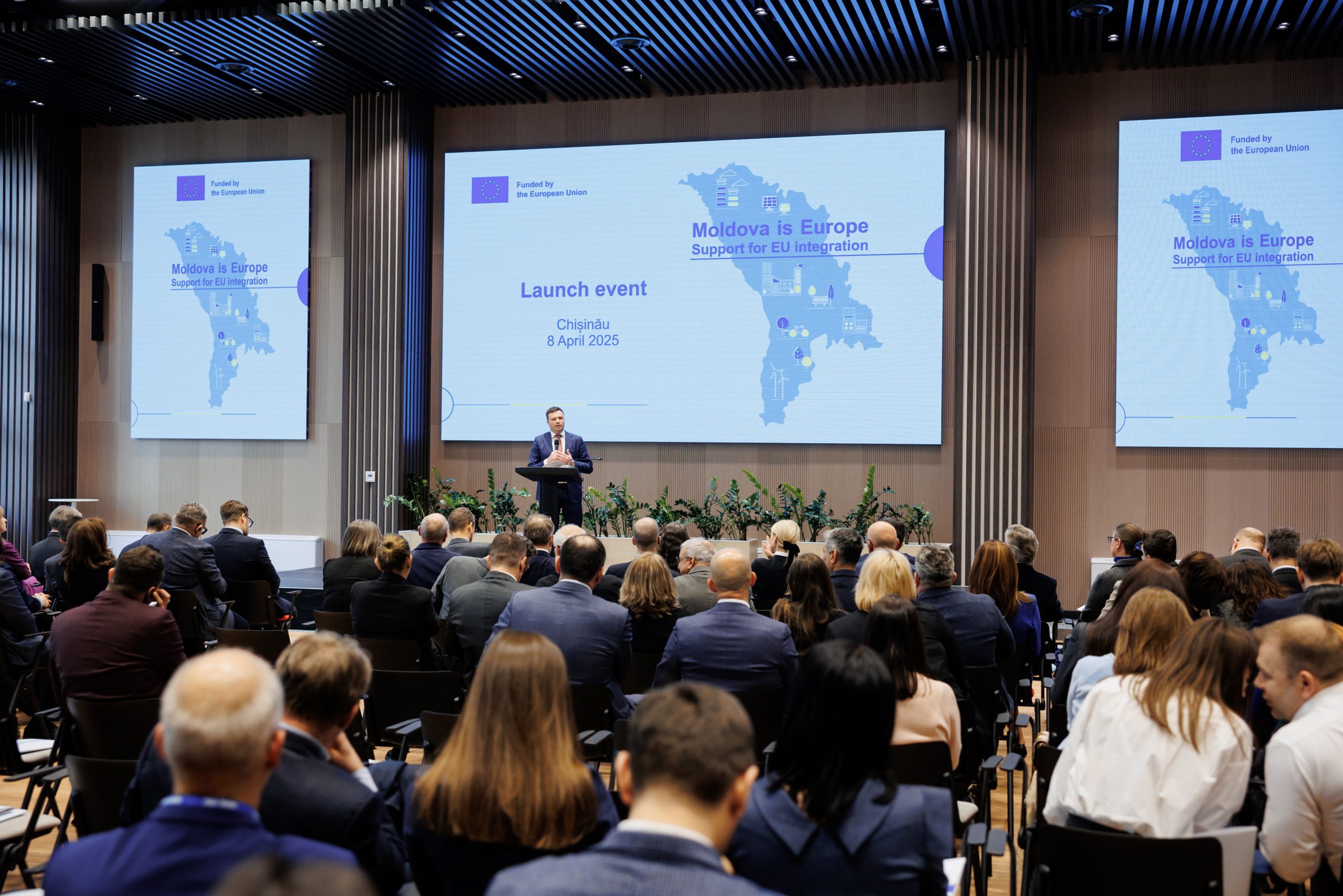
Moldova is Europe –
Support for
EU Integration

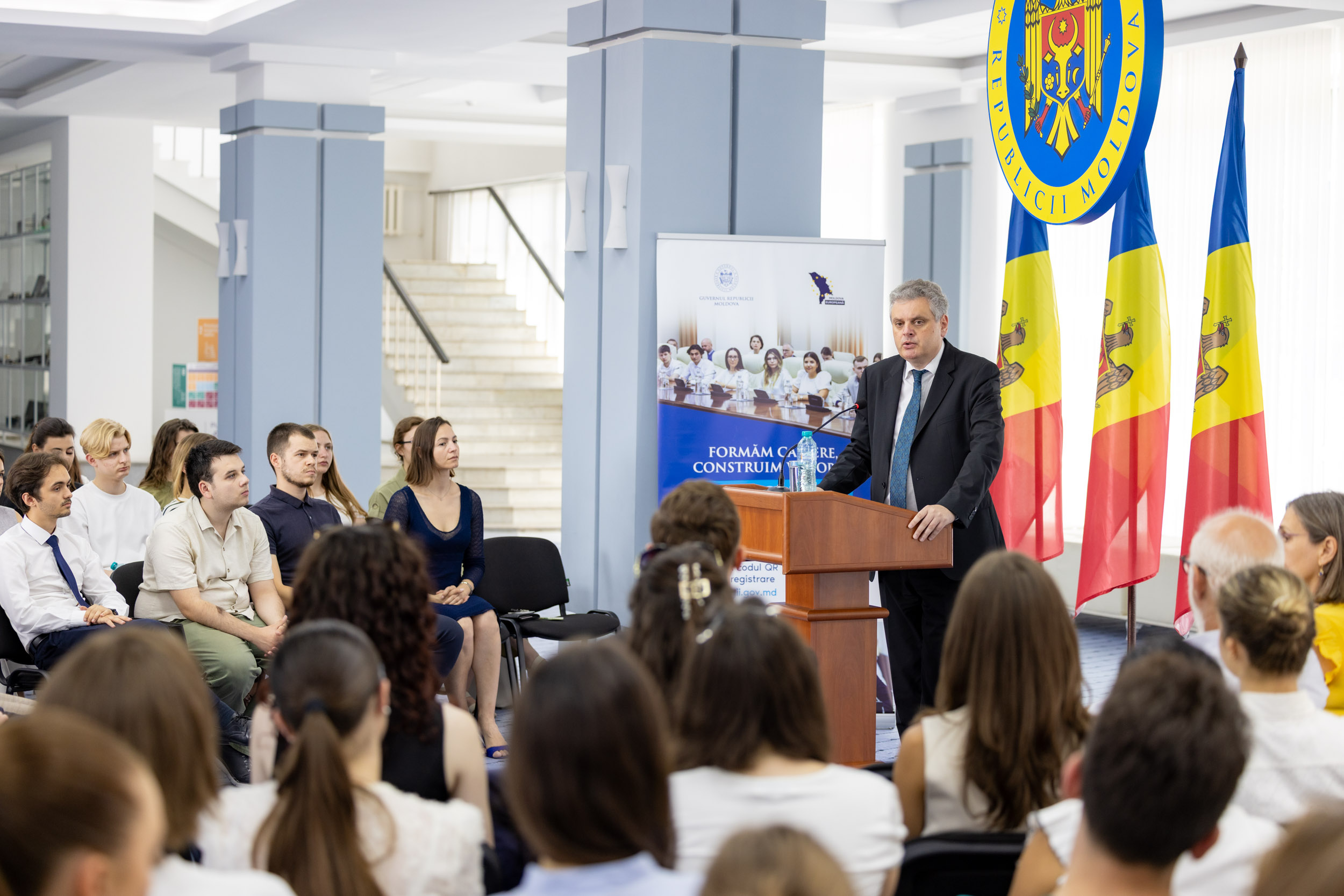
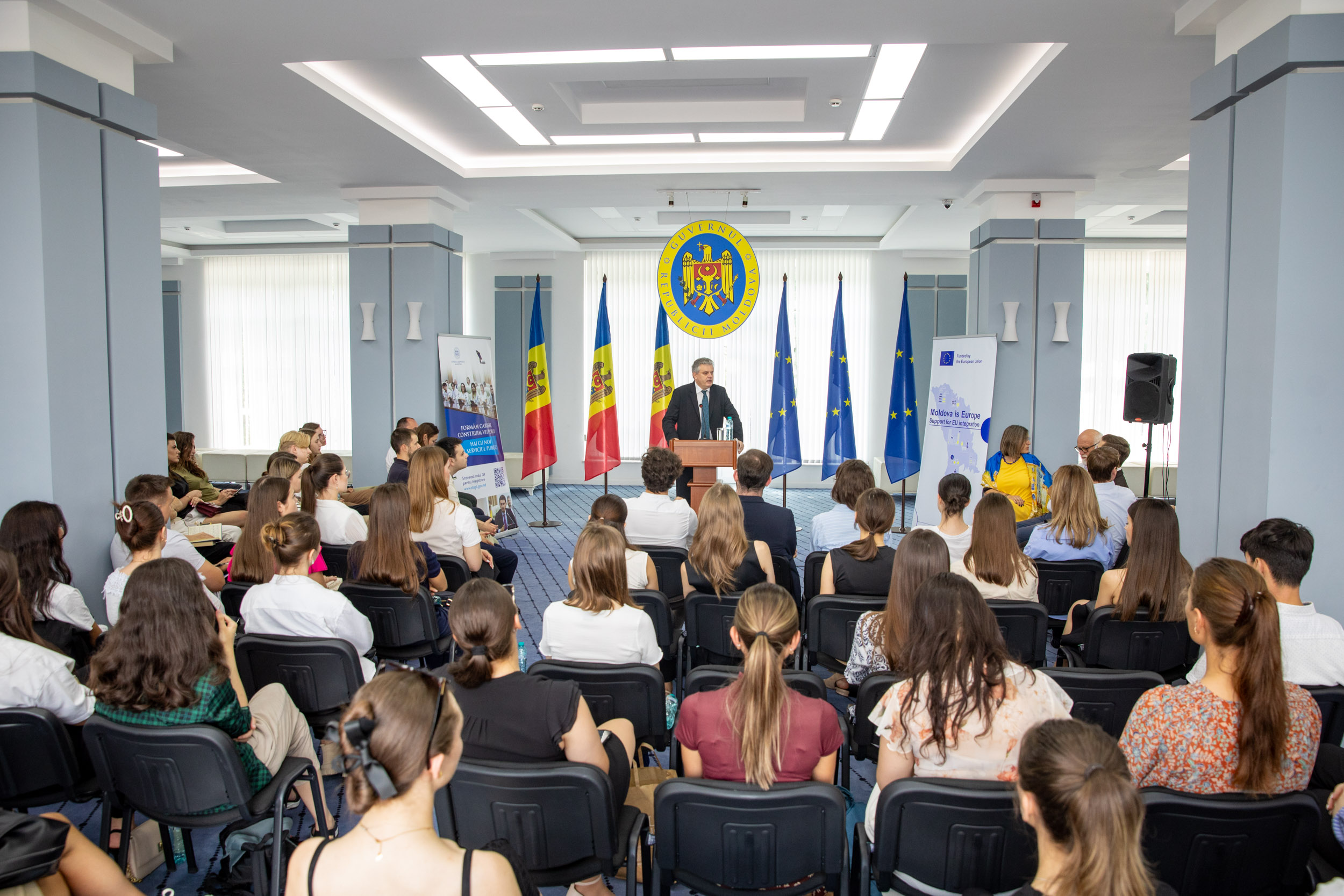
This project supports the authorities of the Republic of Moldova in building accountable and resilient governance systems for European integration. 

It seeks to increase the internal capacity of the Moldovan public administration by providing tools to transform it into an attractive employer and by training public servants to better understand, design and implement policies and reforms, notably in EU acquis transposition and implementation.

The project supports Moldova’s European integration by:

  • Deploying EU High-Level Advisers (EU HLAs) who provide long-term support to the key central administration actors in developing and implementing reforms, and transposing and implementing the EU body of law

  • Delivering specialized technical expertise and capacity-building actions, and materials to improve institutional capacity and effectiveness

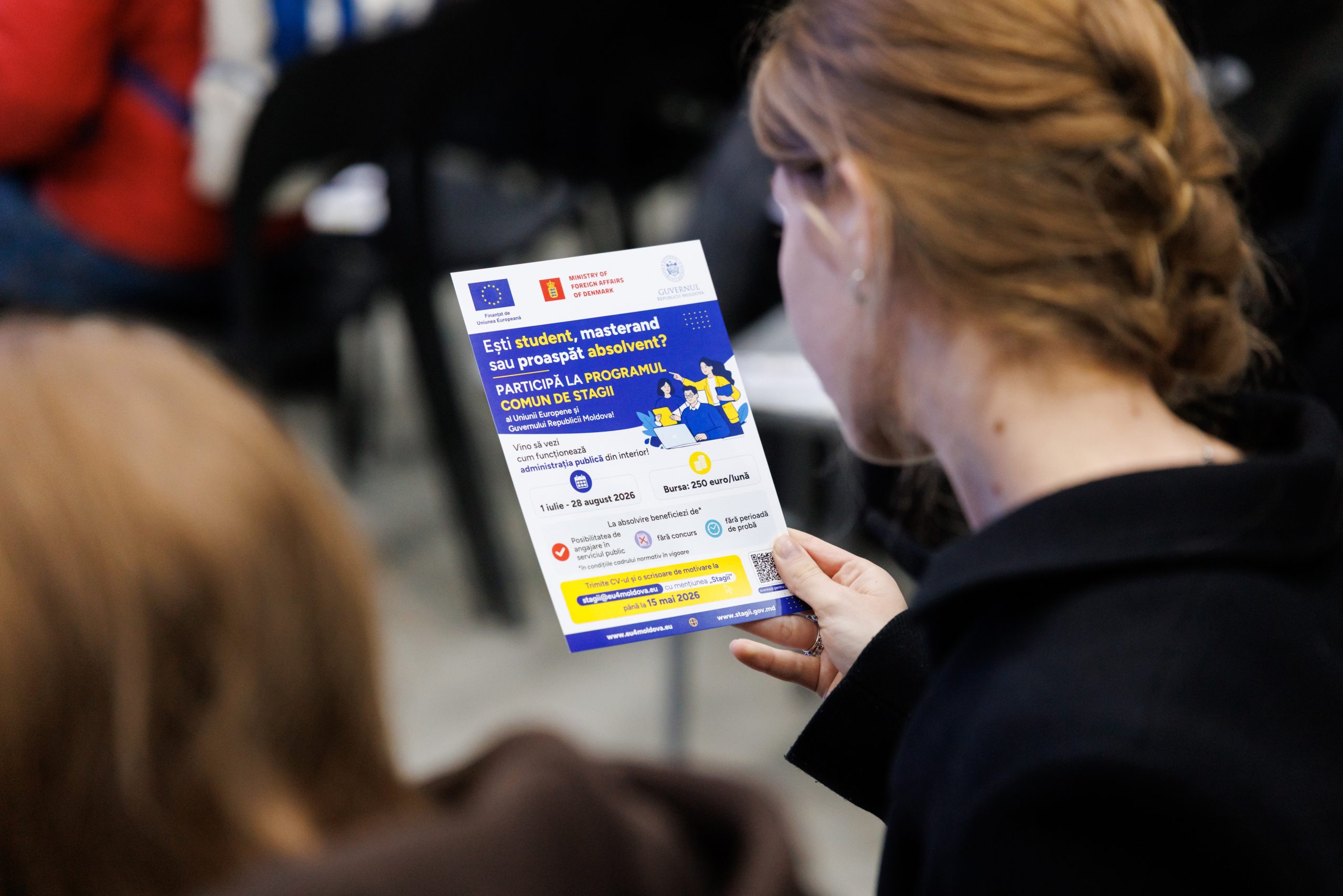
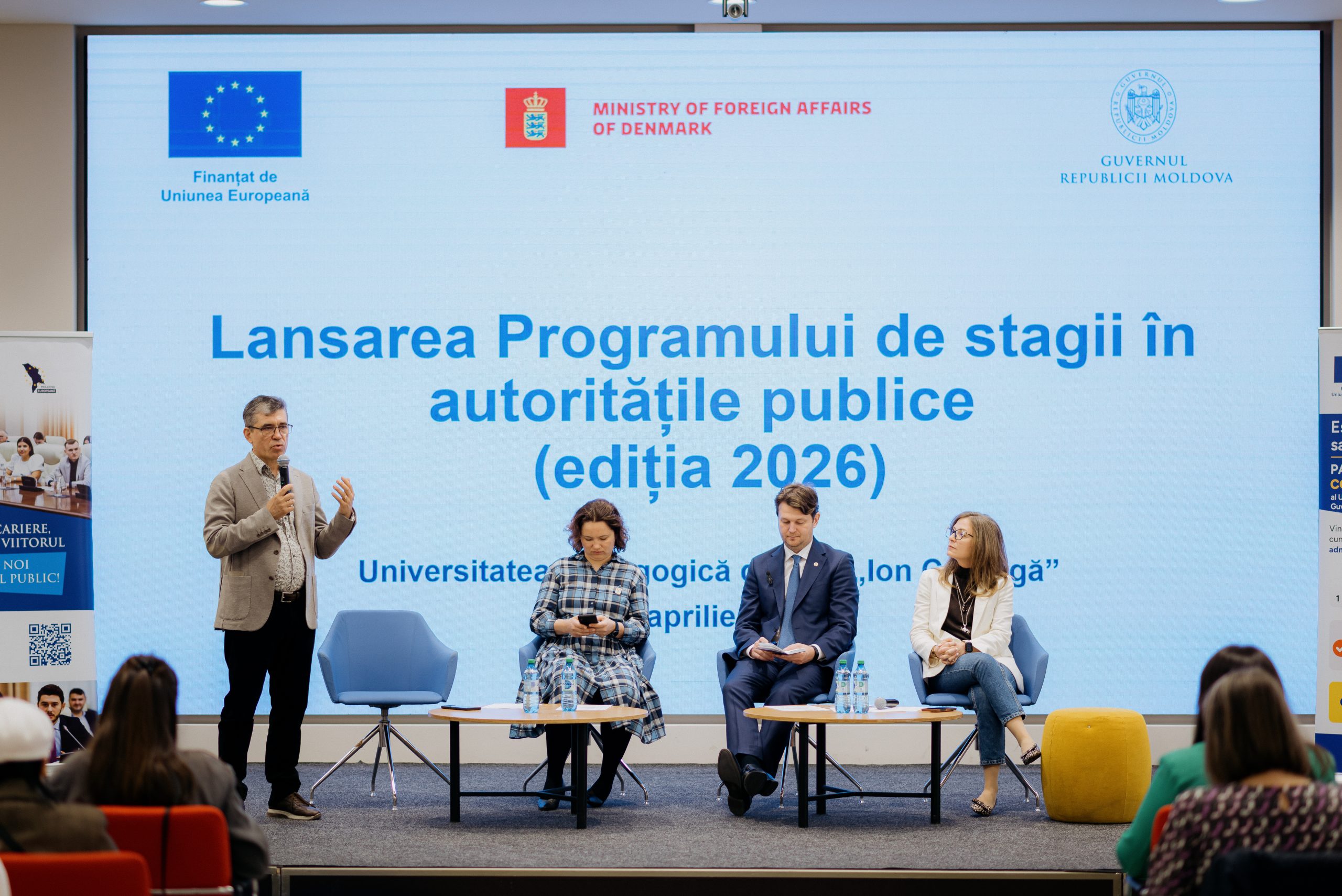
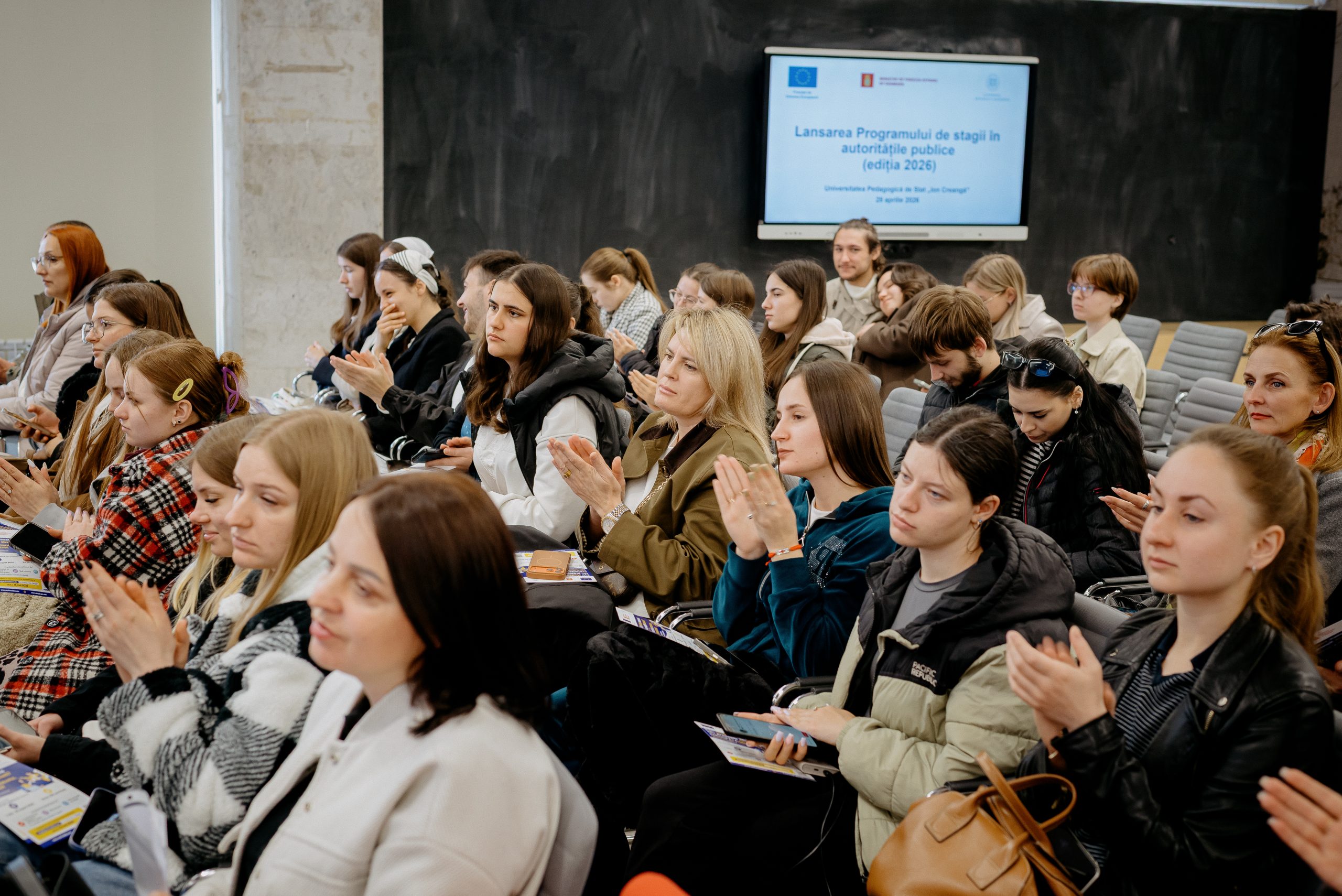
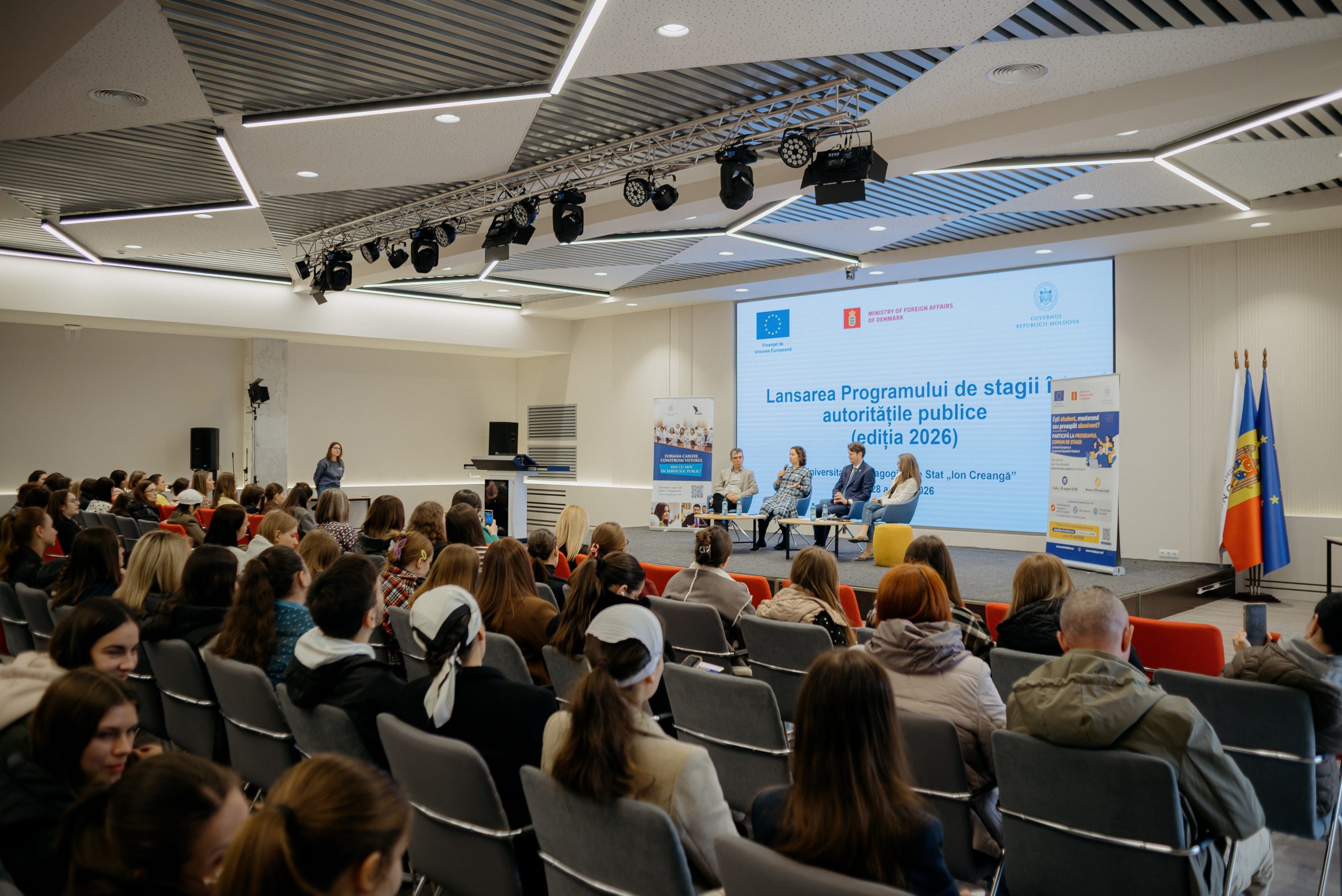
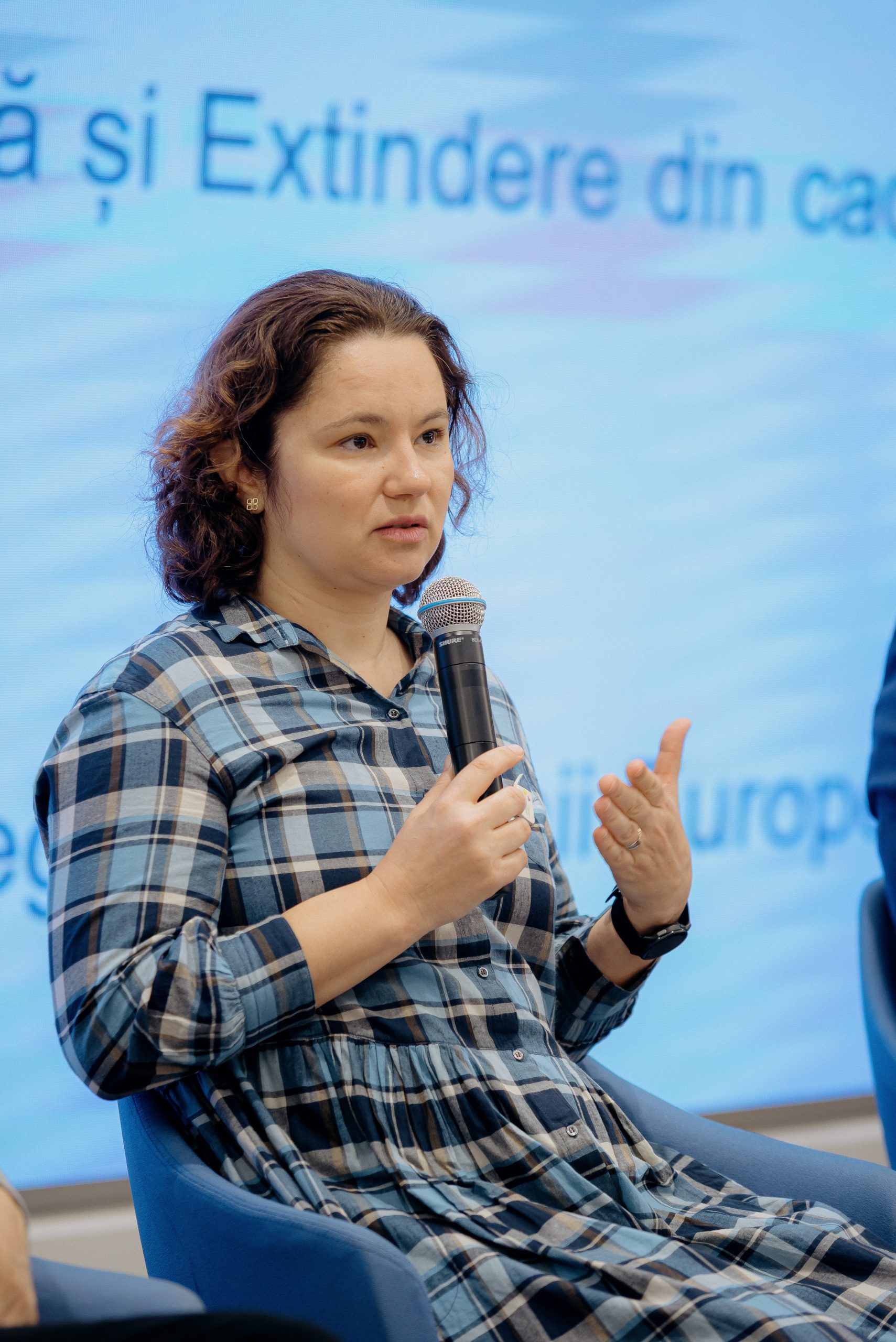
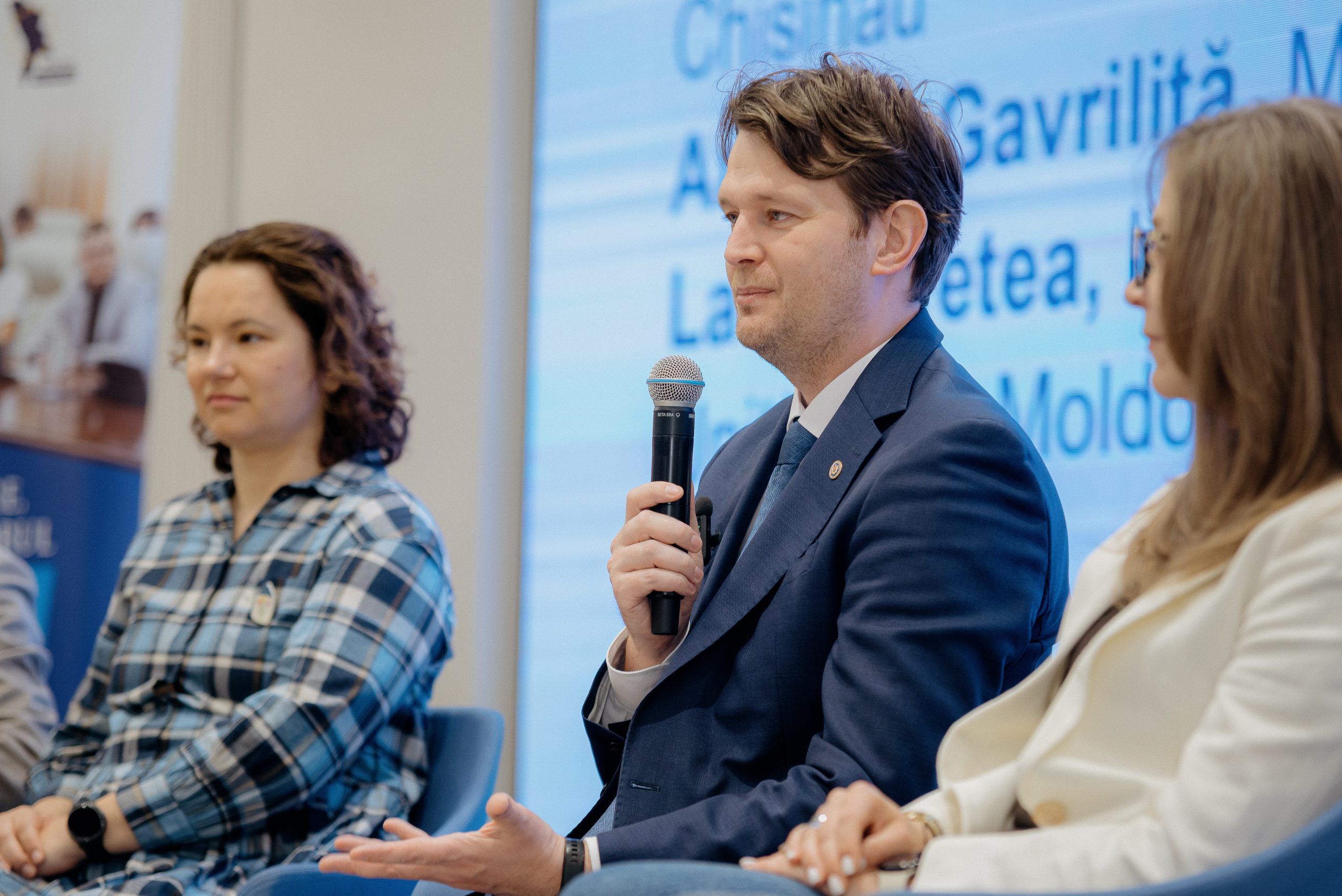
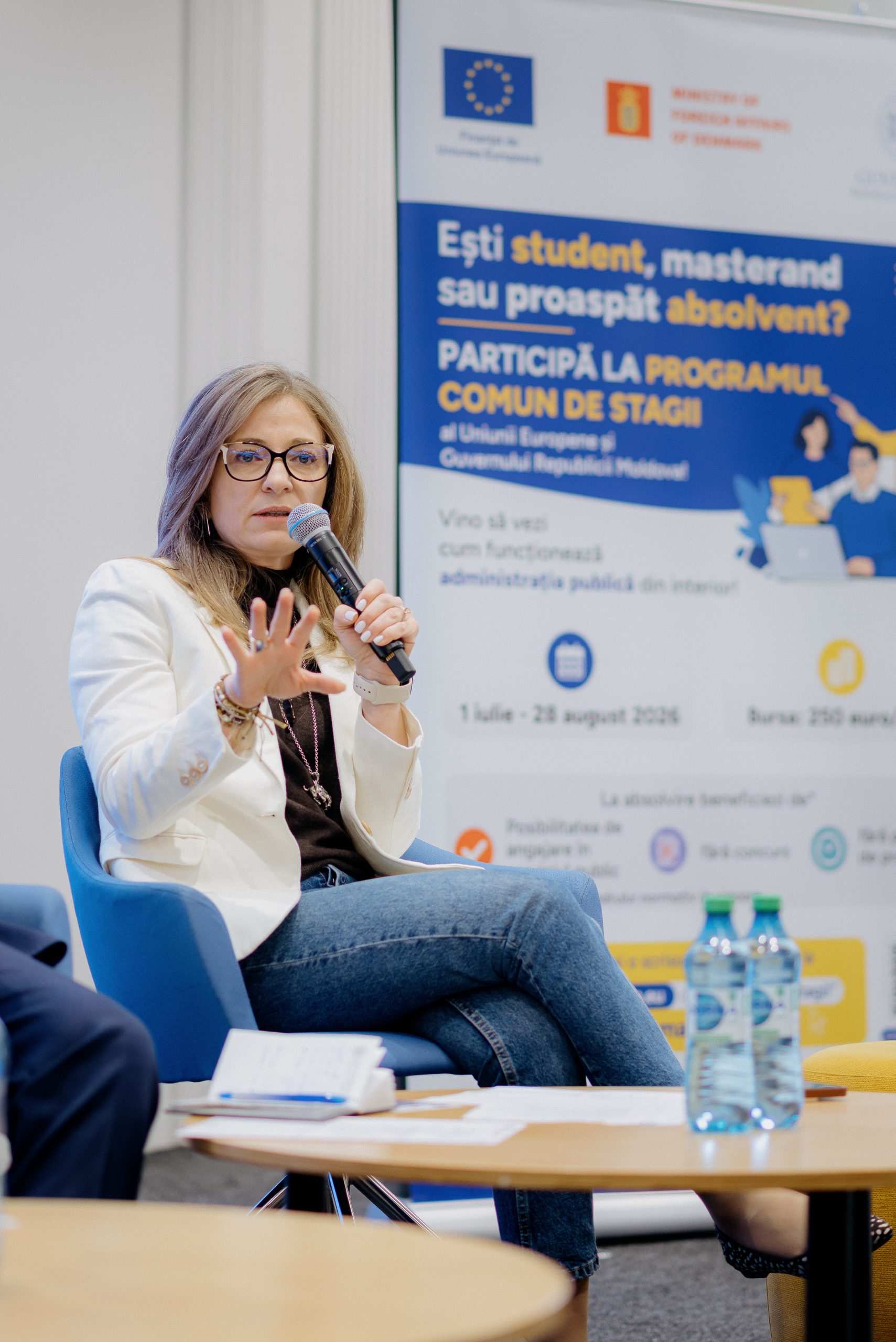
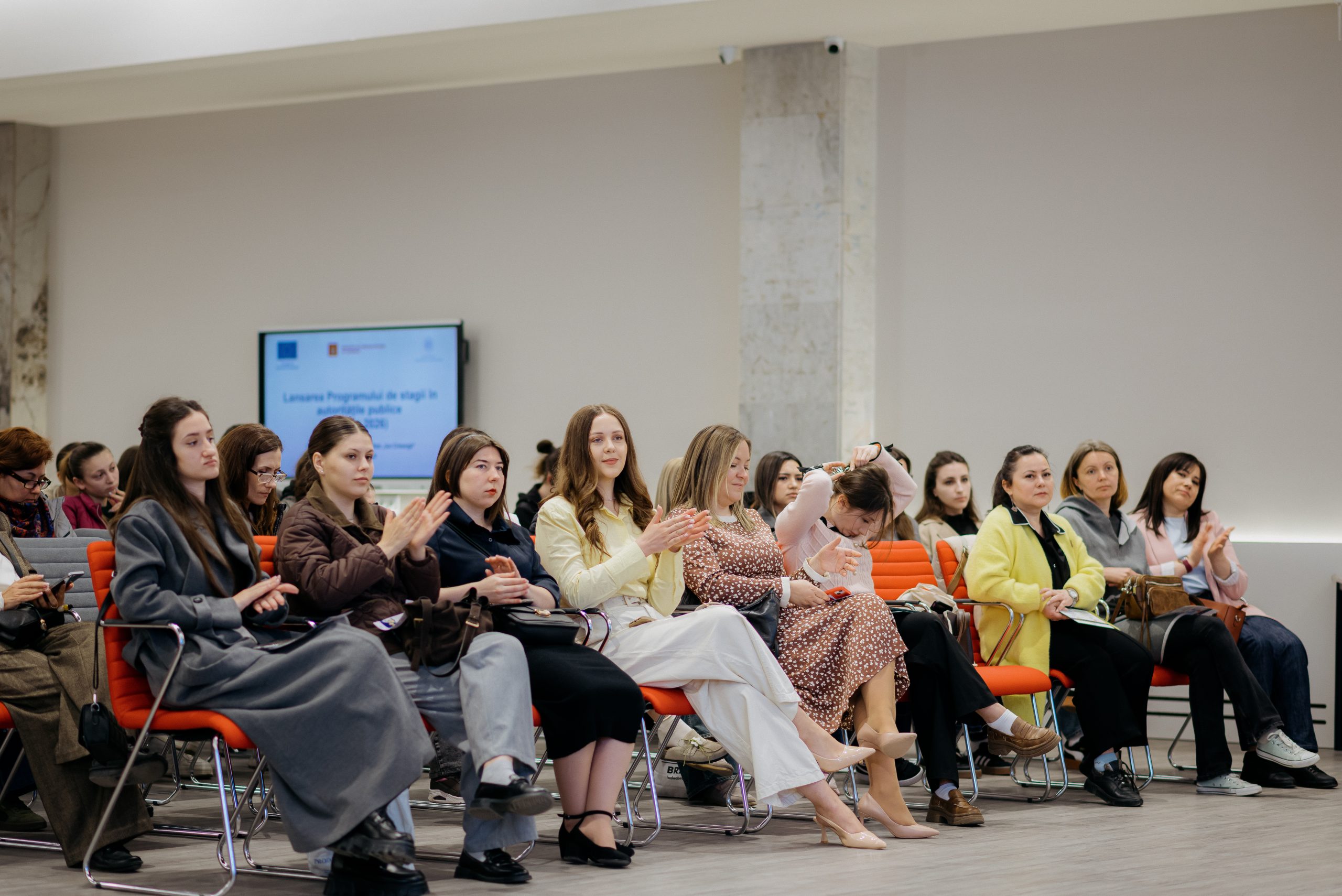
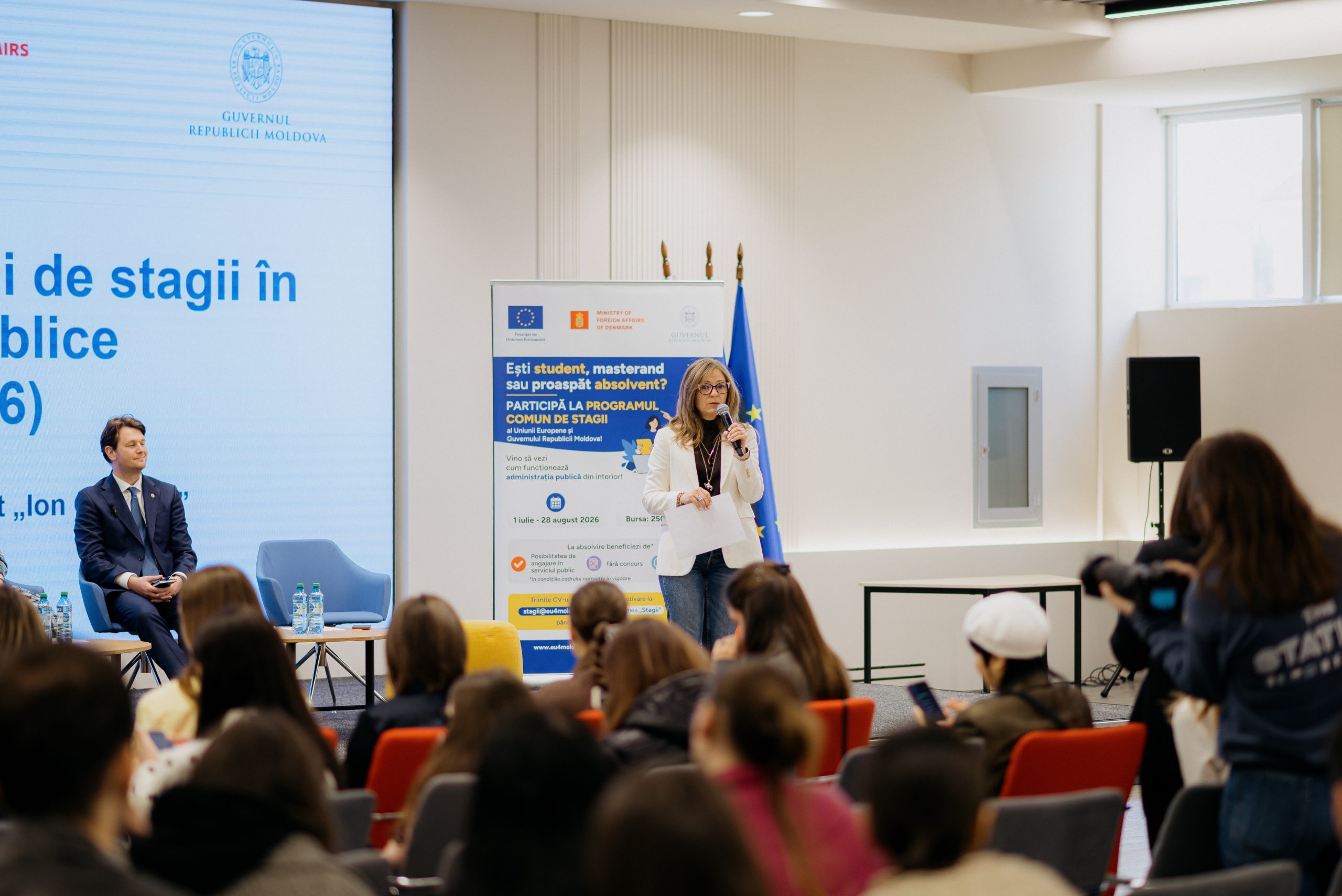
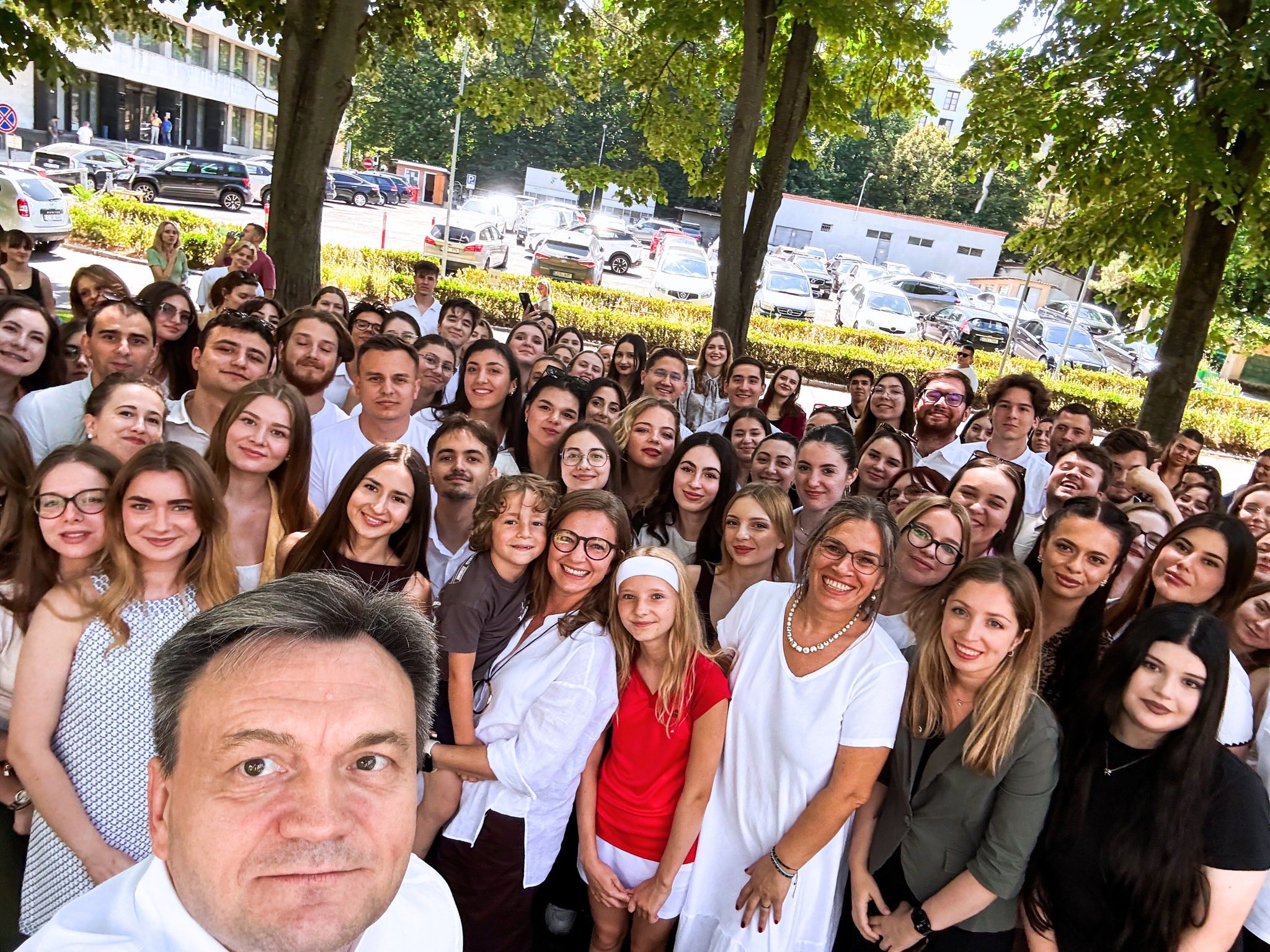
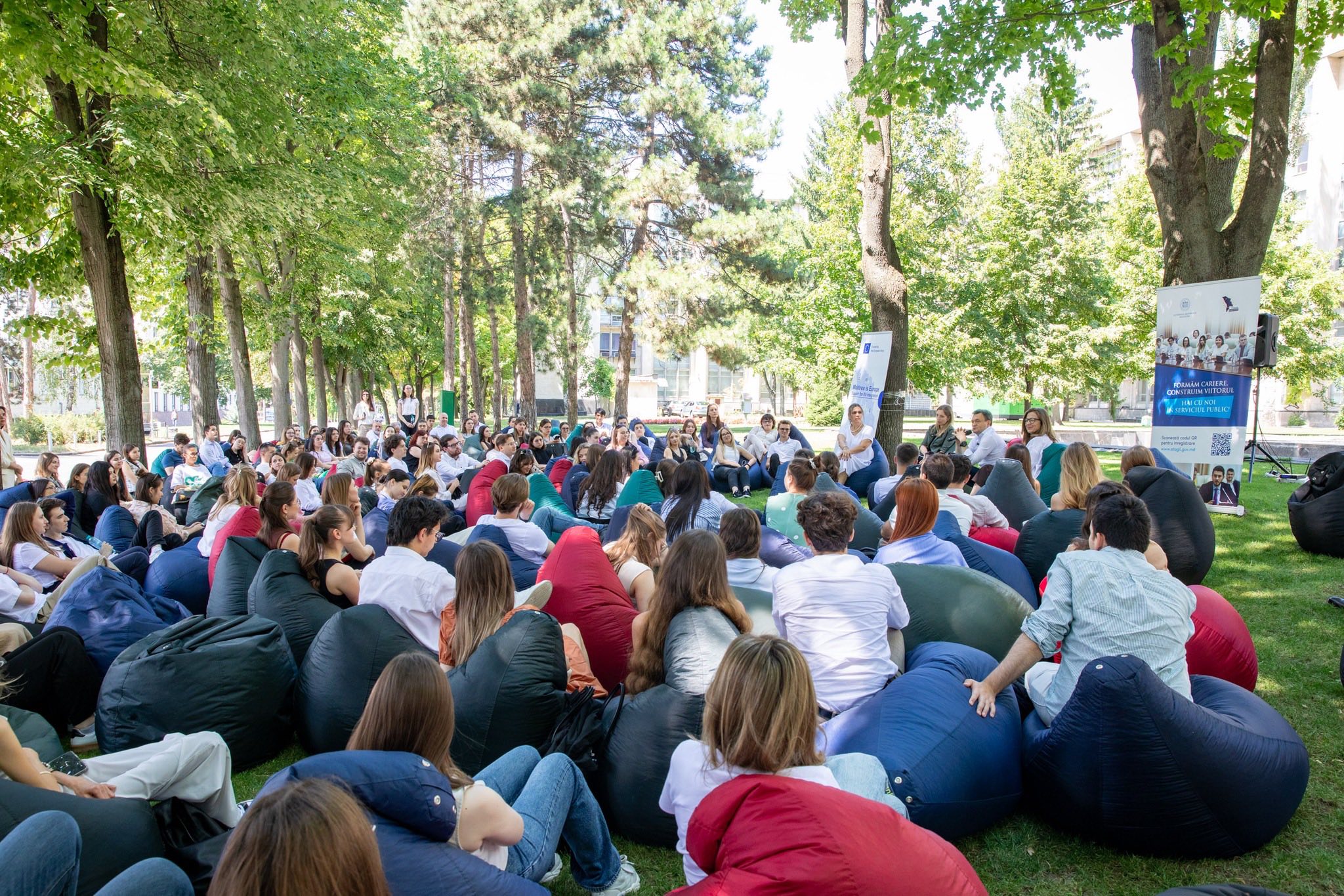
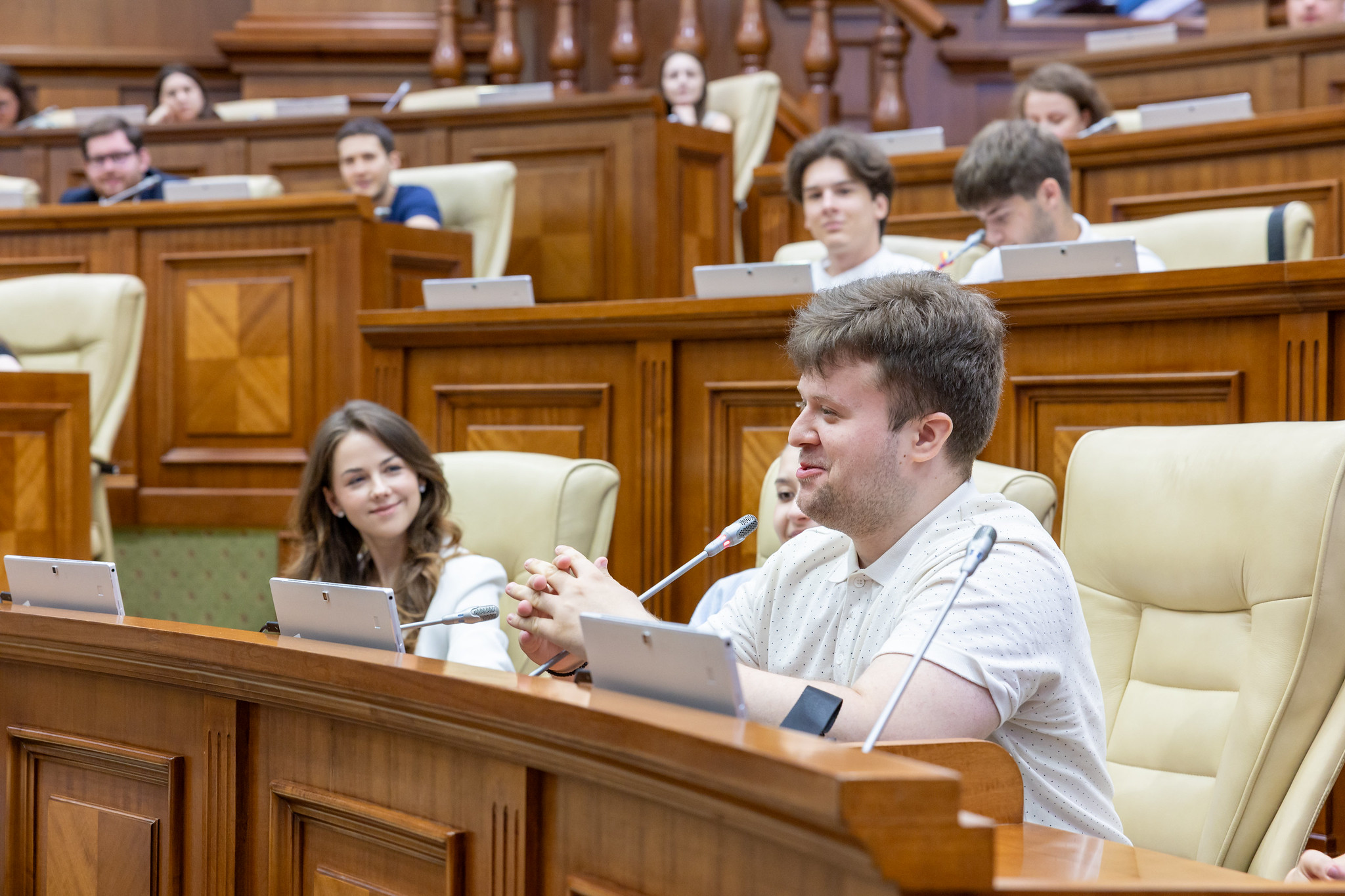
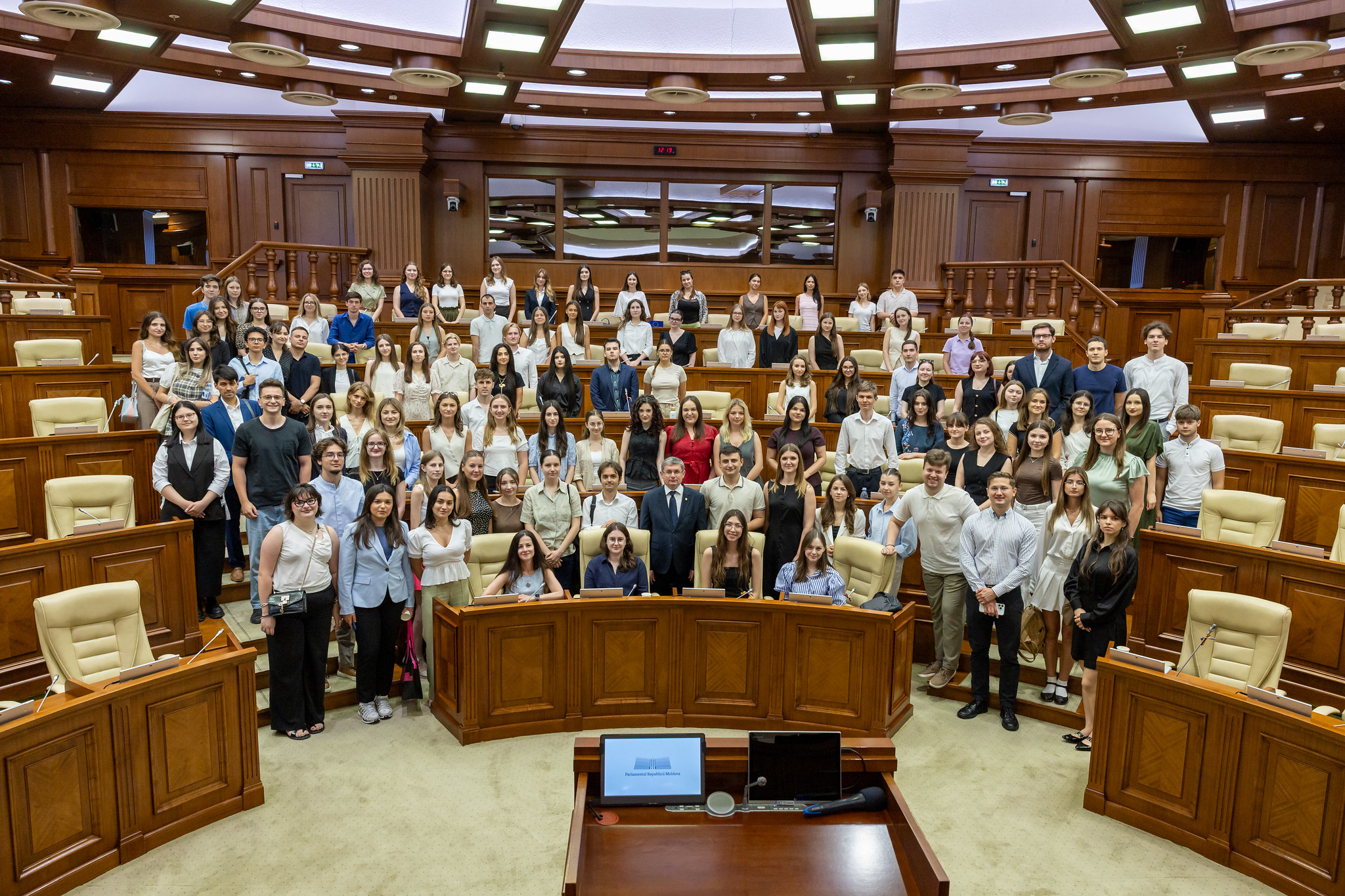
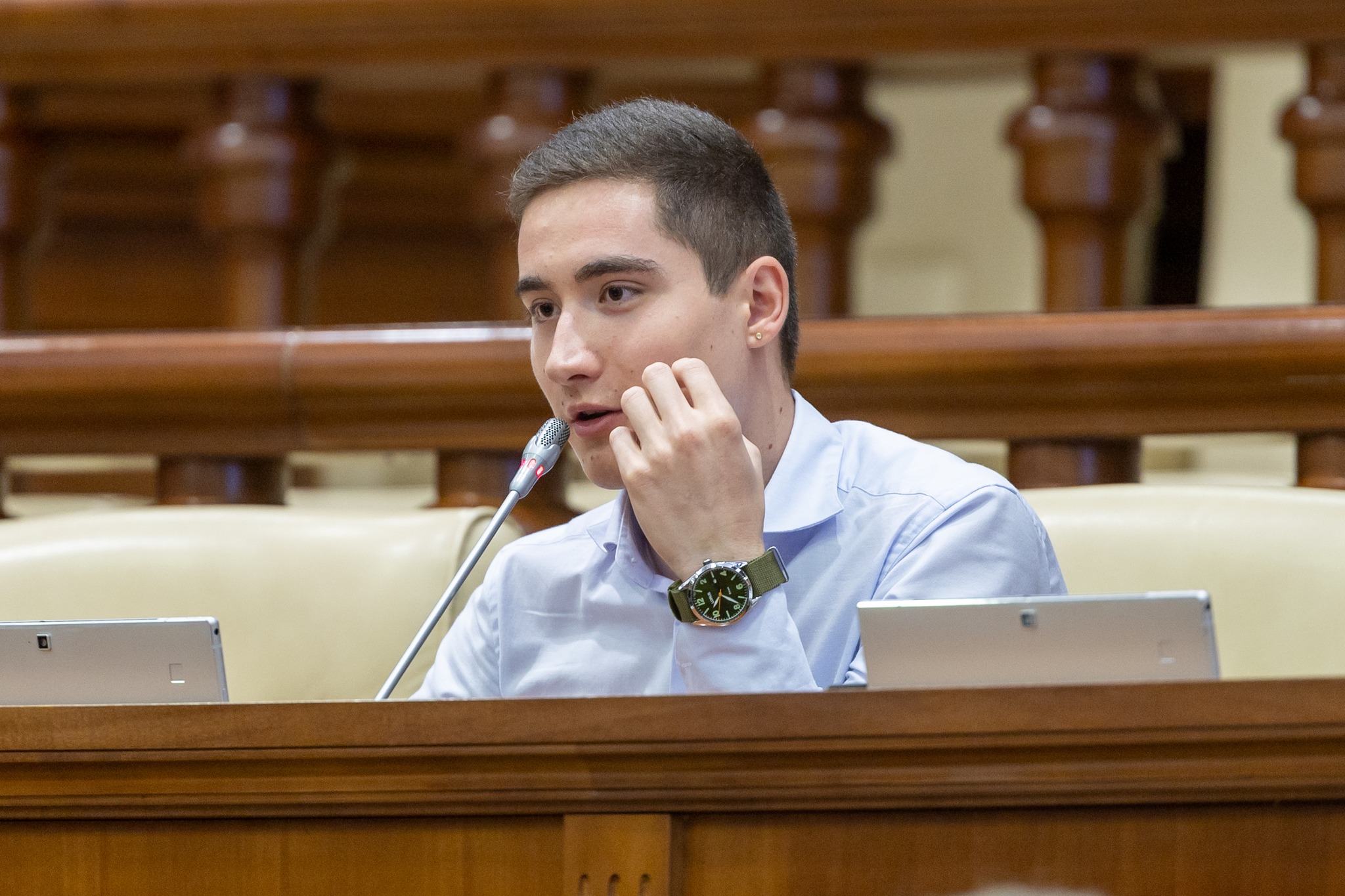
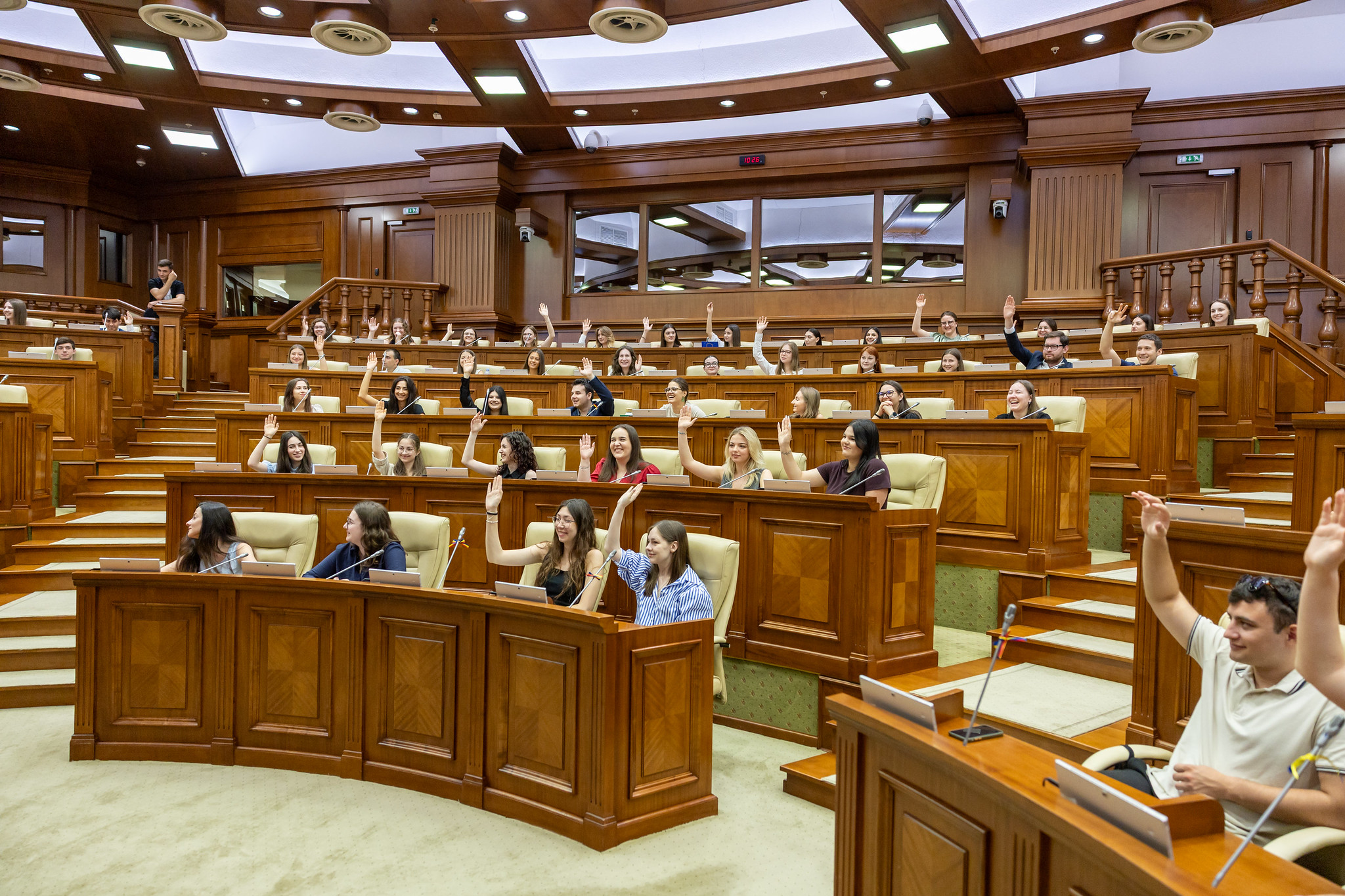
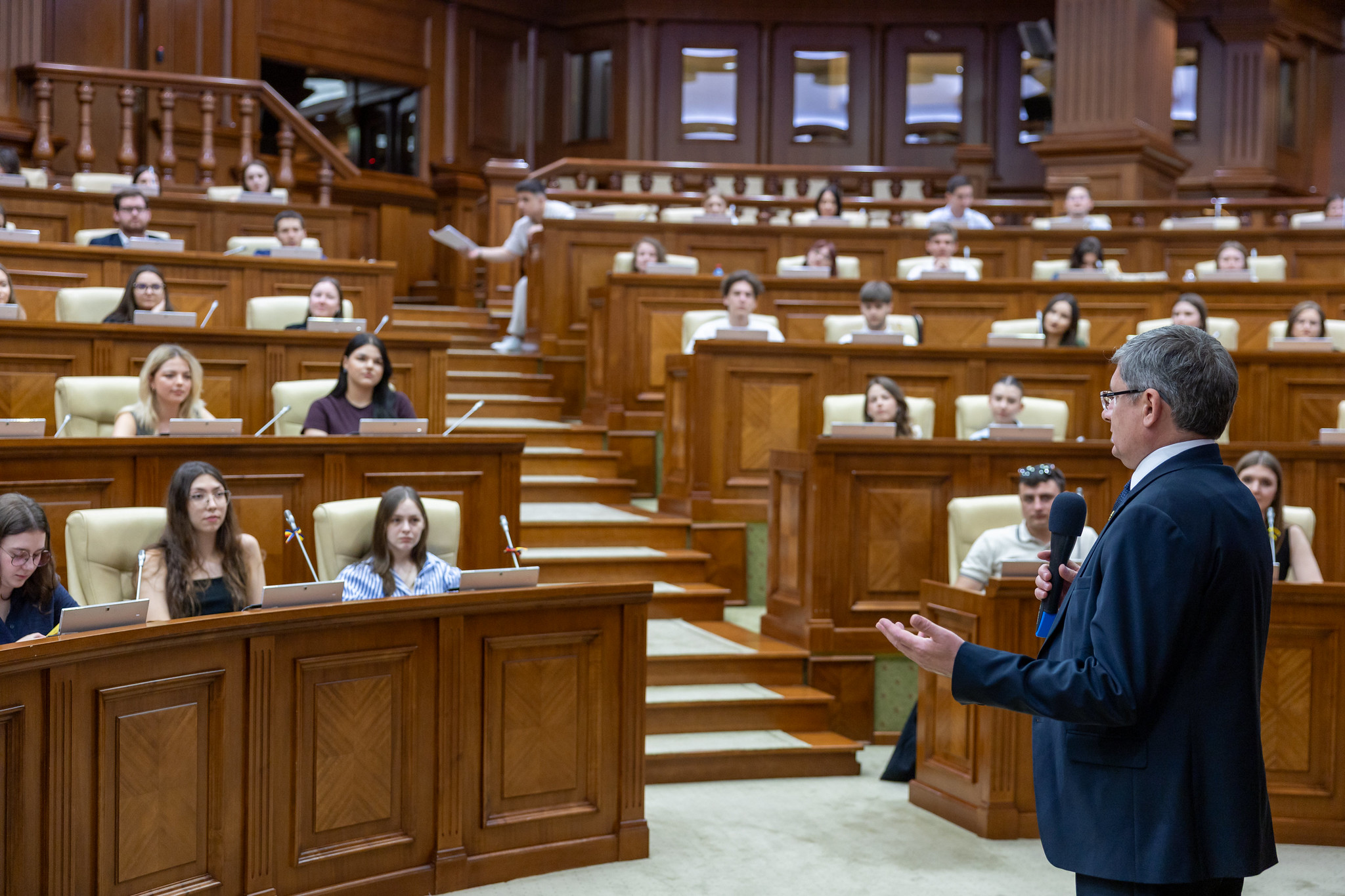
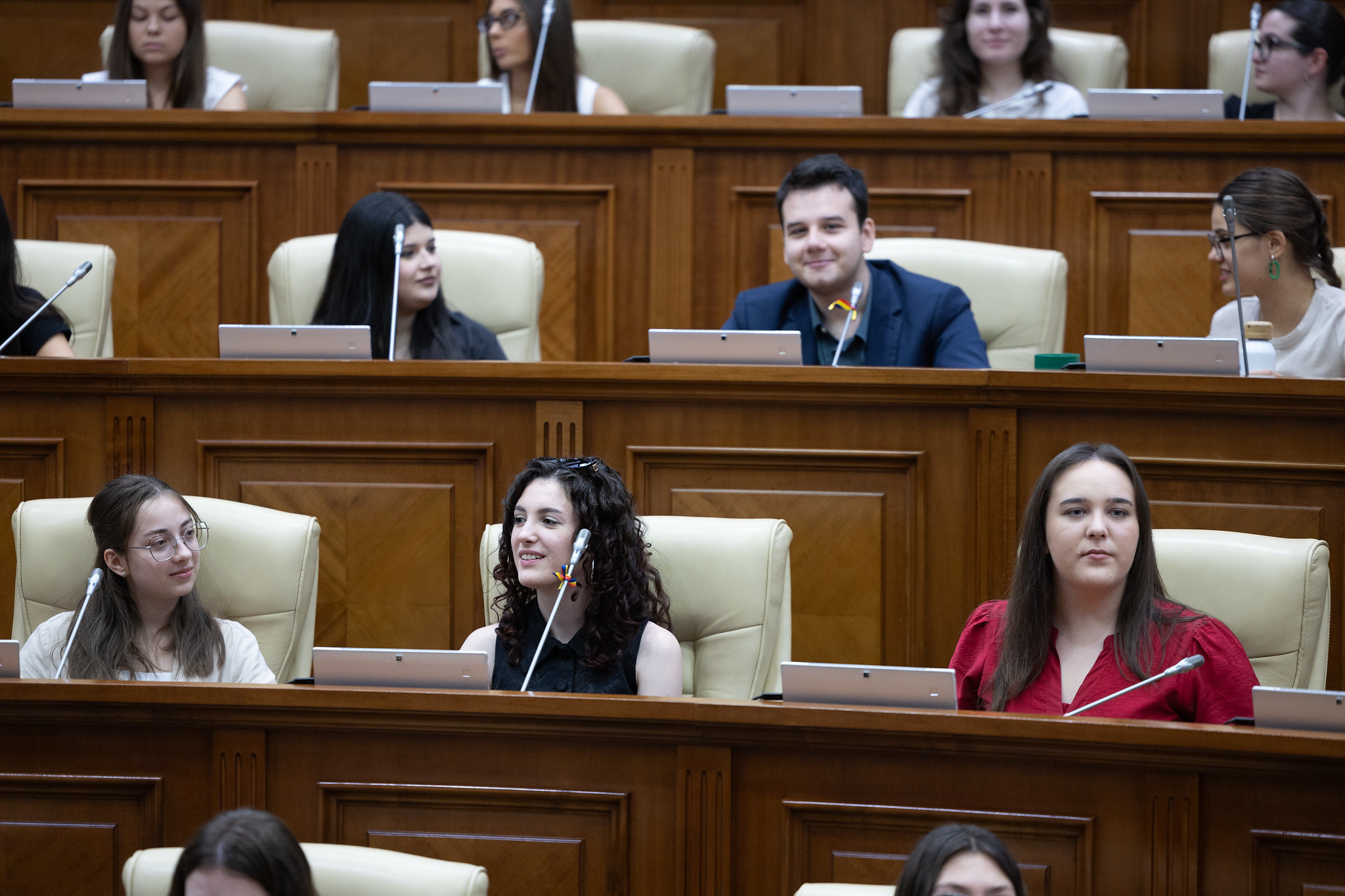
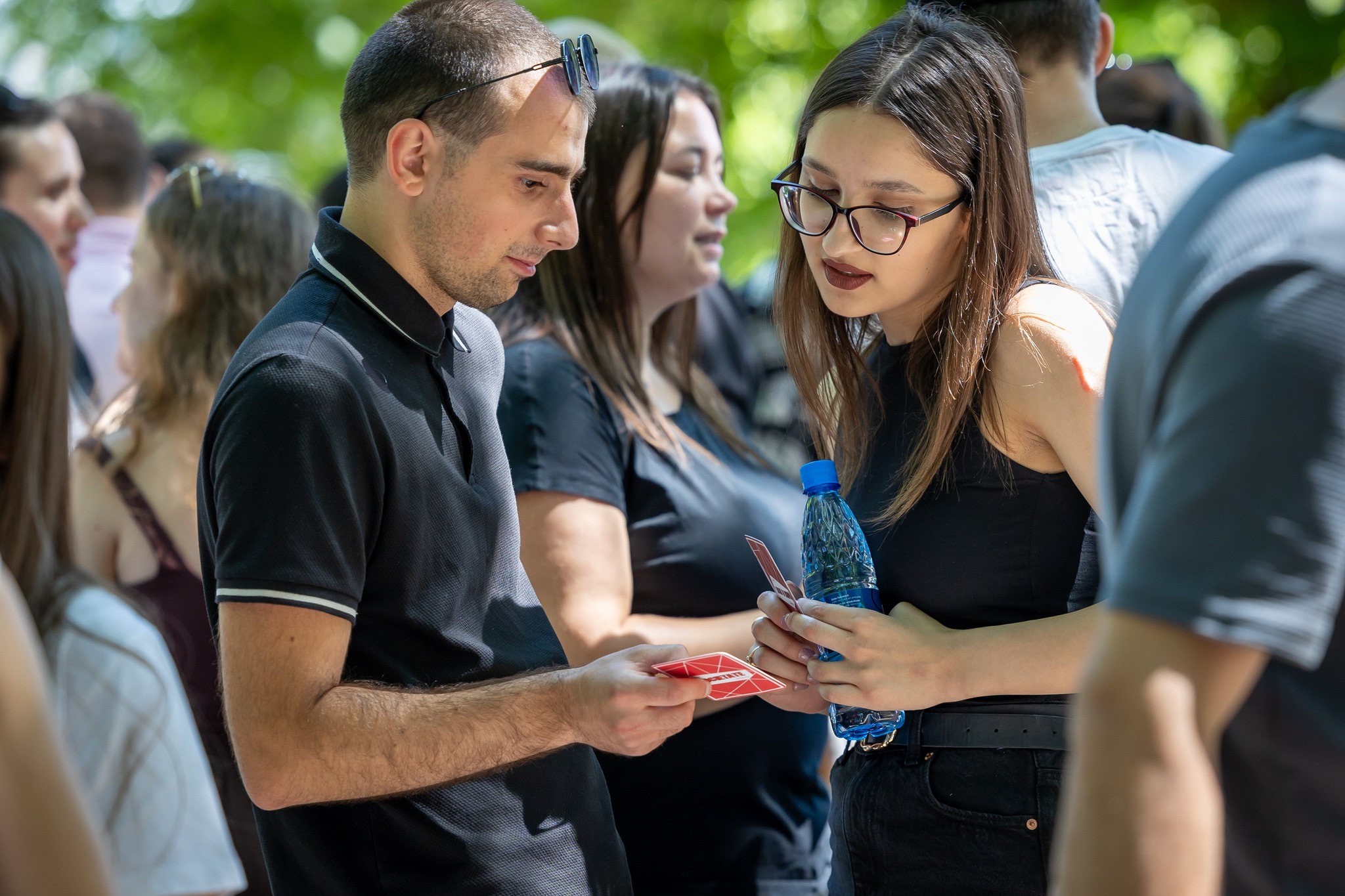
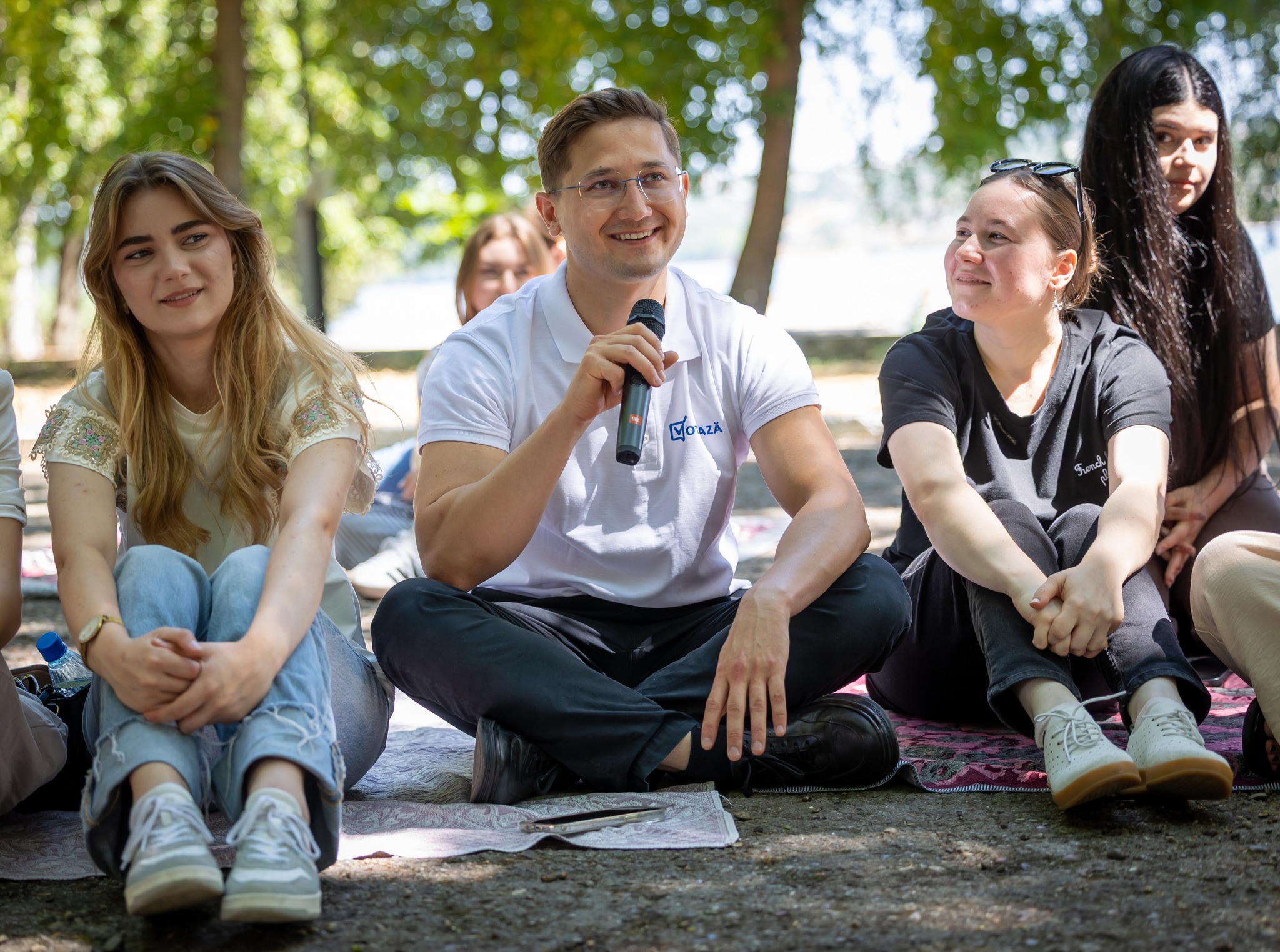
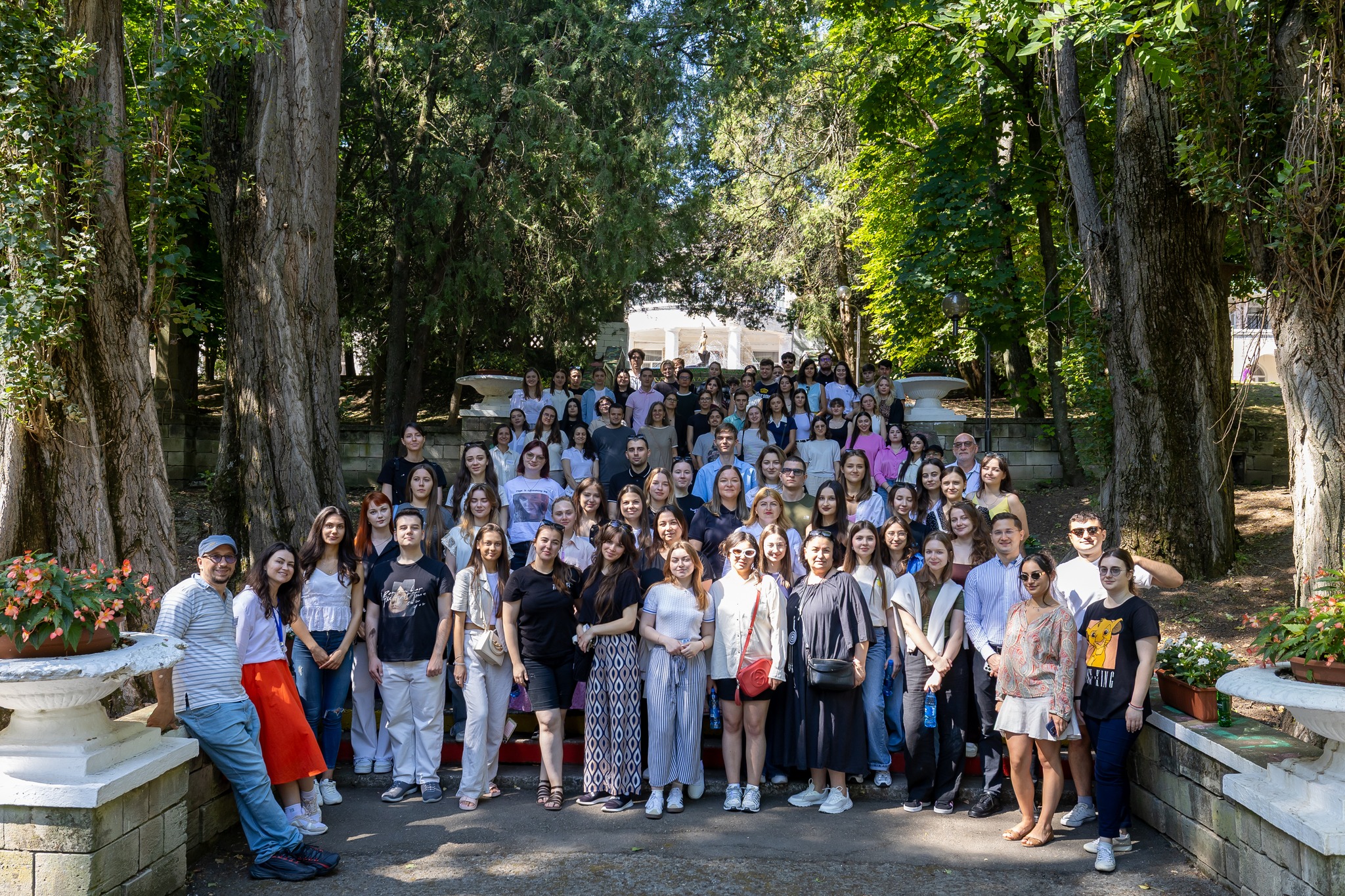
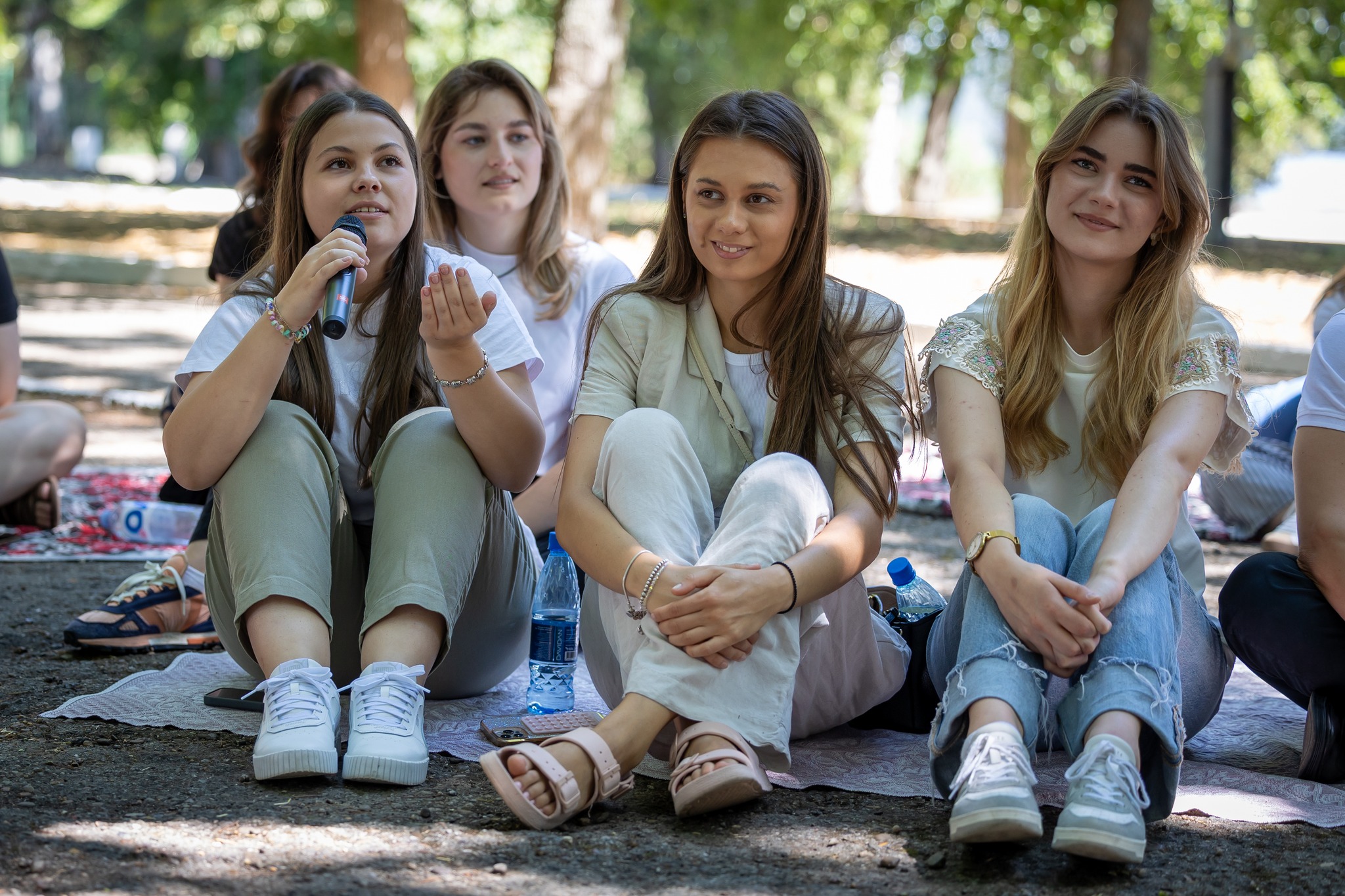
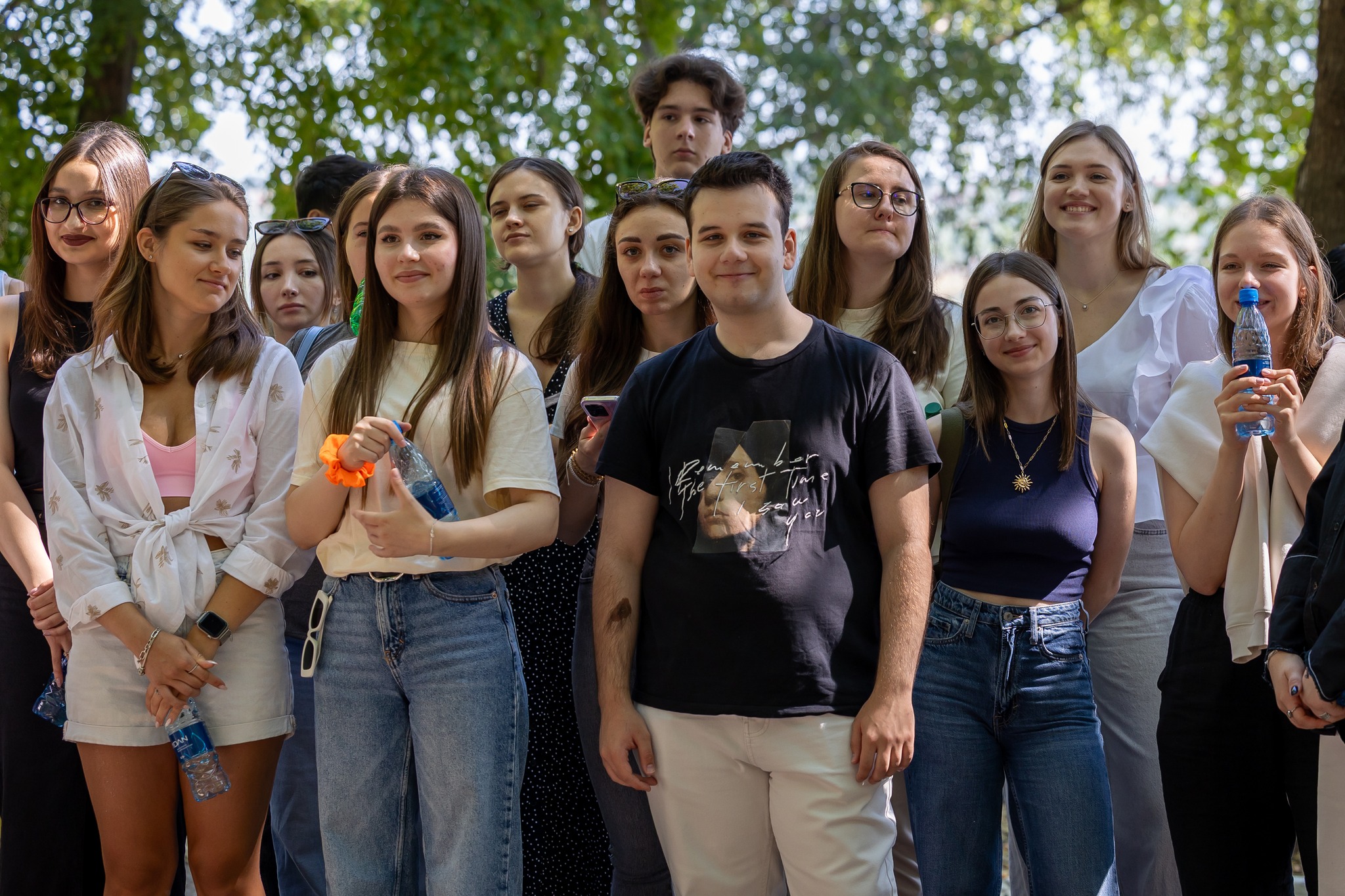
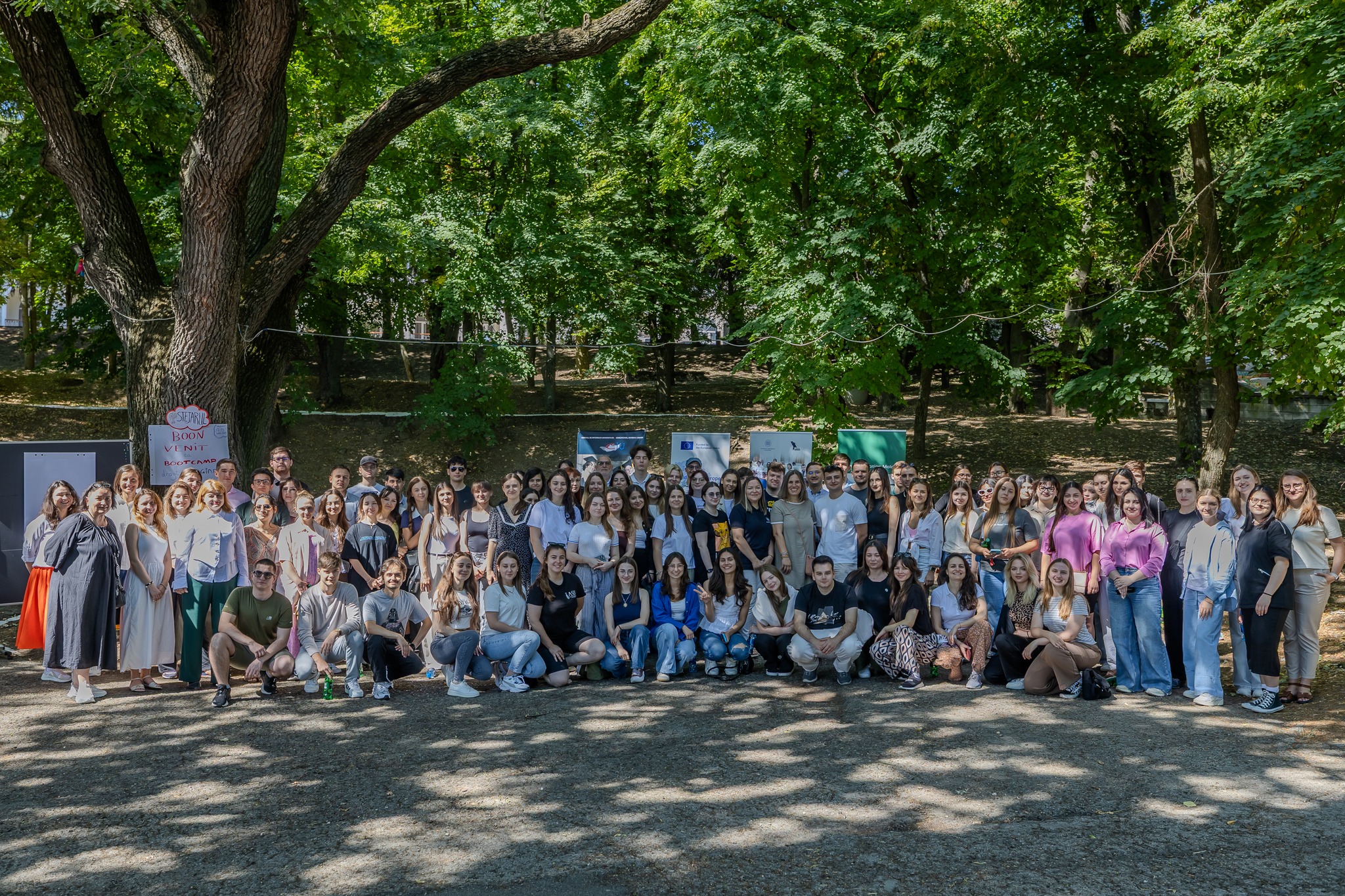
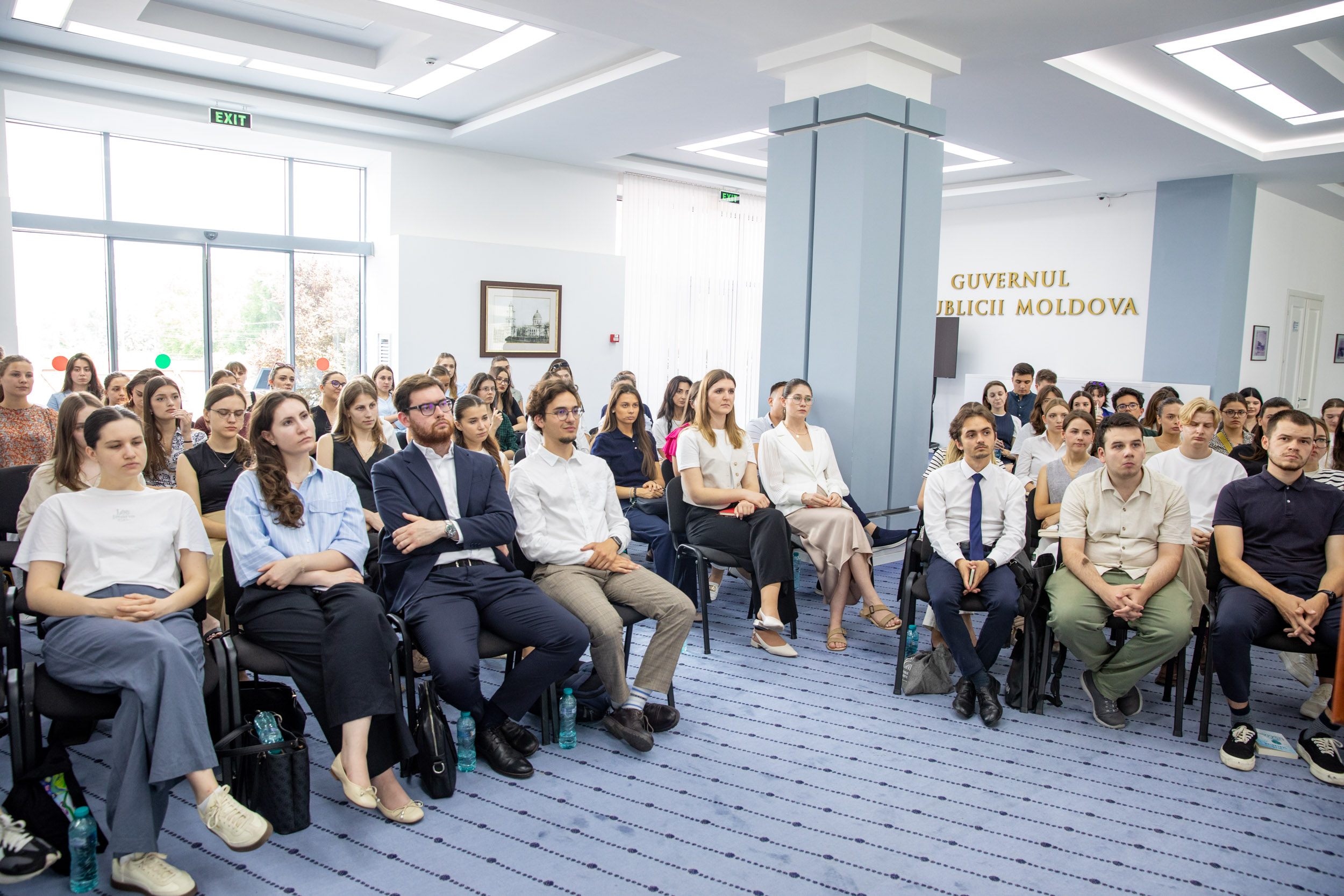
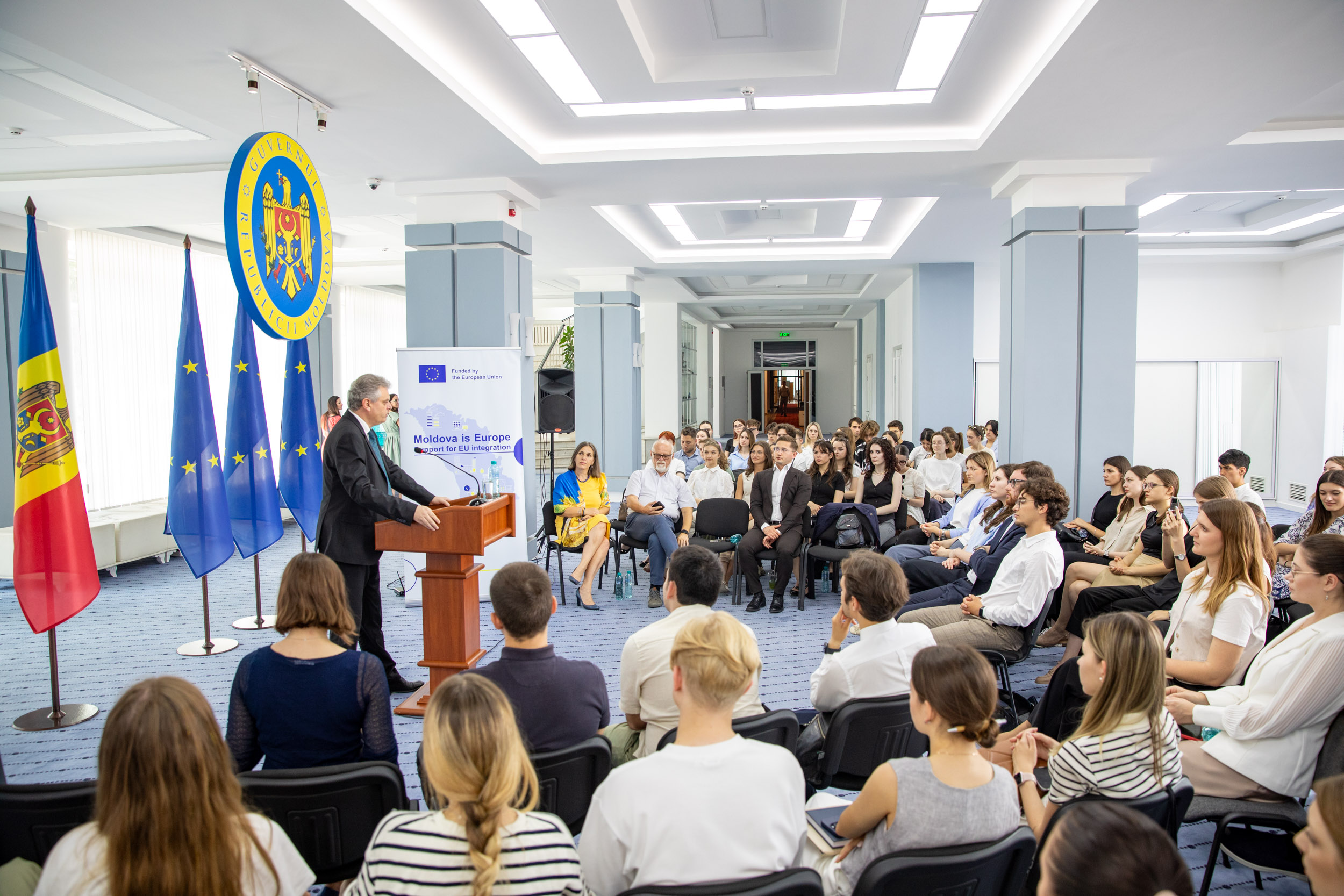
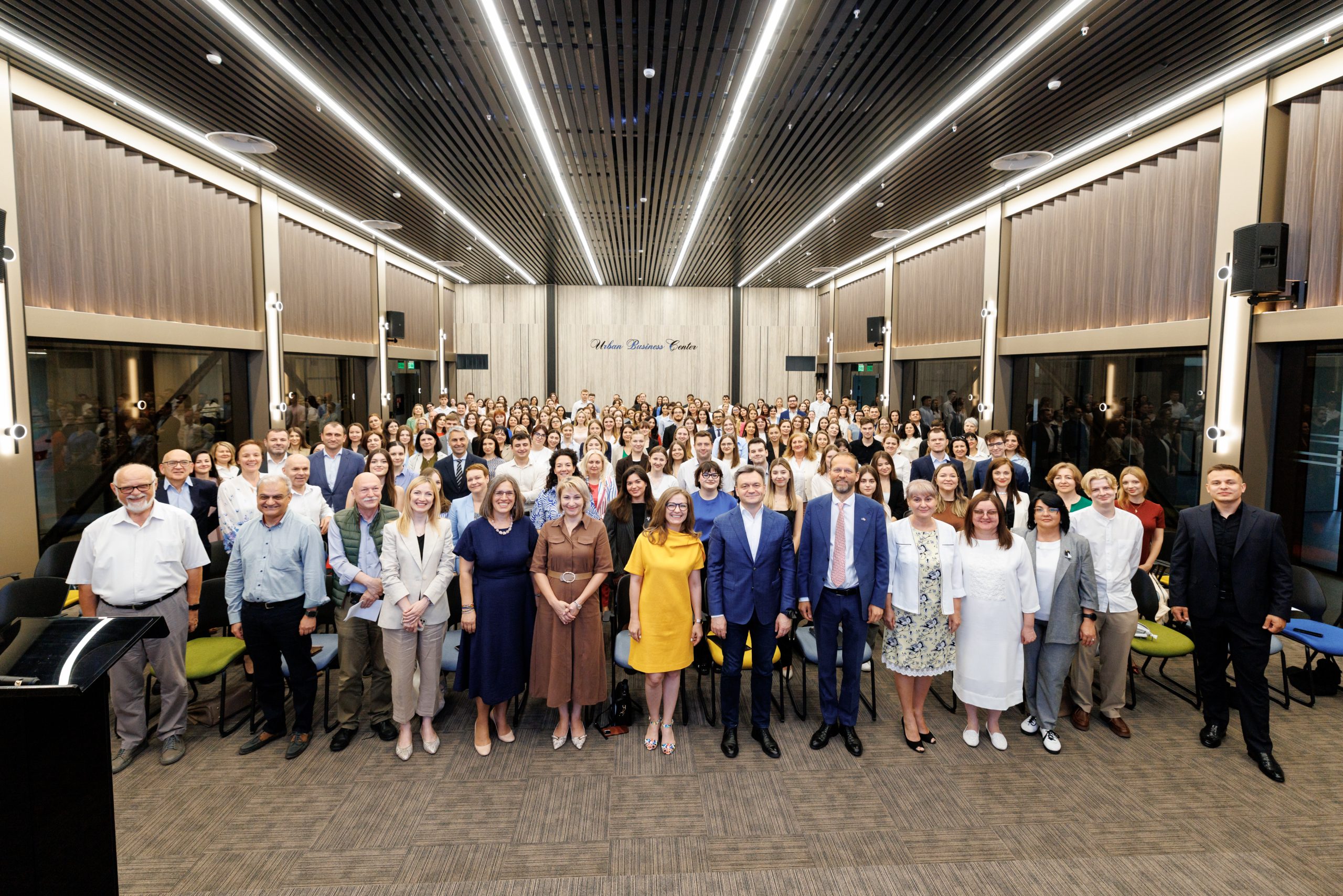
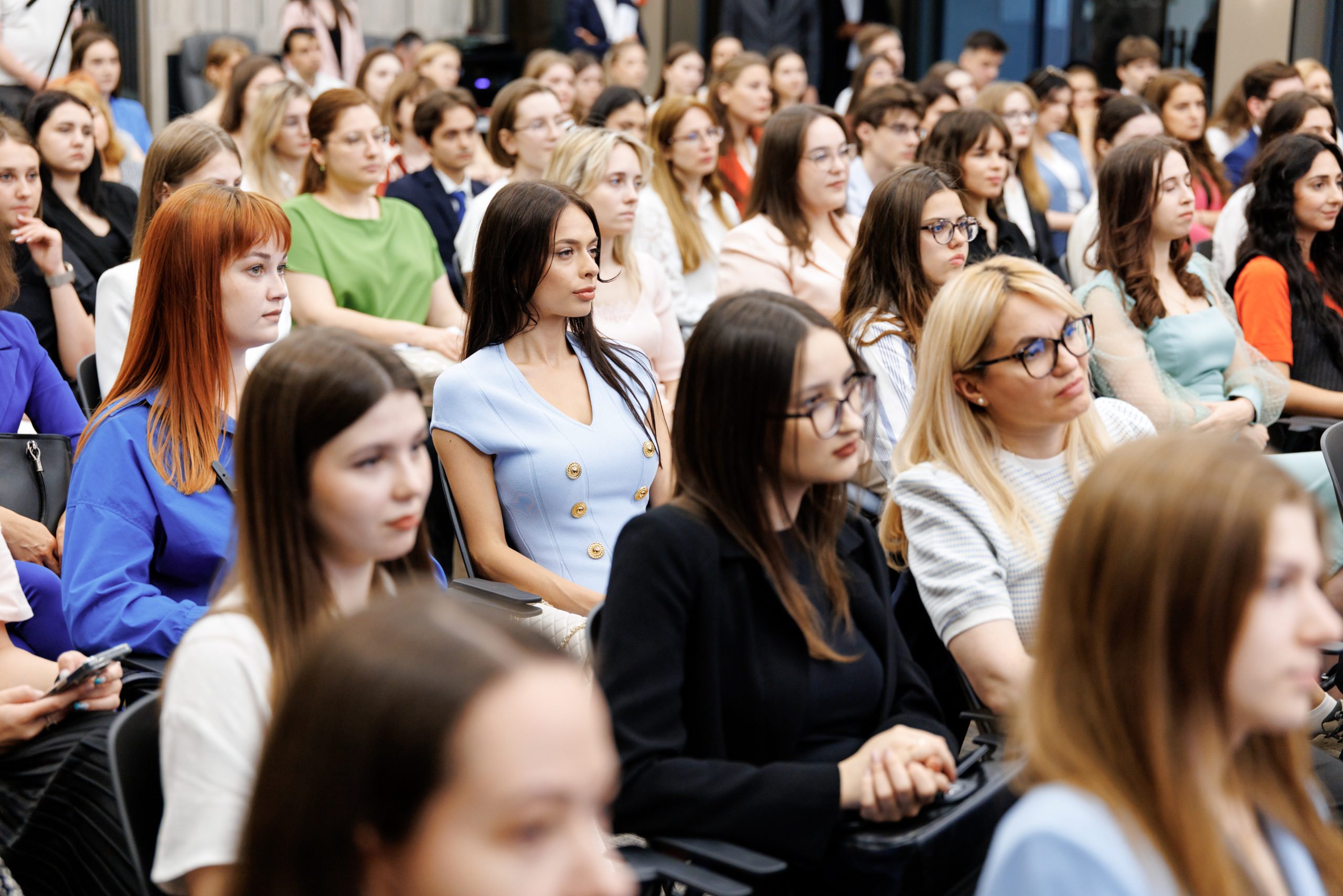
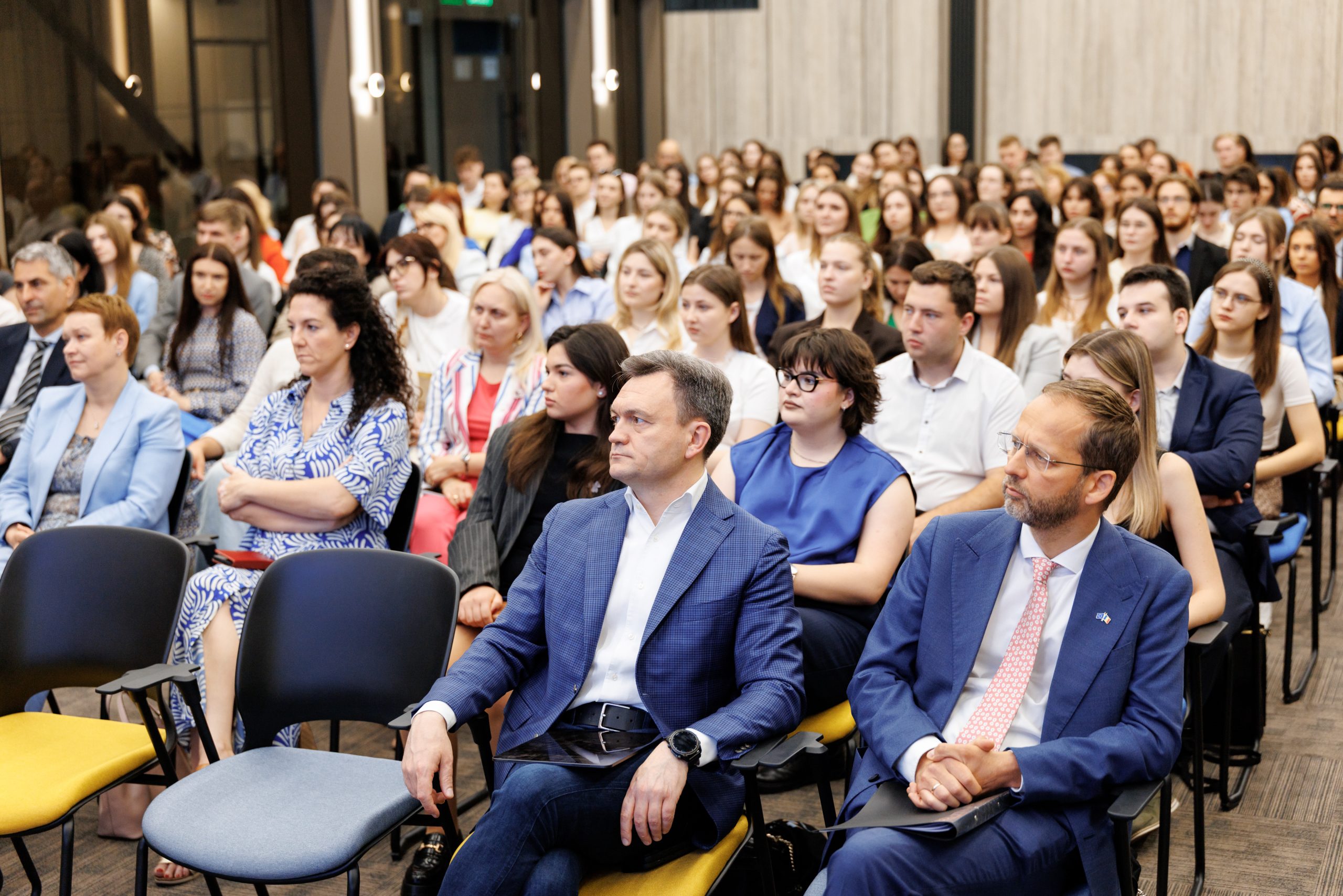
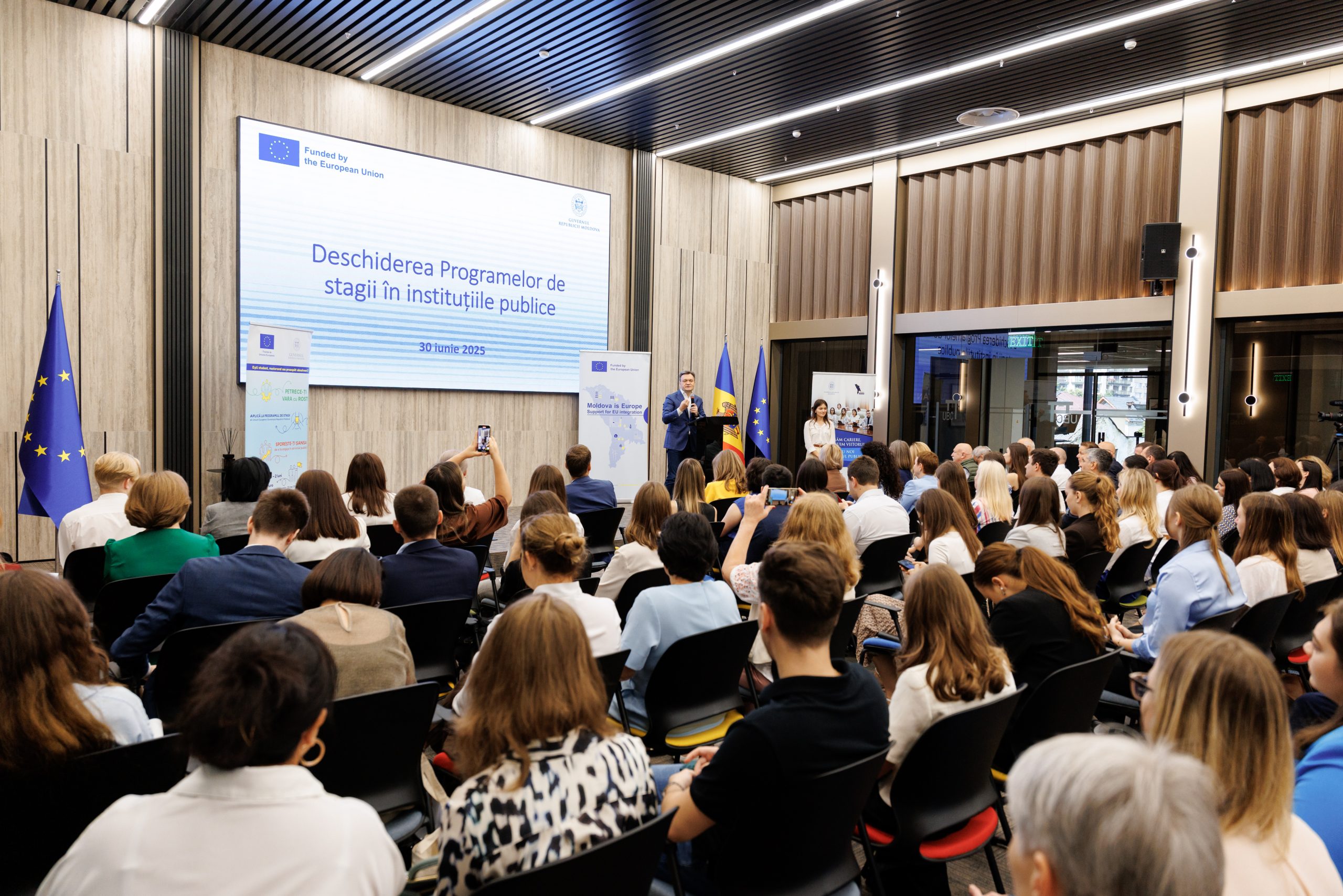
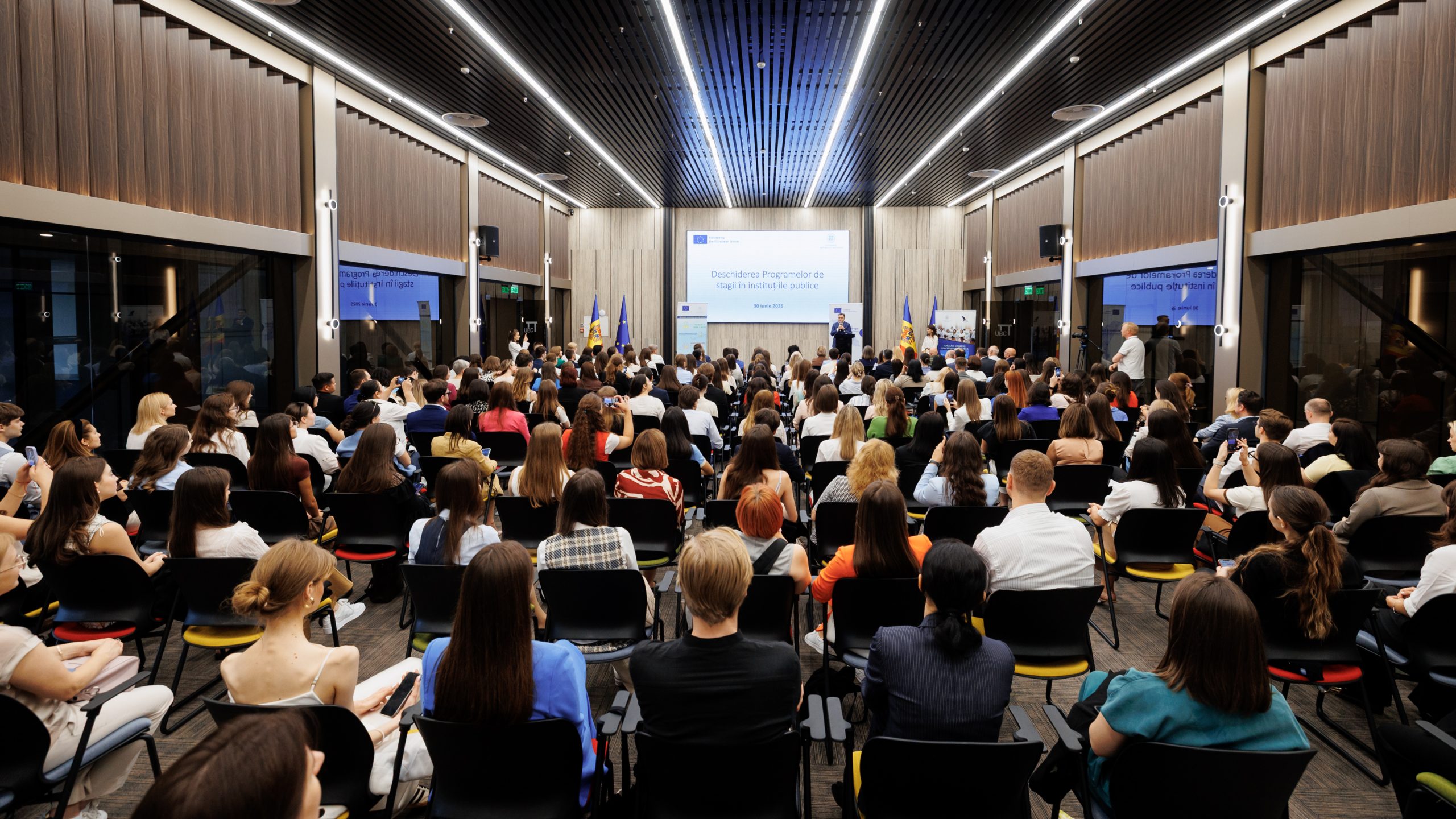
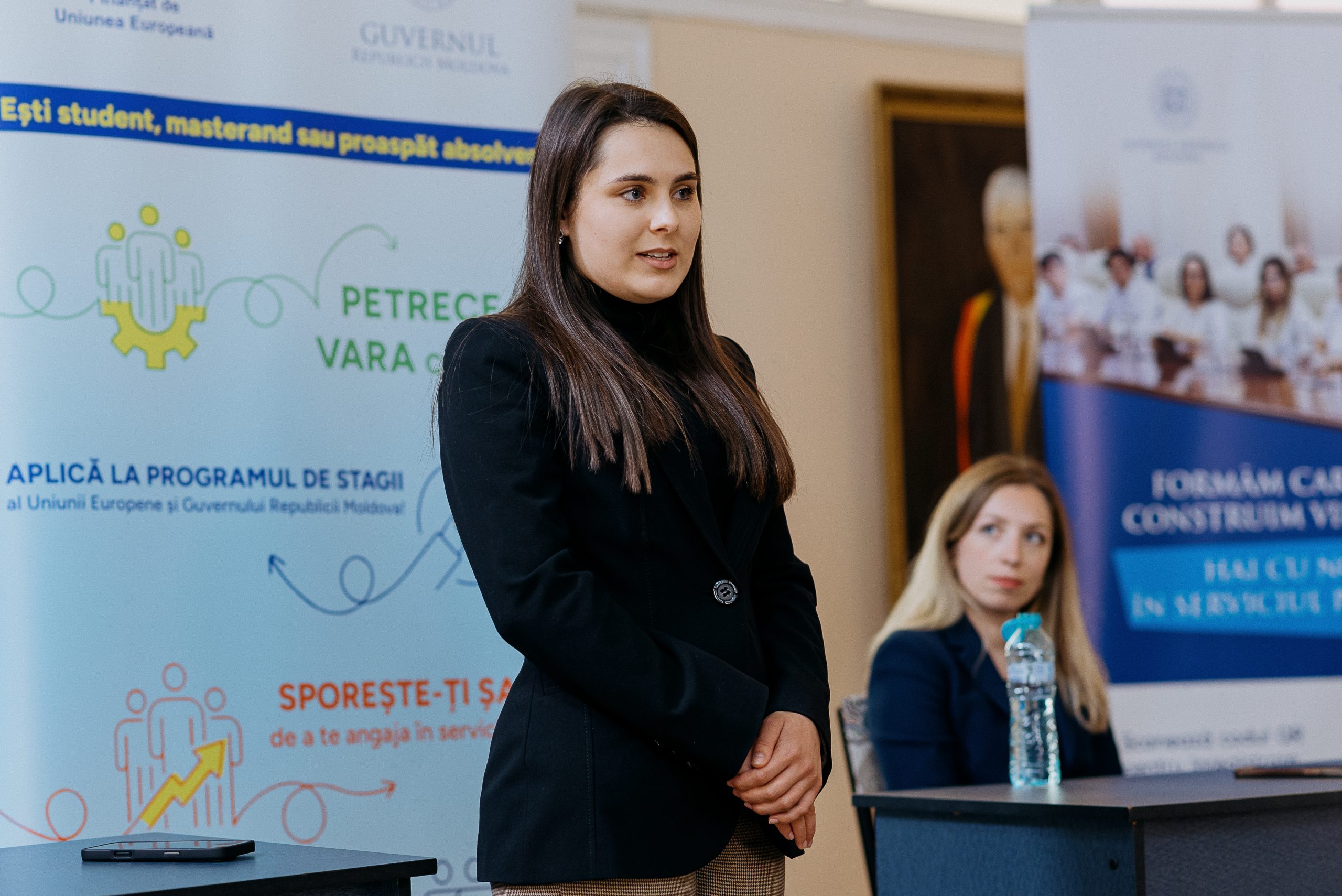
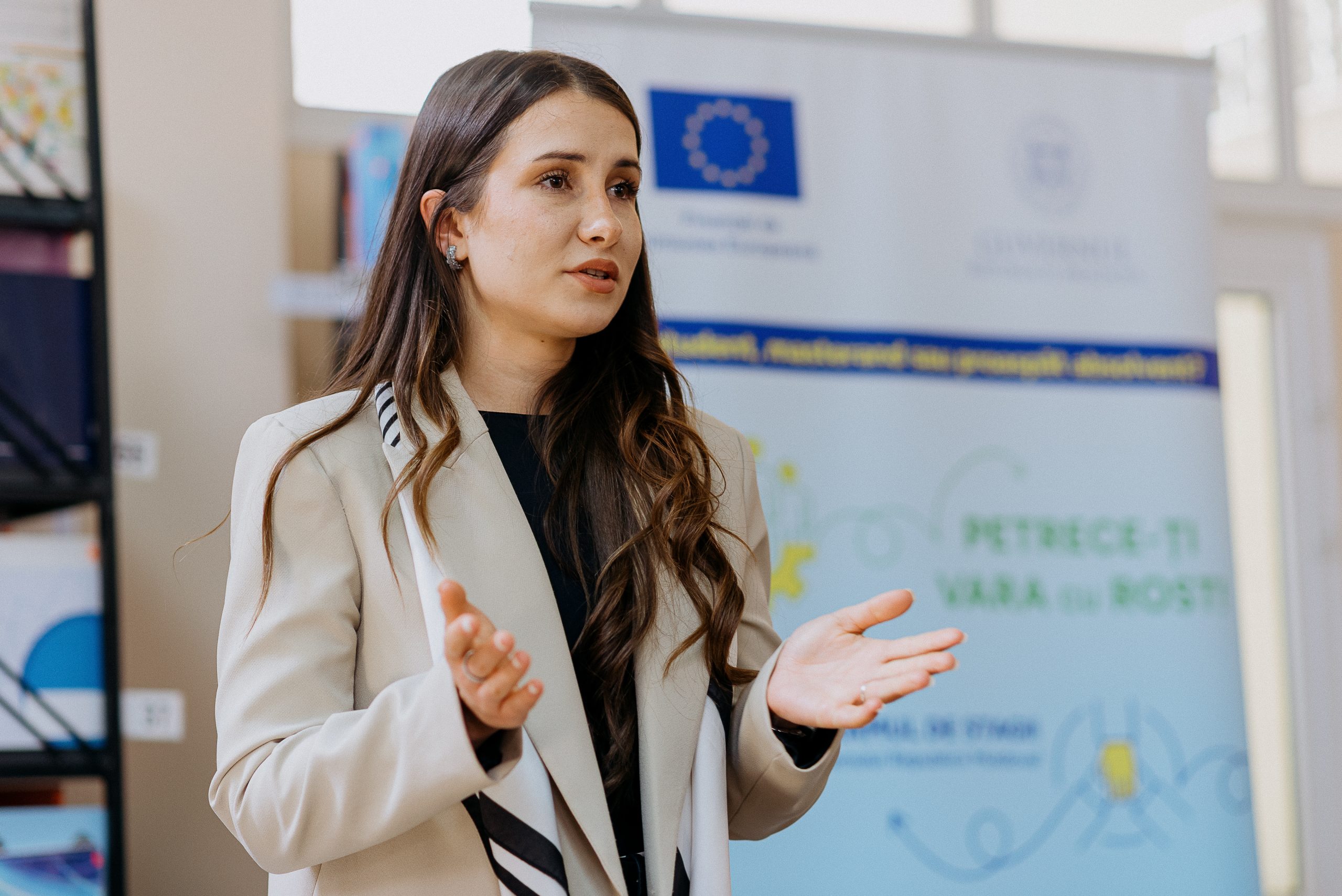
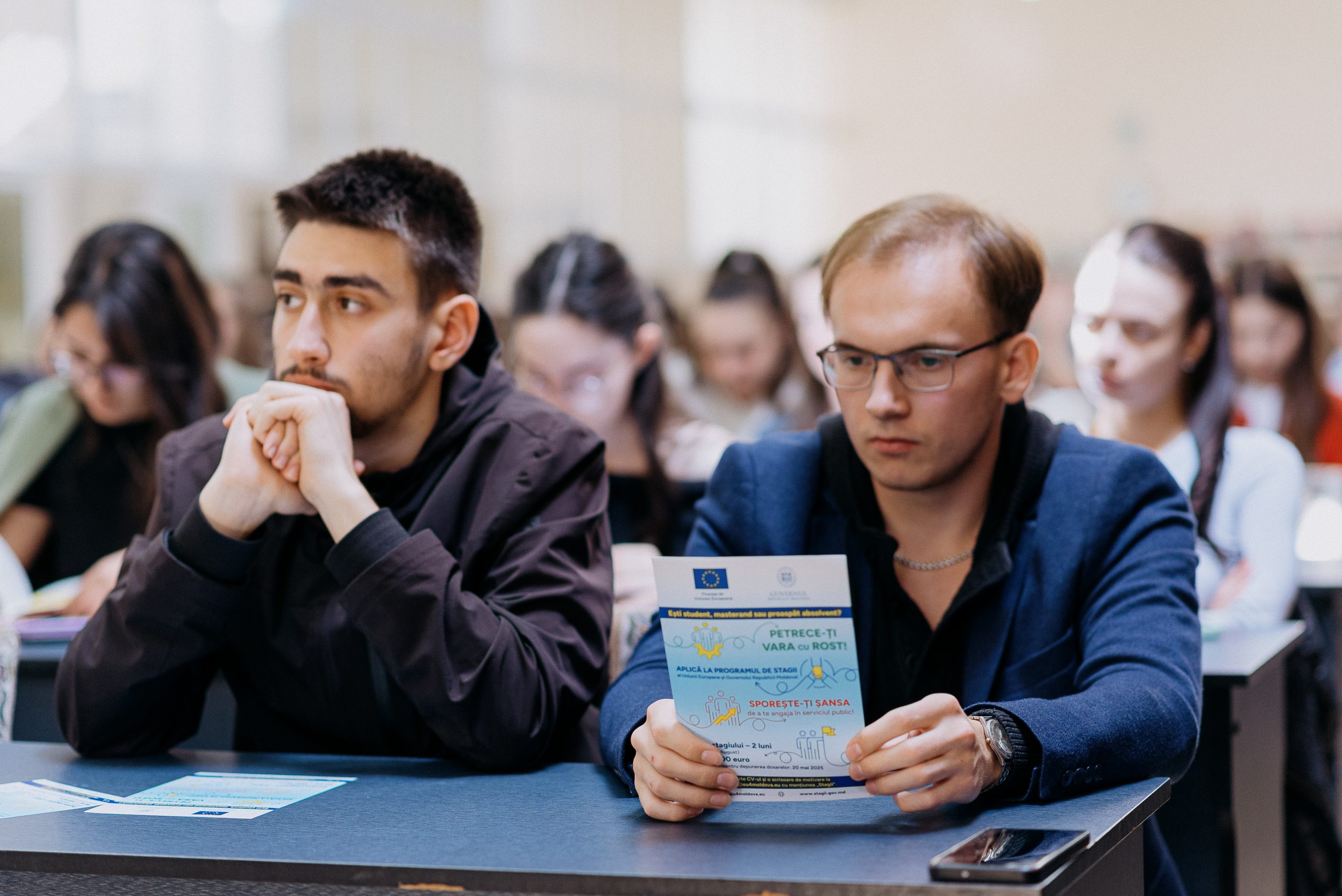
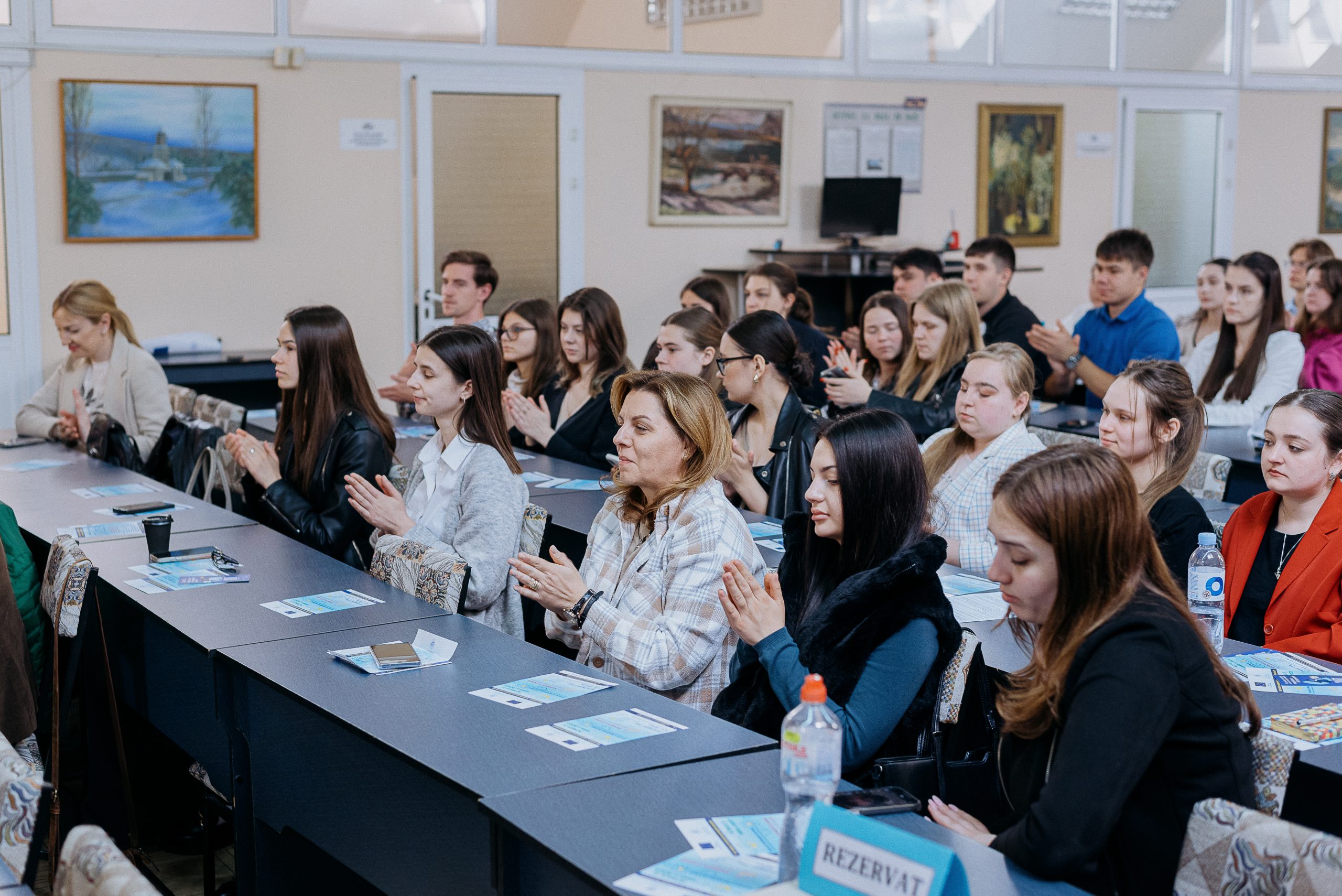
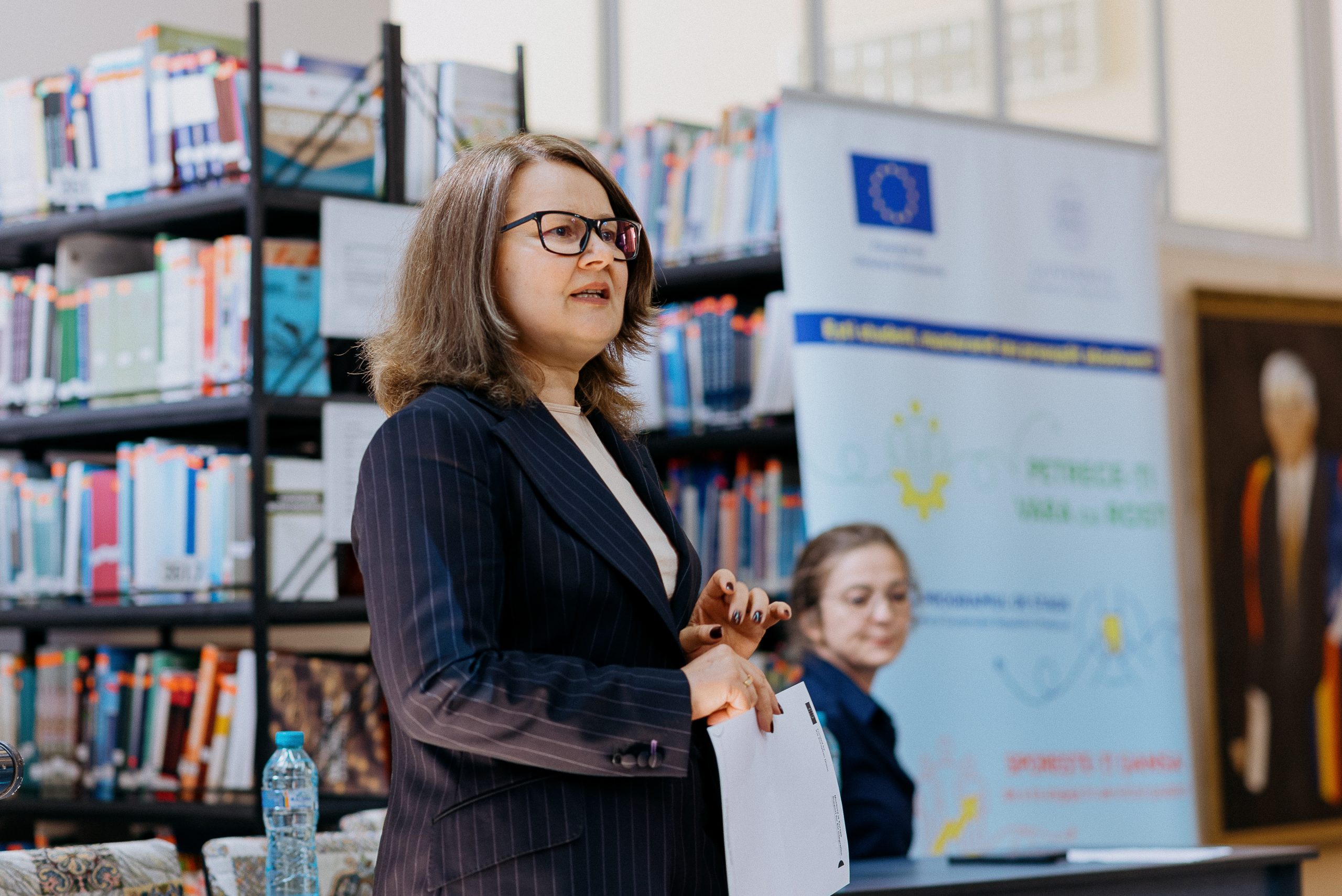
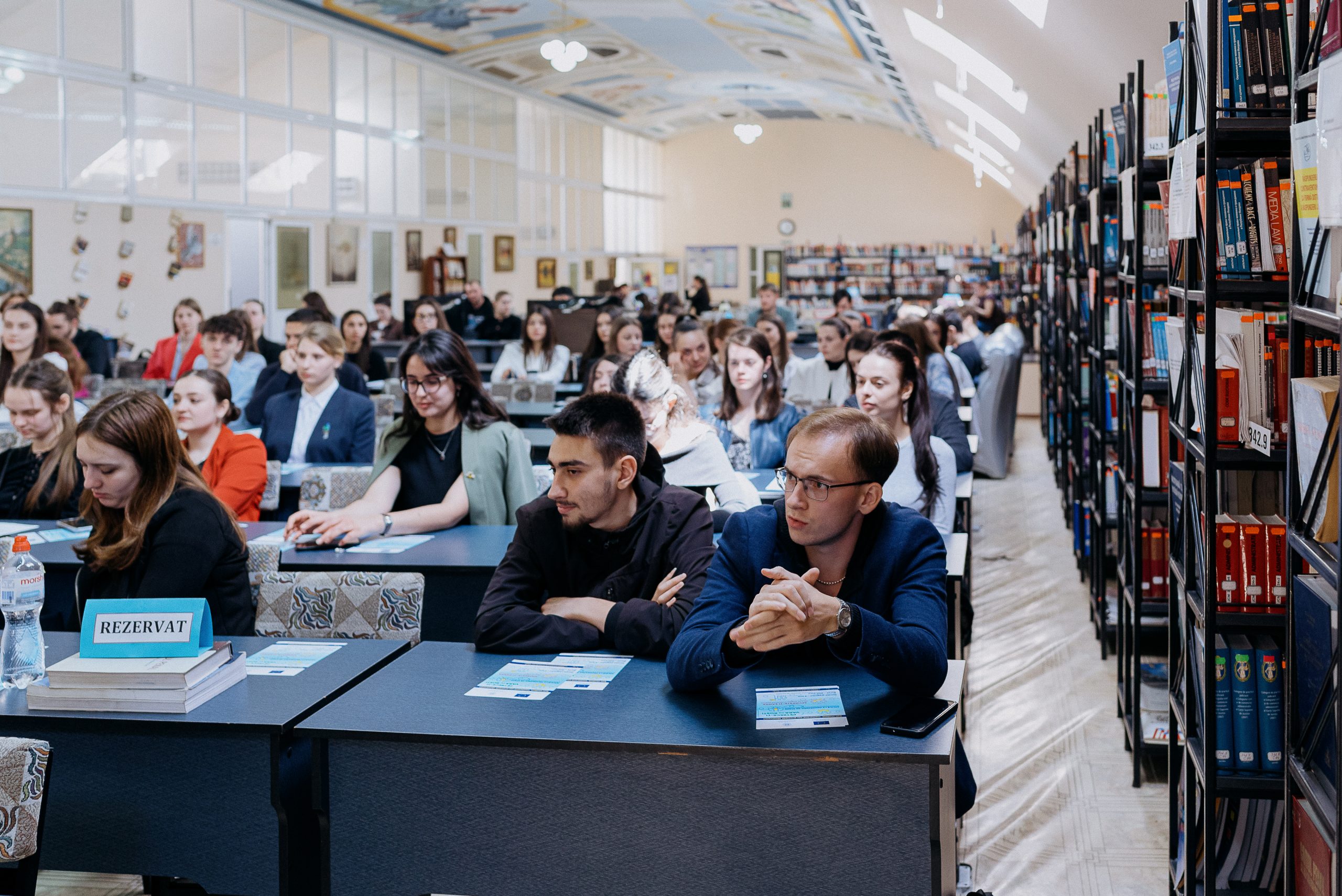
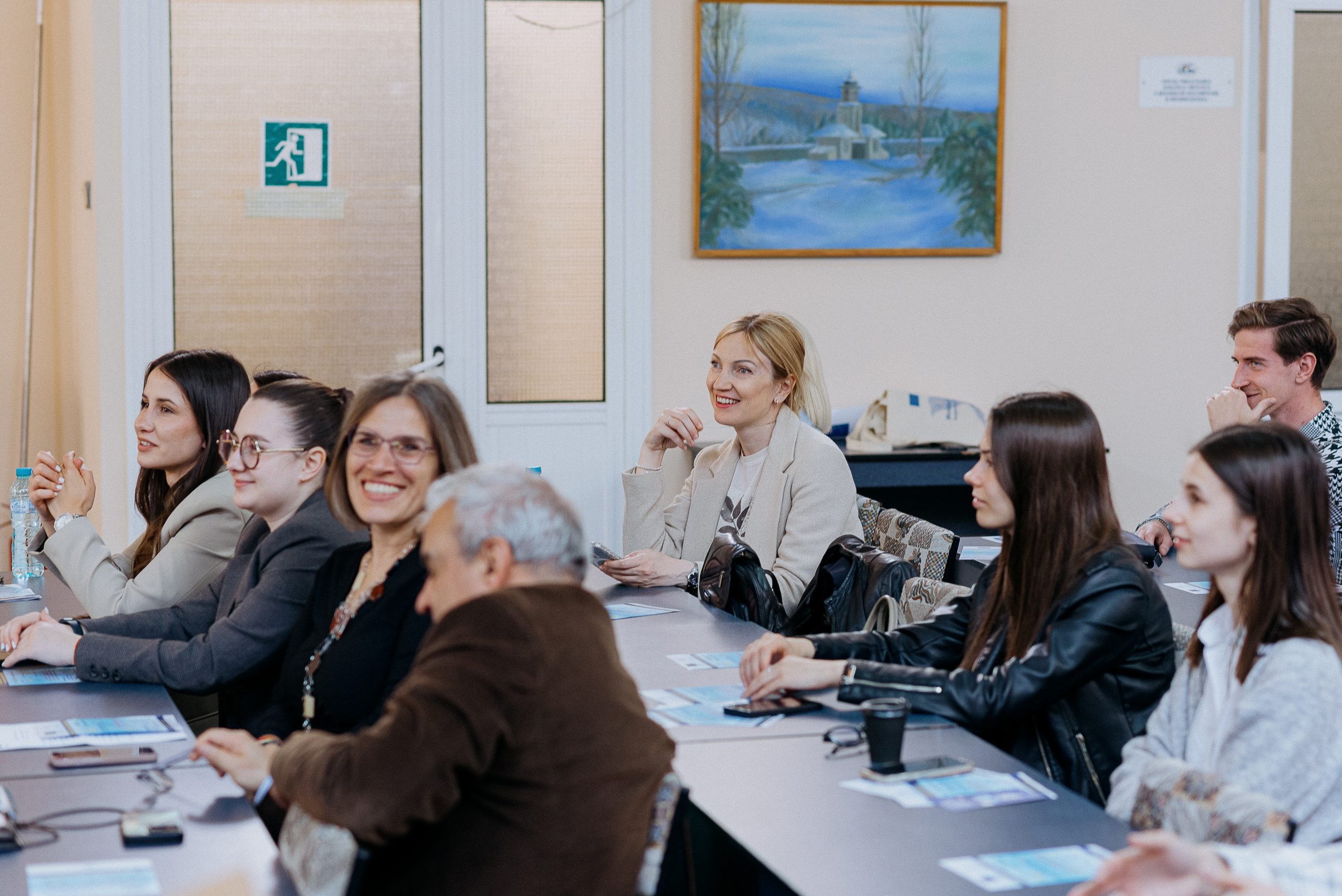
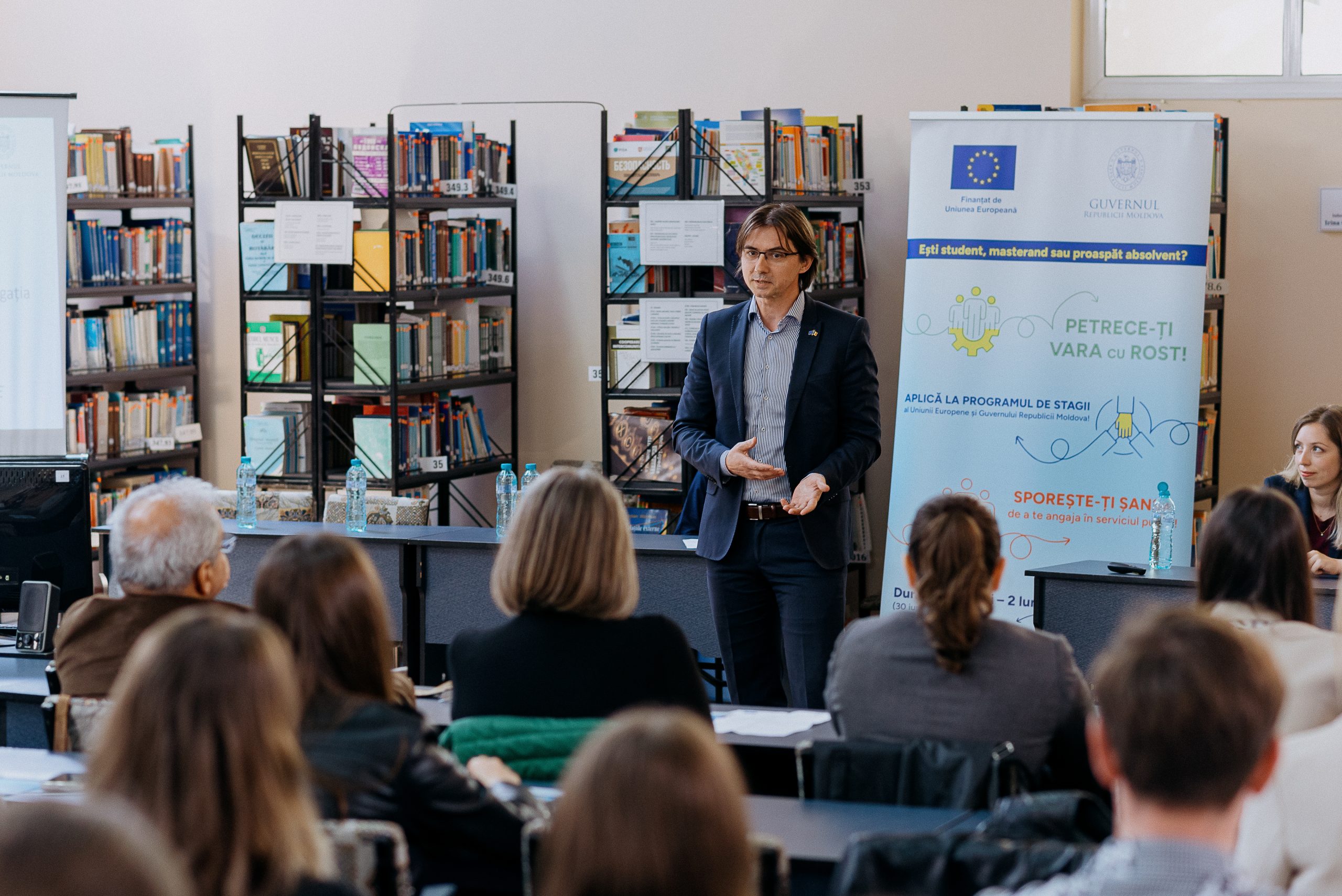
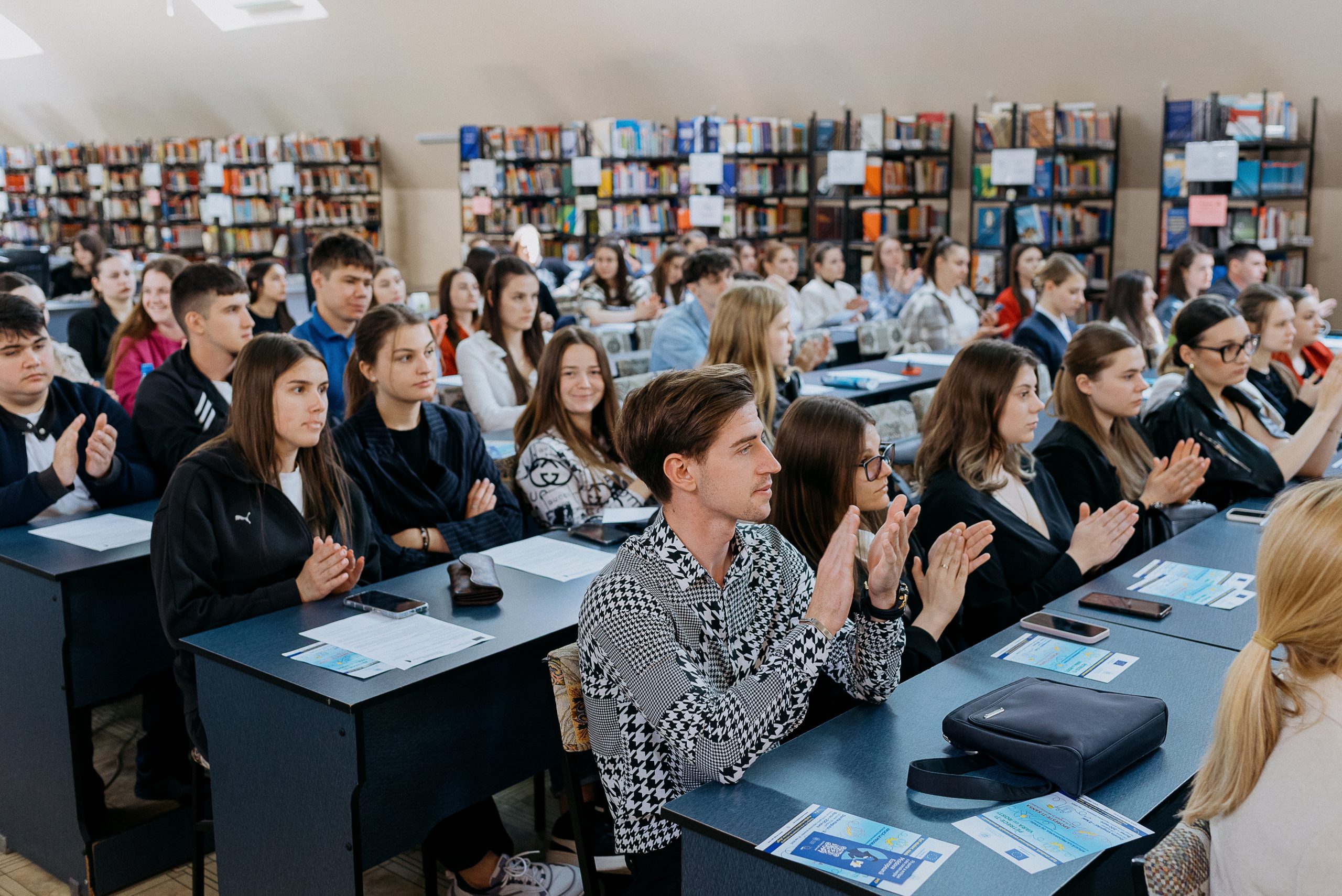
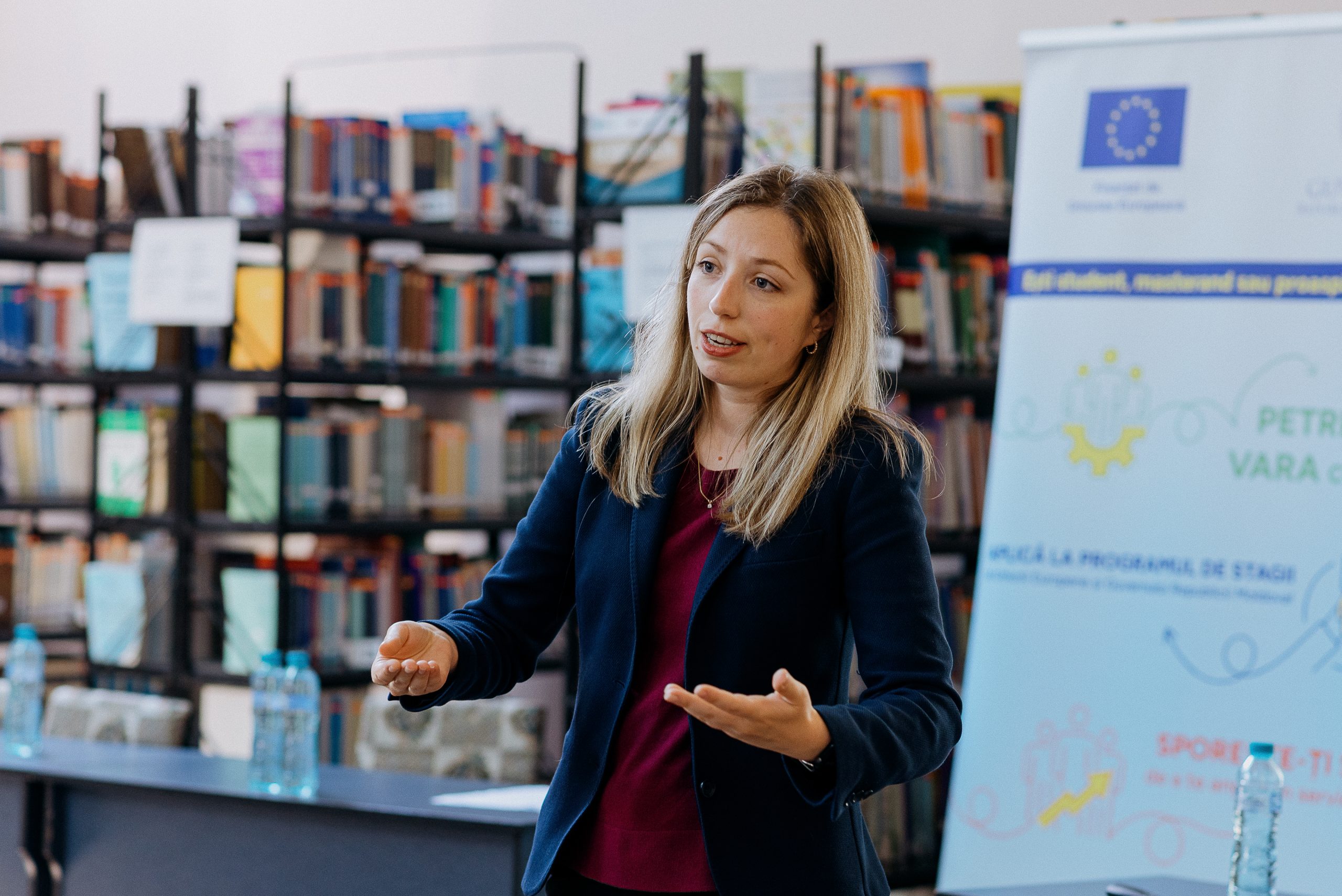
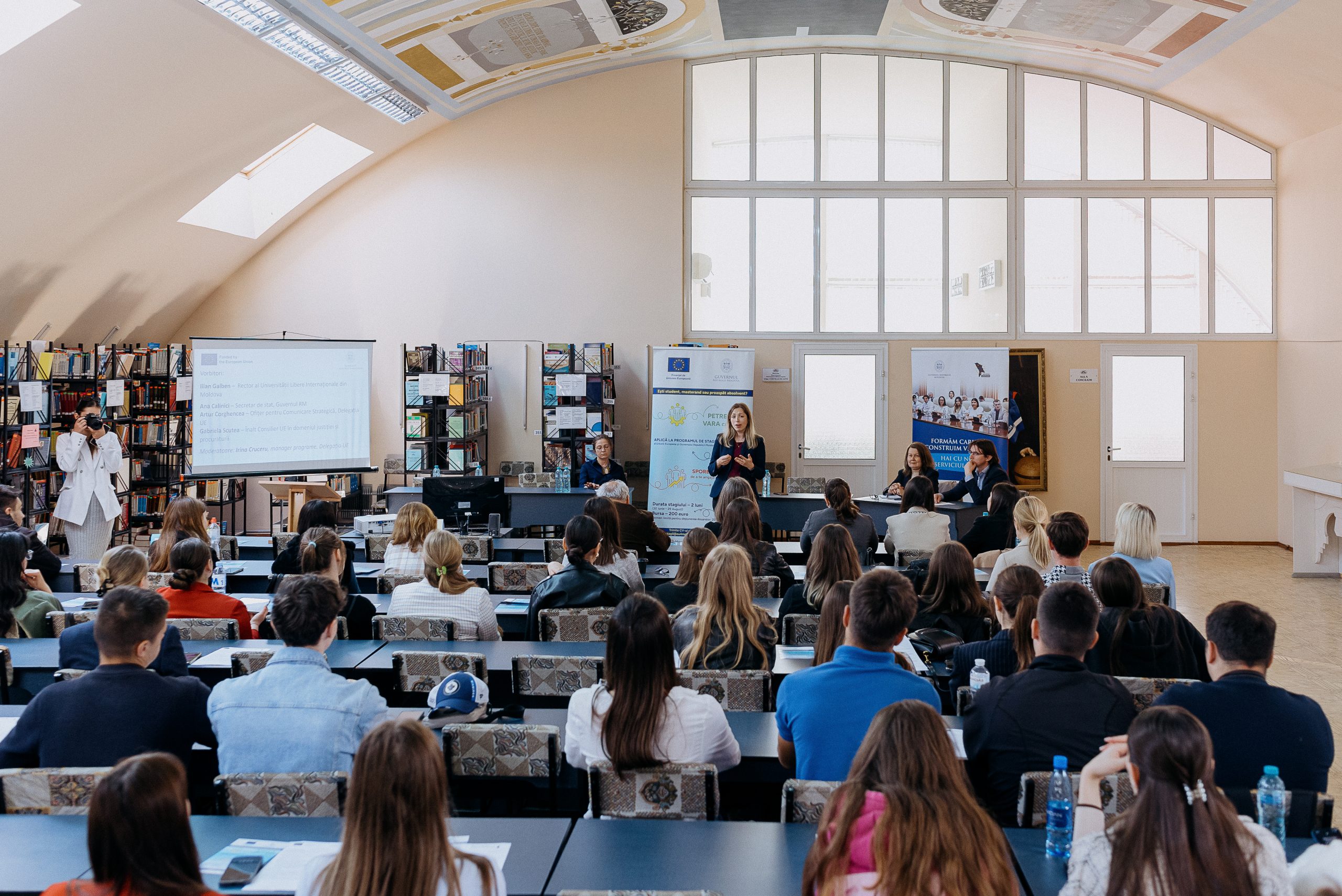
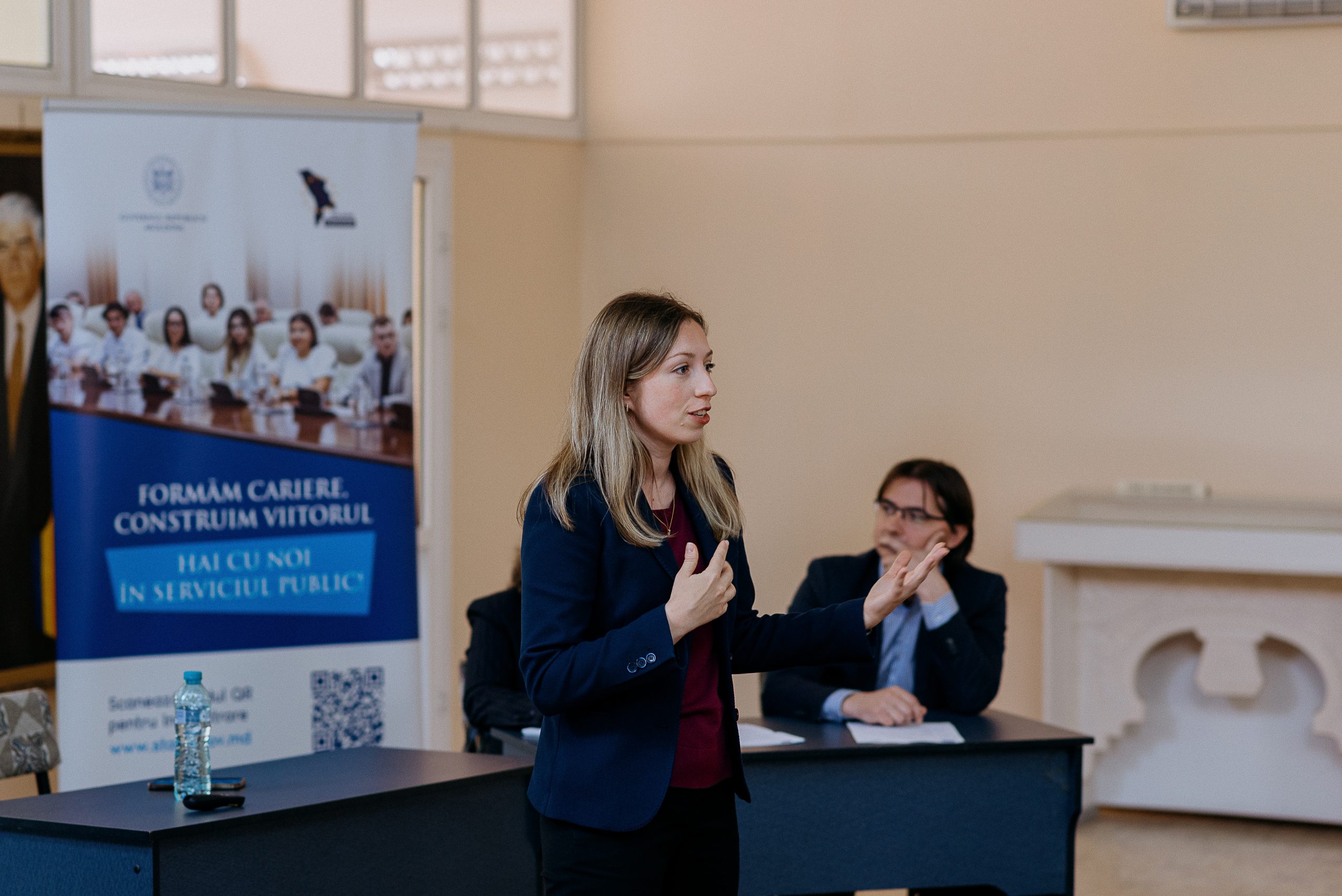
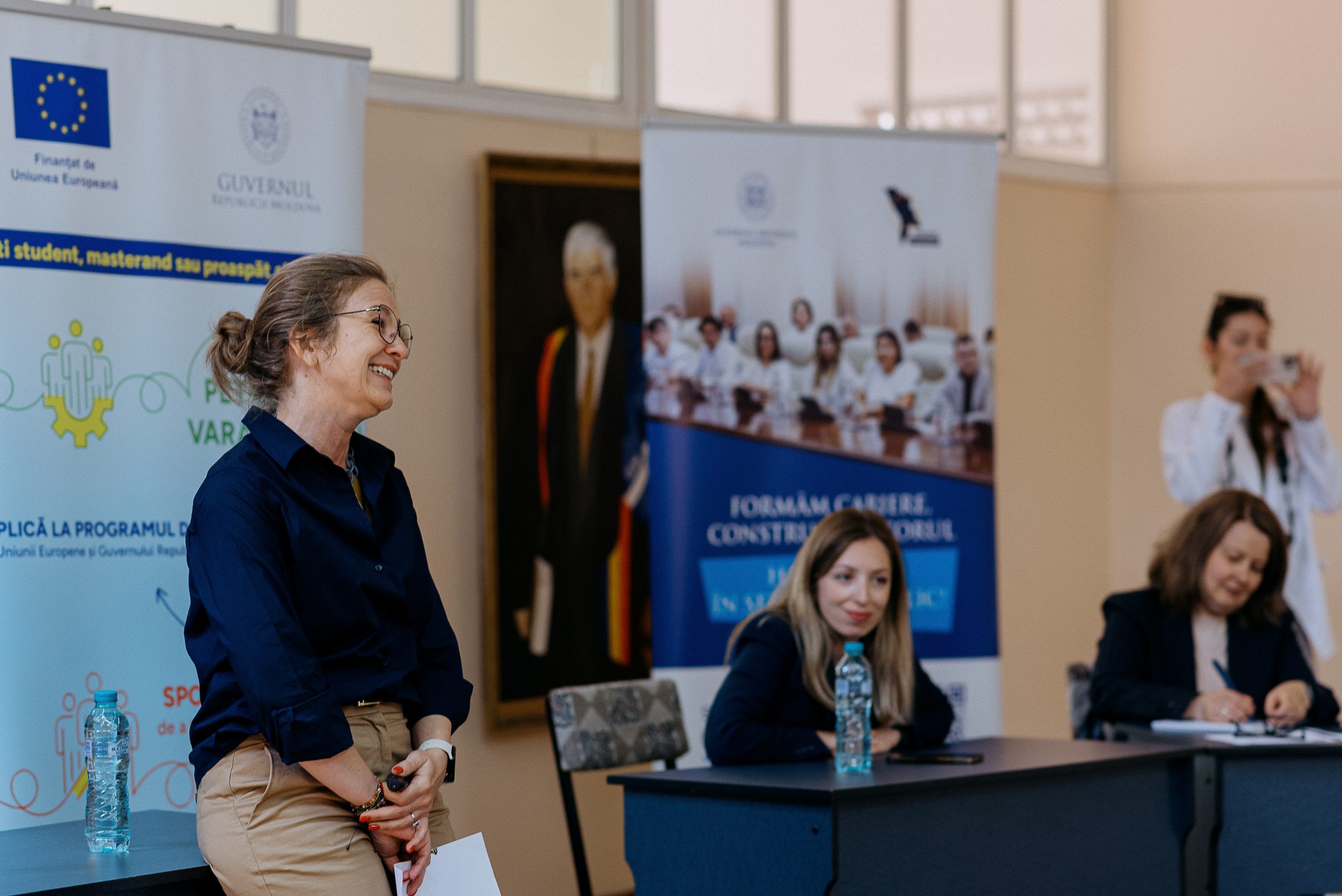
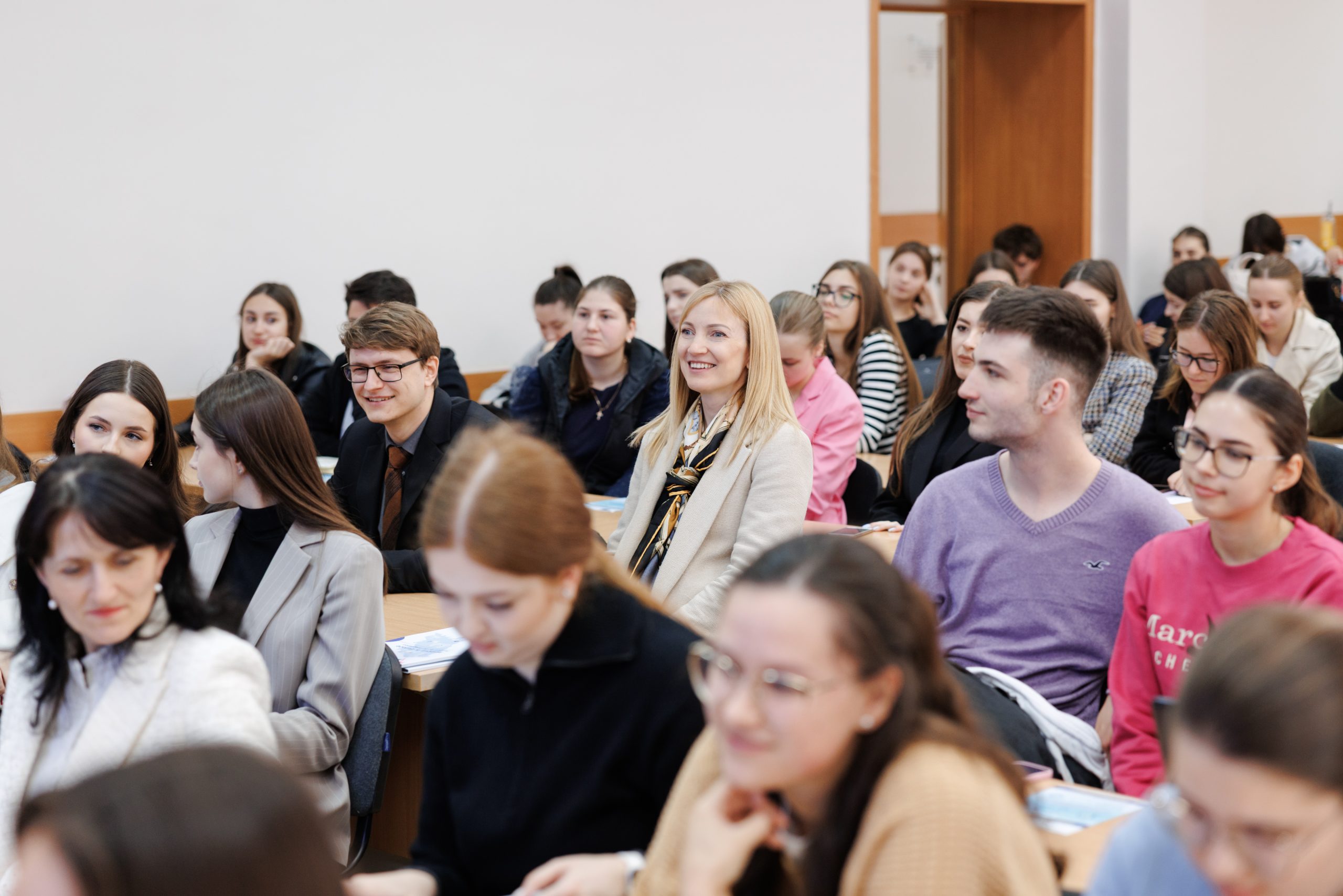
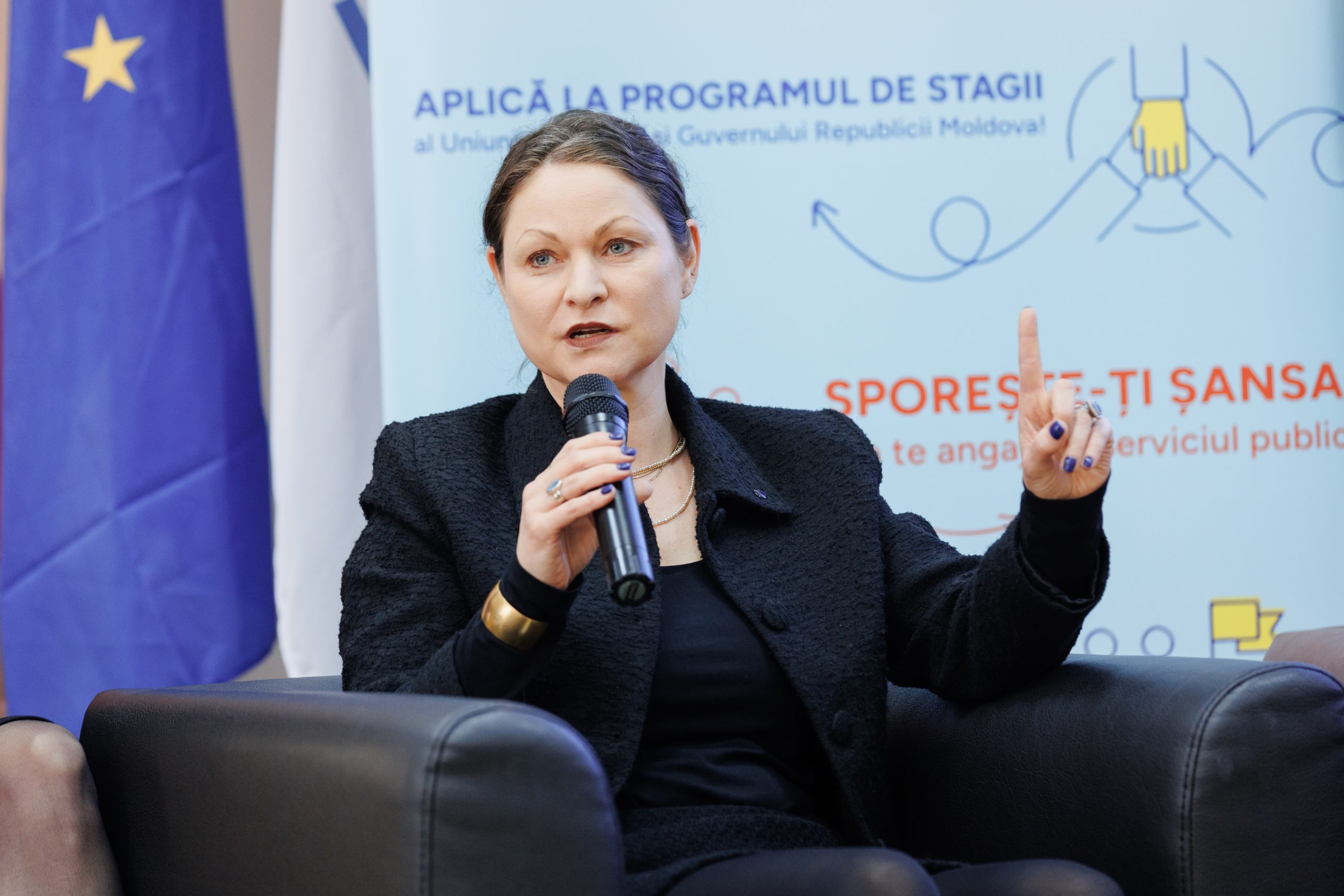
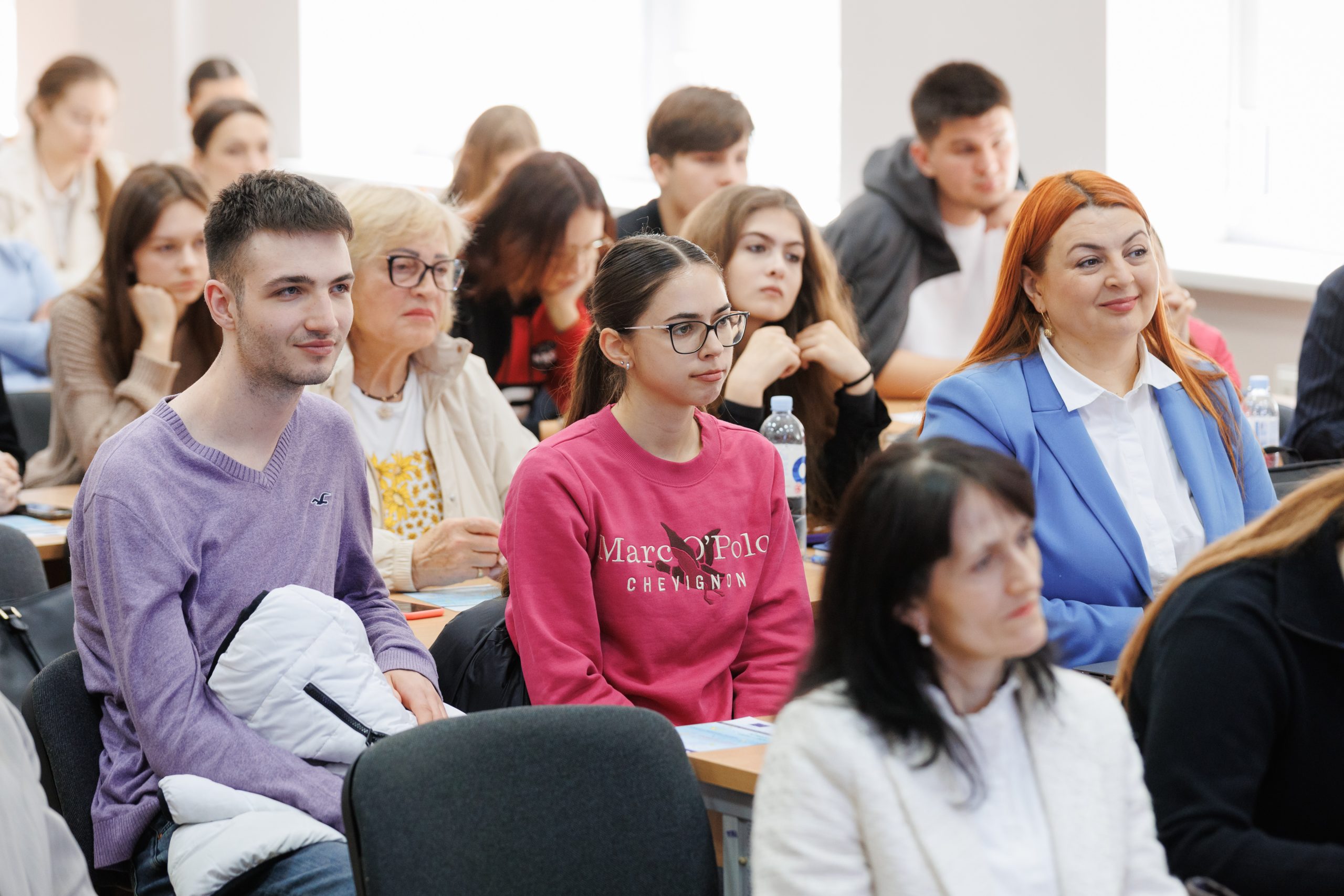
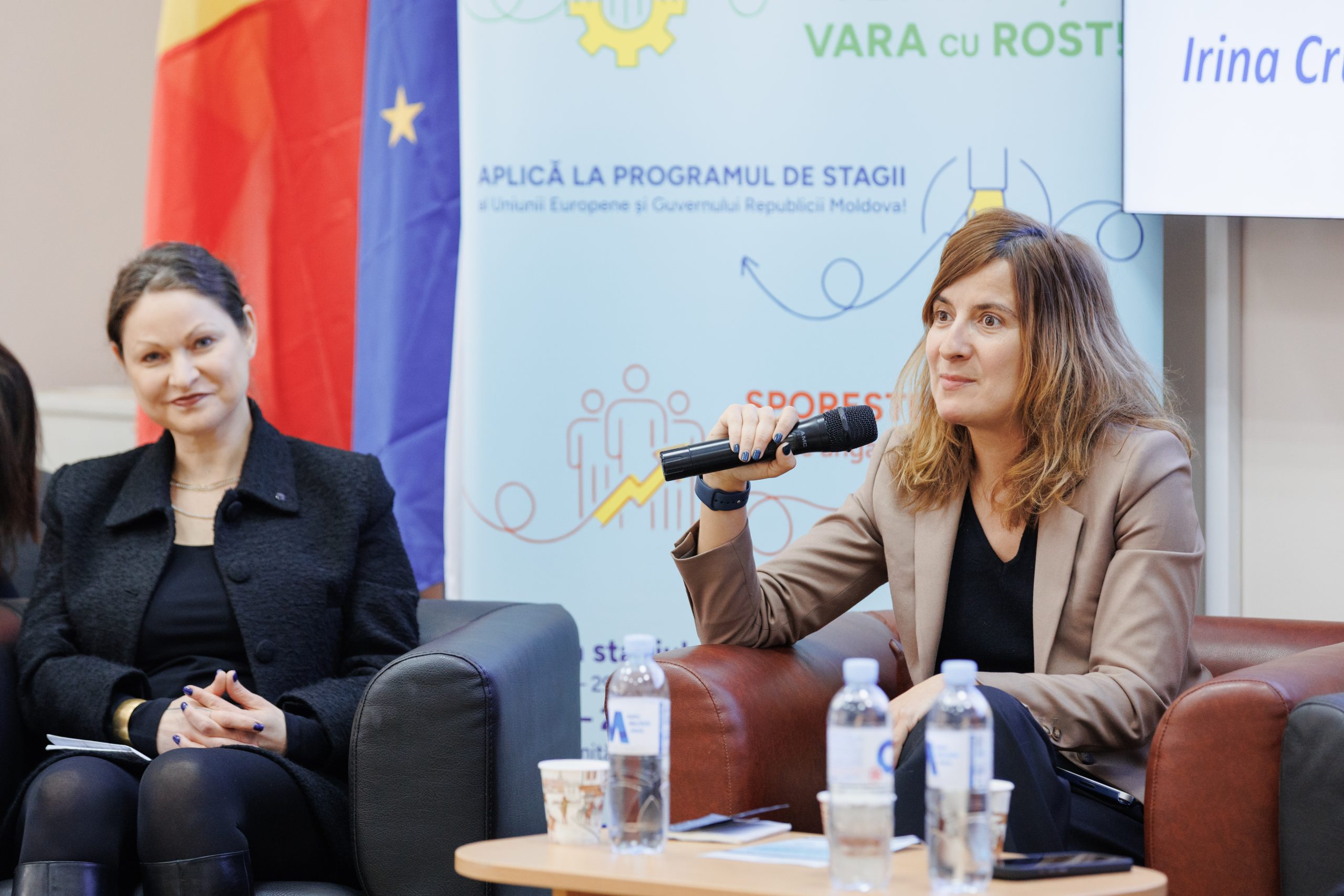
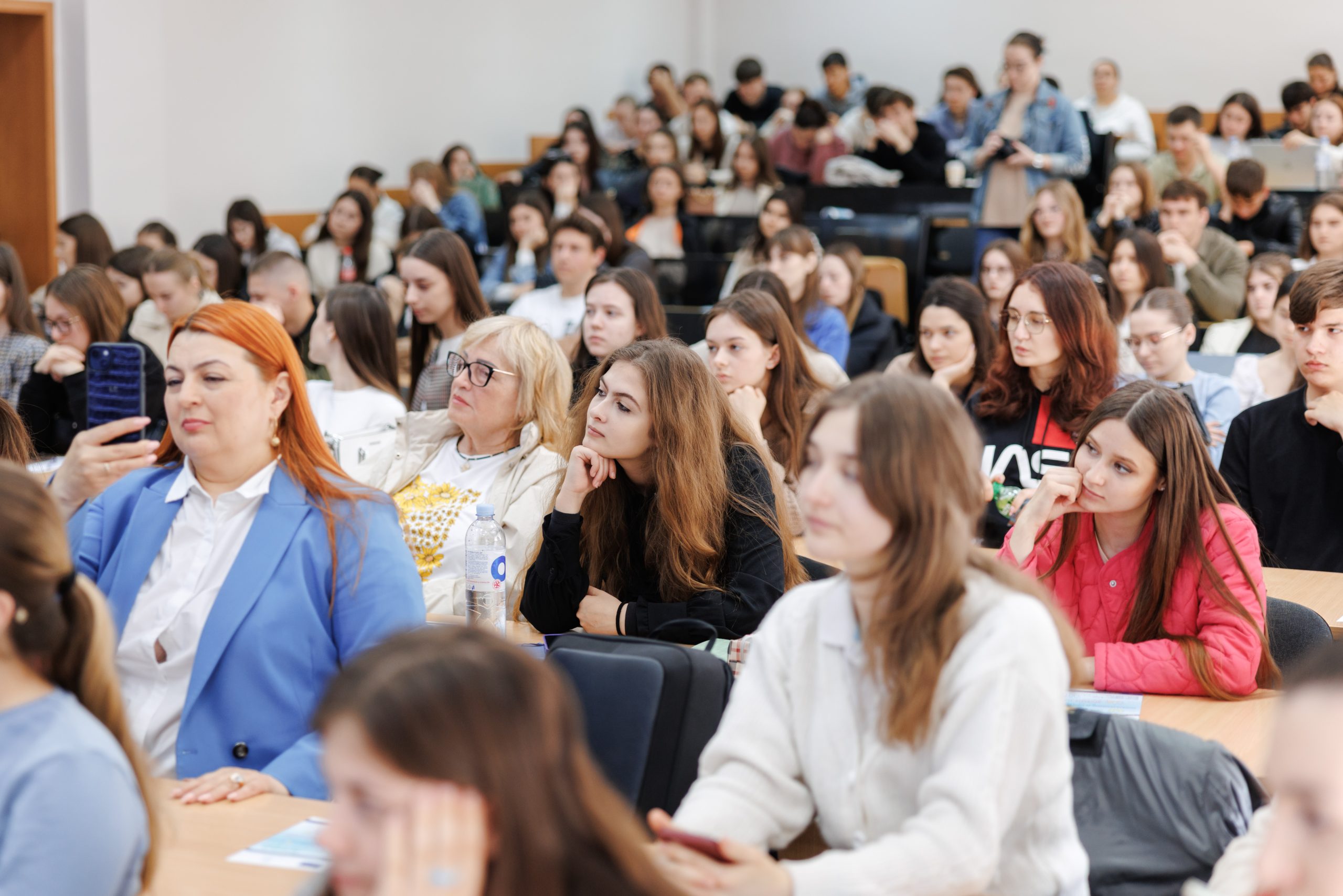
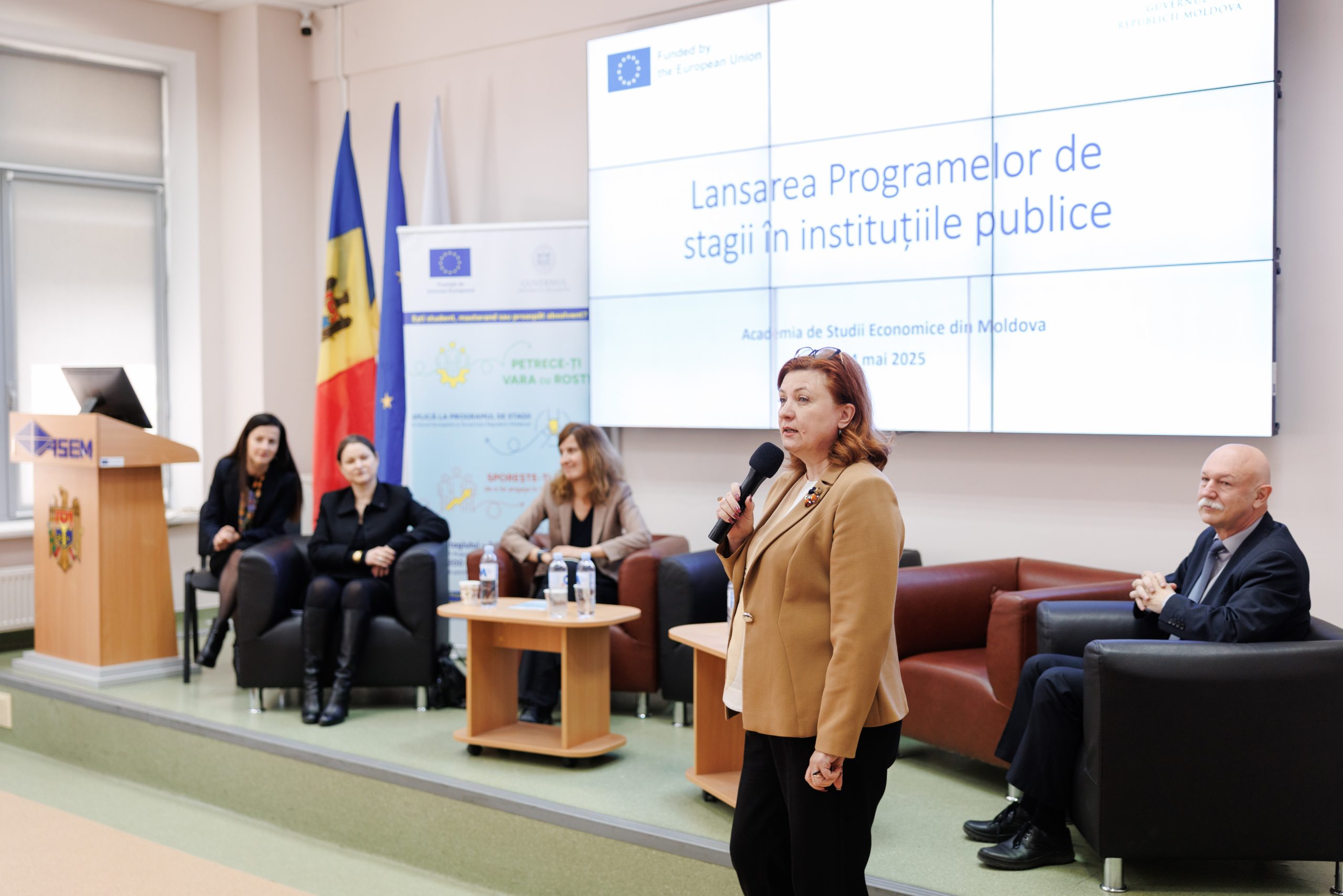
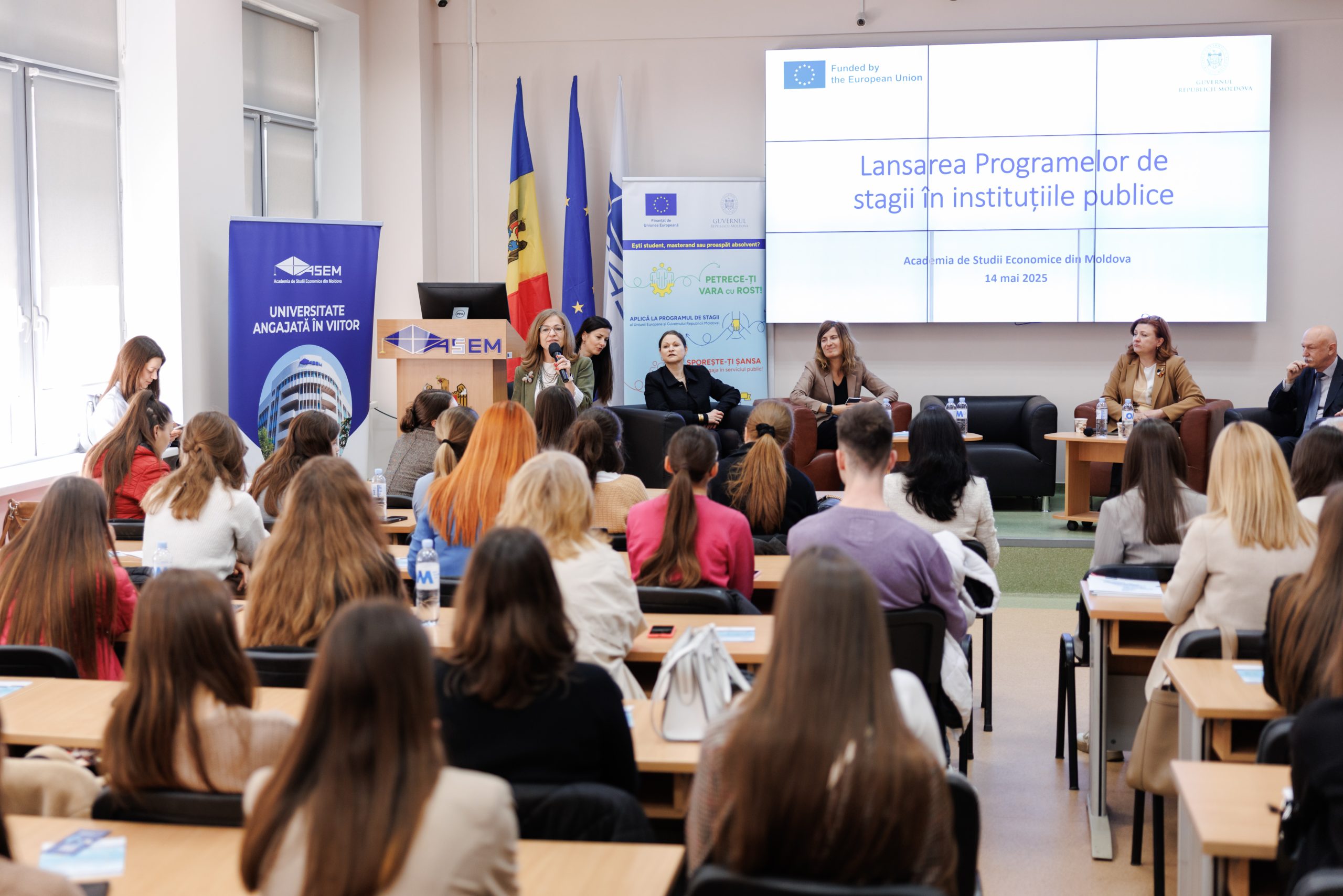
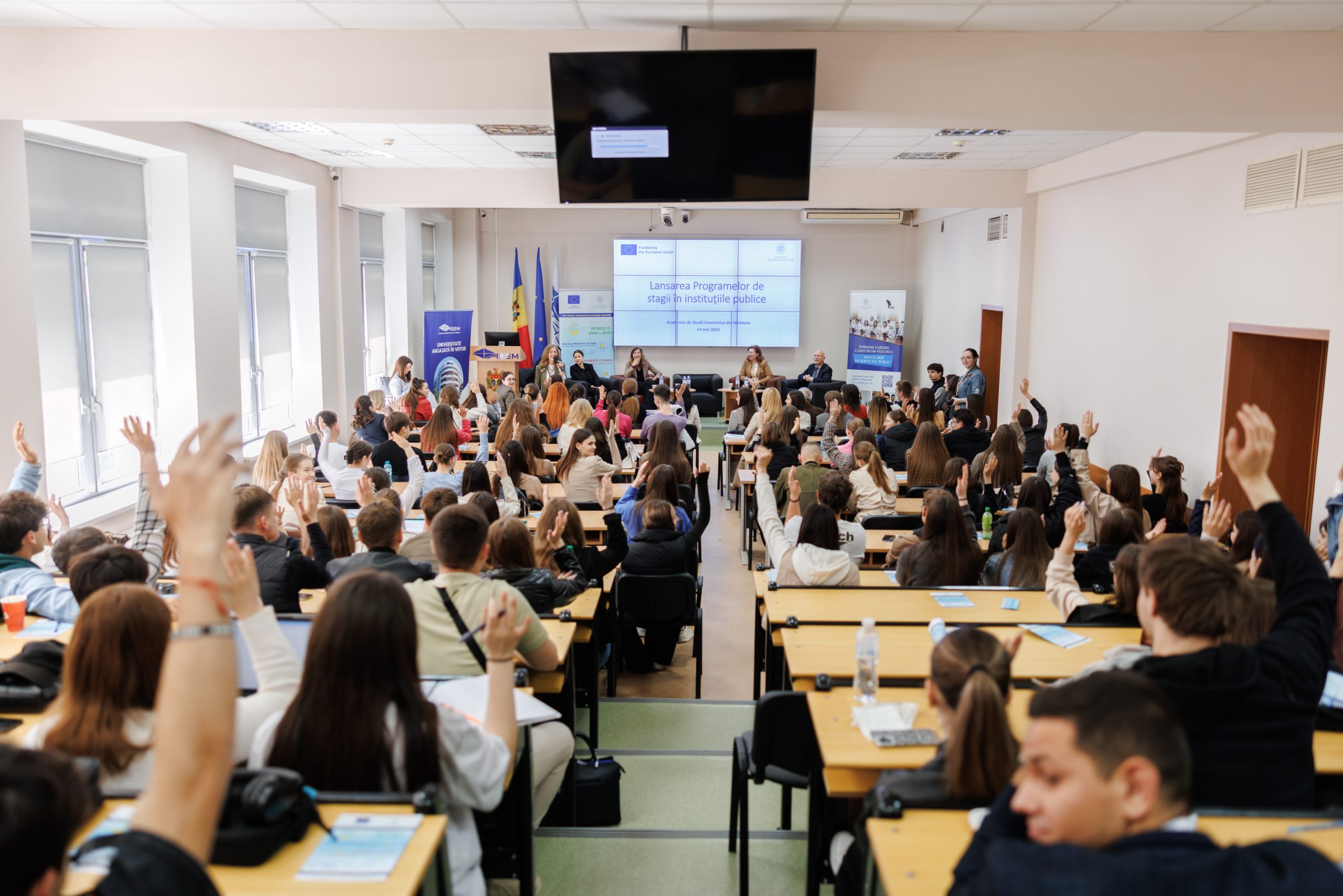
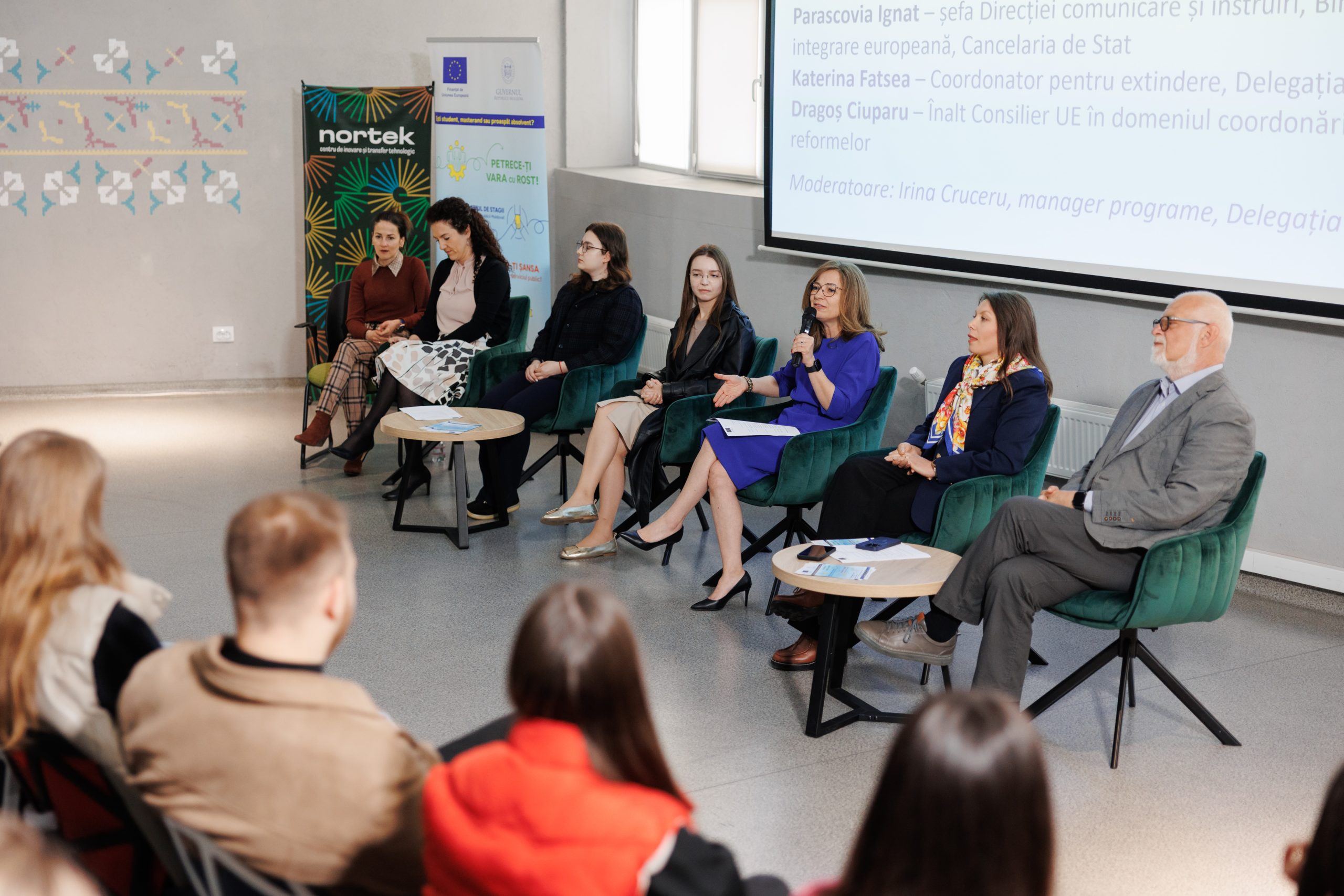
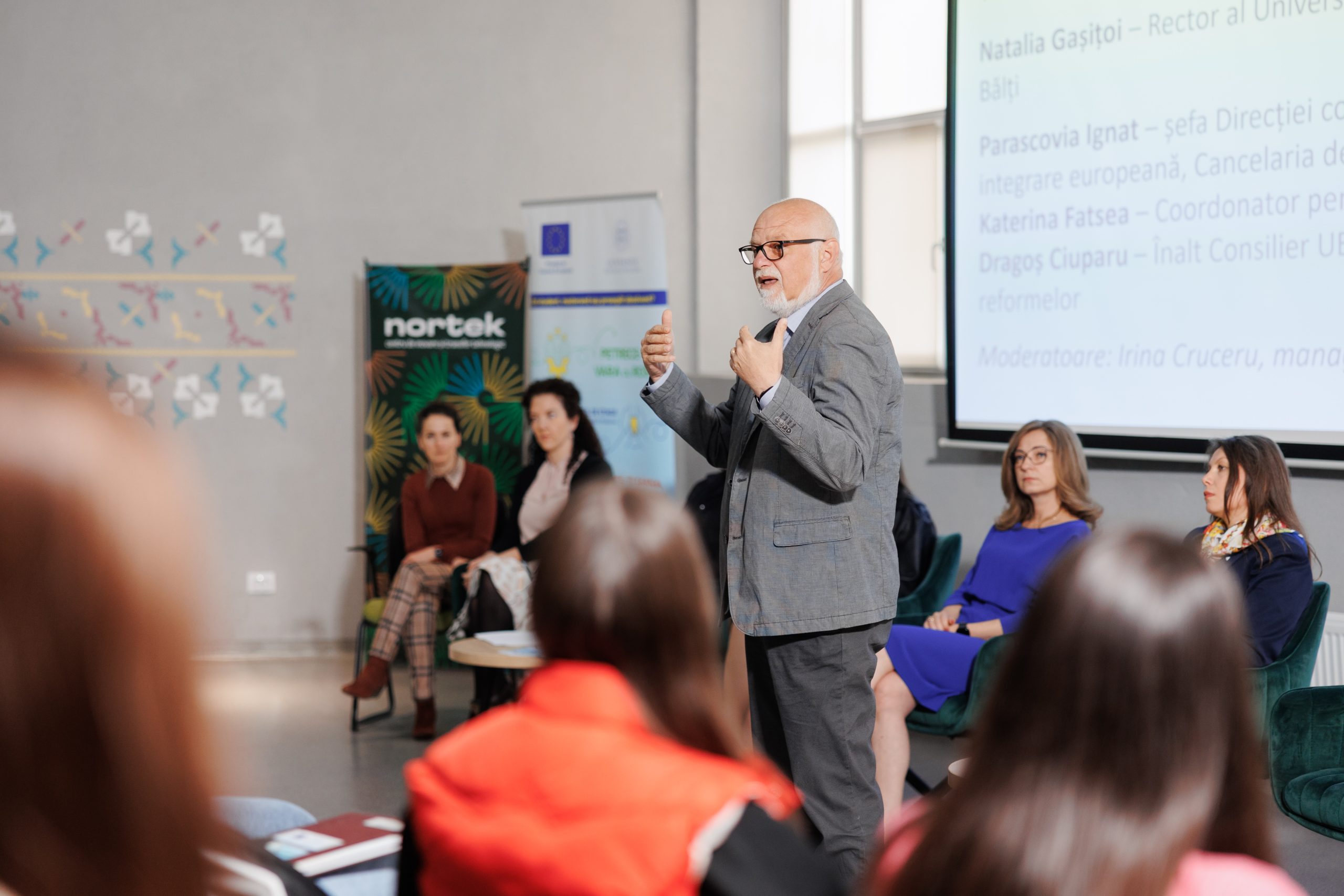
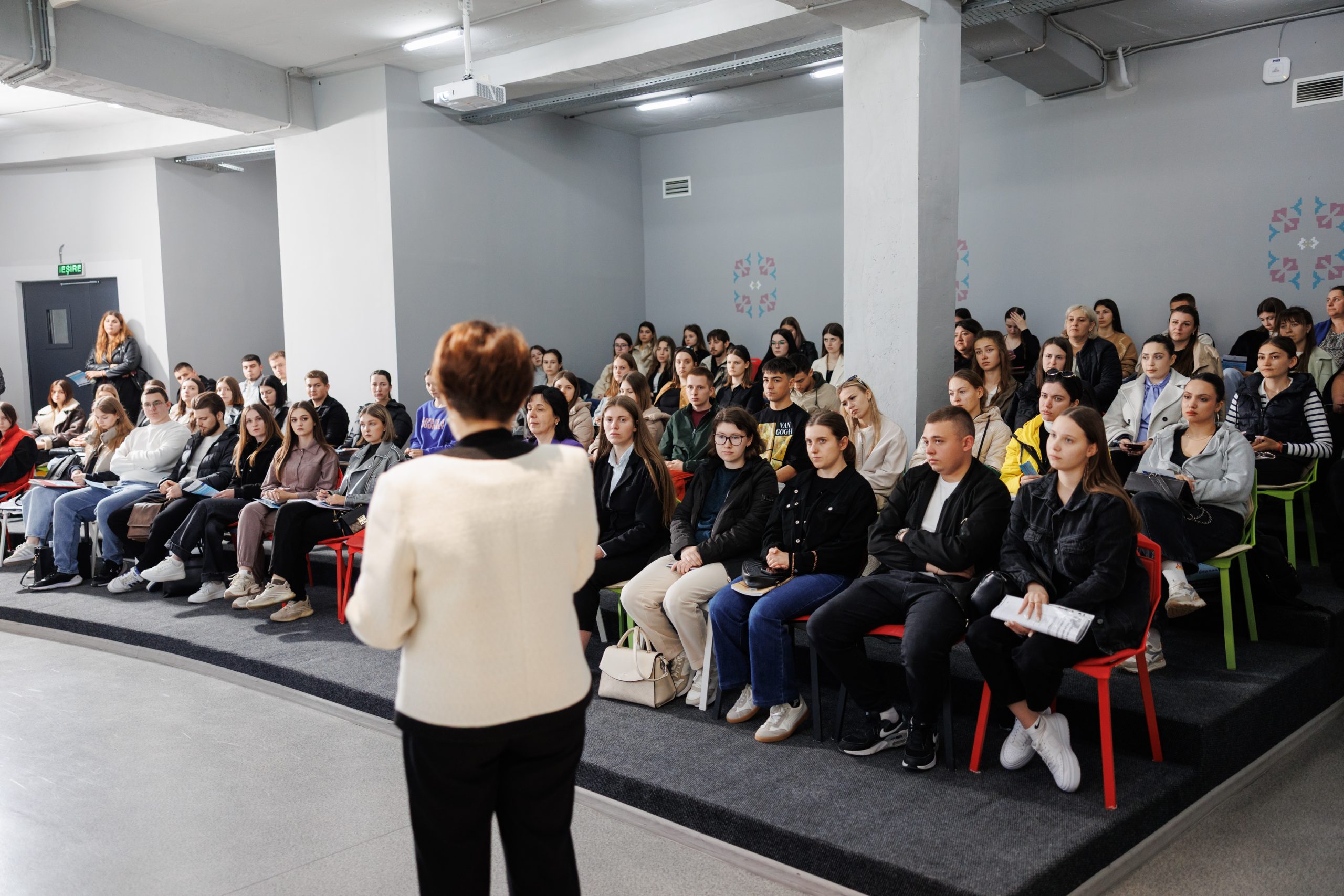
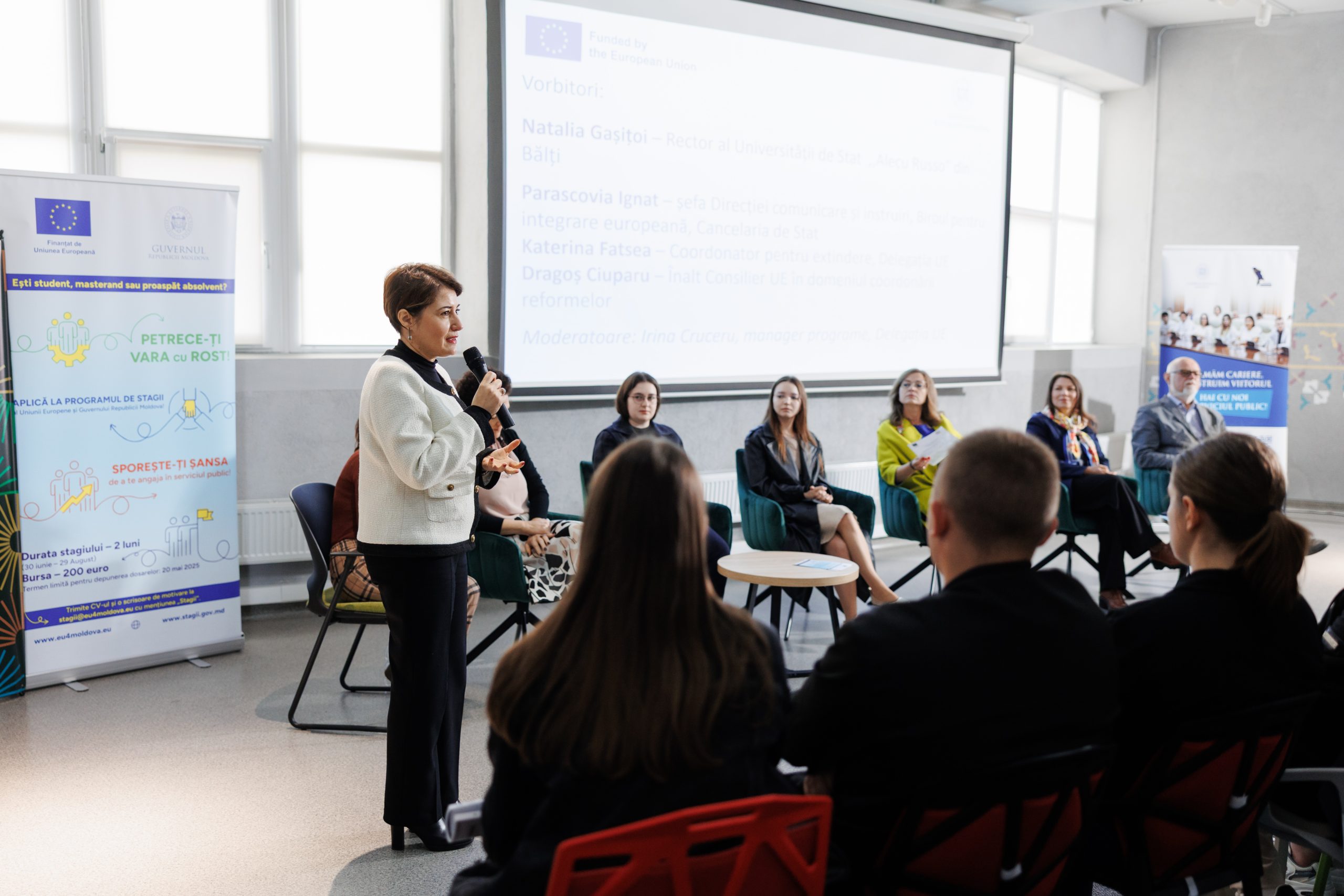
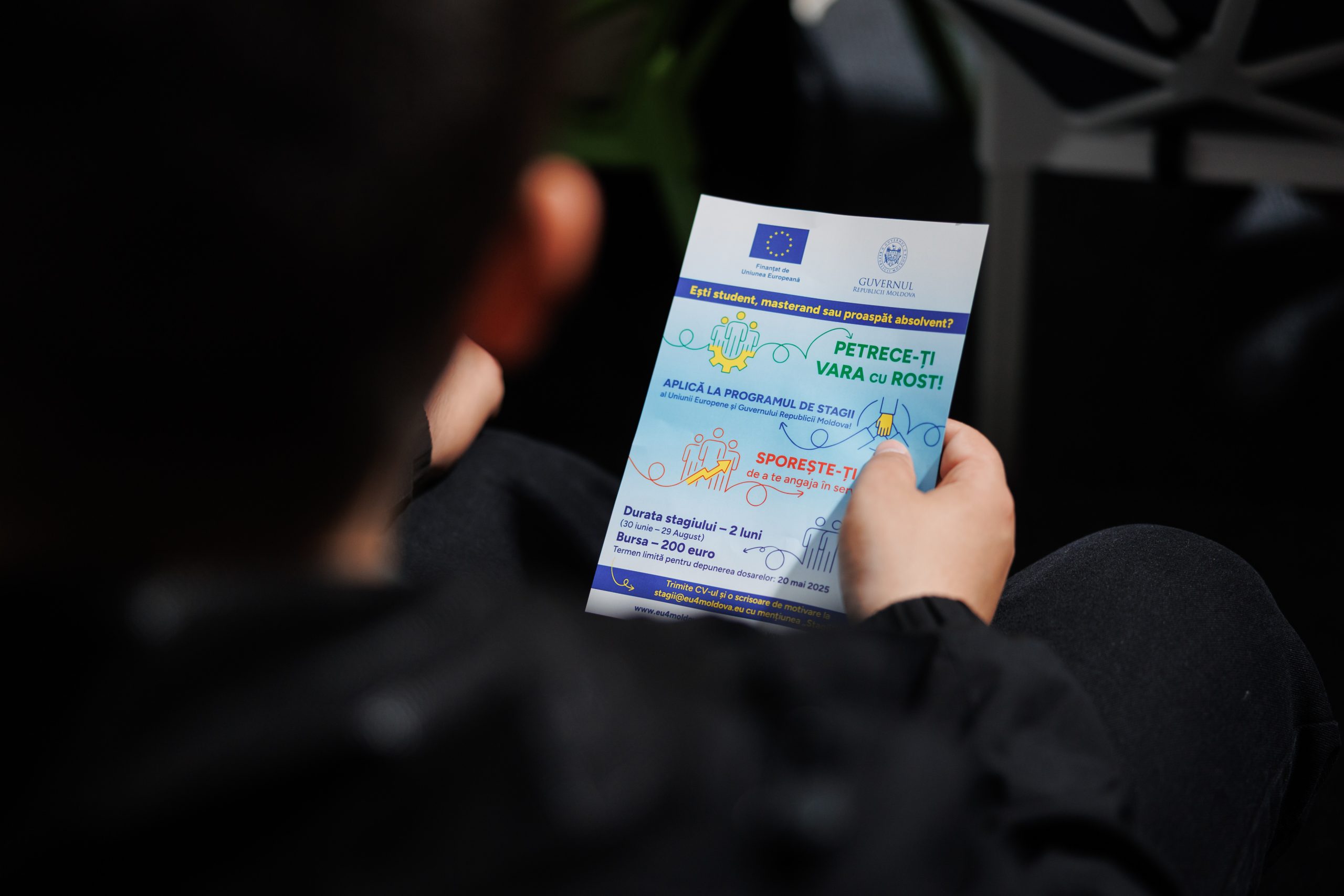
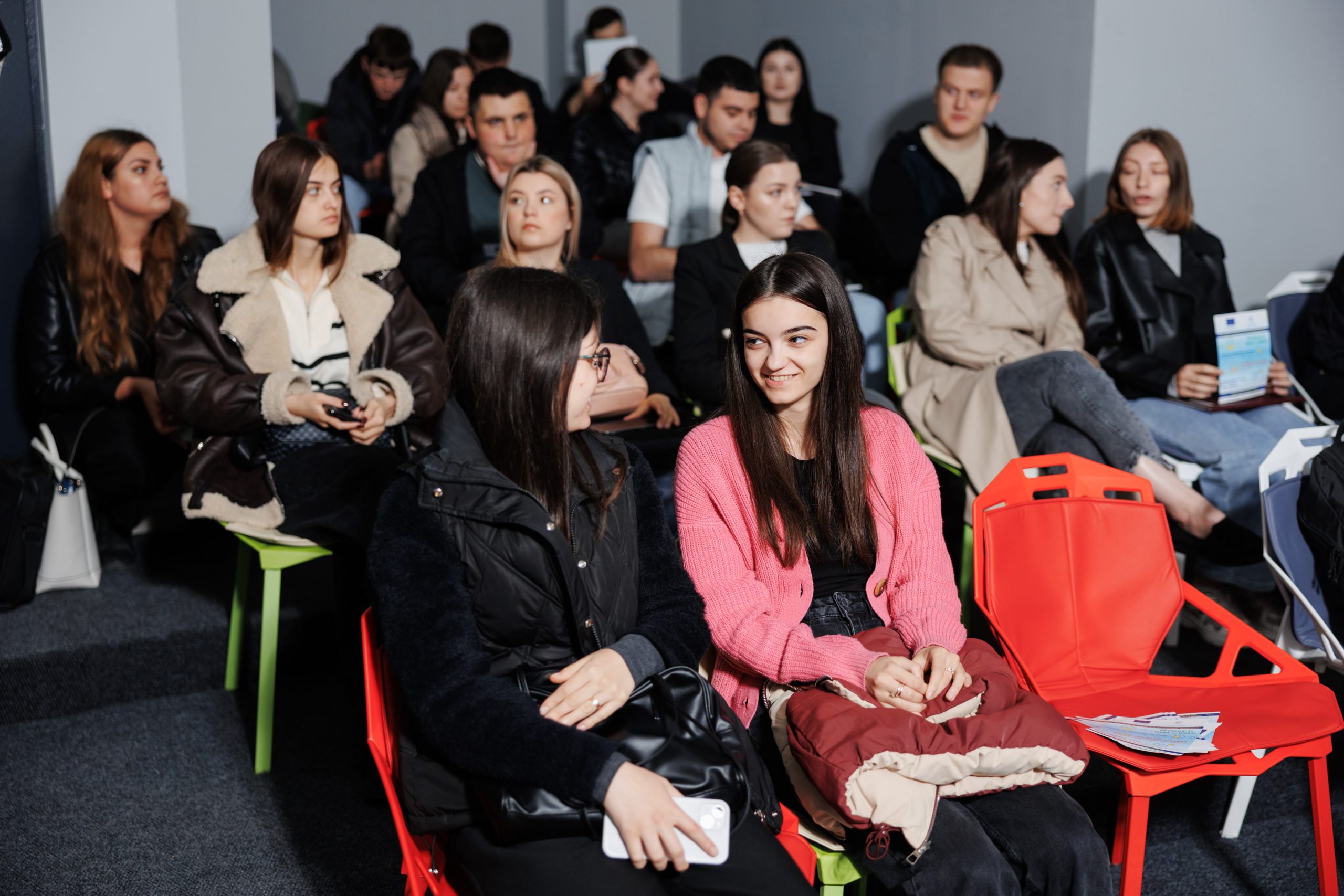
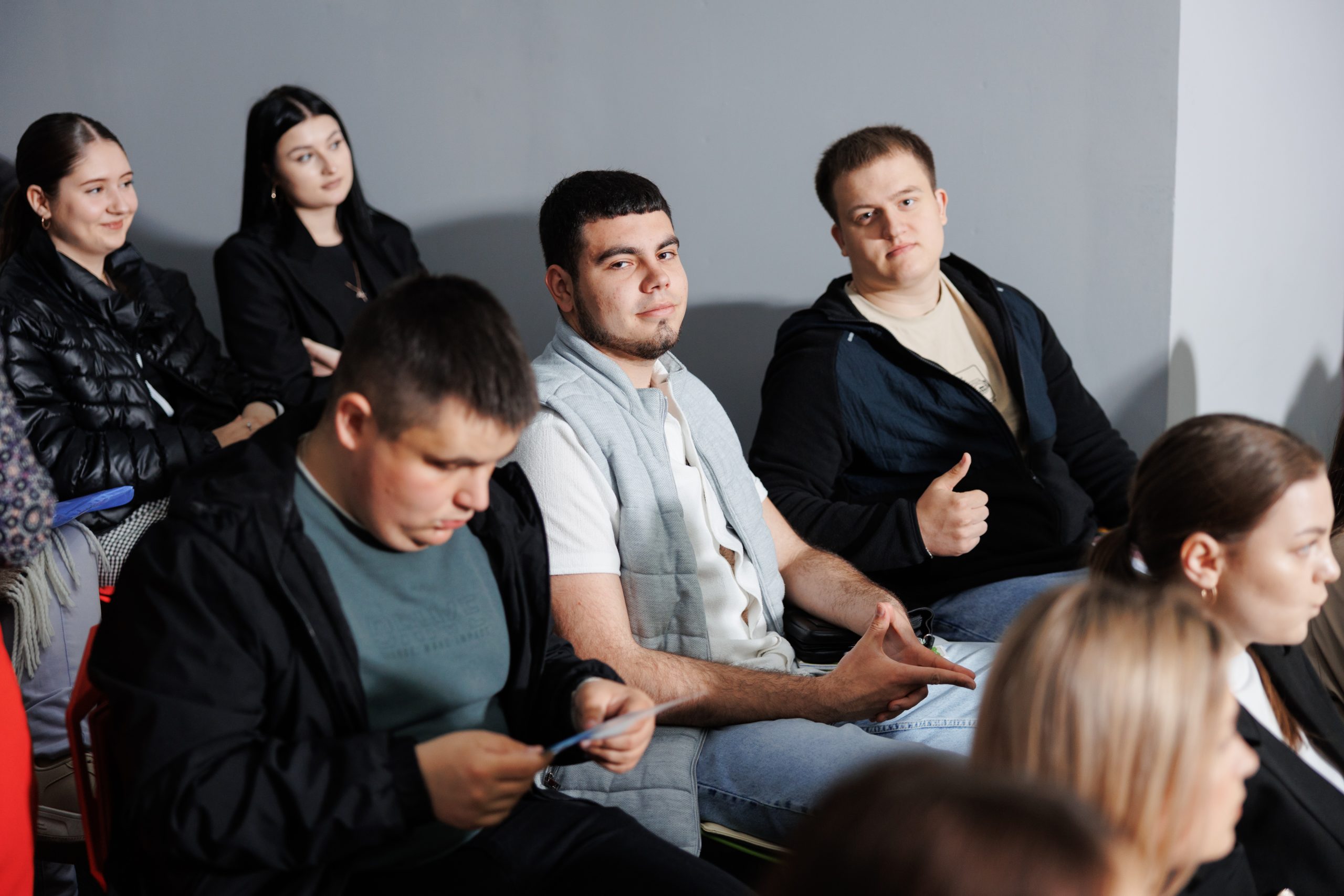
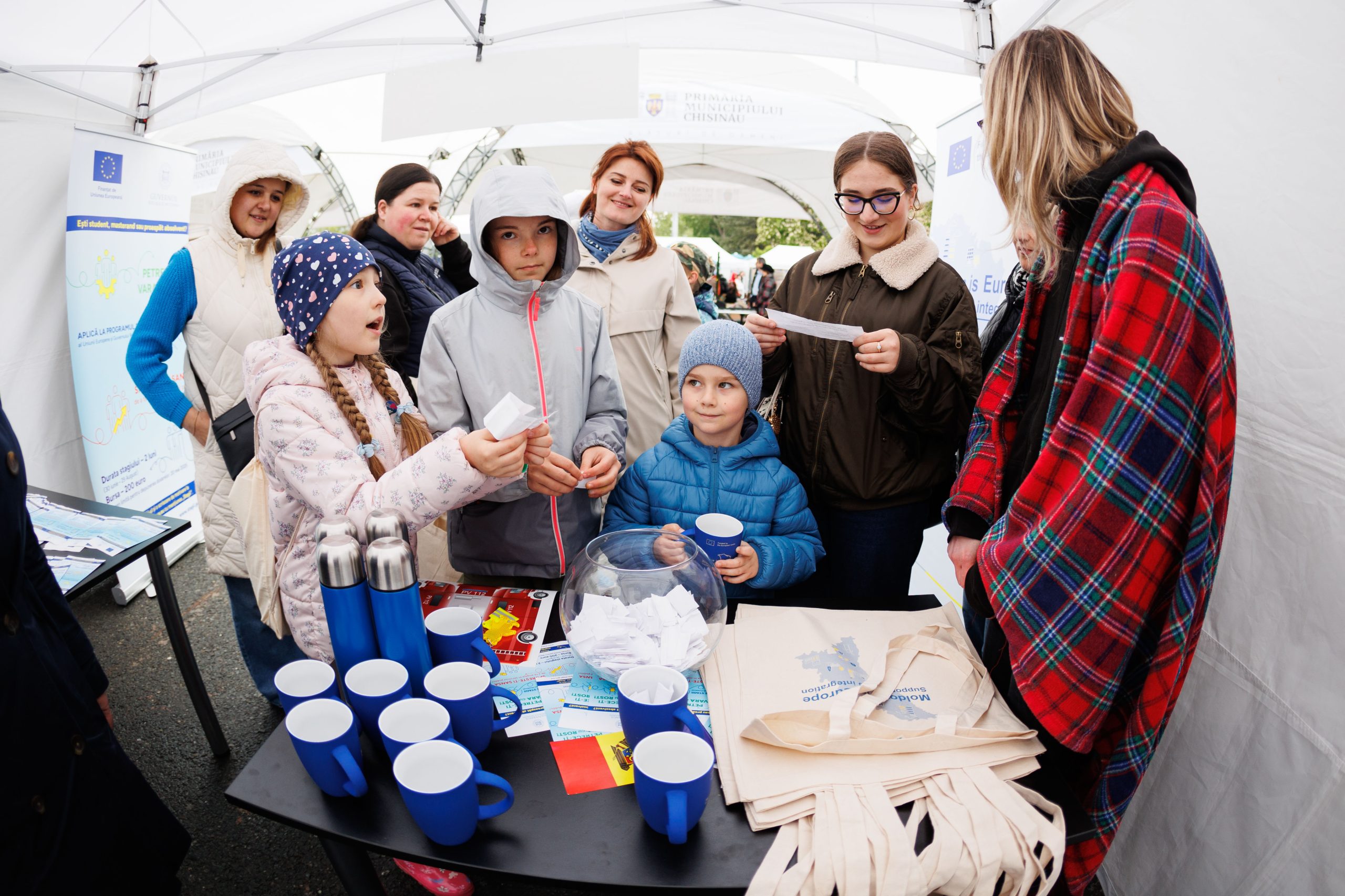
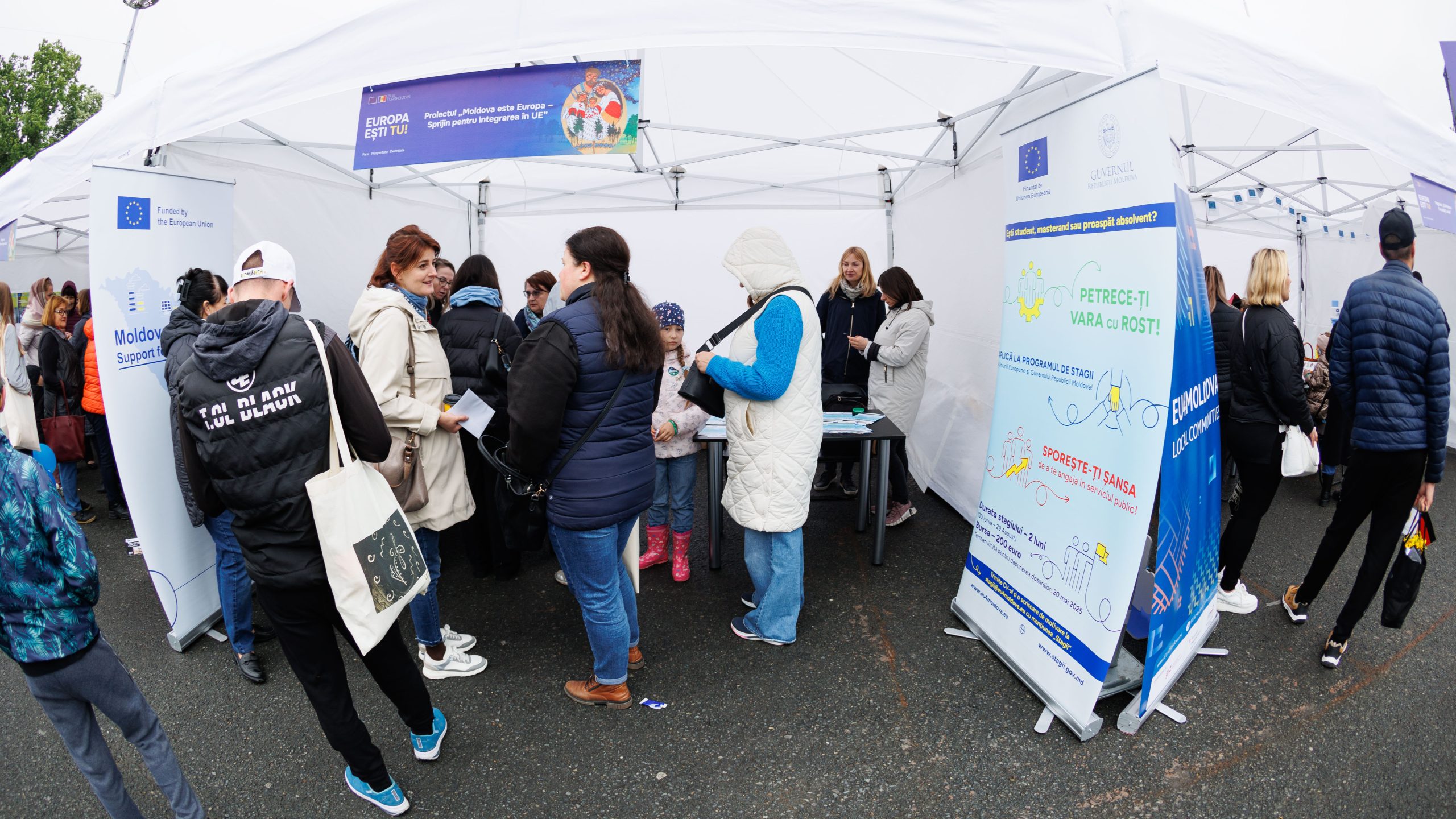
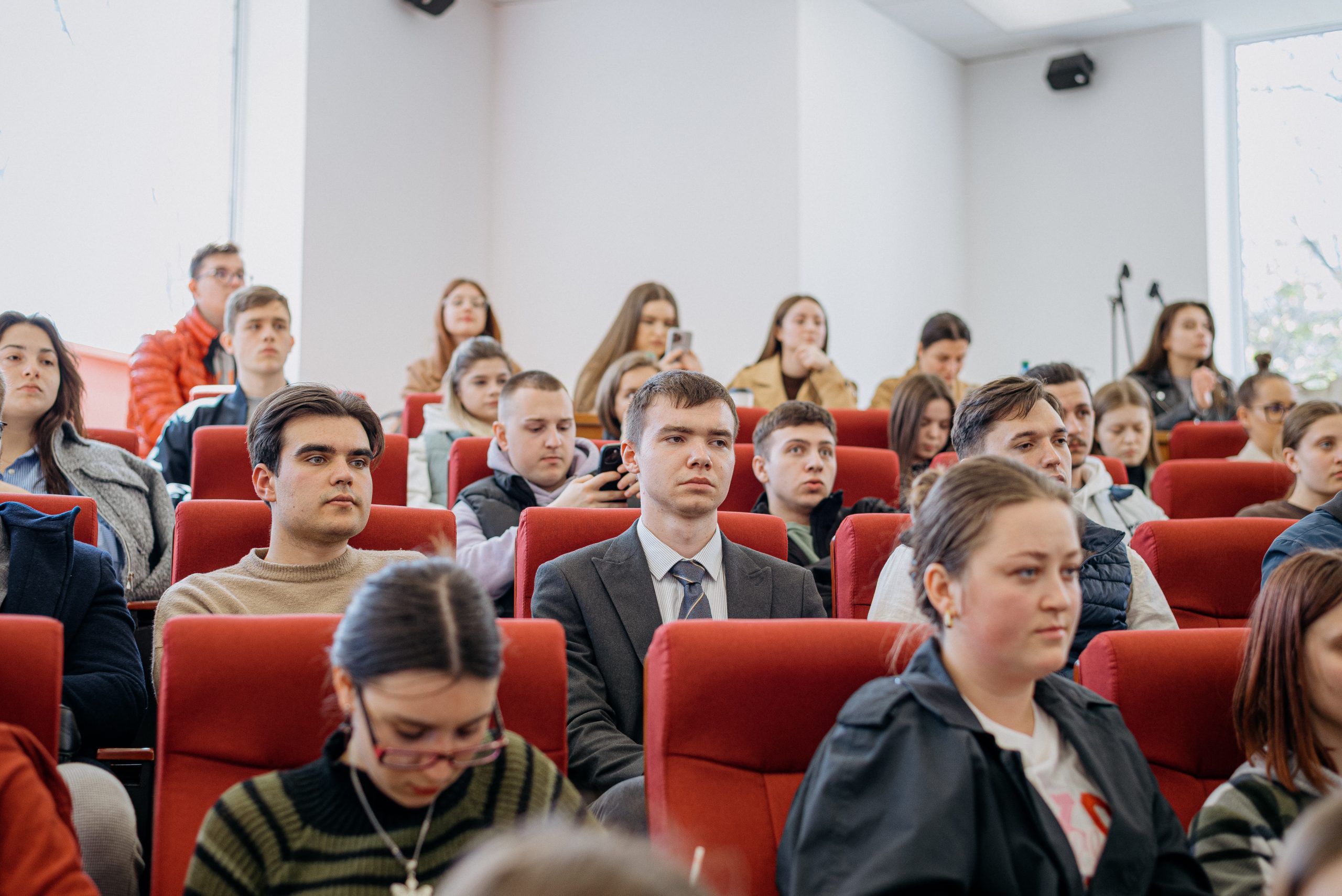
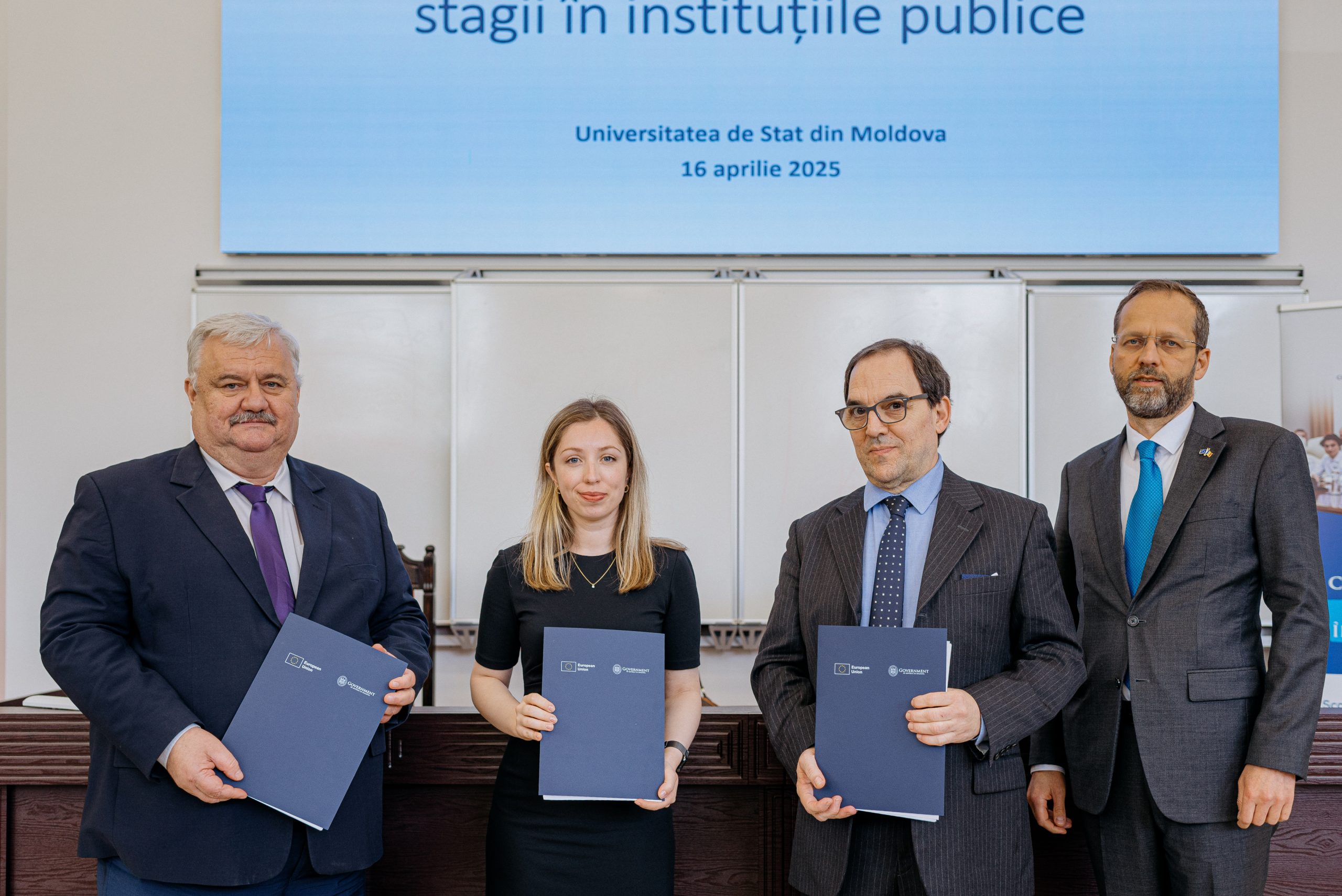
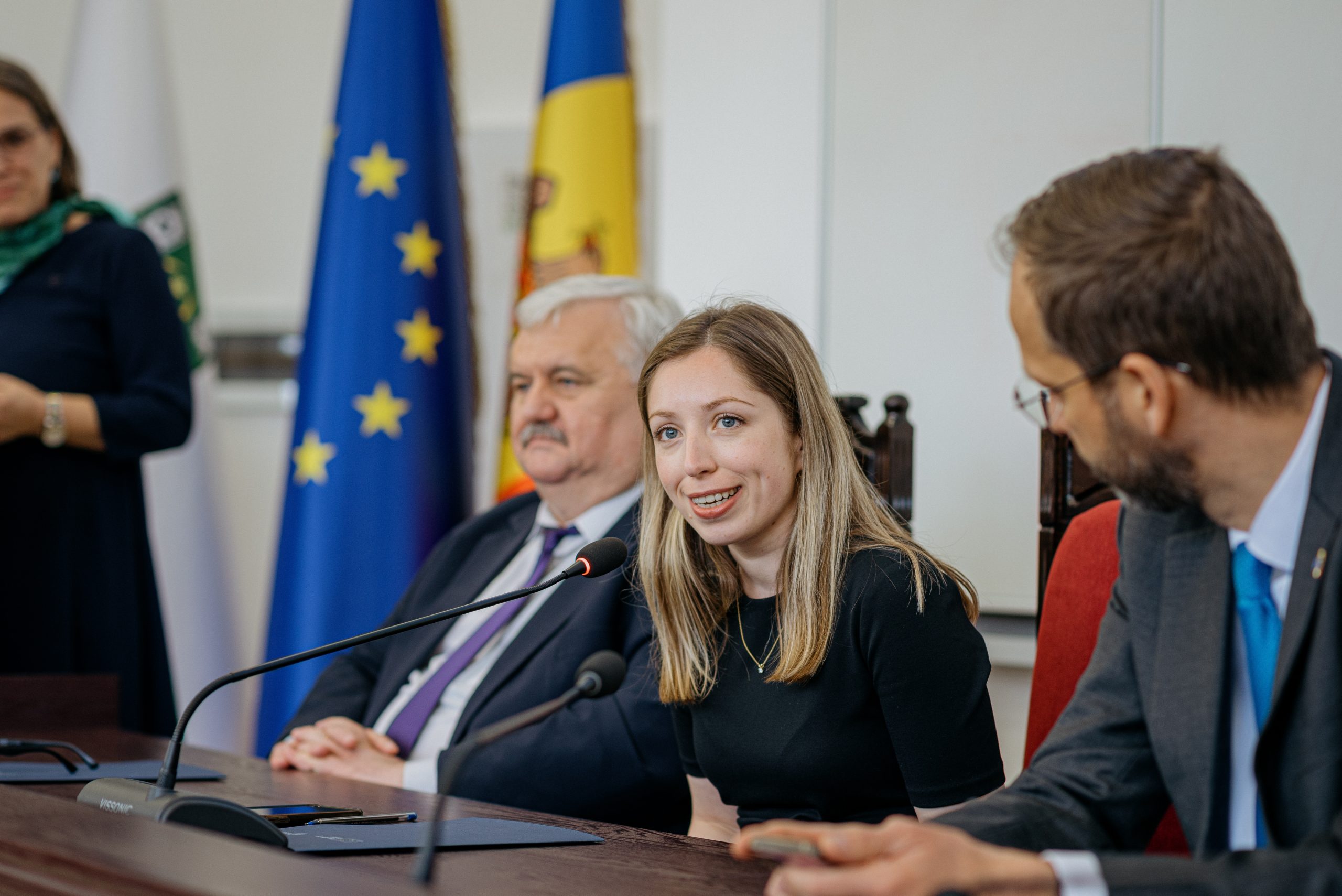
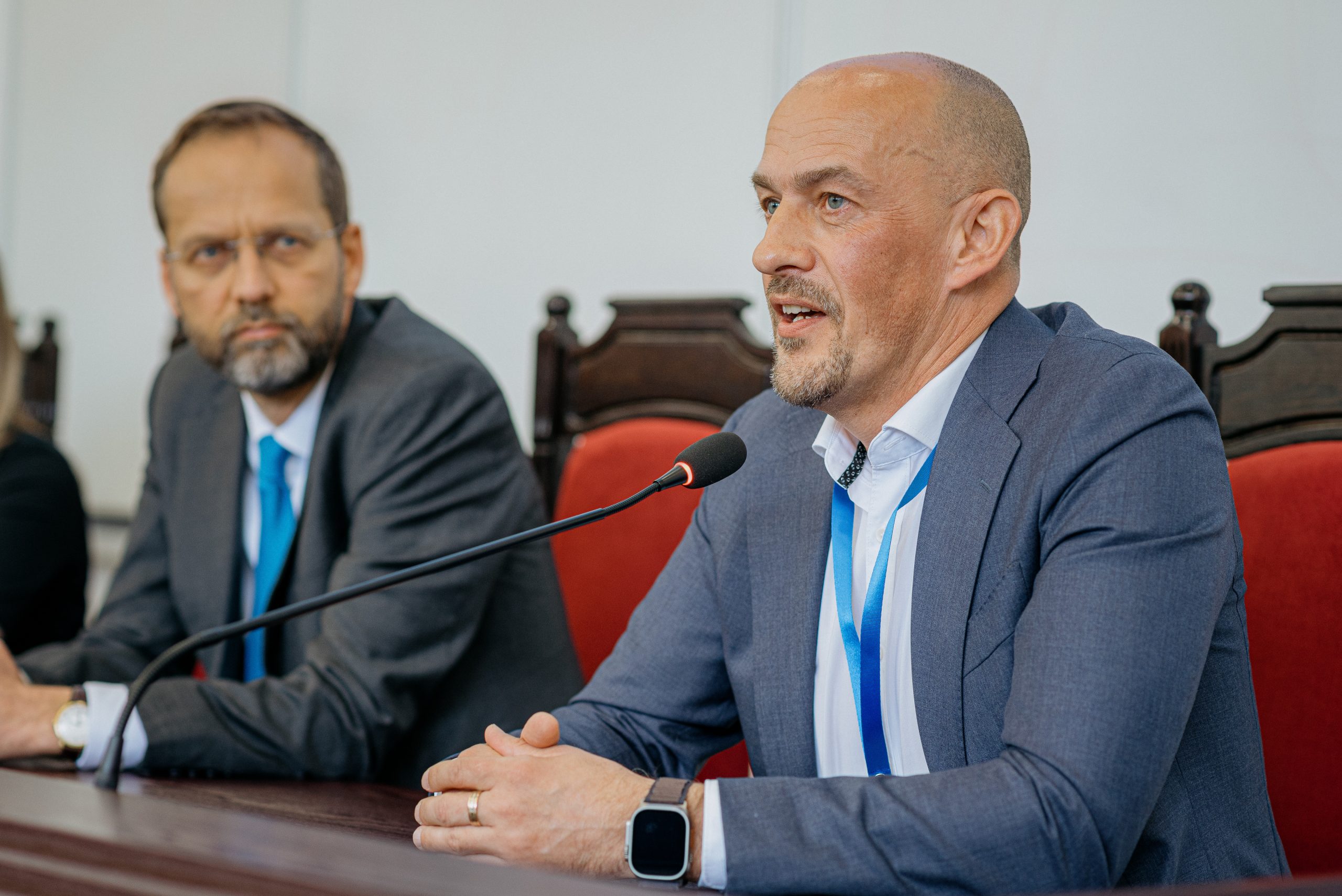
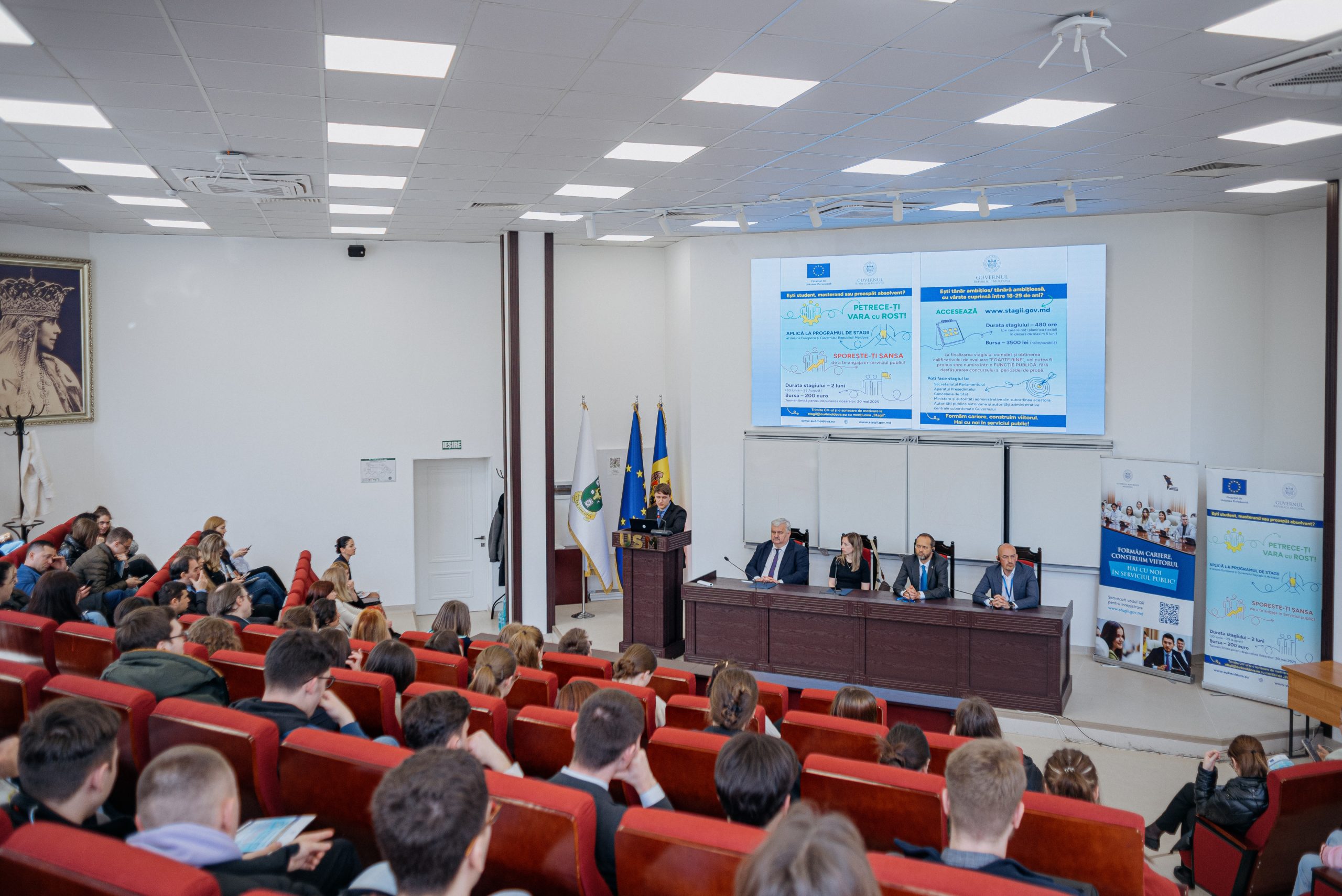
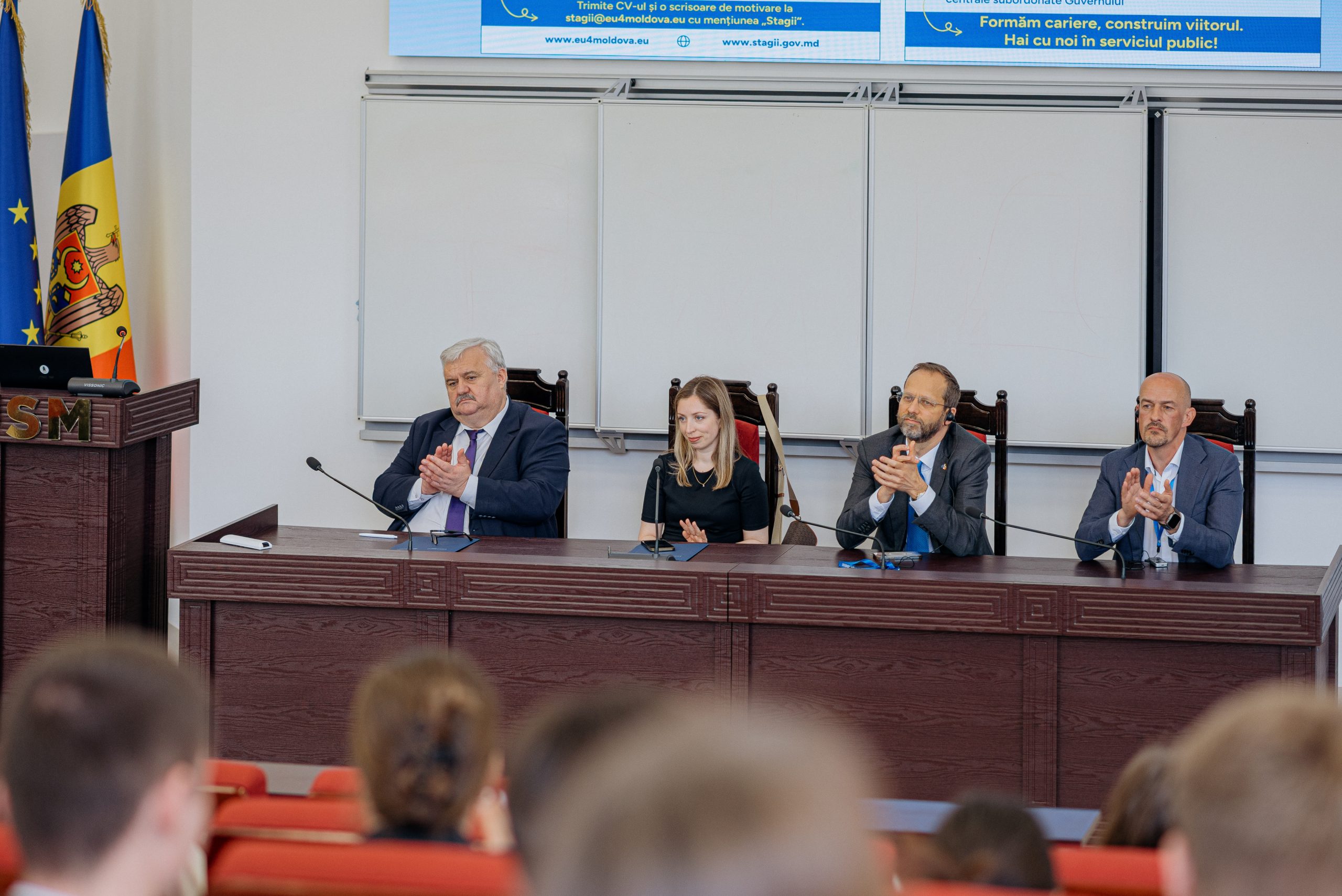
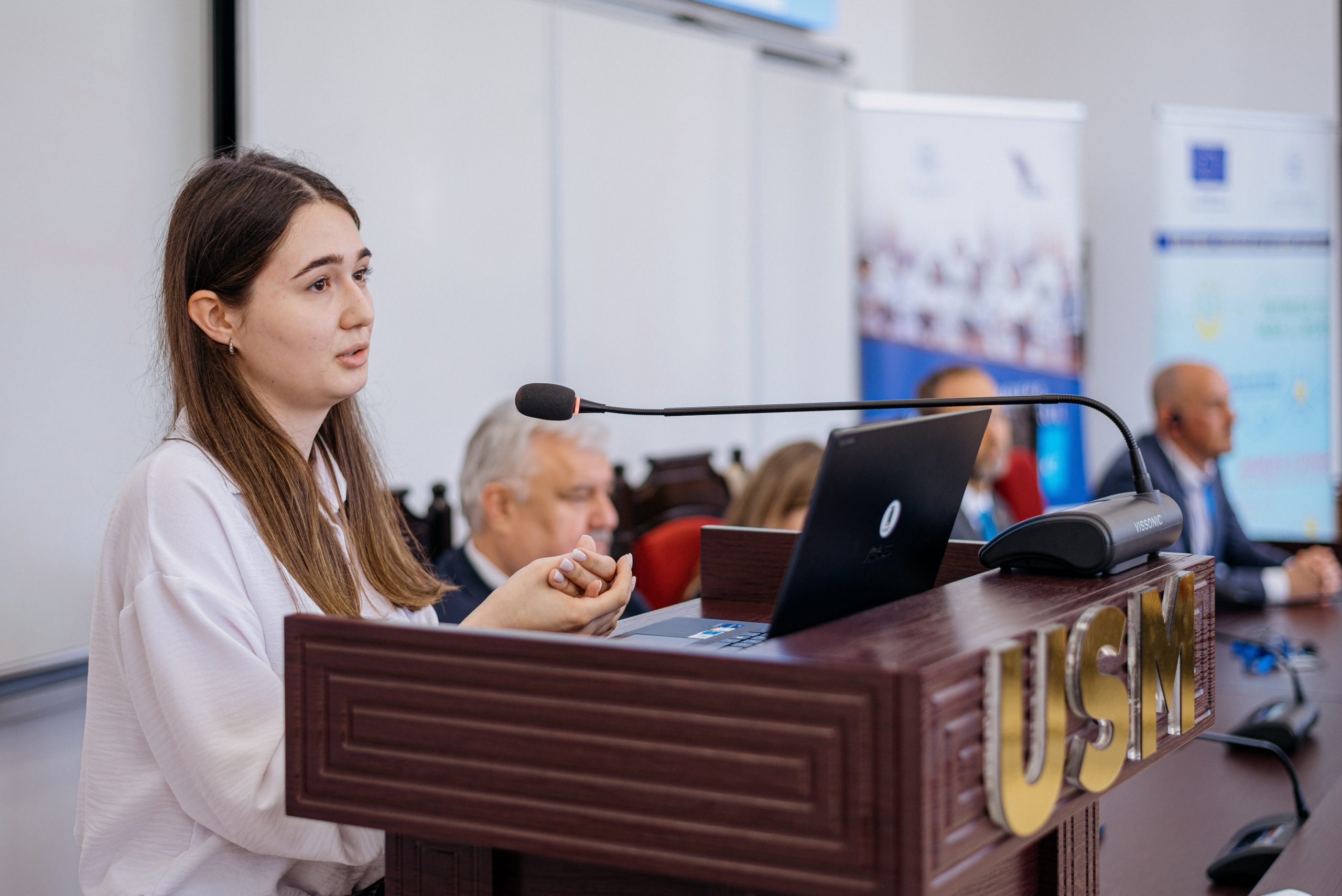
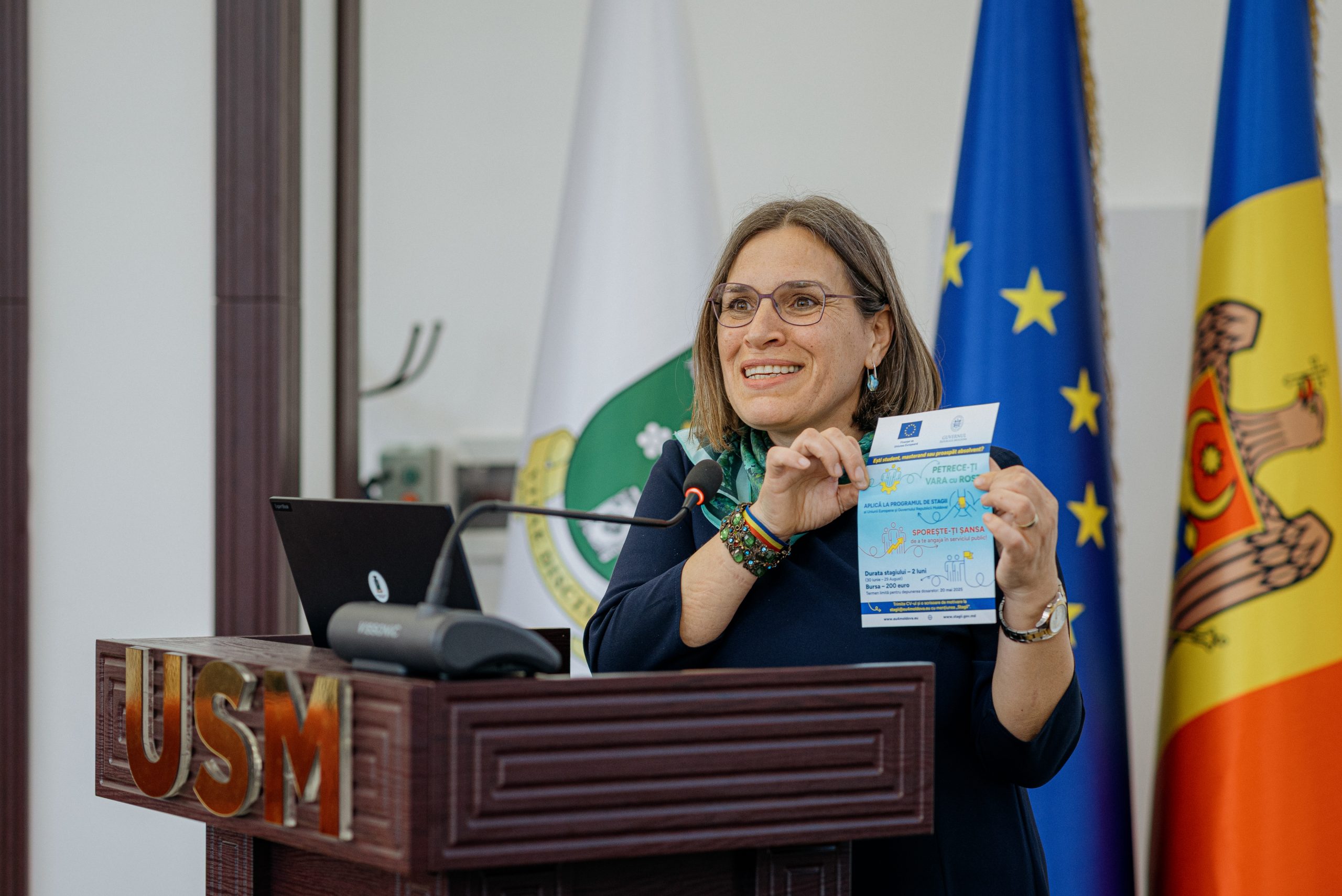
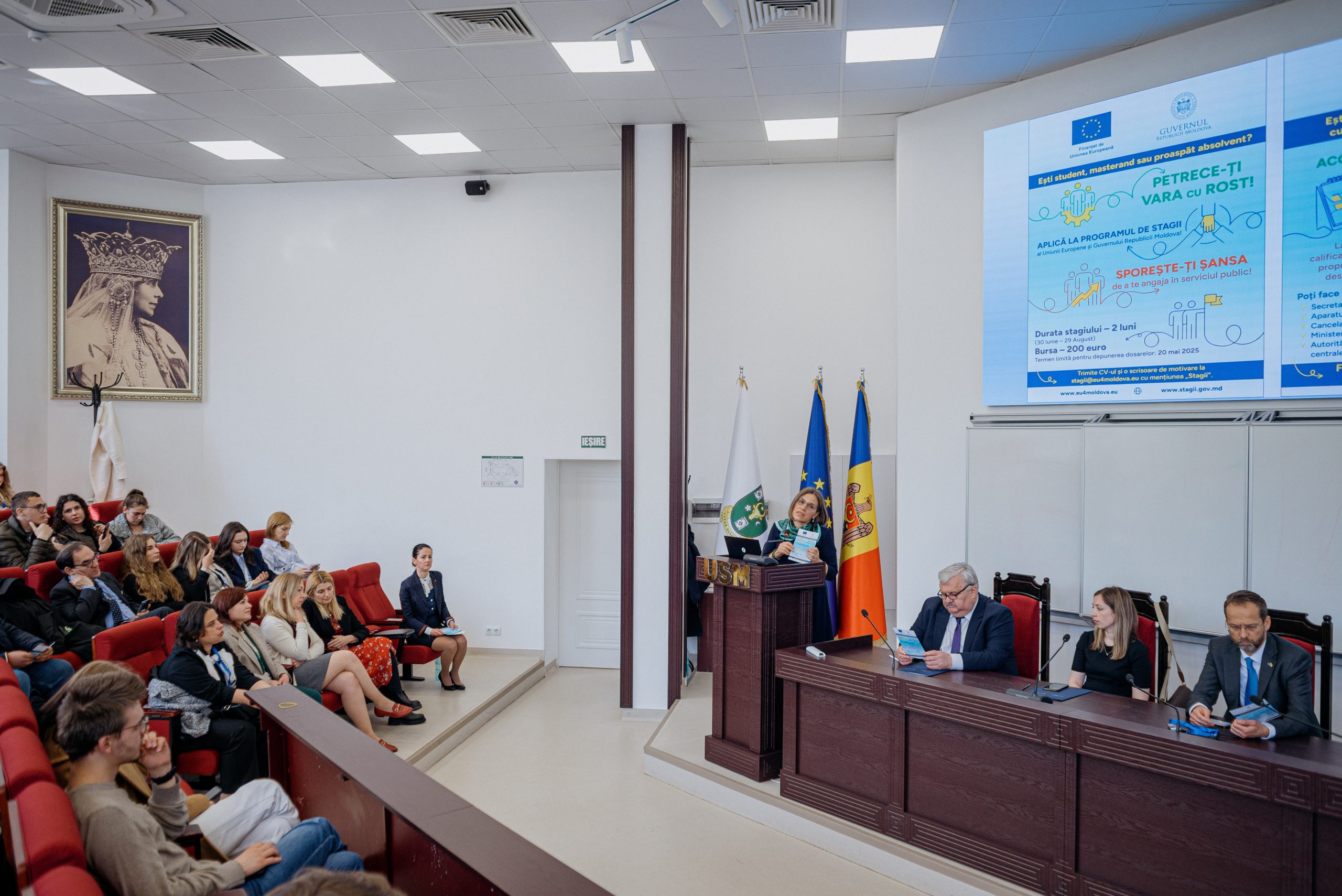
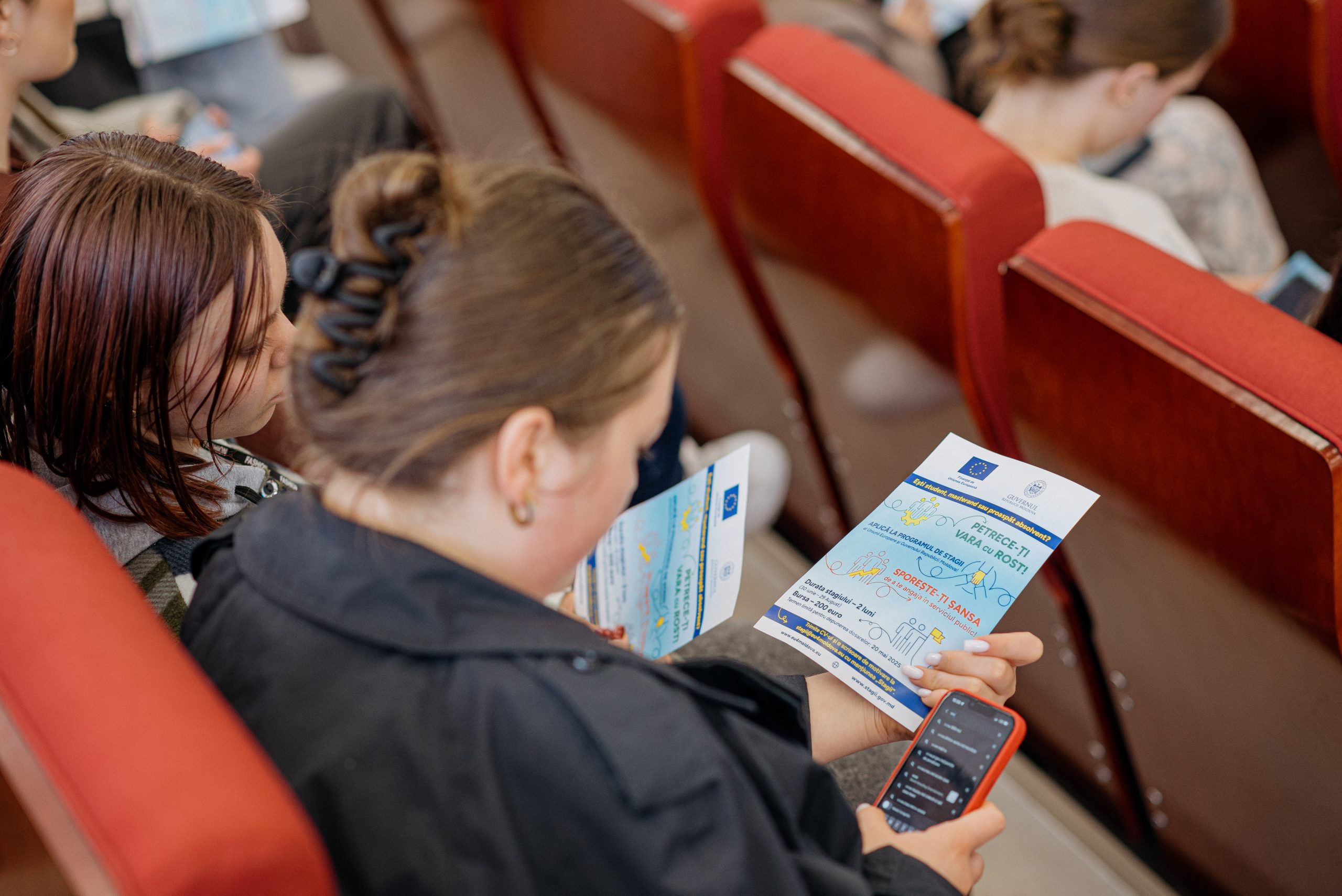
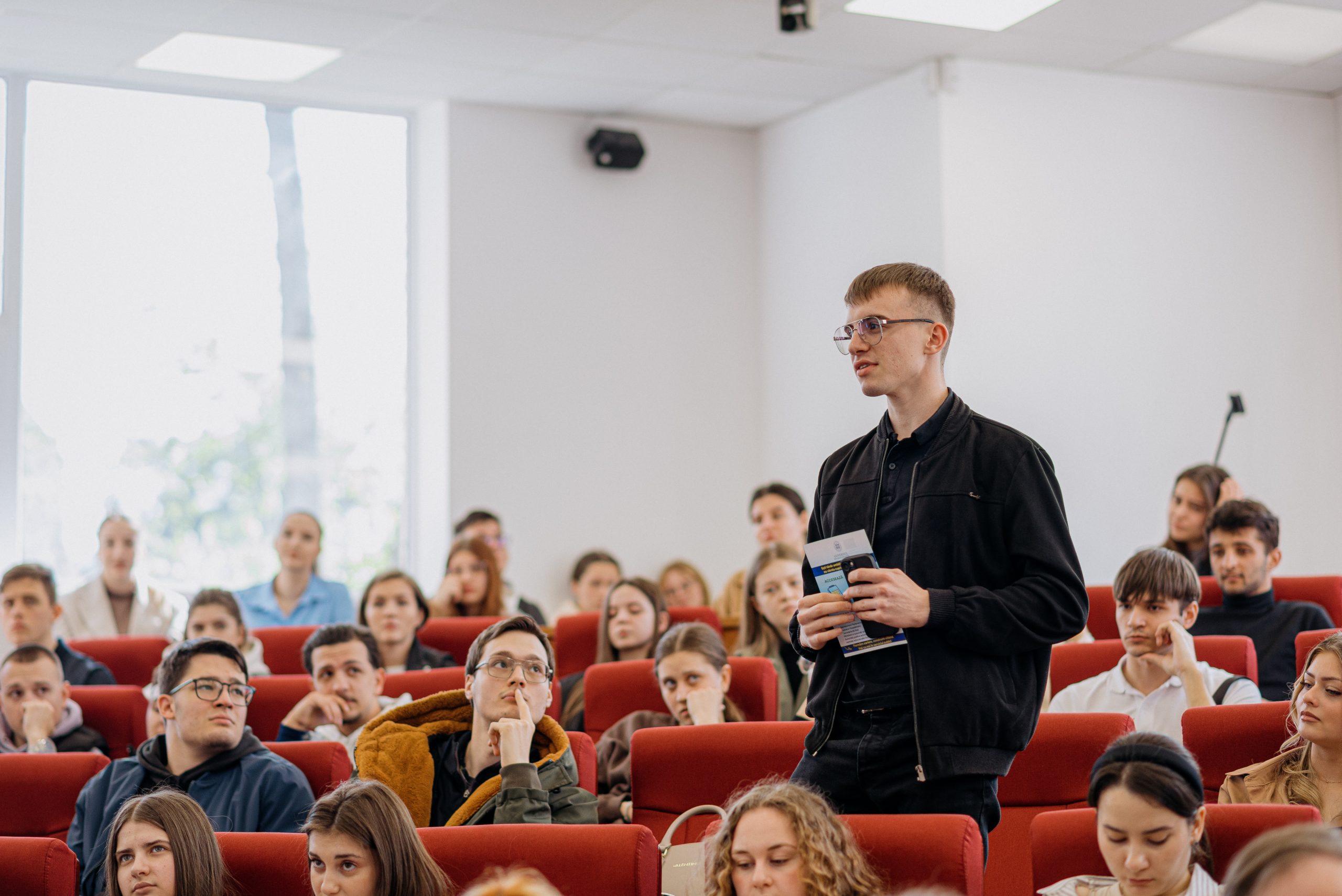
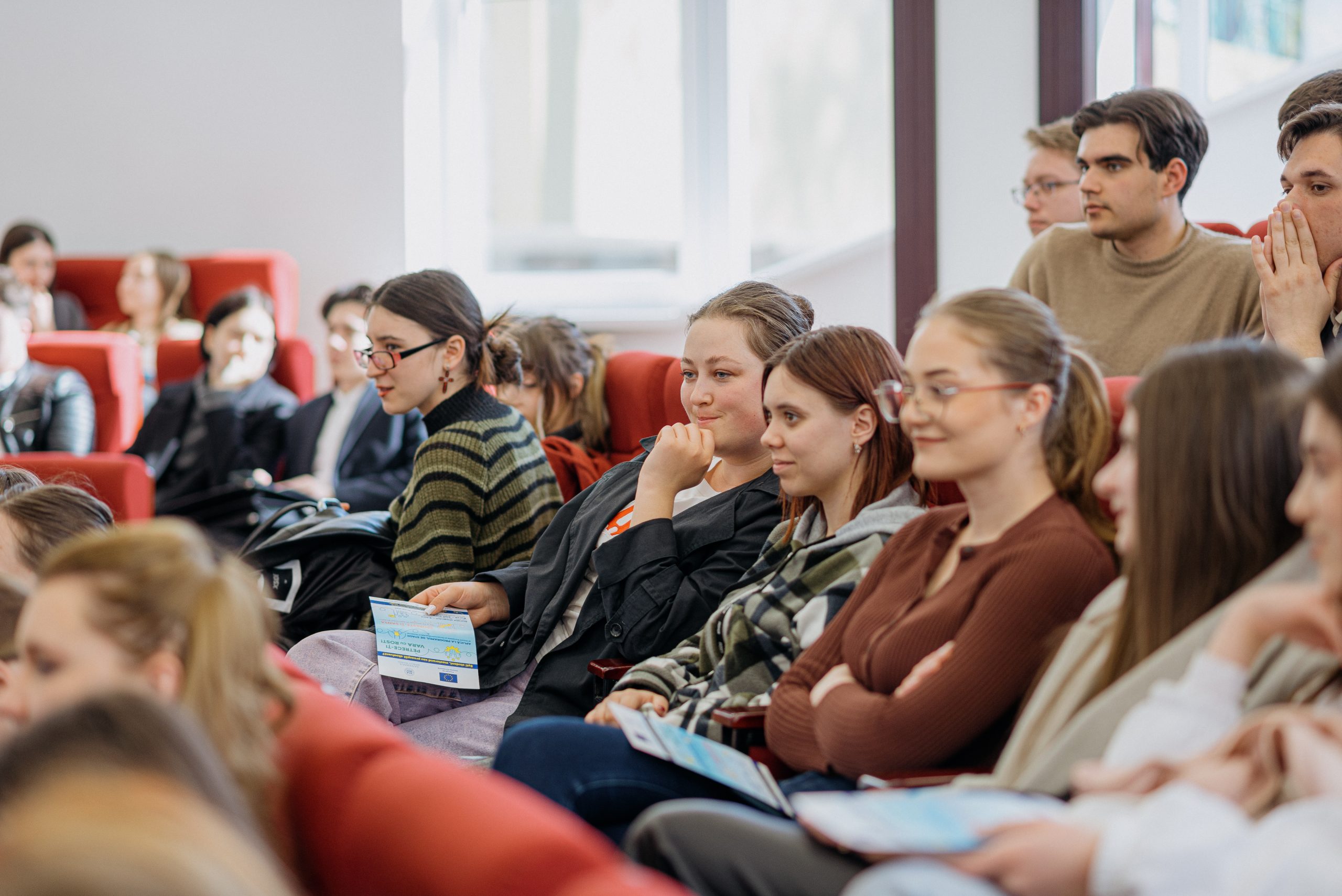
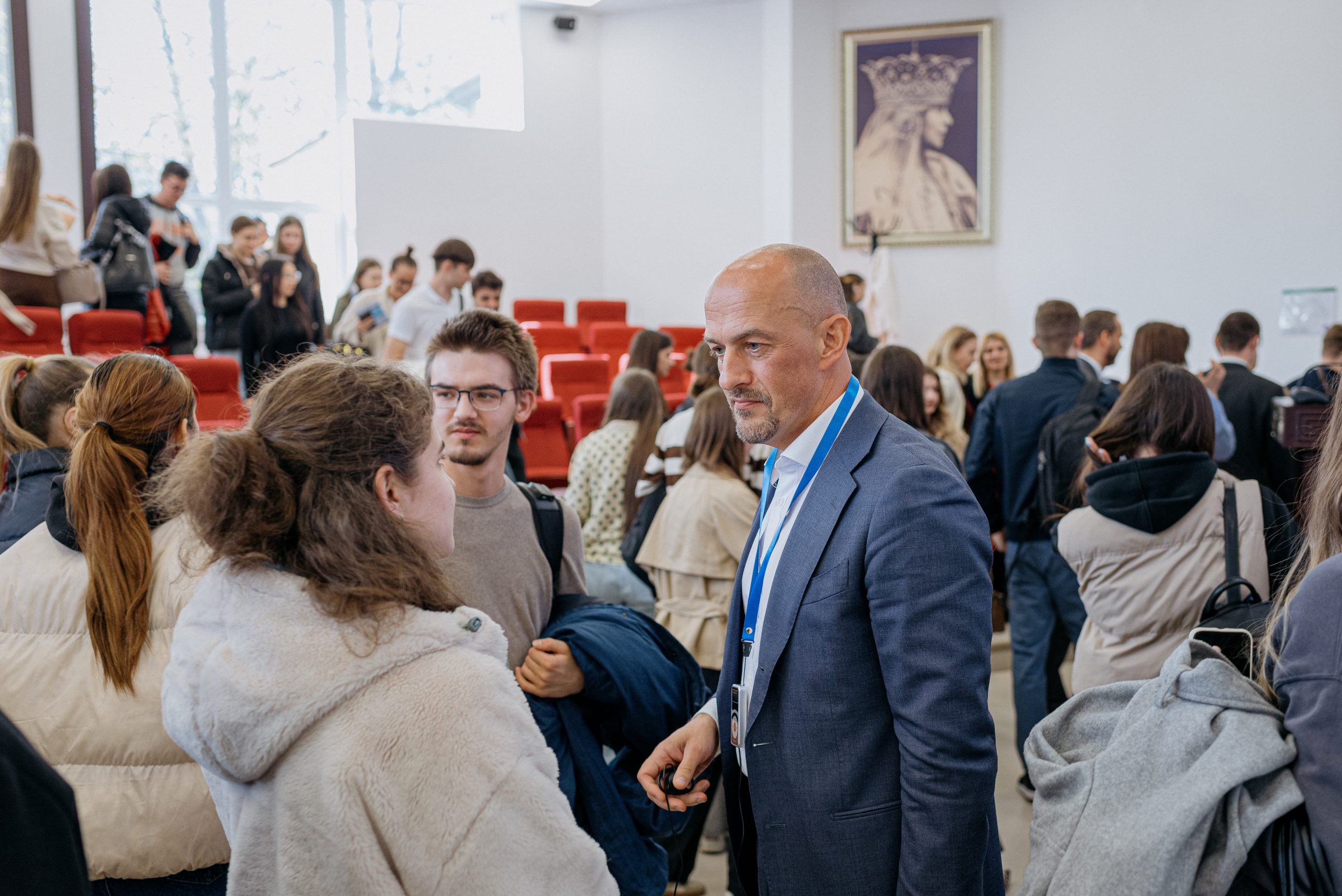
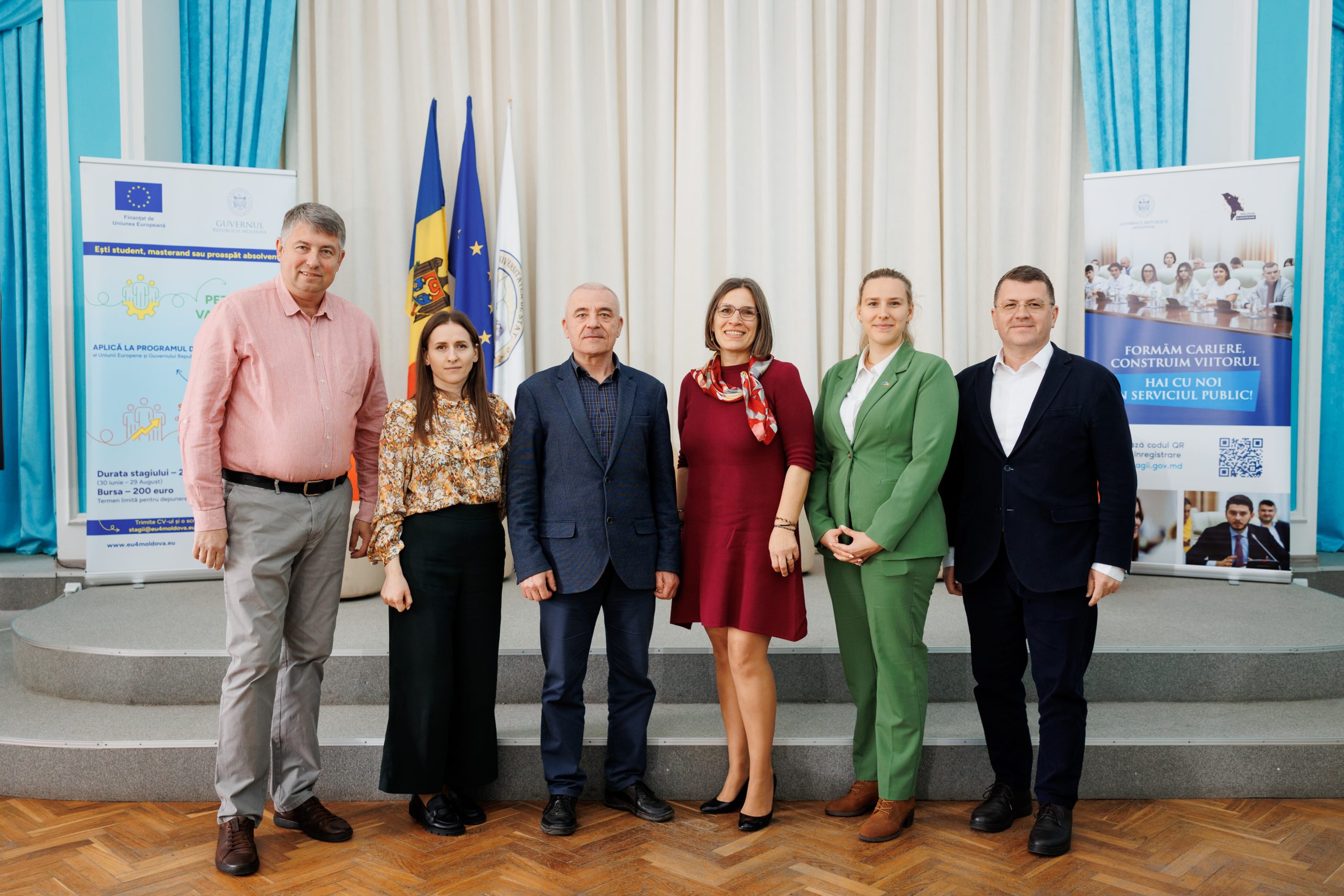
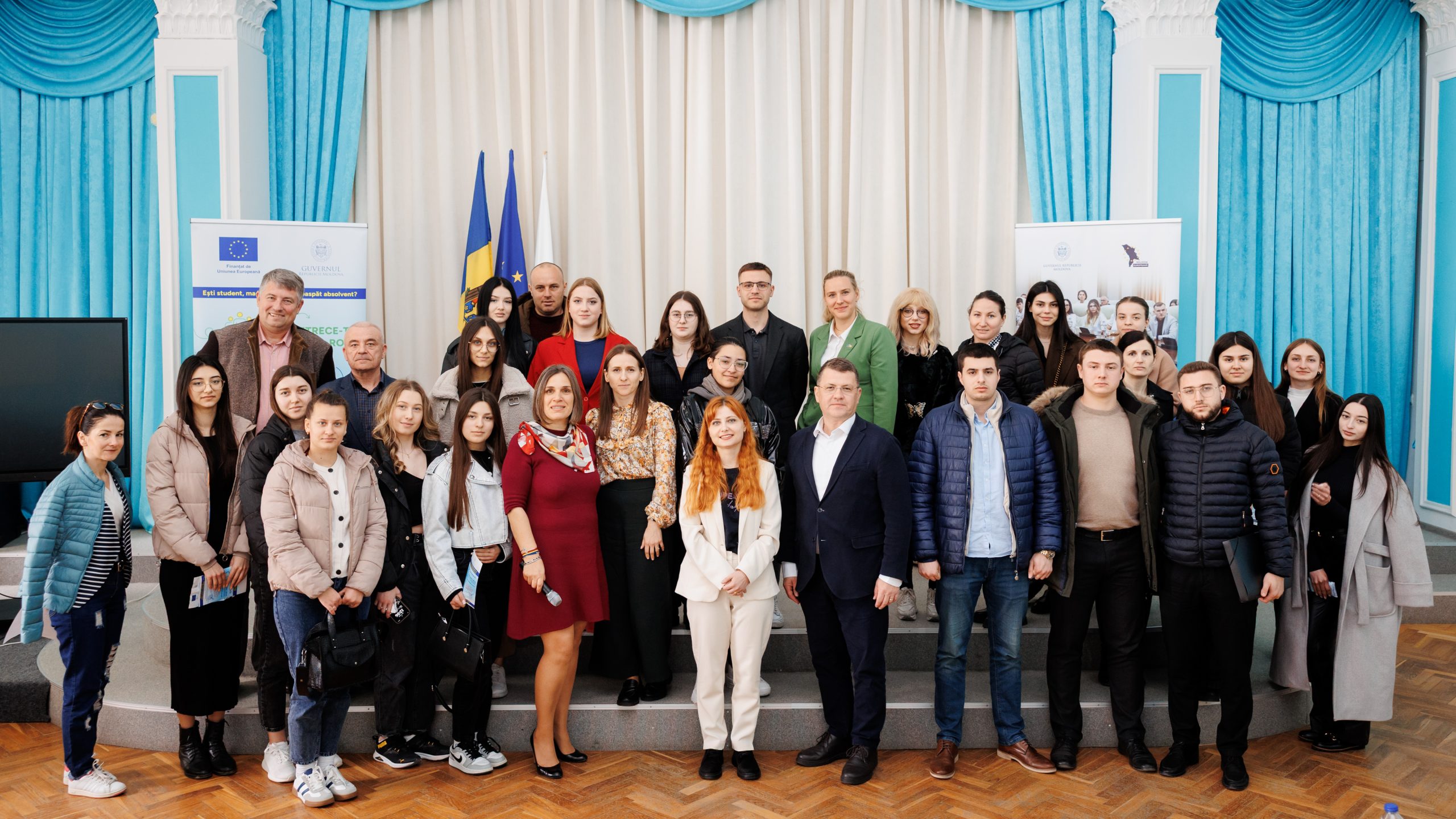
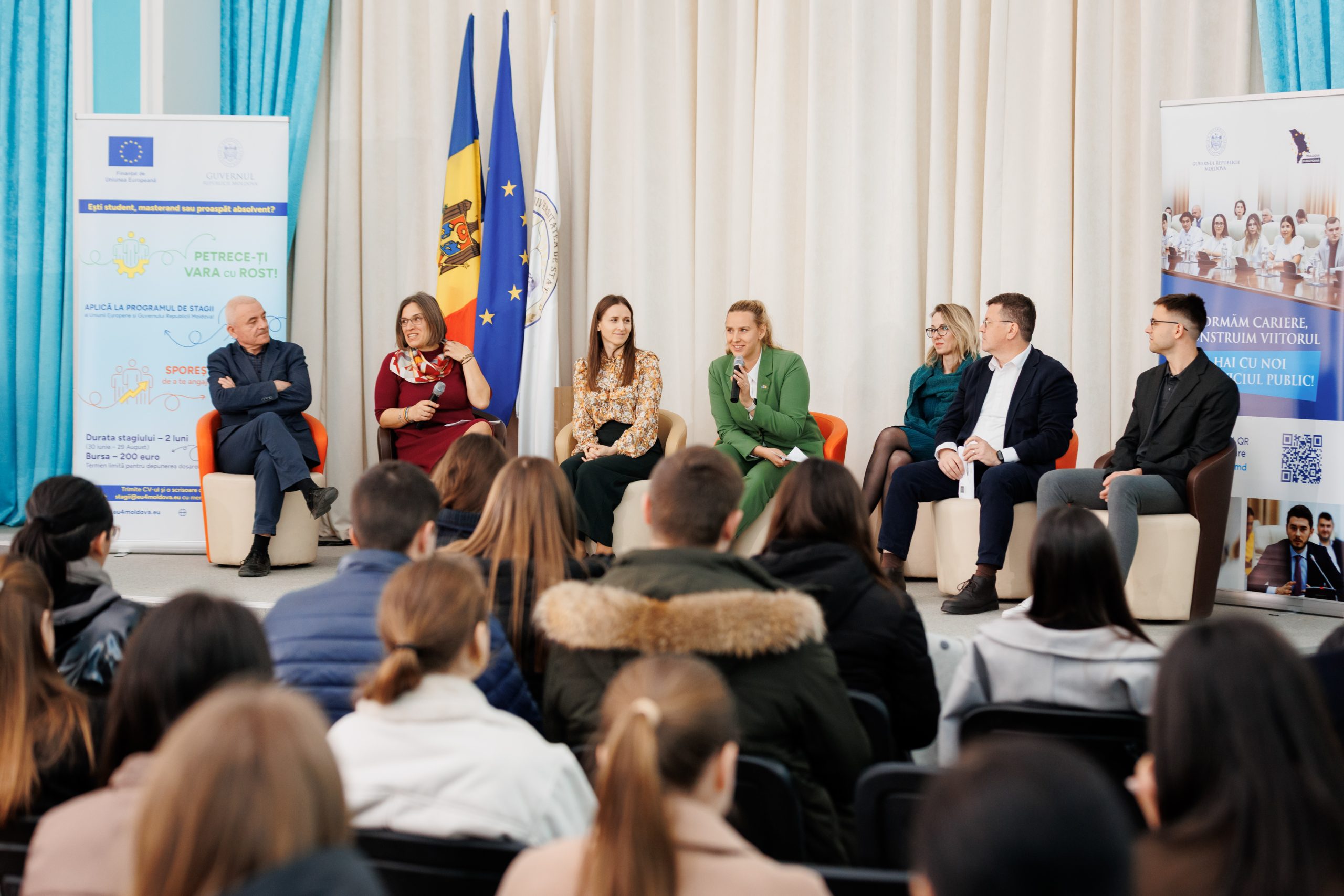
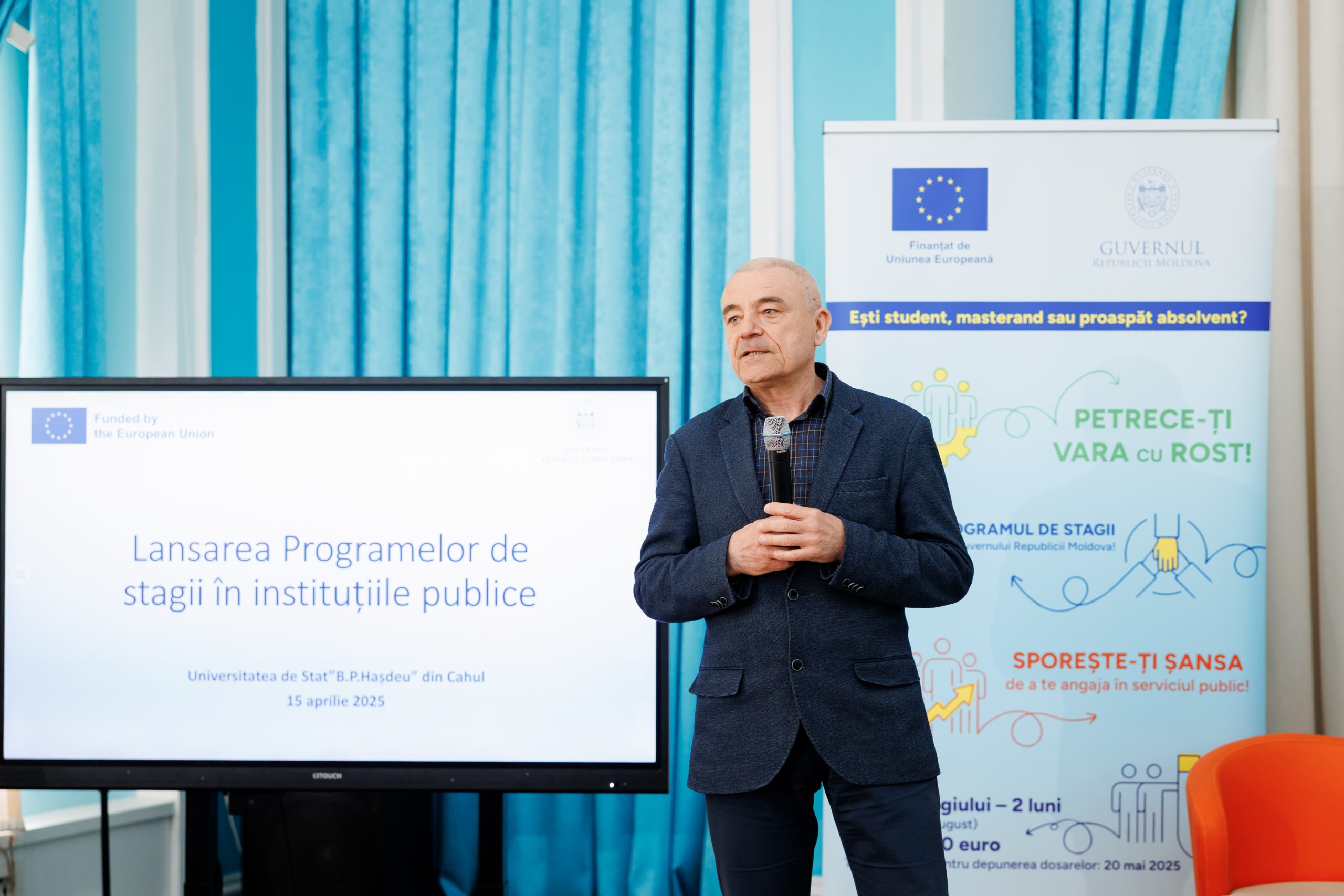
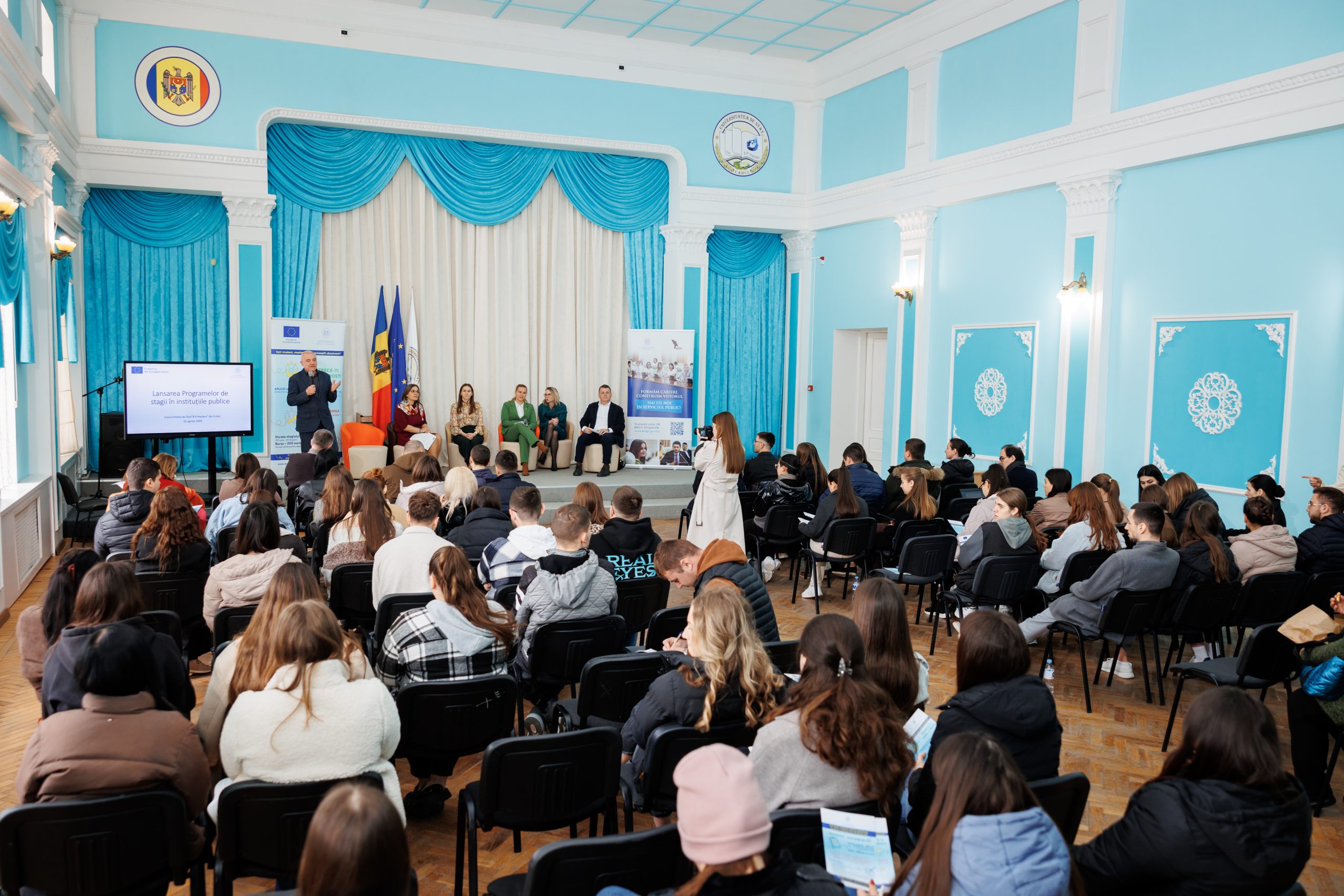
  • Establishing an internship programme for local students and young graduates in Moldovan public institutions. This initiative aims to attract young people to the public service, strengthening the administrative capacity of the Republic of Moldova.

PROJECT TEAM

Žydrūnas Bartkus

Country: Lithuania

Field: Anti-corruption

Institution: Office for Prevention and Fight against Money Laundering

Žydrūnas Bartkus has accumulated extensive experience at both the national and international level in organizing and implementing anti-corruption and money laundering strategies, creating and improving asset recovery and management systems, promoting inter-institutional and international cooperation. Until 2023 year, Žydrūnas Bartkus worked as the Director of the Lithuanian Special Investigation Service, and was also elected and held the position of President of the European Partners Against Corruption (EPAC/EACN), a network uniting over a hundred institutions from almost 40 European countries.

Rolandas Taraškevičius

Country: Lithuania

Field: Agri-Food Sector Development

Institution: Ministry of Agriculture and Food Industry

An accomplished legal professional with a transnational and European focus, bringing over 21 years of extensive experience to the table. With two decades spent in prominent roles within the civil service’s agri-food sector in the Republic of Lithuania, Rolandas has excelled in positions such as Head of Unit, Deputy Director, Director, Chair, Chief Advisor, and Deputy Minister. 

His journey began with pivotal contributions to Lithuania’s accession to the EU, where he played a direct role in legal responsibilities related to agri-food chapters of the Accession Treaty. Rolandas was instrumental in establishing a coordination model and actively represented national interests in legislative processes, both at the EU Council and its working parties, as well as the European Commission’s working fora, including comitology committees. His involvement extended to shaping various roles in all subsequent Common Agricultural Policy (CAP) reforms, commencing with Commissioner Fischler’s reform in 2003.

During Lithuania’s EU Presidency in 2013, Rolandas chaired the EU Council’s Special Committee on Agriculture (SCA). In this capacity, he led negotiations and finalized the first-ever CAP reform under co-decision with the European Parliament, covering the period 2014-2020. His leadership extended to managing other major agri-food legislative dossiers at the time.

Possessing firsthand experience of the last two decades of evolving CAP, including its challenges, opportunities, and interactions with other EU policies such as the recent EU’s Green Deal, Rolandas is well-equipped to offer insights and tailored advice to meet the evolving needs of beneficiaries. His direct involvement in various activities and actions of the Lithuanian government and the Ministry of Agriculture related to economic diplomacy and the promotion of intra and extra EU trade of national agri-food production further enhances his value to the project’s goals, including support for fulfilling commitments under the Association Agreement (AA) and the Deep and Comprehensive Free Trade Area (DCFTA).

Nicolae Grigore

Country: Romania

Field: Financial Services

Institution: National Bank of Moldova

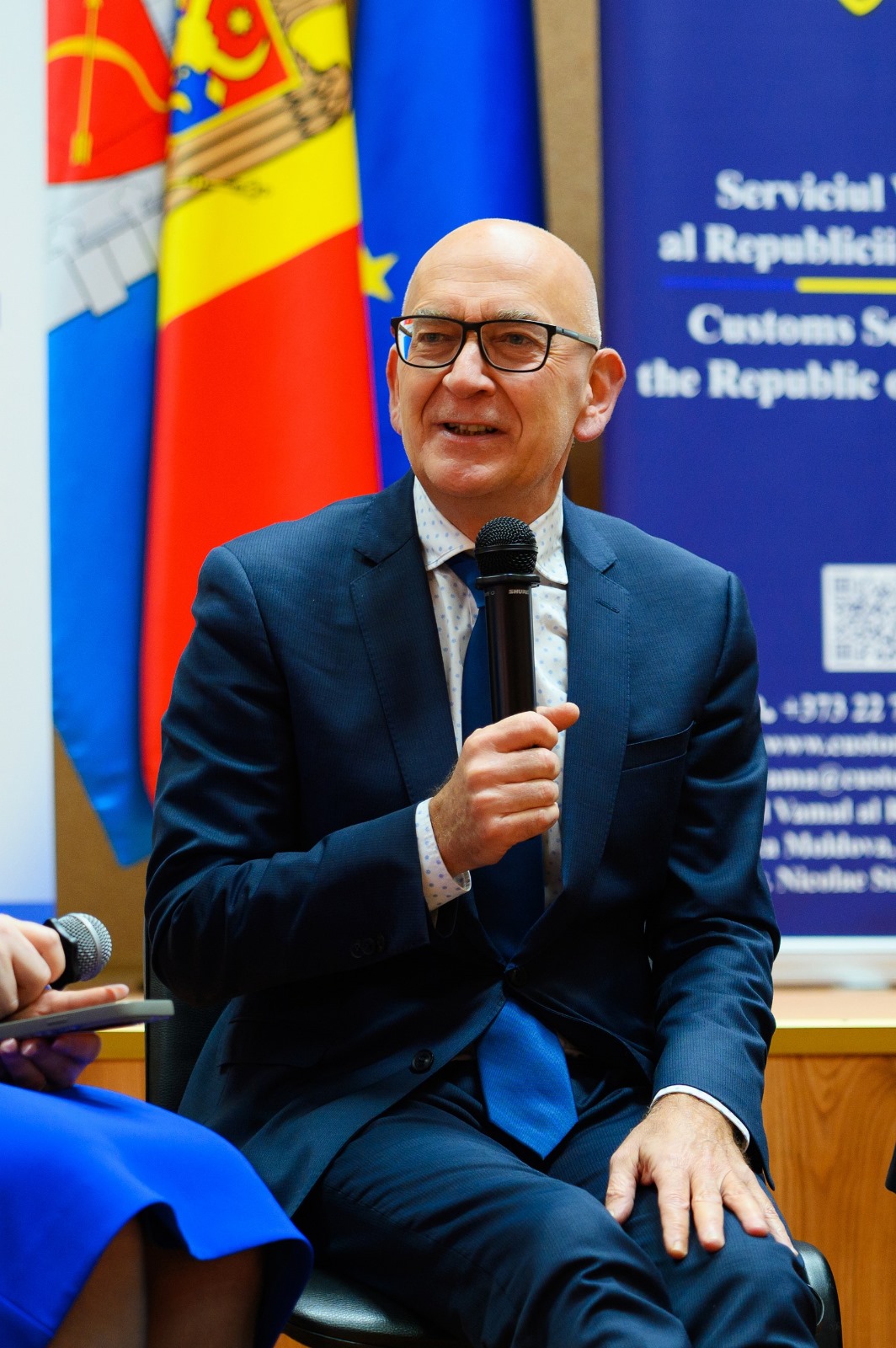
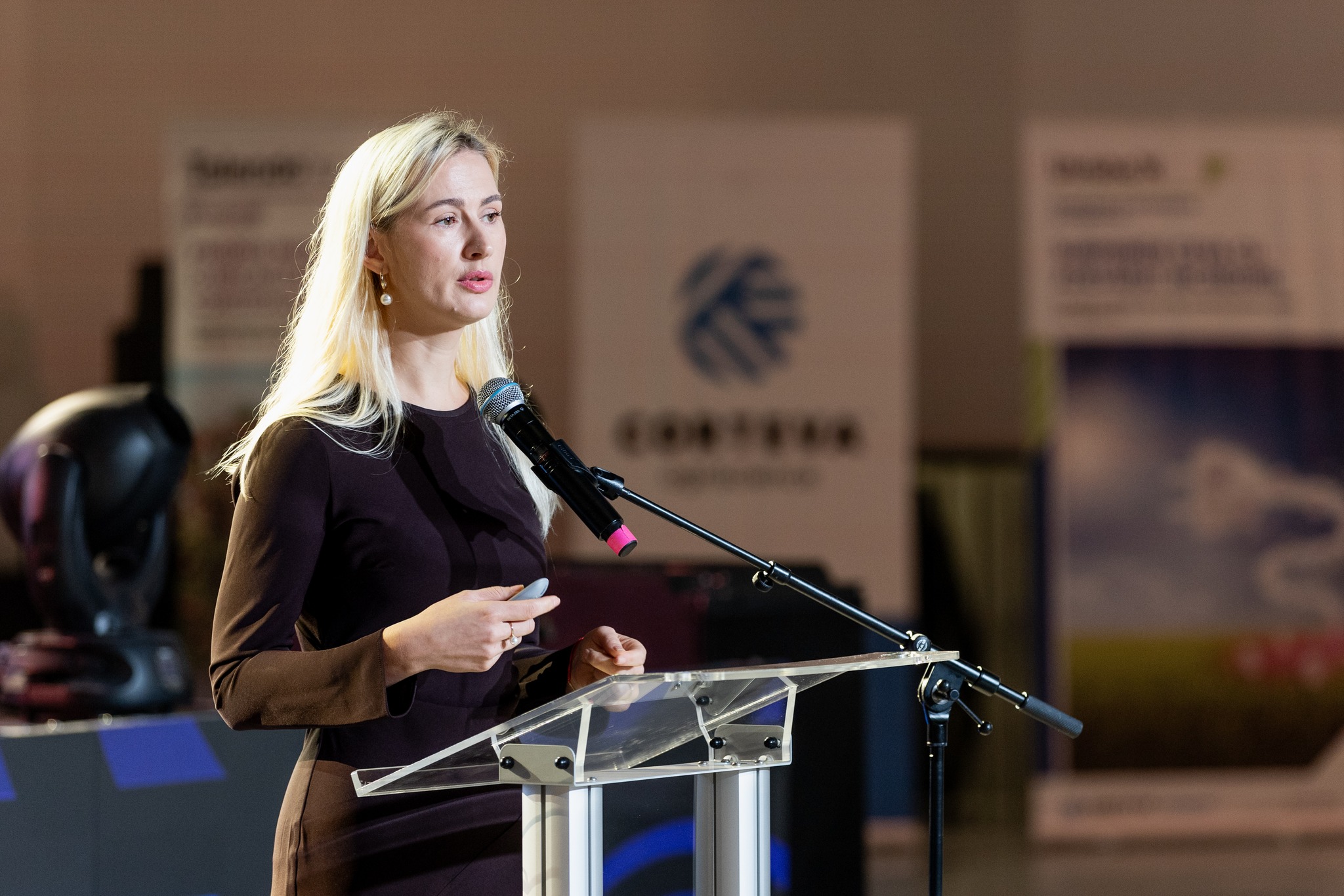
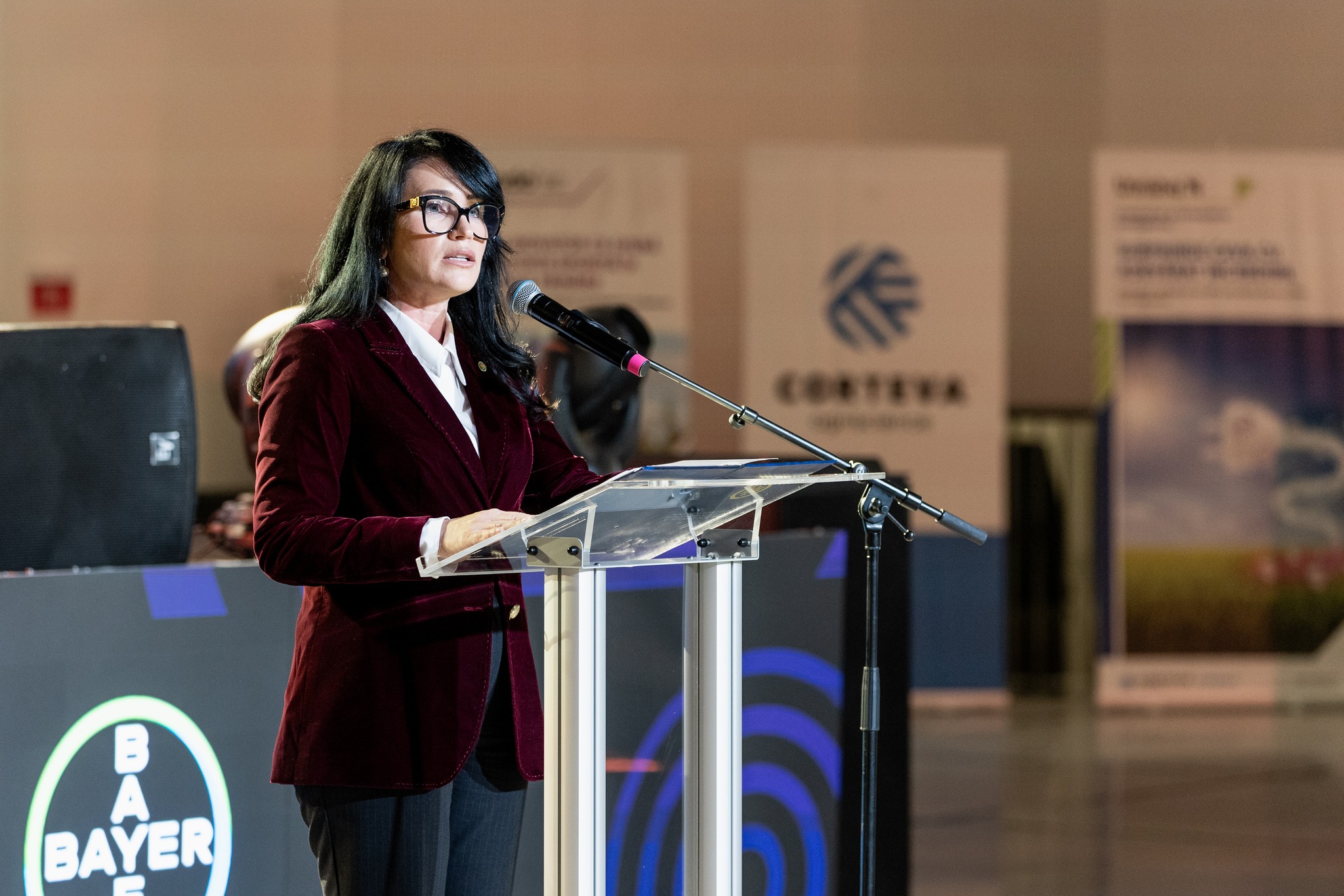
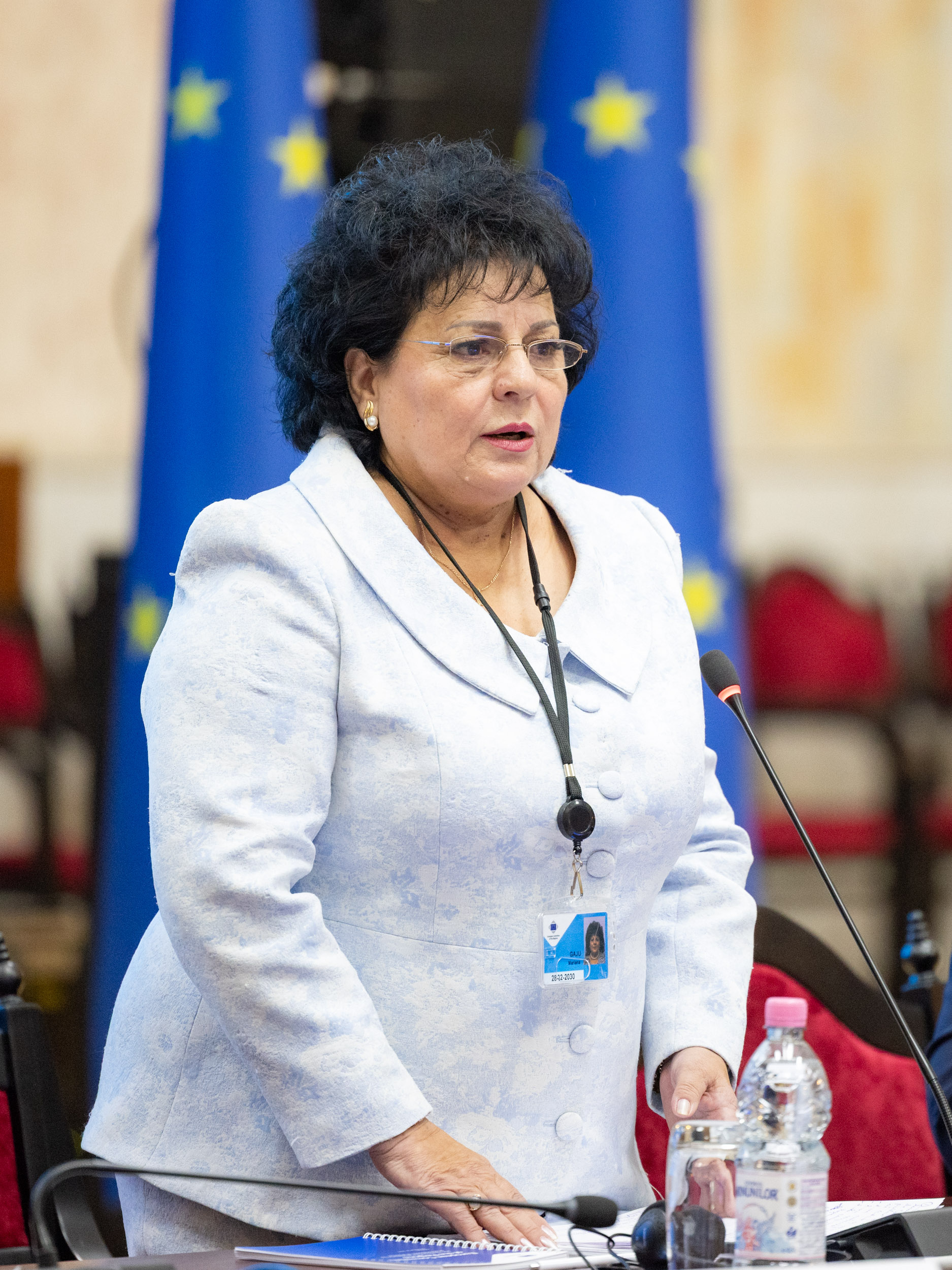
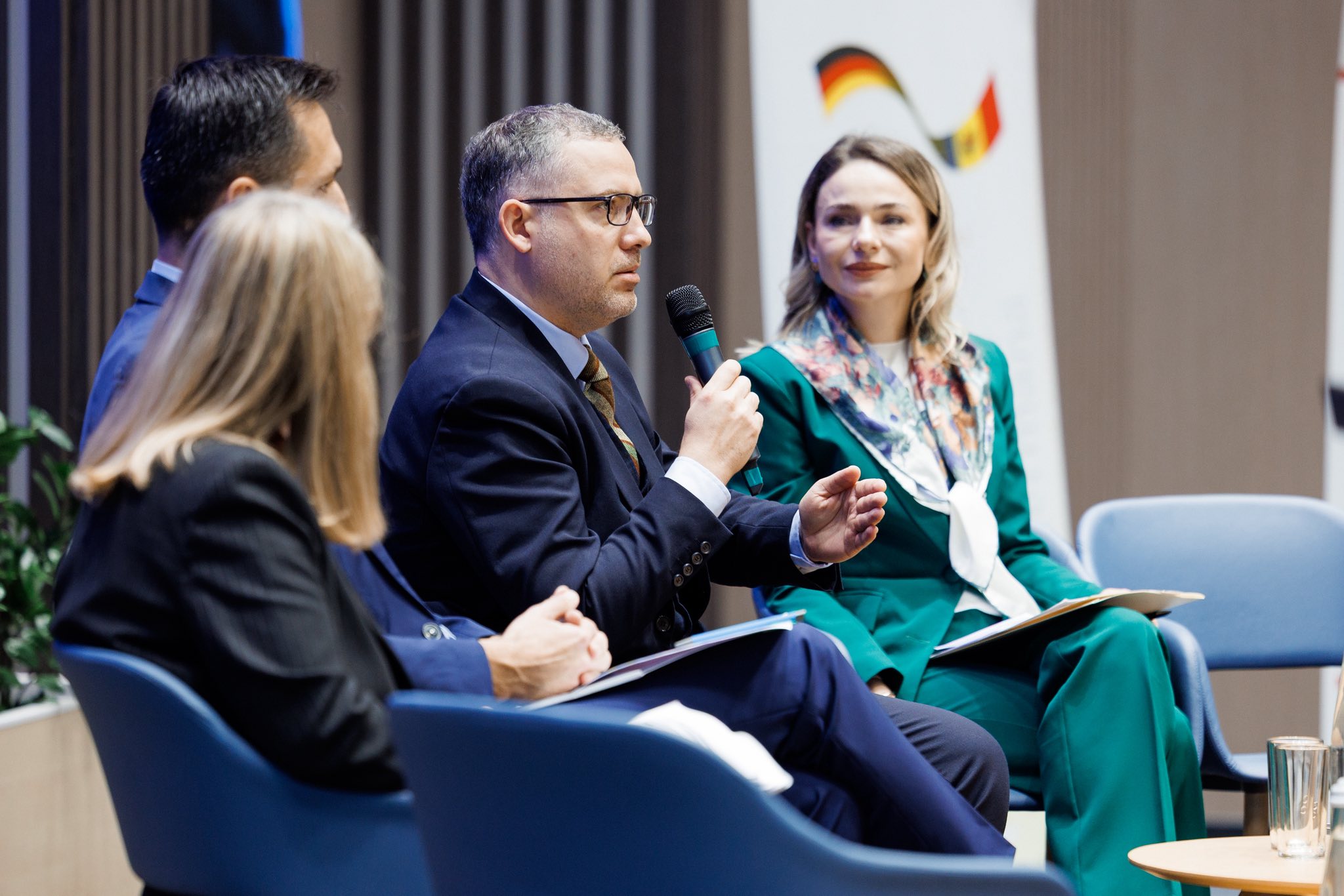
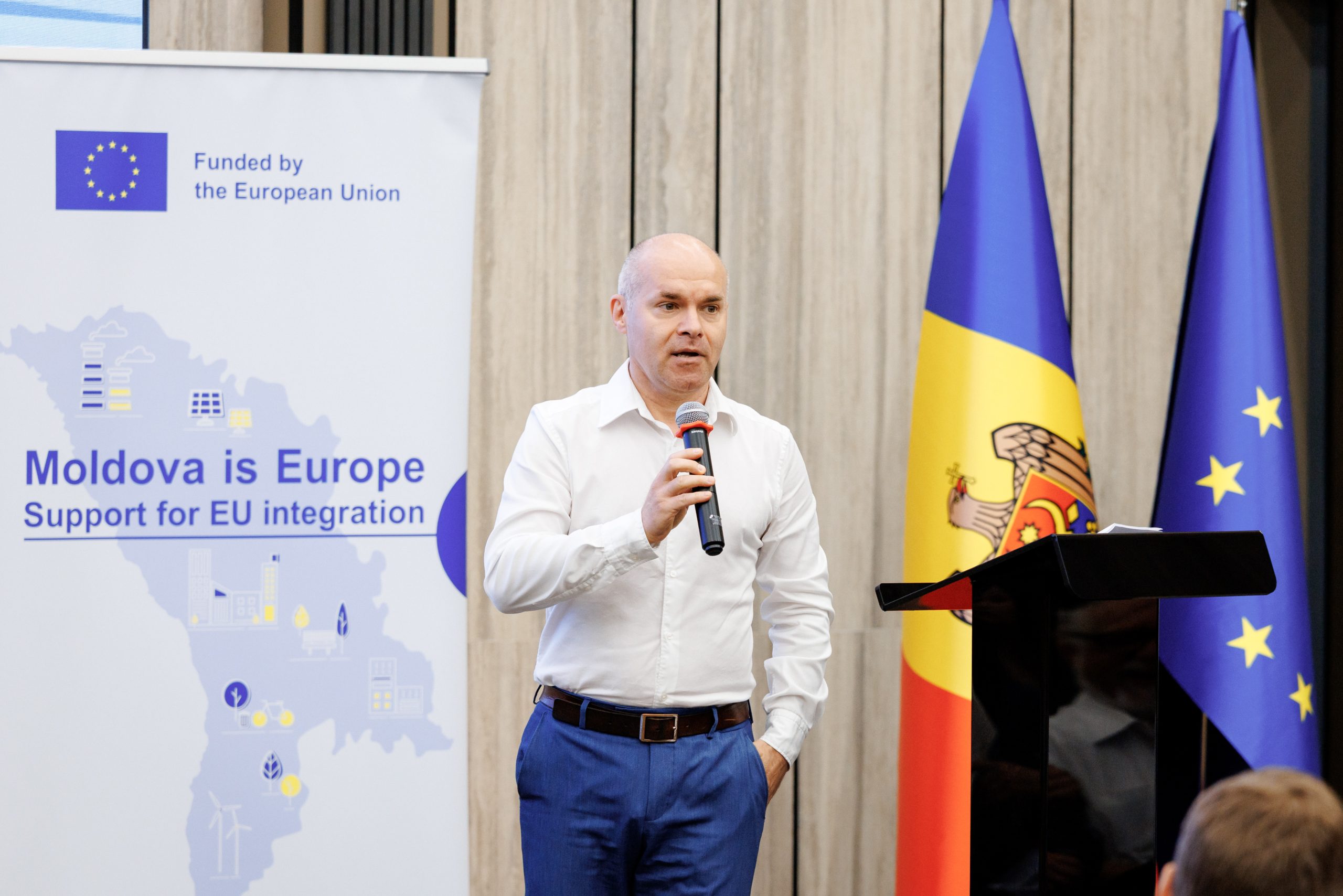
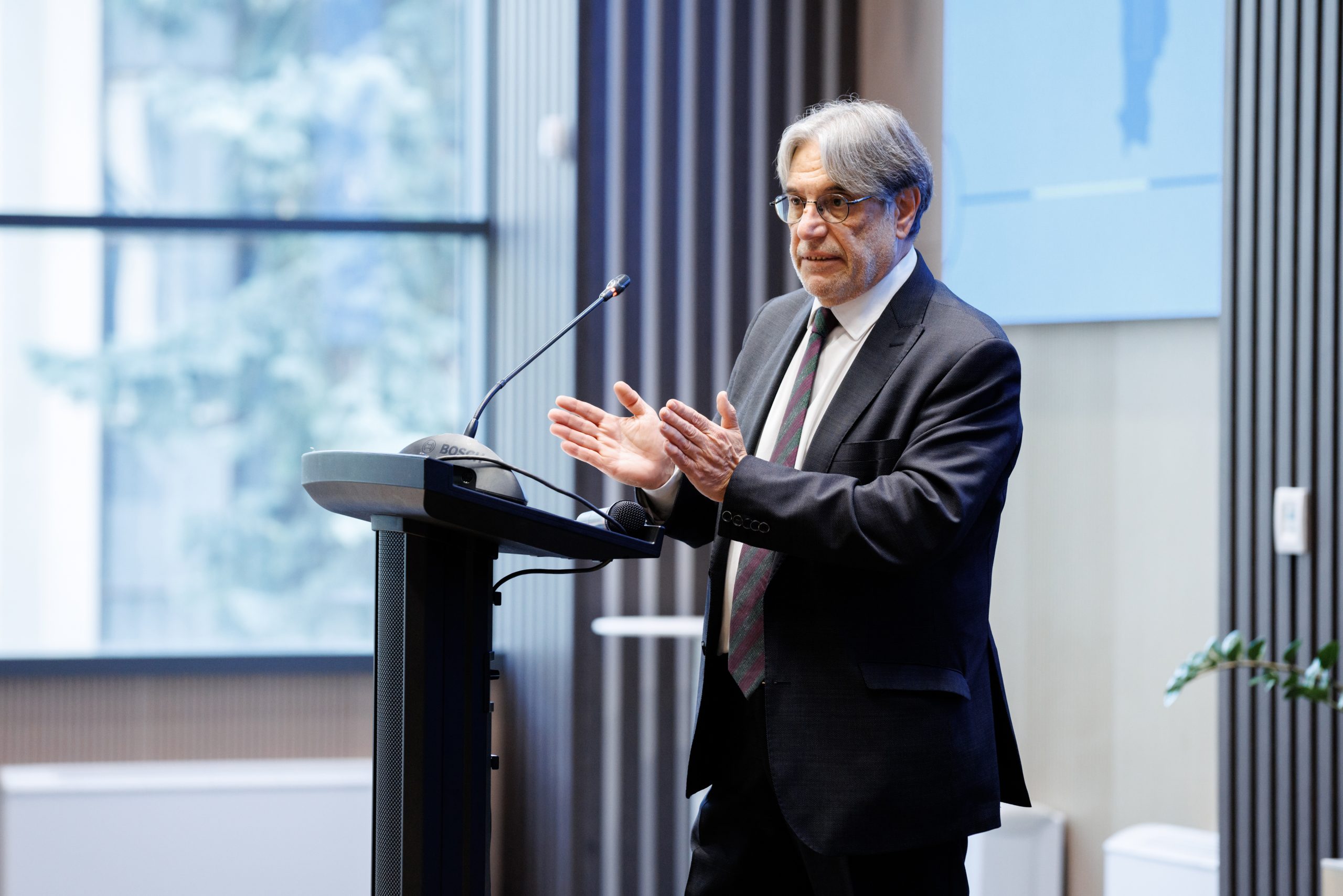
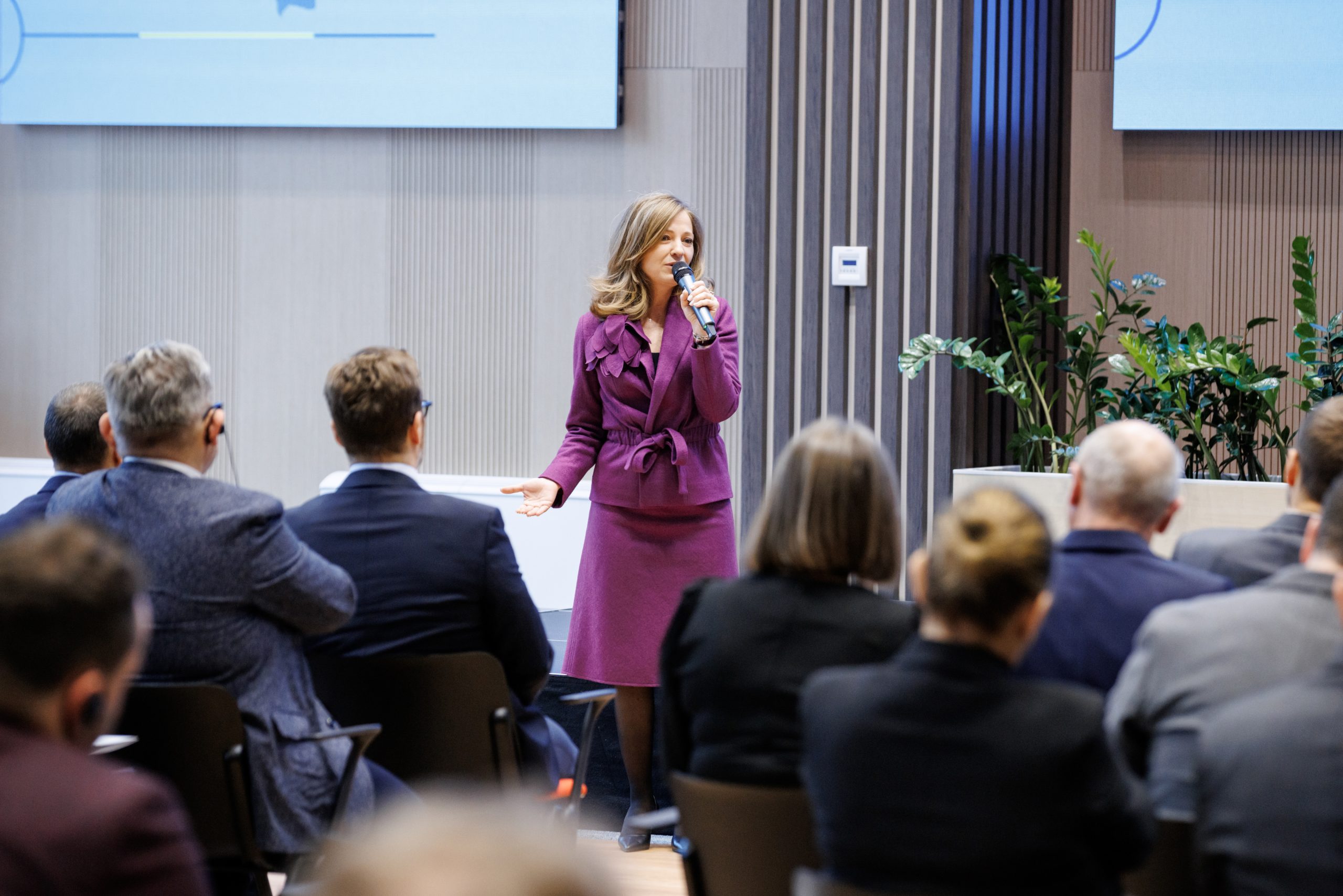
Nicolae Grigore EU High Level Adviser on Financial Services speaking at an event in the Moldova is Europe - Support for Eu Integration project

With over 22 years of experience within the National Bank of Romania, Nicolae Grigore has been actively involved in the process of cooperation with international bodies responsible for the regulation and supervision of the financial sector, being a member of various supervisory colleges, working groups and committees of international financial institutions.

Before taking on the role of EU High-Level Adviser on Financial Services in Moldova, Nicolae Grigore served as the Head of the Anti-Money Laundering and Monitoring of International Sanctions Enforcement Division within the Supervision Department of the National Bank of Romania. In addition, as Senior EU Expert, he supported the National Bank of Moldova in implementing international standards and best practices in banking supervision, while also assisting in building the necessary capacities for developing and implementing the Supervisory Review and Evaluation Process, in accordance with EU standards.

Gabriela Scutea

Country: Romania

Field: Justice and Prosecution

Institution: Ministry of Justice, Prosecutor General’s Office

Gabriela Scutea EU High Level Adviser on Justice and Prosecution

Gabriela Scutea achieved a 27-years long career for the Prosecutor’s Office in Romania (Public Ministry) and served as General Prosecutor from February 2020 to February 2023. In addition to the managerial positions within the Public Ministry (2006-2013 – Deputy General Prosecutor, and Chief or Deputy Prosecutor within territorial offices in Brasov County), she gained experience within the central administration, serving for the Ministry of Justice of Romania in 2016 as State Secretary.

In her high-level prosecutor capacity, Gabriela took active part in meetings of the CCPE (Council of Europe format) and the Consultative Forum (EU Member States format).

Between 2013-2016, she acted within the Permanent Representation of Romania to the EU, covering the field of Justice, including the specific instrument for Romania’s Cooperation and Verification Mechanism (benchmarks on the independence and efficiency of the judiciary, and fighting corruption). She is fulfilling the tasks of High Level Adviser on Justice and Prosecution since September 2023, assisting the management of the Ministry of Justice on EU accession matters.

Dragos Mihael Ciuparu

Country: Romania

Field: Reforms coordination

Institution: Prime-Minister’s Office

Prof. Dragos Mihael Ciuparu is a chemical engineer by training with a Ph.D. from the University of Paris 7 “Denis Diderot”. He spent almost 7 years with the Department of Chemical Engineering at Yale University, first as a post-doctoral fellow, and later as Research Scientist. At the end of 2005 he returned to the Petroleum – Gas University of Ploiesti, Romania, establishing a new research group and obtaining the title of professor.

Prof. Ciuparu has published over 70 peer reviewed papers, co-authored 3 technical books, and holds 5 US patents. Prof. Ciuparu’s involvement in public administration and policy-making started as a member of the Presidential Commission for Education and Research Policy, widely credited with contributing to the jumpstart of the sectoral reform process in Romania, and of the National Council for Scientific Research. Between 2010 and 2012 he was President of the National Authority for Scientific Research, managing all policy-making and competitive research funding programs in Romania. Starting with January 2020 he was appointed Secretary of State for research within Ministry of Education and Research, and from June to September 2021, he was Secretary of State for research within the Ministry of Research, Innovation and Digitalization.

Victor Wili Apreutesei

Country: Romania

Field: Internal Security Affairs

Institution: Ministry of Internal Affairs

Romanian police quaestor with over 21 years of experience starting as Crime Investigation Officer, Analyst, and Manager of Intelligence Analysis and witness protection units for 14 years and First Deputy of the General Inspector of Romanian Police.

Extensive expertise in capacity building, product, and process design aimed at increasing the safety and security of citizens whilst maximizing institutional efficiency, accountability, and responsibility.

International proficiency as policy contributor and strategy developer acting in various capacities at European level:

• Chair of Standing Committee on Internal Security (COSI) within the Council of EU

• Head of delegation for the Law Enforcement Working Party with the Council of EU

• Project manager, Component Leader and Expert of Twinning, Research and Innovation and Cohesion Funds

Hans Martin Sieg

Country: Germany

Field: Strategic Coordination and European Affairs

Institution: Presidential Administration

Hans Martin Sieg EU High Level Adviser on Strategic Coordination and European Affairs

Martin Sieg has served as an adviser to German and international governmental and nongovernmental organizations. Most recently he was Director of the Konrad-Adenauer-Stiftung in Romania and the Republic of Moldova from 2017-2021. Sieg holds doctorates in history and political science and has taught security policy, European integration, and EU foreign relations at the Universität Frankfurt/Oder, Freie Universität Berlin, and Universität Passau.

Alexandru Sandulescu
Country: Romania
Field: Energy
Institution: Ministry of Energy

Alexandru Sandulescu is a highly-experienced energy expert with over 40 years of professional activity. Mr. Sandulescu holds a Master’s degree in Energy from the Bucharest Technical University and a PhD in Energy Markets. He also studied utility regulation at the University of Florida in Gainesville, United States and Sherbrooke University in Montreal. Before his current assignment in the Republic of Moldova, Mr. Sandulescu held several key positions in Romania energy sector, including Director for Energy at the Romanian Ministry of Economy, as well as General Director at the Romanian Energy Regulatory Authority (ANRE), and Researcher and Programme Director at ICEMENRG, a national energy engineering and research institute.

In his role of EU High-Level Adviser on Energy, he provides policy advice to Moldovan authorities aiming to create competitive energy markets based on the EU energy acquis; to increase energy security of supply by promoting the gas and electricity interconnections with EU networks; to develop a sustainable energy sector by increasing the use of renewable energy sources and through energy efficiency projects. Transposing and implementing EU legislation in energy along with advancing the Reform Agenda are also key priorities of Mr. Sandulescu.

Daniel Funeriu

Country: Romania

Field: Education and Research

Institution: Ministry of Education, Culture and Research

Daniel Funeriu EU High Level Adviser on Education and Reseach

Dr. Daniel P. Funeriu is a researcher by training. In 1999 he received his PhD in chemistry from the University of Strasbourg, under the guidance of Nobel Laureate J.-M. Lehn. After holding research positions at the Scripps Research Institute in La Jolla, California, and the National Institute of Advanced Industrial Science and Technology, Amagasaki, Japan, he joined the Technical University Munchen in 2006 on a Marie Curie Excellence Grant. In 2009 he became Member of the European Parliament and later that year Minister for Education, Research, Youth and Sports of the Romanian Government. In that capacity, he promoted a comprehensive modernisation of the Romanian education landscape, by adopting a new education law, new research legislation, strong anti-corruption measures as well as transparency, fight against plagiarism and performance-based allocation of research funds. In 2012 he became senior advisor to the Romanian president, with ministerial rank, until 2014. Before joining the team of  the project “Moldova is Europe – Support for EU Integration”  he was pursuing research in the Charles Sadron Institute, France.

Pavlos Kollias

Team Leader

Pavlos Kollias is a senior Economist with extensive, multi-sectoral professional experience of over 35 years in programming, strategic planning and , programme/- and project formulation. He managed and coordinated multi-disciplinary, multinational teams in the context of various capacity building programmes/projects in the areas of Regional and Local Economic Development, Cross-Border/Transnational & Interregional Cooperation, Public Administration Reform, Organisational & Human Resources Development, Employment/Labour Market and Social policies, Vocational Education & Training, Business- and SME Development.

Working internationally in the last 23+ years as Team Leader/Senior Expert in the context of a large number of EU funded (PHARE, ISPA, SAPARD, CARDS, IPA, European Neighbourhood Instrument, NDICI) projects in 14 EU candidate or associated countries in Central & Eastern Europe, the Balkans and the Neighbourhood/EaP Region. Pavlos Kollias has additional experience as Institutional Management Specialist for the World Bank in the Middle East.

An extensive international consulting career committed to:

  • assessing and improving governance structures at central, regional and local levels,
  • supporting the formulation of National and Sectoral Programmes and designing National and Sectoral/Regional Development strategies and policies,
  • providing technical assistance and institutional capacity building support to the public administration, Central Ministries and Sectoral/Regional Agencies,
  • performing functions entrusted to Managing, Paying Authorities and/or Intermediate Bodies in EU pre-accession countries and/or supporting them during the post-accession stages,
  • assisting the Governments of associated countries of the EU Neighbourhood in implementing their EU Association Agreements for strengthening their administrative capacities, designing/managing the partnership building process, drafting/implementing the National Development Strategies and Programmes, Regional Development Plans and Sectoral/Regional Operational Programmes, integrating the national sectoral/regional strategic priorities with the regions’ own policy objectives, utilising their endogenous potential and comparative advantages to enhance regional and local competitiveness, and developing their respective project pipelines.
Primož Vehar

Key Expert 2 – Deputy Team Leader

Institutional Reforms and Legal Approximation

Primoz Vehar Deputy Team Leader Institutional Reforms and Legal Approximation standing in front of EU flag in a suit

Primož Vehar is a lawyer from Slovenia, with advanced studies and a Master’s degree in Political Science focused on the organization of legal approximation in the EU accession process.


He began his career (now spanning over 30 years) in the Slovenian public administration, serving as a legal drafter responsible for organizing legal approximation and implementing the Association Agreement within the Government Office of Legislation. He also spent one year in the judiciary, during which he passed the bar exam.


During Slovenia’s EU accession negotiations, he provided legal support to the core negotiating team and worked extensively on legal approximation.
In the last two years of the negotiations, he served as Secretary of the EU Affairs Committee in the National Parliament, helping establish the Committee and implement changes to parliamentary rules of procedure in preparation for EU accession. He was also part of the team that prepared constitutional amendments and the Law on Cooperation between the National Assembly and the Government on EU matters.


His involvement across all three branches of law (executive, judiciary, and legislature) during and immediately after the accession process enabled him to transition into independent legal consultancy back in 2005, primarily supporting Western Balkan countries on EU-funded projects related to legal approximation and the organization of accession negotiations.


Primož served as a Senior Adviser at OECD/SIGMA for five years, supporting public administration reform in Western Balkan countries and Ukraine. Since 2020, he has been working in Moldova as Team Leader and Legal Approximation Expert on an EU-funded project supporting the implementation of the Association Agreement, legal approximation, and the organization of the EU accession process.


From September 2025, he holds the position of Deputy Team Leader, responsible for Institutional Reform and Legal Approximation on the EU-funded project “Moldova is Europe: Support for EU Integration.”

Klaudijus Maniokas

Key Expert 3 – Economic Reforms

Klaudijus-Maniokas expert on economic reforms

Klaudijus Maniokas holds a PhD in the field of Social Sciences from the University of Vilnius (for his thesis EU Enlargement and Europeanization).
He spent more than 10 years dealing with Lithuania’s accession to the EU and finished his civil service career as the Deputy Chief Negotiator and Deputy Director General of the European Committee under the Government of Lithuania.


Since 2004, as the Chairman of the board of the consulting firm ESTEP, he has led multiple consultancy and research assignments focused on European integration and development, specifically public sector reforms, EU accession management, and planning and evaluation of the EU structural funds interventions working with the European Commission services, SIGMA, EIB, World Bank and other organizations.


He has been consulting the governments of Eastern Europe and Western Balkans on these matters for the last twenty years. His most recent positions have been the Team Leader of the Support to European Integration project in Albania (2021-2024) and a Screening Expert for Ukraine2EU Program (2024-2025).

Iana Pustovaia

Communication Manager

With a Master’s Degree in International Relations, Iana has 16 years of professional experience in strategic communication, being the lead of several large-scale awareness raising campaigns including at national level, high-level events, development and maintenance of public institutions’ and development partners’ web sites, development of numerous information and visibility products.


She started her career as a journalist, and since 2009 has been working for several international development partners’ projects in Moldova, among which UN, World Bank, UNDP, EU, being in charge of communication & awareness raising campaigns in fields like central public administration reform, human rights and gender equality, development aid coordination, youth policies. She also has had the experience of being Adviser and Spokesperson of the Ministry of Youth and Sports.

In 2014, Iana joined the EU High Level Advisers’ Mission as Communication Expert and has been in charge of communication of several missions since then. In 2025, she became the Key Expert on Communication of the “Moldova is Europe – Support for EU Integration” project. She also holds a degree in English and German philology.

Ana Gilca

Junior Non-Key Expert/ Assistant of the EU High Level Adviser on Financial Services

Ana has over 12 years of professional experience, having worked with both government institutions and international organizations. She holds two master’s degrees in Economics and International Relations. 

Throughout her career, Ana has taken on roles within various ministries, where she participated in the adjustment of national legal frameworks to align with EU acquis, contributed to the development of ministerial, intergovernmental, and international agreements, and overseeing their implementation. Her expertise includes project management, financial oversight, and building strategic relationships with stakeholders, delivering key project outcomes while ensuring compliance with donor regulations.

Prior to joining the team of the project “Moldova is Europe – Support for EU Integration”, Ana worked for the EU funded Twinning projects, latest in the “Strengthening supervision, corporate governance and risk management in the financial sector”, aimed to support the National Bank of Moldova in carrying out reforms related to enhance supervision, corporate governance, and risk management in the financial sector. 

Fluent in Romanian and English, she has completed specialized training in international politics, integrity, and diplomatic communication at several EU institutions

Catalina Rotaru

Junior Non-Key Expert/Assistant of the EU High Level Adviser on Agri-food Sector Development

Catalina possesses a well-rounded and expanding background in sustainability, agri-food policy, and project implementation. She gained early experience working on sustainability and environmental projects in Bucharest, later building practical expertise in Moldova by supporting international development initiatives in the agri-food and environmental sectors. She has taken part in organising high-level visits, coordinating expert missions, preparing analytical reports, and facilitating events with international partners. These responsibilities have strengthened her understanding of sustainability frameworks, food security, and the United Nations Sustainable Development Goals—particularly those focused on environmental protection and resilient agri-food systems.

Catalina’s leadership, communication, and intercultural collaboration skills were further enhanced through initiatives such as the Young European Ambassadors Programme and through her diverse international education.

She completed her Bachelor’s degree in Chemistry in the Netherlands and obtained her MBA in Bucharest, equipping her with a strong foundation to work effectively with experts from varied cultural and institutional backgrounds.

Cornelia Ursu

Junior Non-Key Expert/Assistant of the EU High Level Adviser on Internal Security Affairs

Cornelia has a comprehensive background related to initiatives supported by international donors both for the public administration and in civil society. Her previous experience as training and local coordinator and a proven track record in planning, organizing and implementing project activities equipped her with skills in liaising with stakeholders, advising project management, ensuring quality outputs, maintaining budgetary compliance, drafting project documents. Cornelia’s prior roles also include assisting EU High-Level Advisers in education and financial-banking sectors, along with roles as a translator/interpreter providing language support and logistical assistance. 

Cristina Umanet

Junior Non-Key Expert/Assistant of the EU High Level Adviser on Anti-corruption

Having licentiate degree in Spanish and English Languages as well as in Business Law, Cristina has more than 15 years of hands-on experience in translation and interpretation, being employed as translator/interpreter on ad hoc (freelancer) and regular bases by various EU and USAID funded projects. She also gained experience in working as local facilitator, providing assistance and support during Deloitte Consulting missions to Moldova. Cristina is a detail-oriented and reliable person, open for new knowledge and committed to meeting deadlines.

Marina Zarija

Junior Non-Key Expert/Assistant of the EU High Level Adviser on Justice and Prosecution

Marina is a lawyer with five years of legal experience. Her area of expertise is business operations and commerce, mergers and acquisitions, corporate governance and restructuring, litigation.

Marina consulted previously on projects related to infrastructure, energy field and contributed to different publications on the Moldovan regulatory, doing business, as well as justice reform.

Currently, her subject of interest has switched to the banking and finance sector. Marina holds a Bachelor and Master of Laws degree.

Ina Camerzan

Junior Non-Key Expert/Assistant of the EU High Level Adviser on Reforms Coordination

Ina Camerzan holds a Bachelor’s and Master’s Degree in Economics from the Academy of Economic Studies of Moldova and completed the Intensive Programme in European Law and Economics at the Riga Graduate School of Law. She has developed a solid background working with international organizations, with experience in programmes and projects implementation and donor-funded consultancy.

Her professional background includes working with the Council of Europe Office in Chisinau on an anti-corruption project closely interlinked to national reform processes and the implementation of international standards. She also has experience supporting the implementation of educational programmes at the American Councils for International Education, as well as providing consultancy and analytical support for agriculture projects funded by international donors.

Cezara Cebanu

Junior Non-Key Expert/Assistant of the EU High Level Adviser on Education and Research

Cezara Cebanu Assistant of EU High Level Adviser on Education and Research

Cezara Cebanu is an experienced specialist with more than ten years of expertise in European integration, education policy, and international cooperation, with a professional background in EU-funded initiatives and consular diplomacy. Since 2019, she has been a key member of the European Union High-Level Advisers’ Mission in Moldova, acting as Junior Non-Key Expert and Assistant to the EU High-Level Adviser on Education and Research. Since 2025, she has been acting in the same position in the project “Moldova is Europe – Support for EU Integration”. In this role, she supports the implementation of national reforms in education, research, youth, sports, dual education and culture. Her earlier experience includes consular service for the Republic of Moldova in Italy and participation in EU Twinning on cultural heritage protection.

She holds a Master’s degree in European Integration: EU Policies and Community Project Planning from the University of Padua (Italy) and a second Master’s degree in Work and Organizational Psychology from Moldova State University.

Cezara is recognized for her diplomatic mindset, organizational skills, intercultural sensitivity, and commitment to public service and European values.

INTERNSHIP

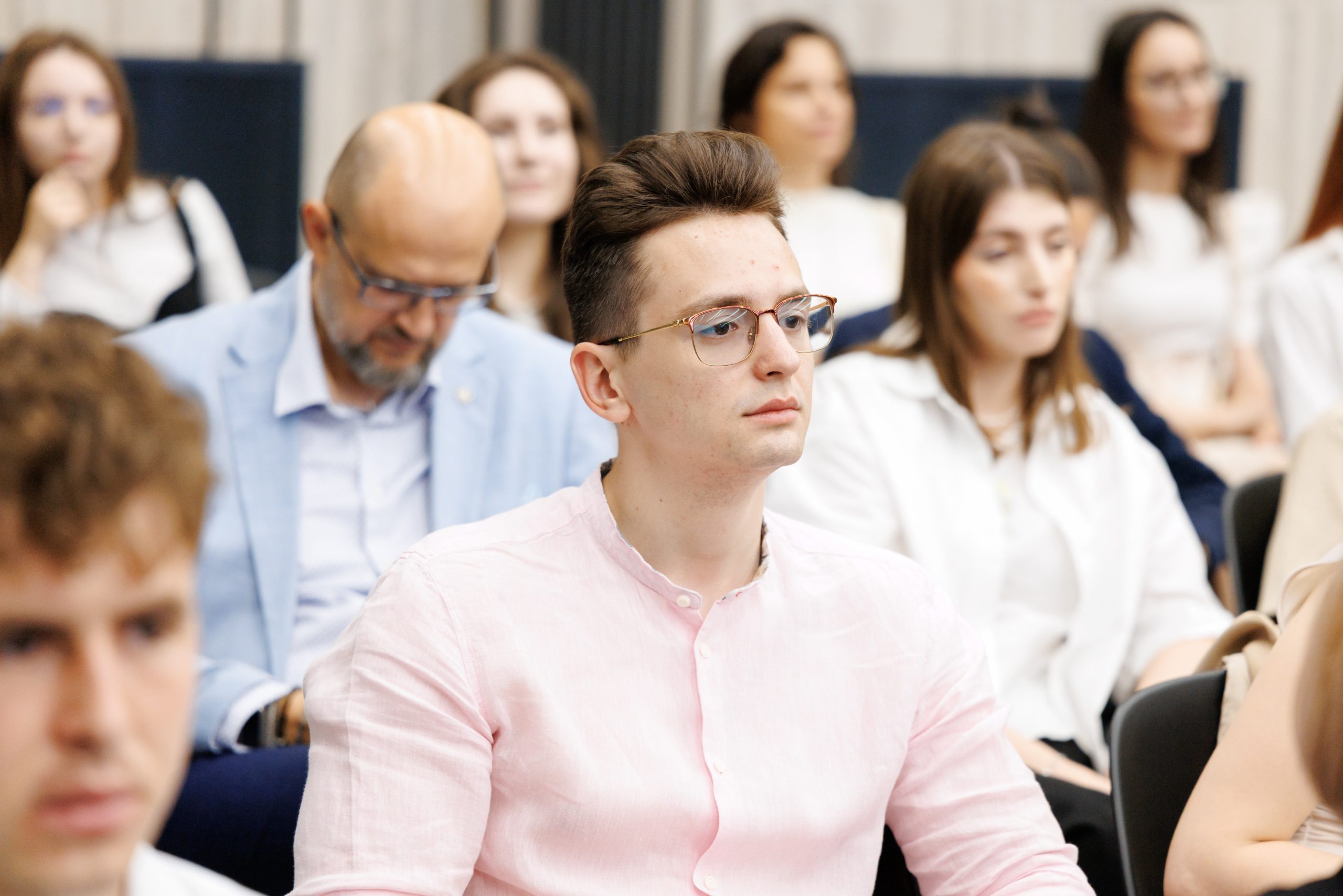
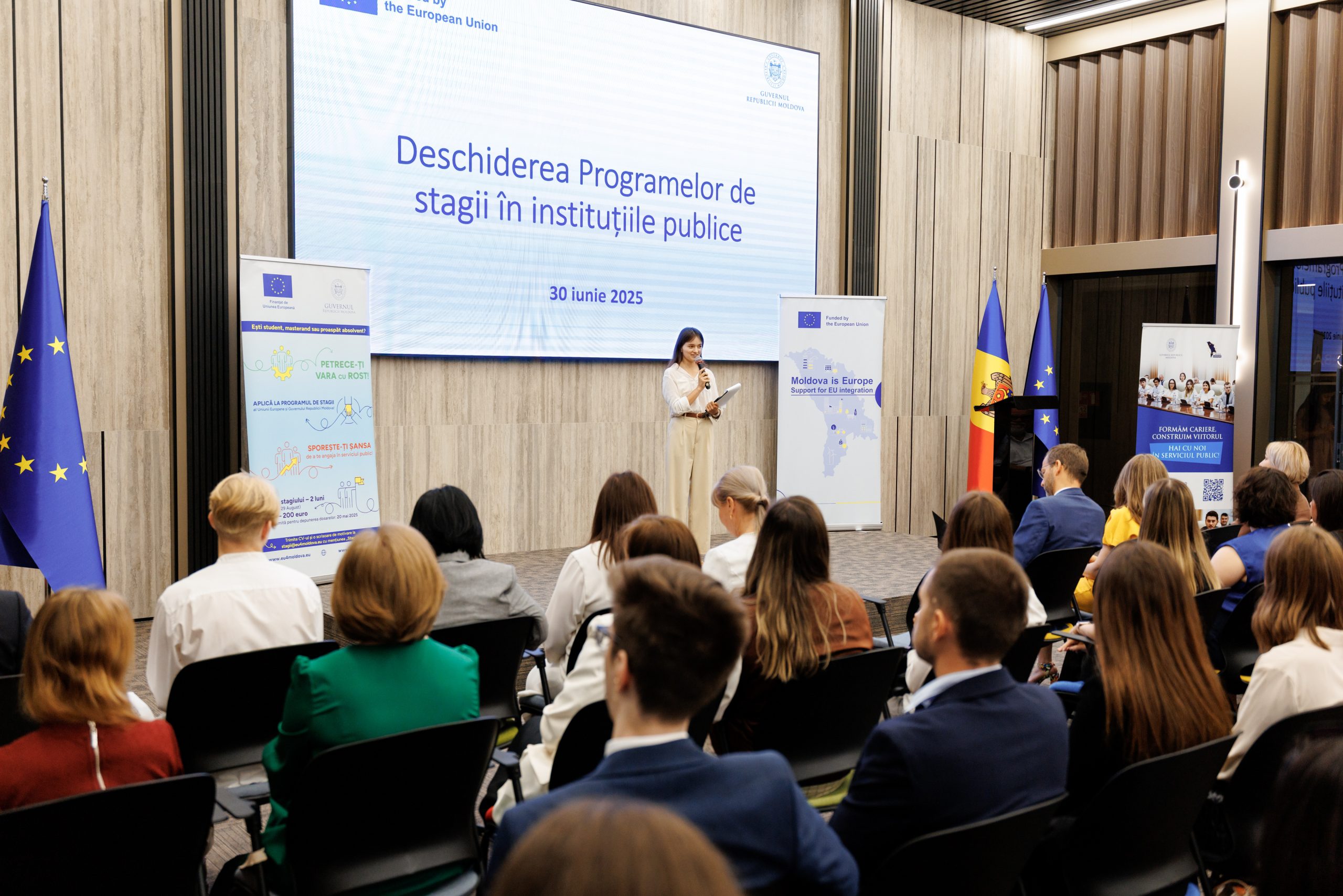
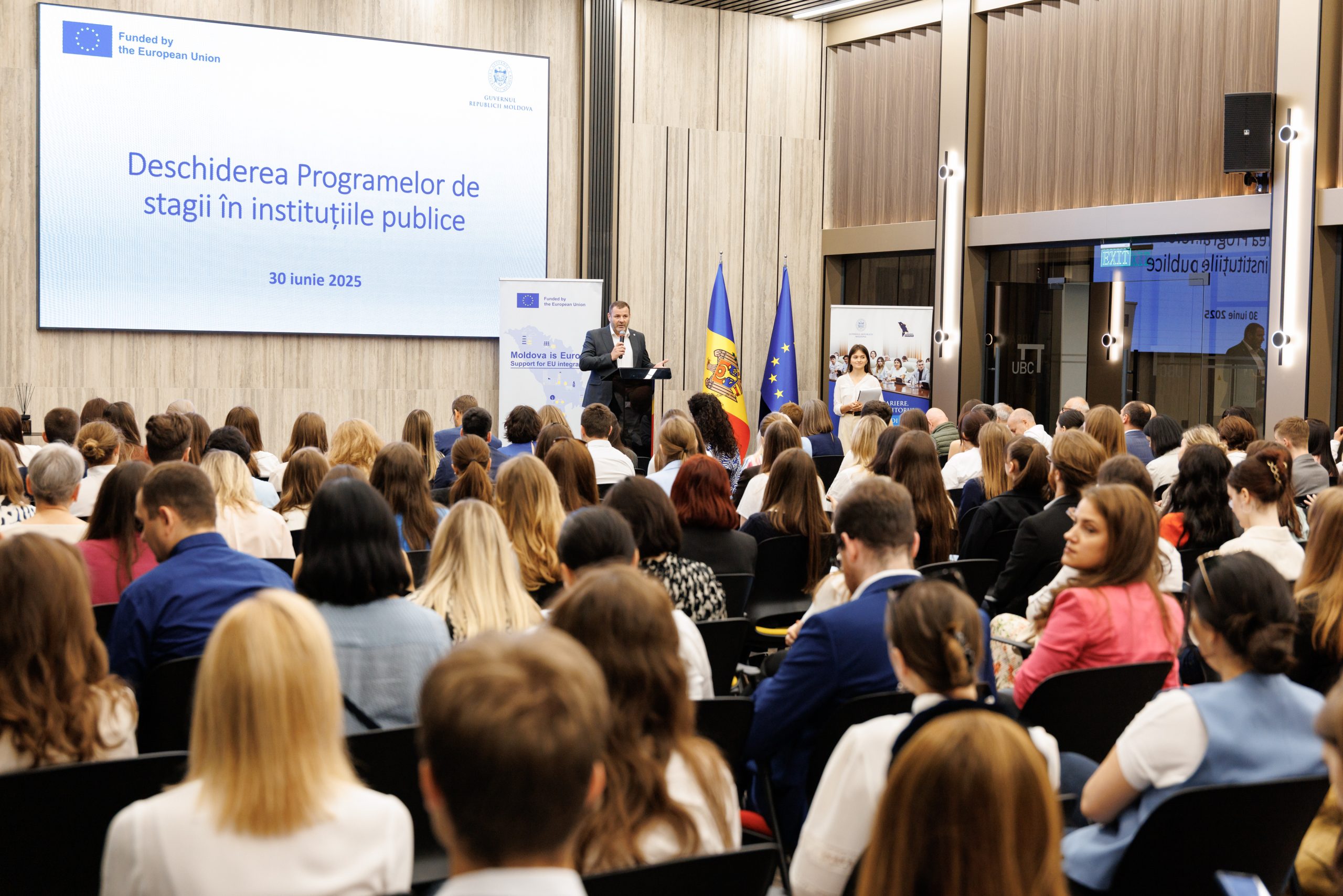
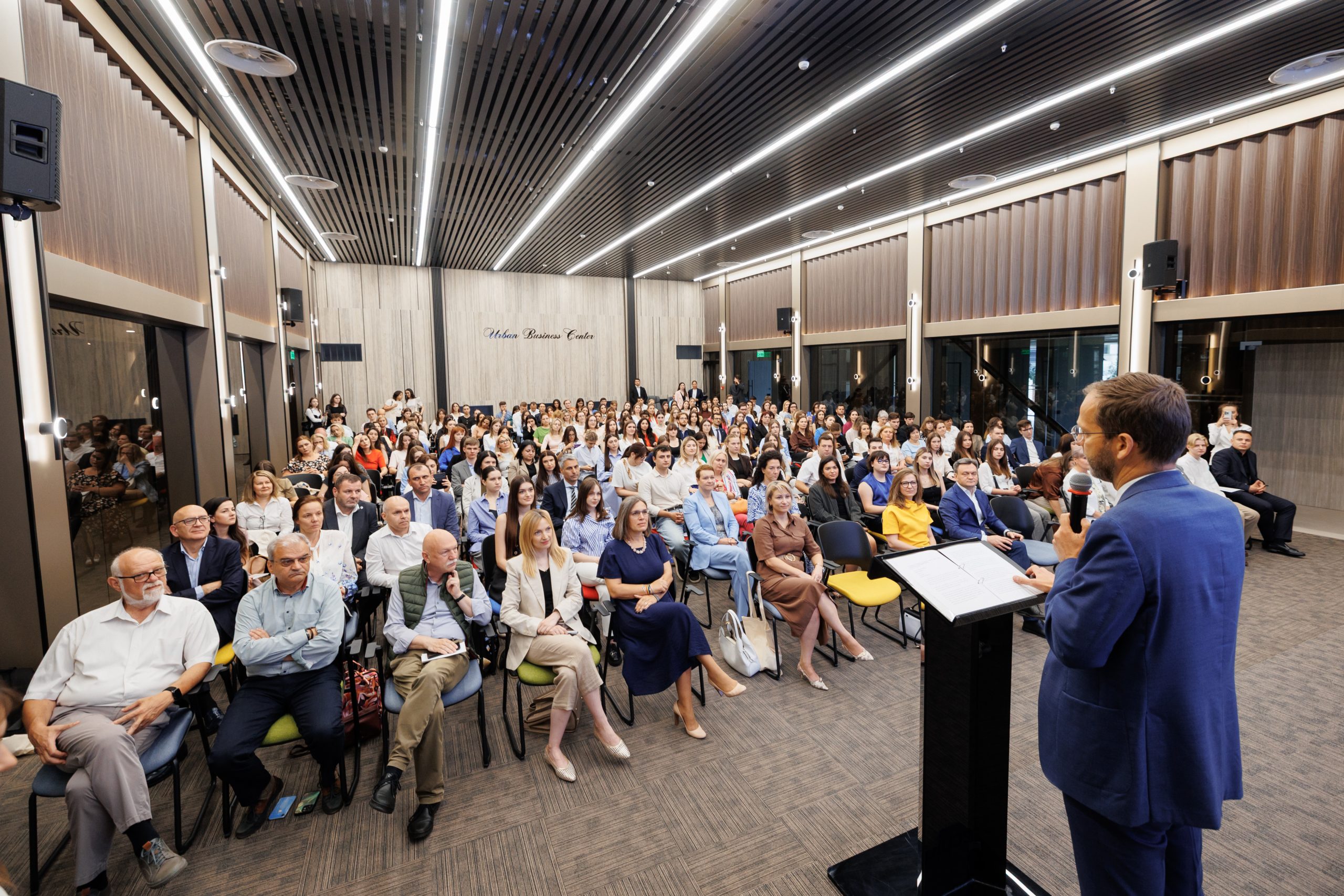
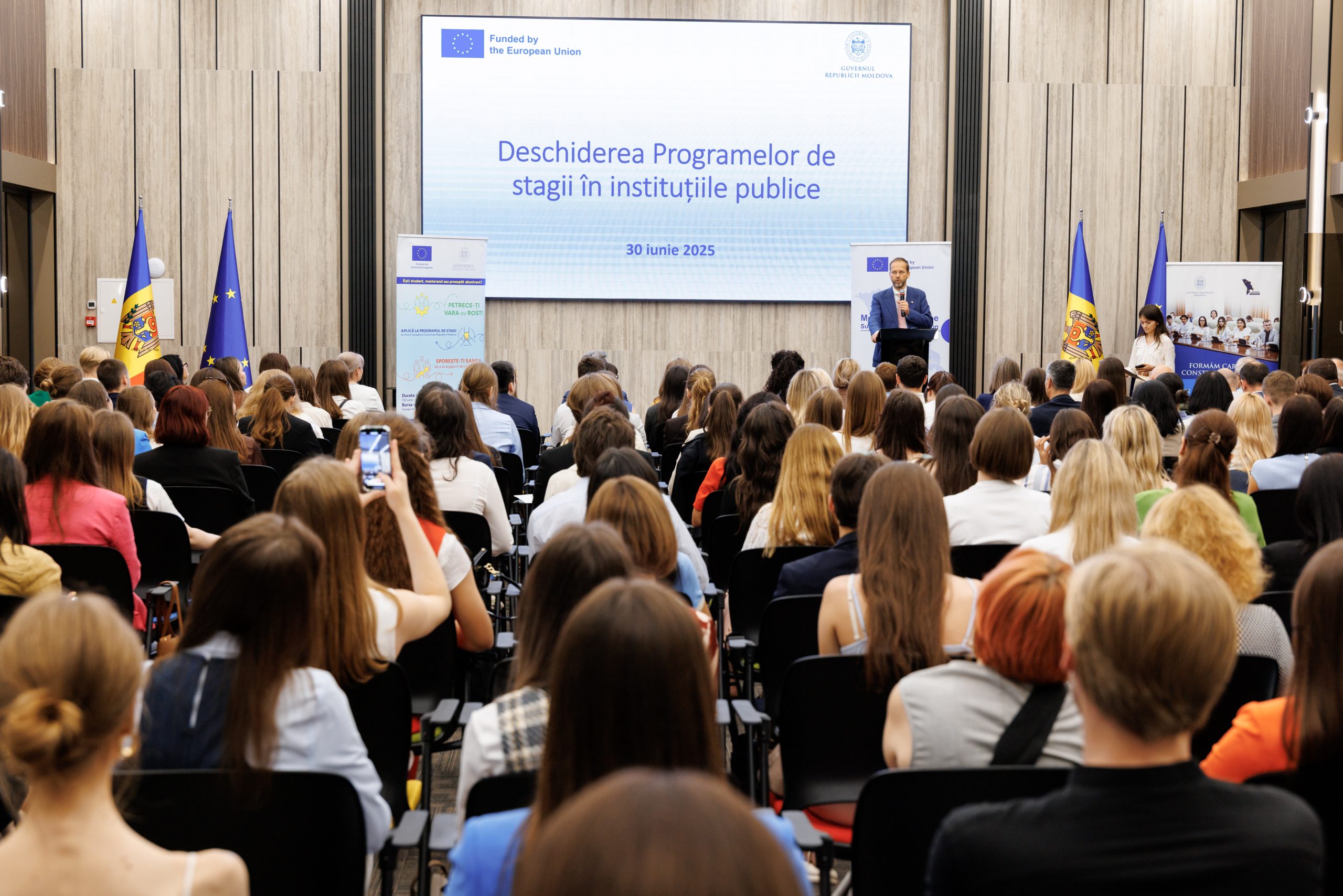
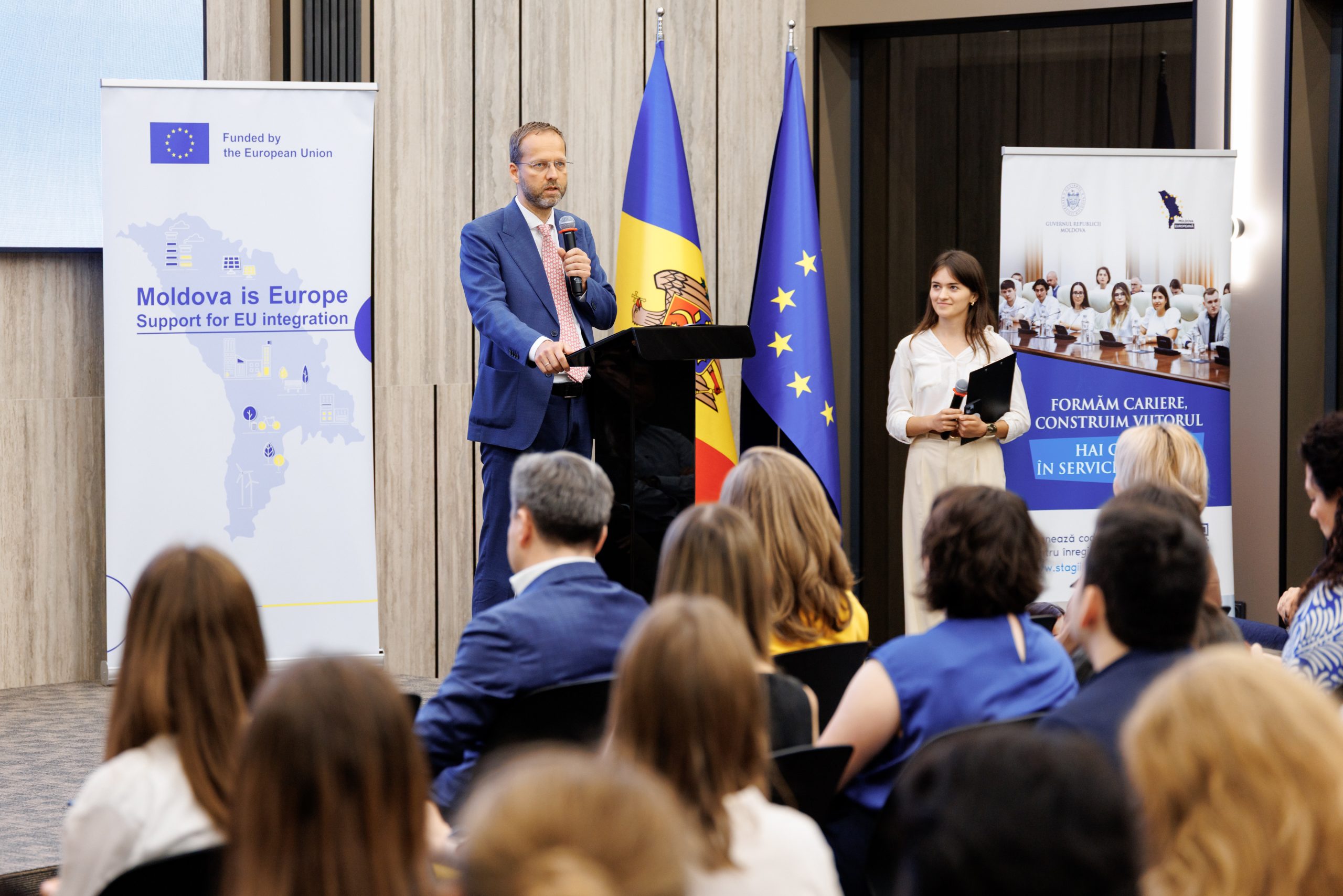
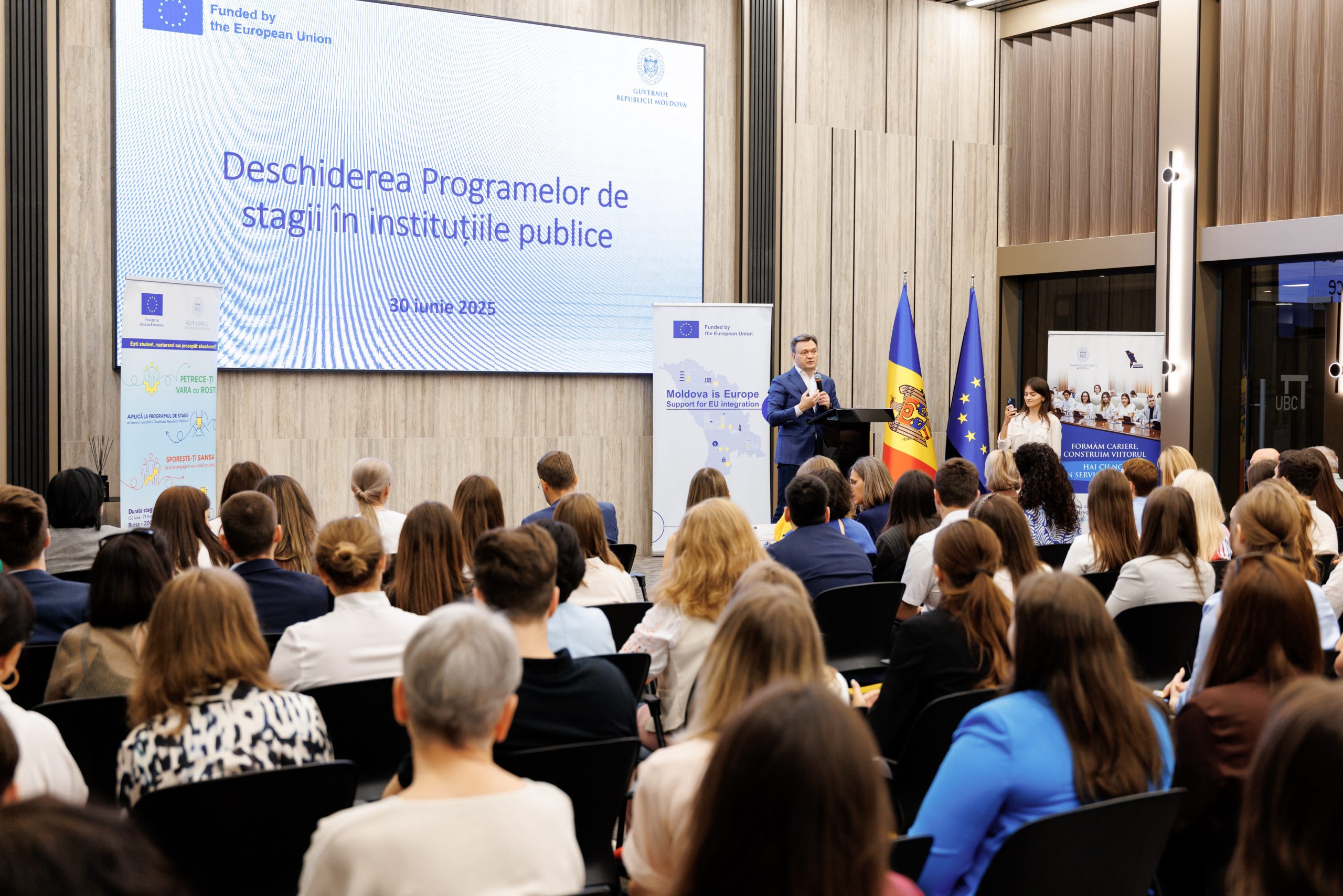
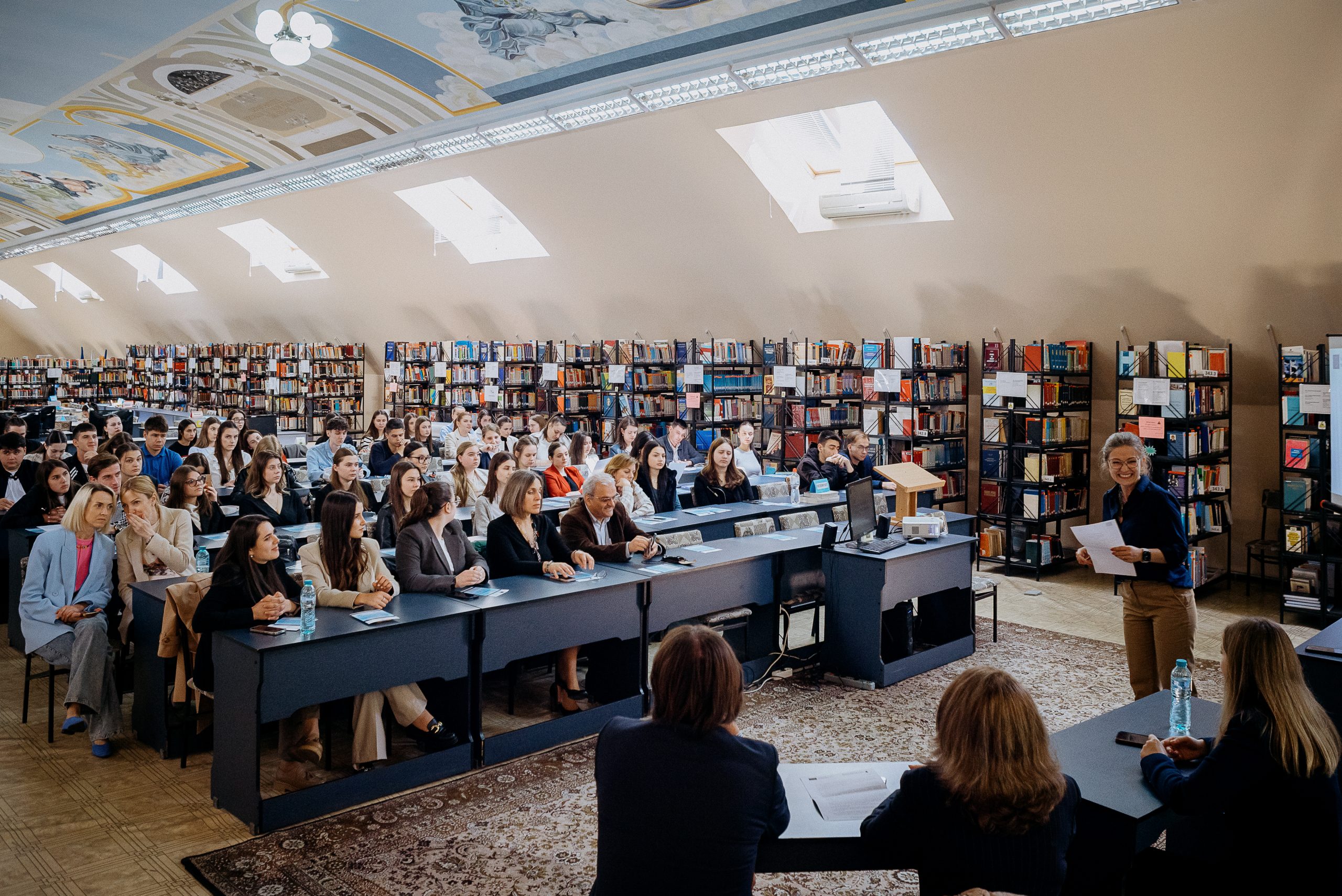
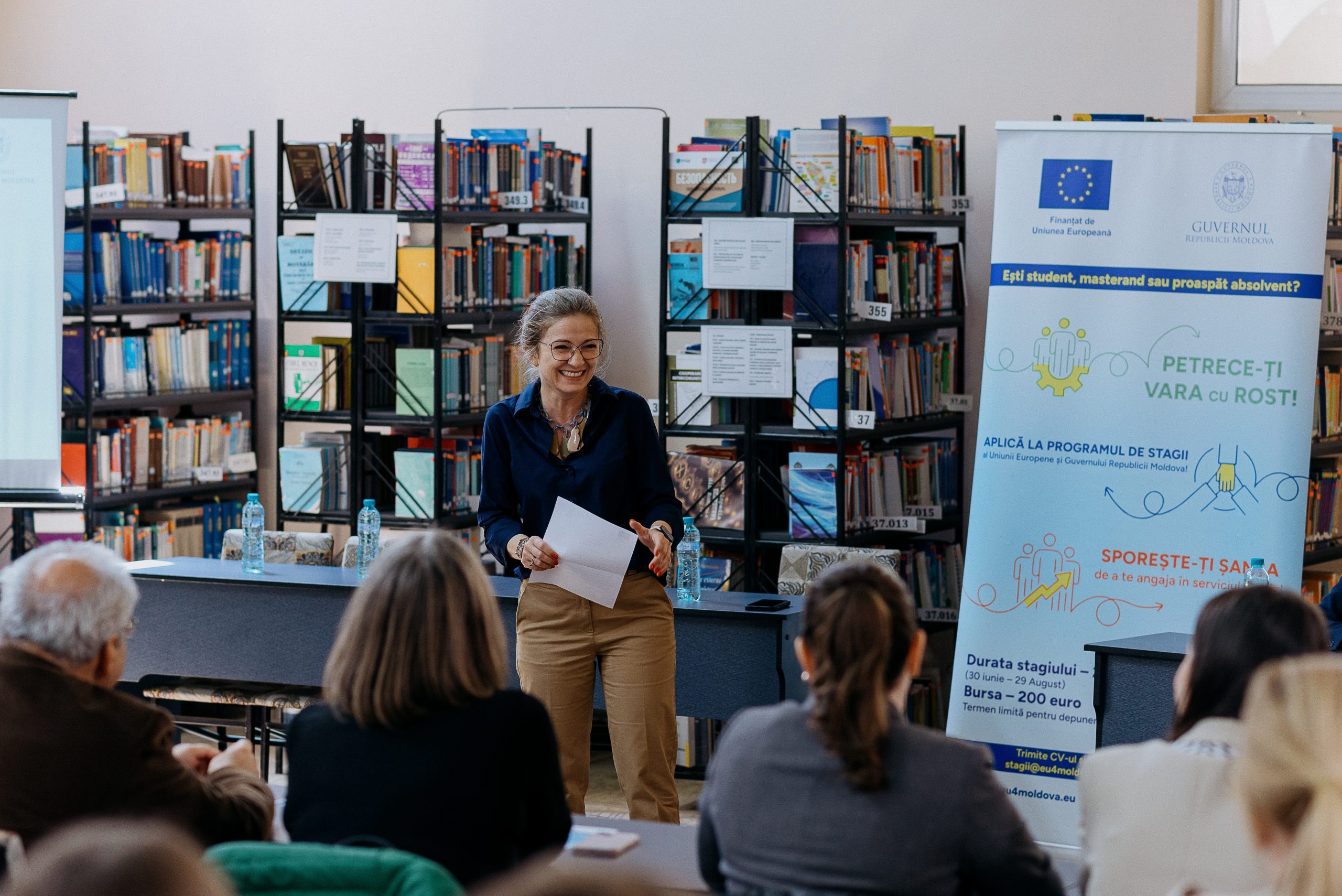
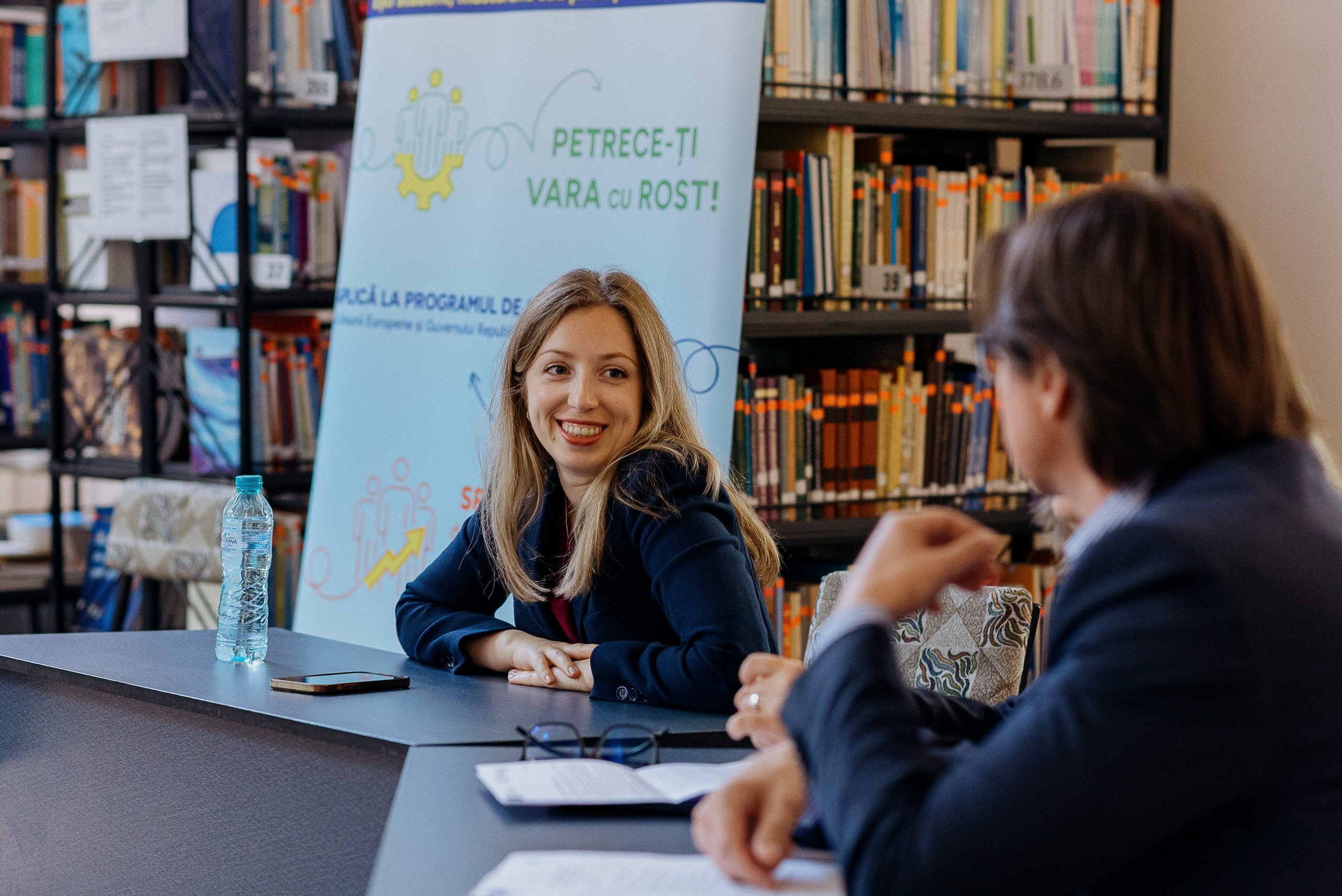
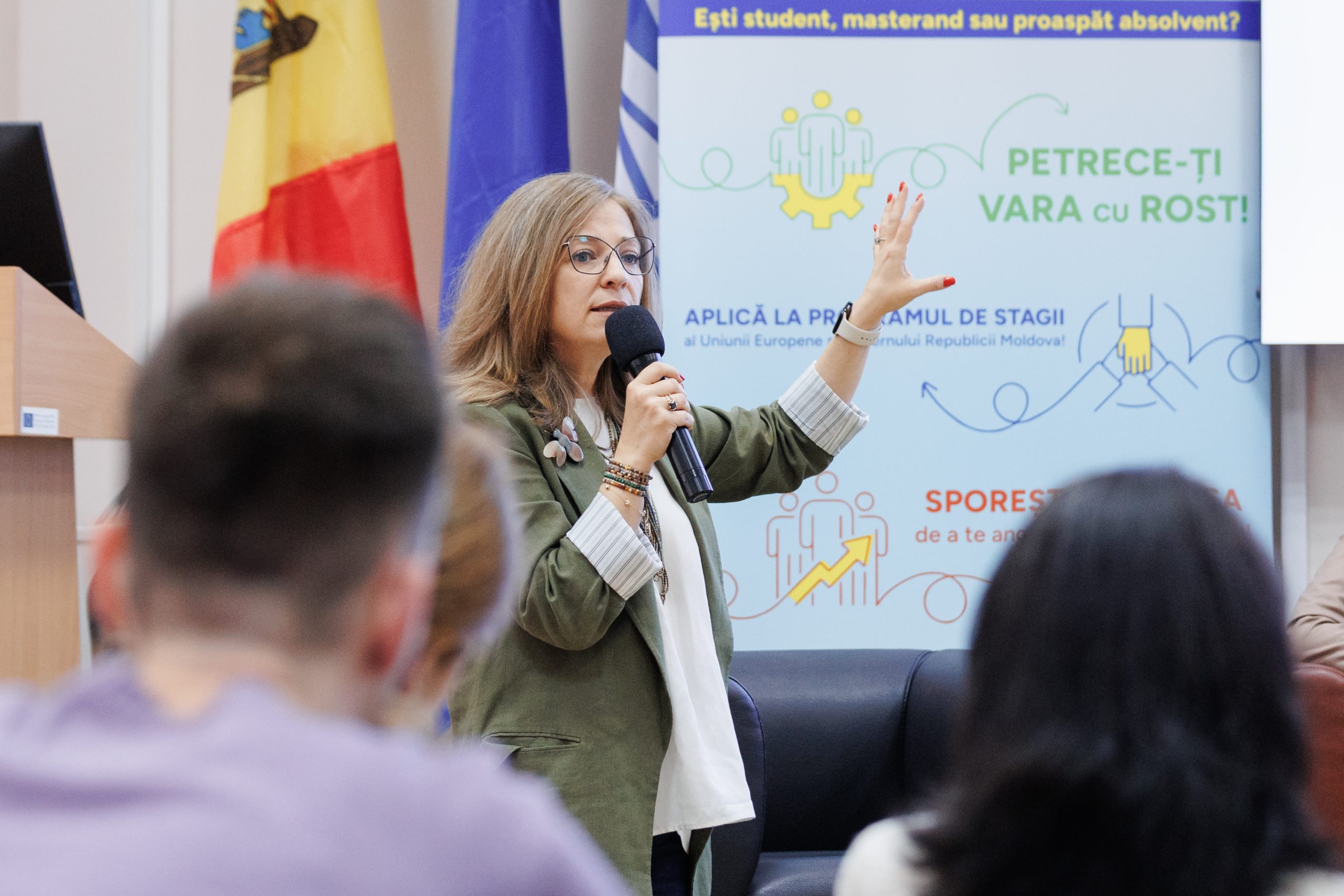
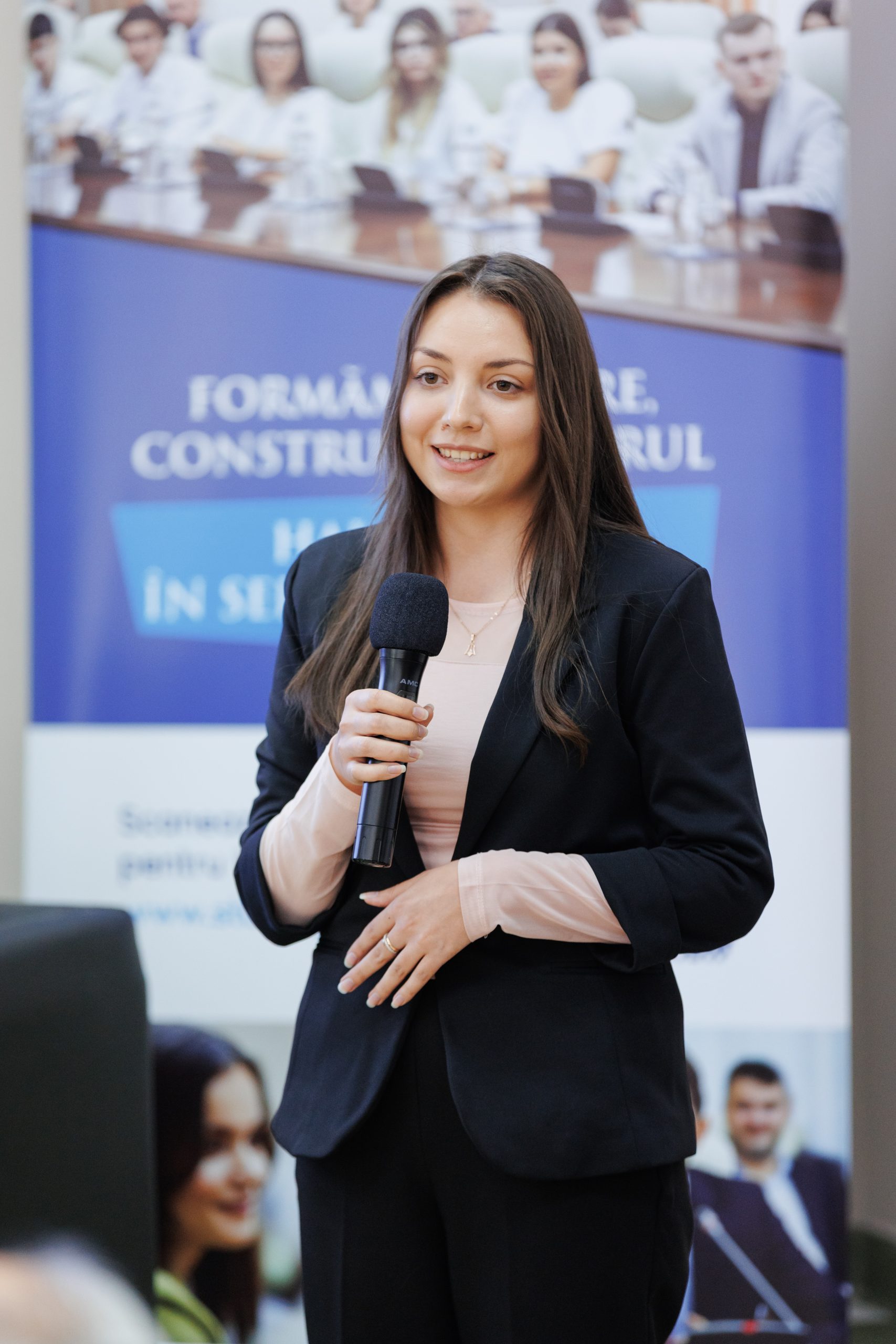
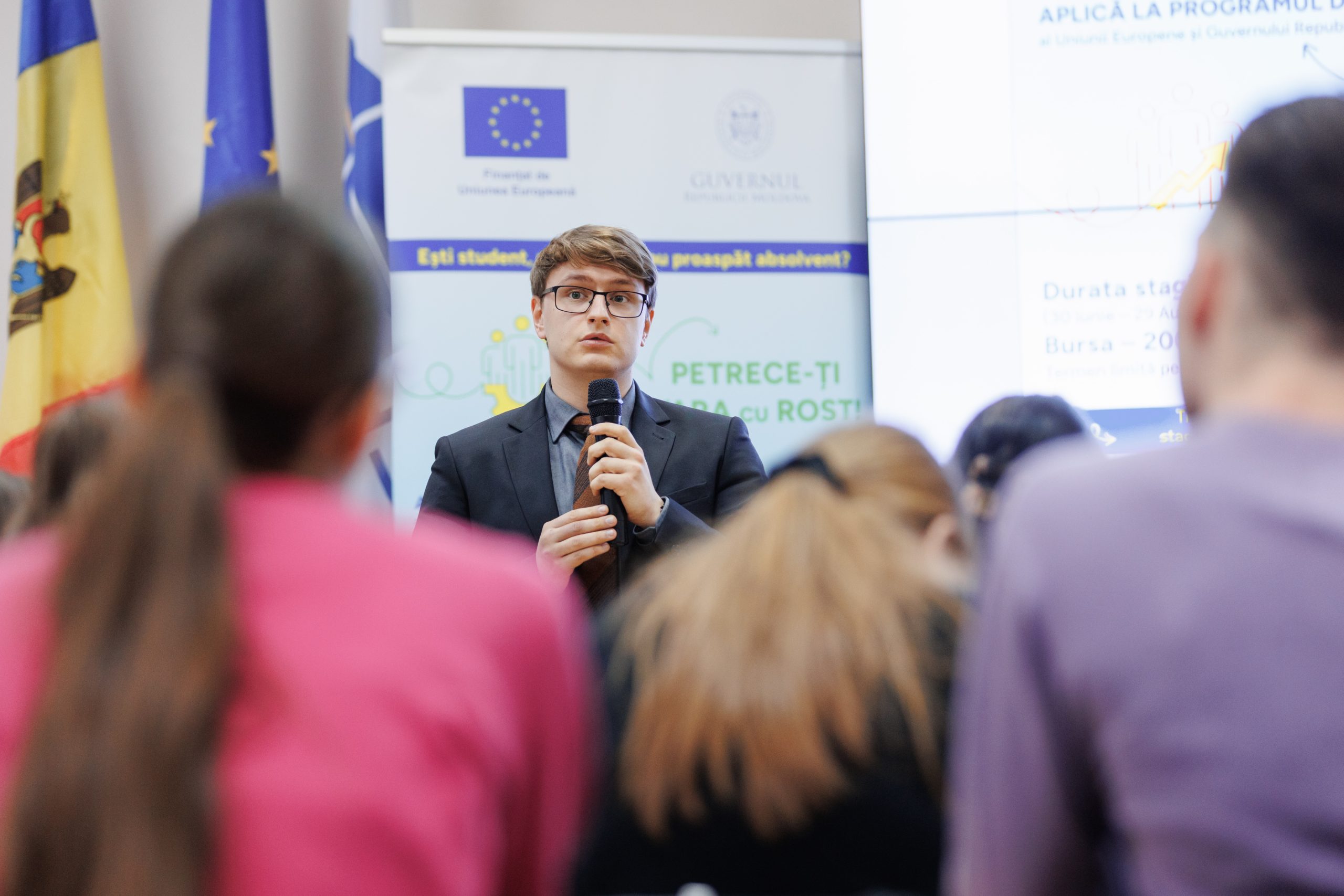
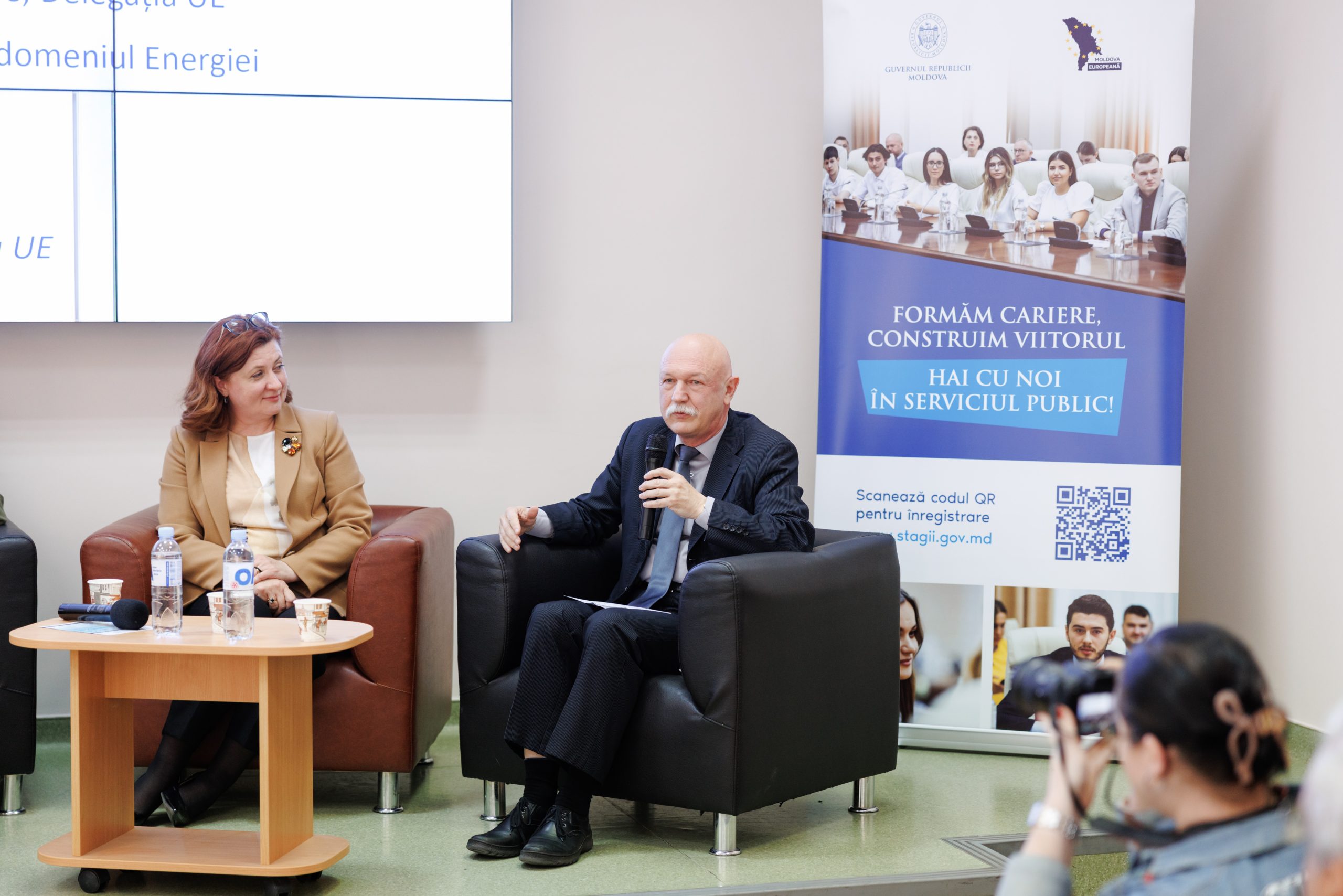
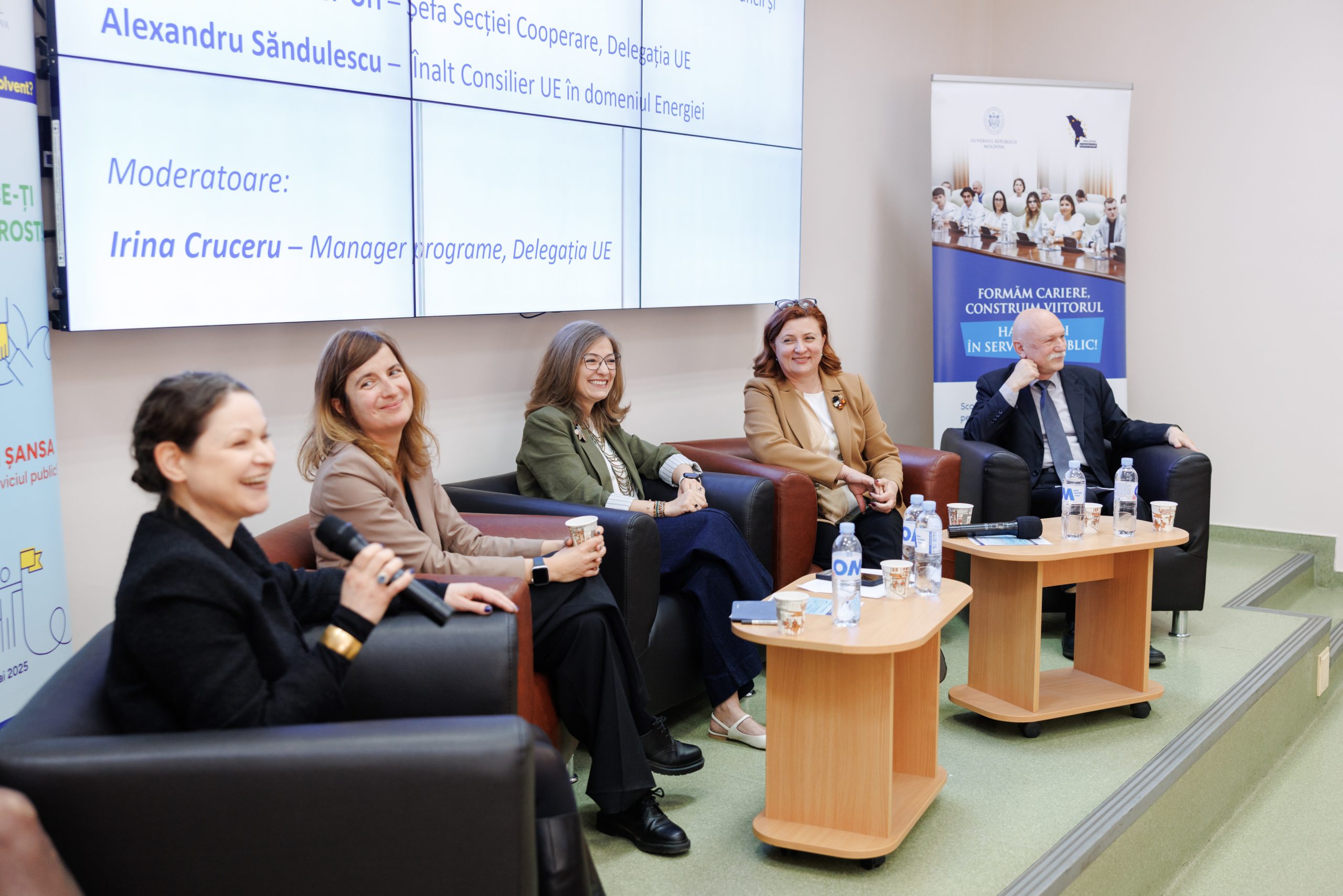
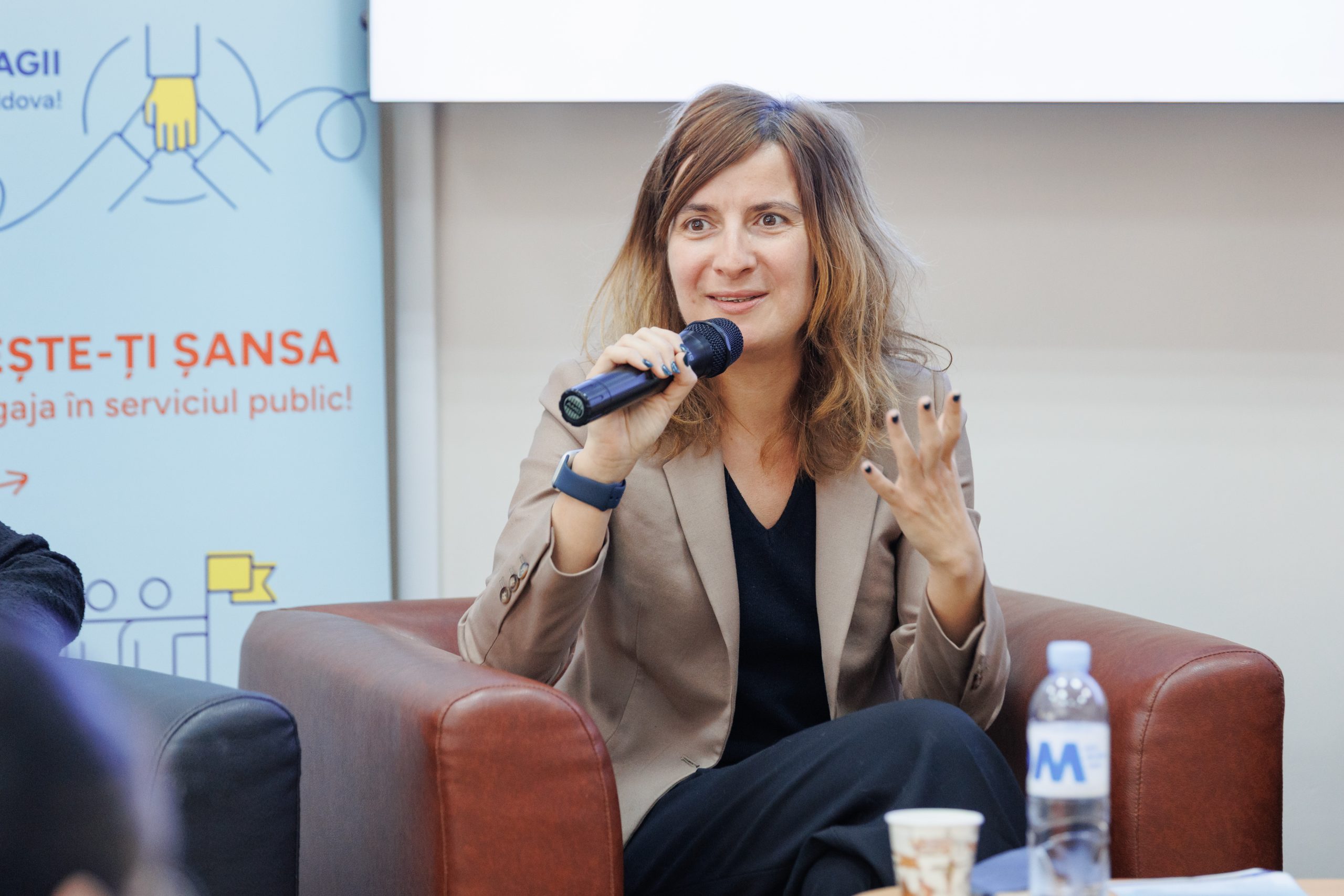
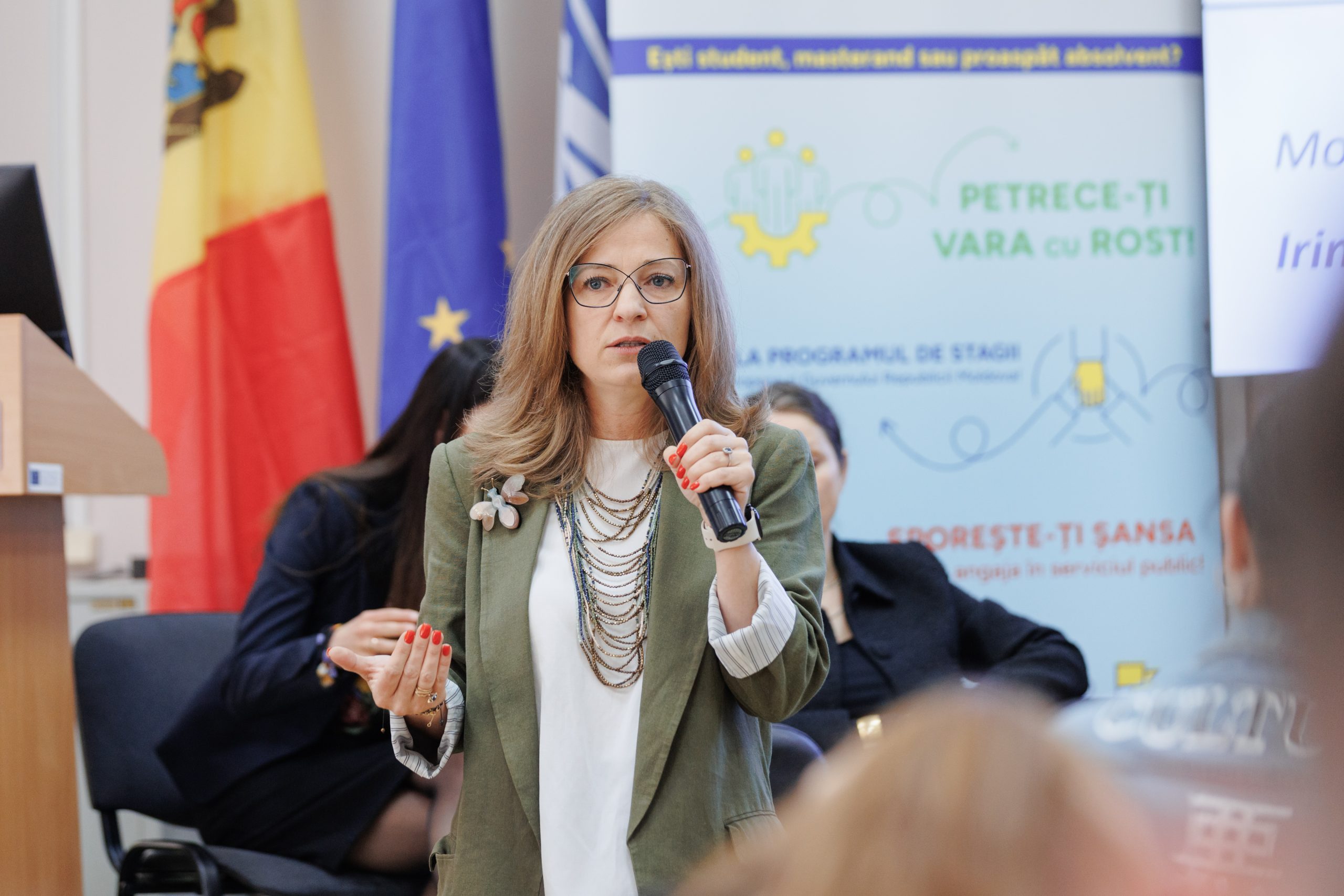
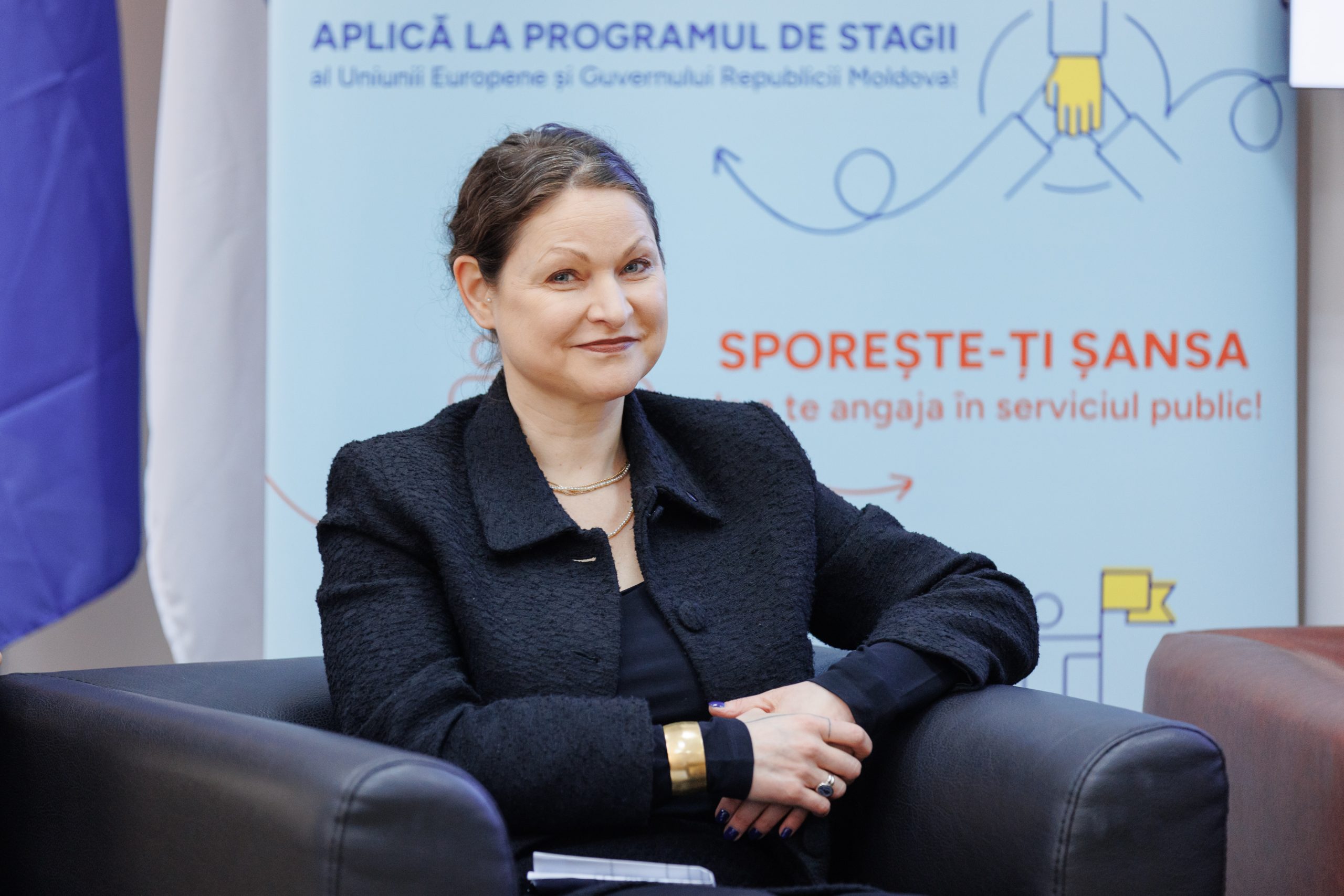
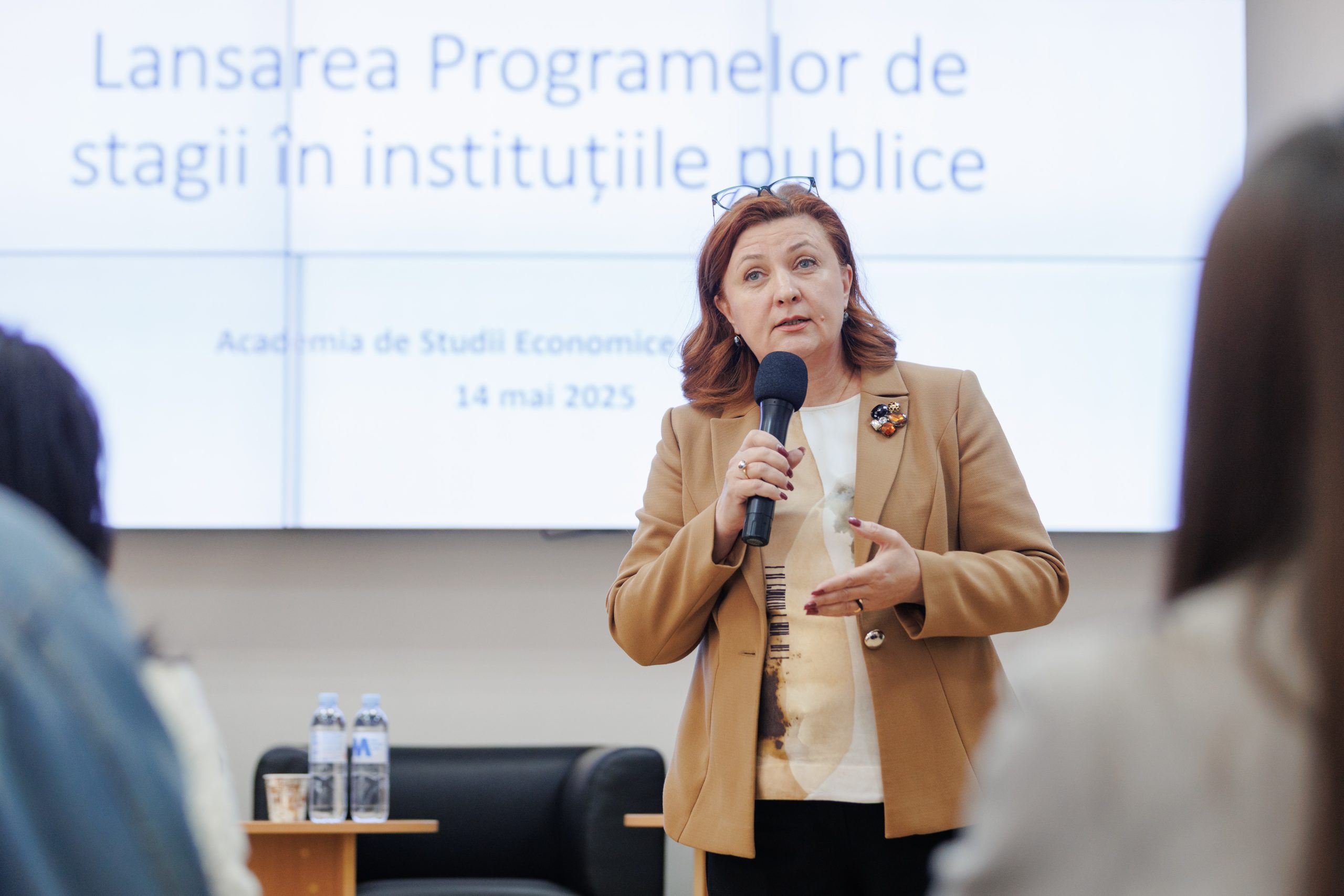
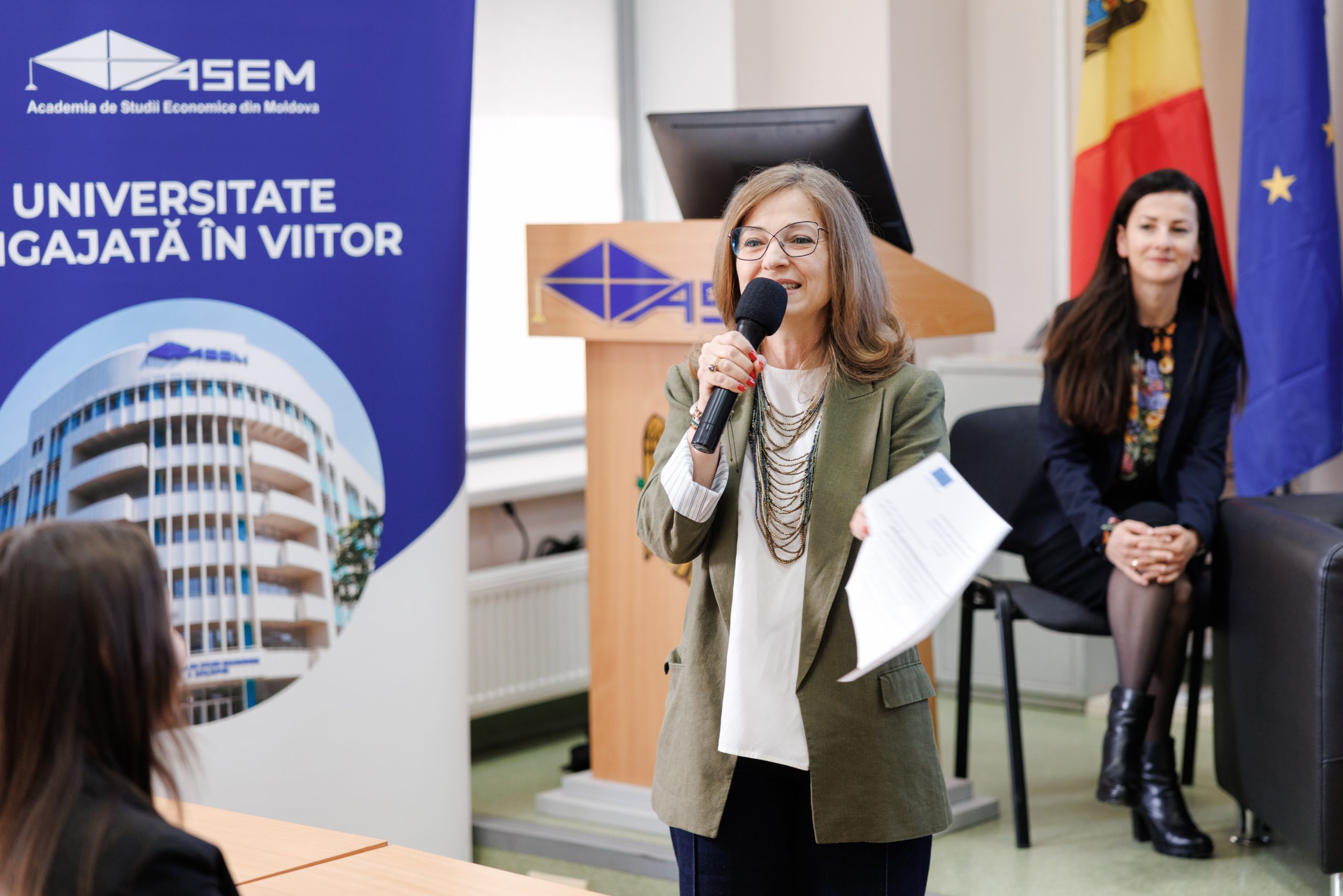
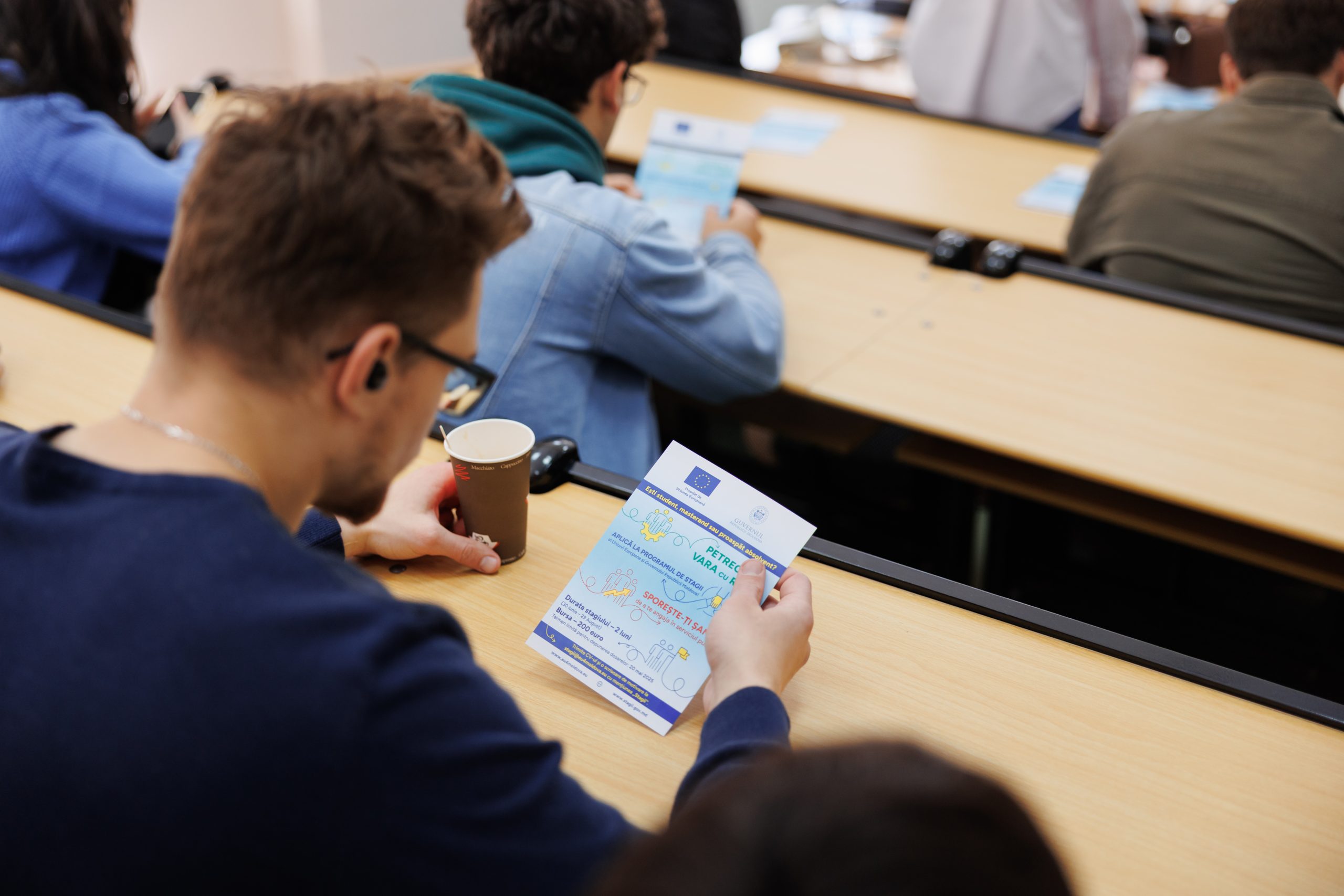
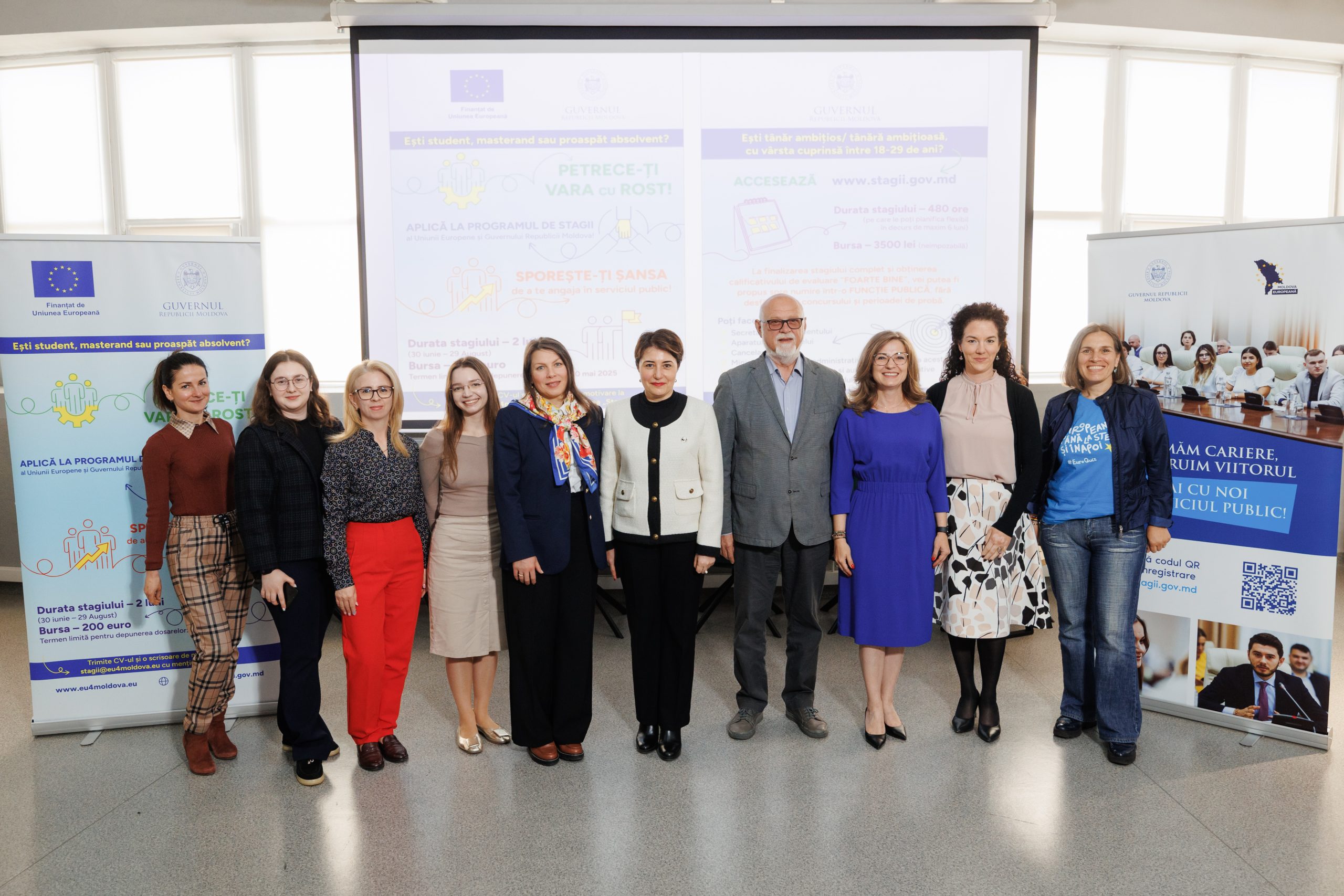
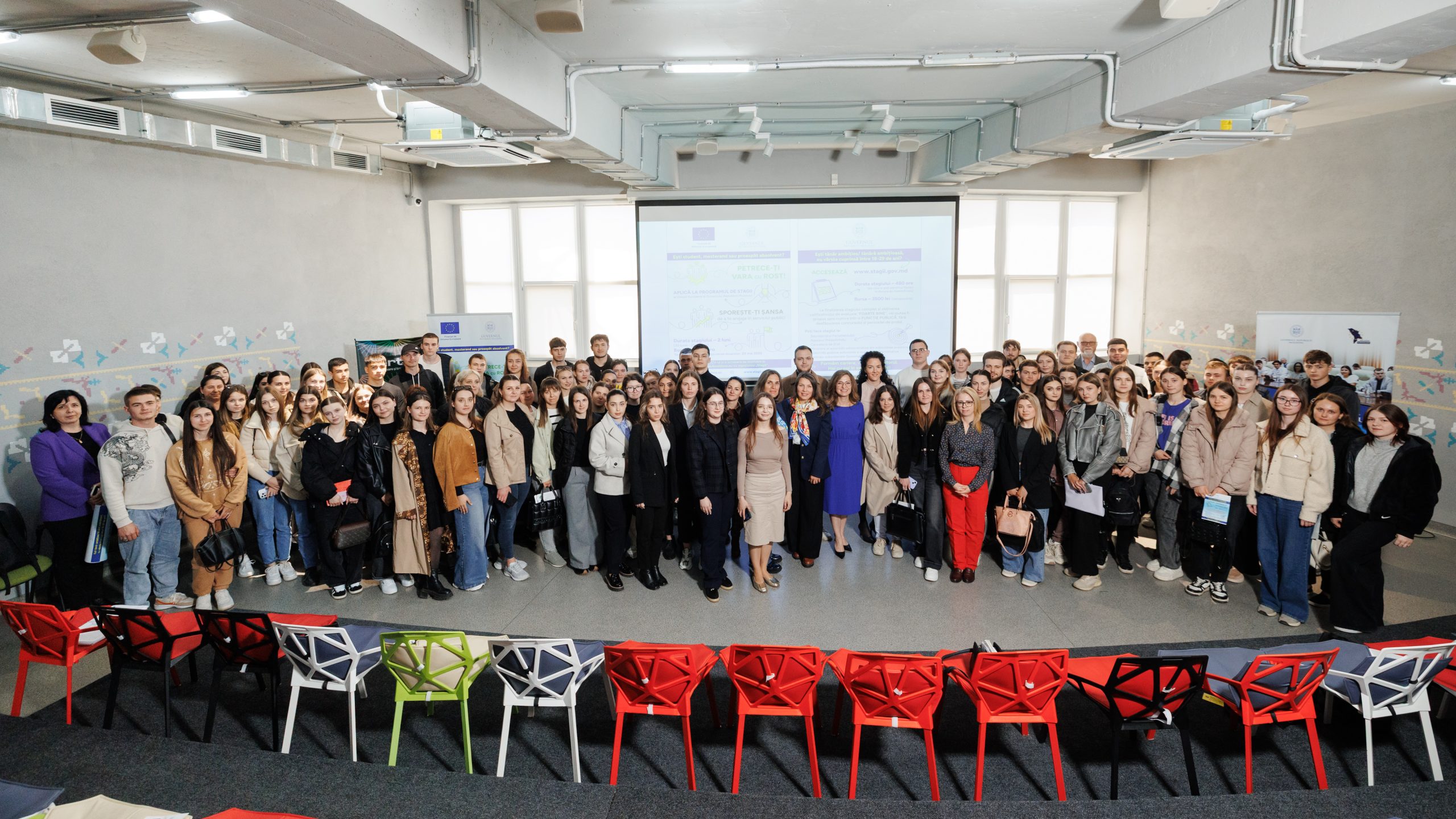
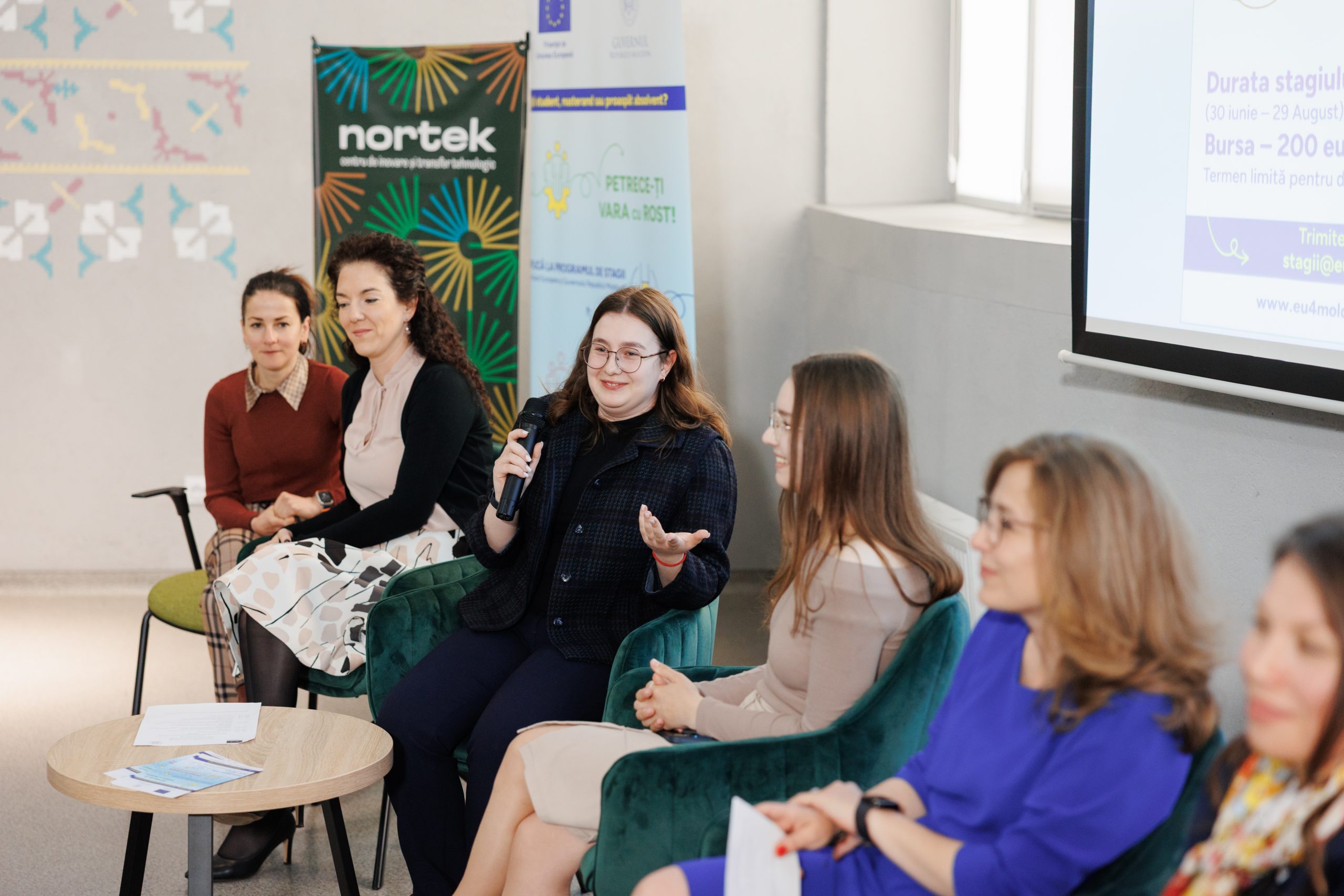
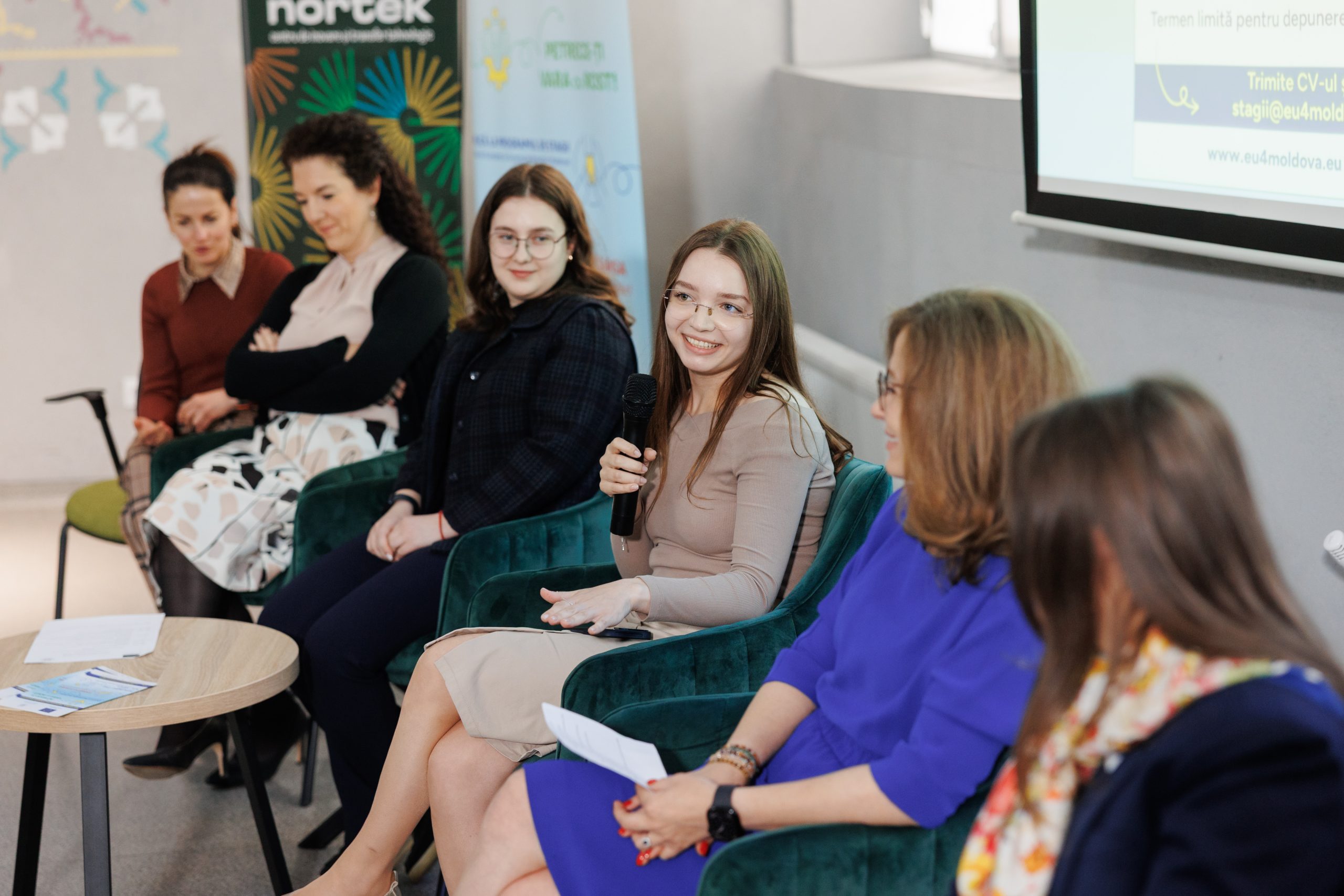
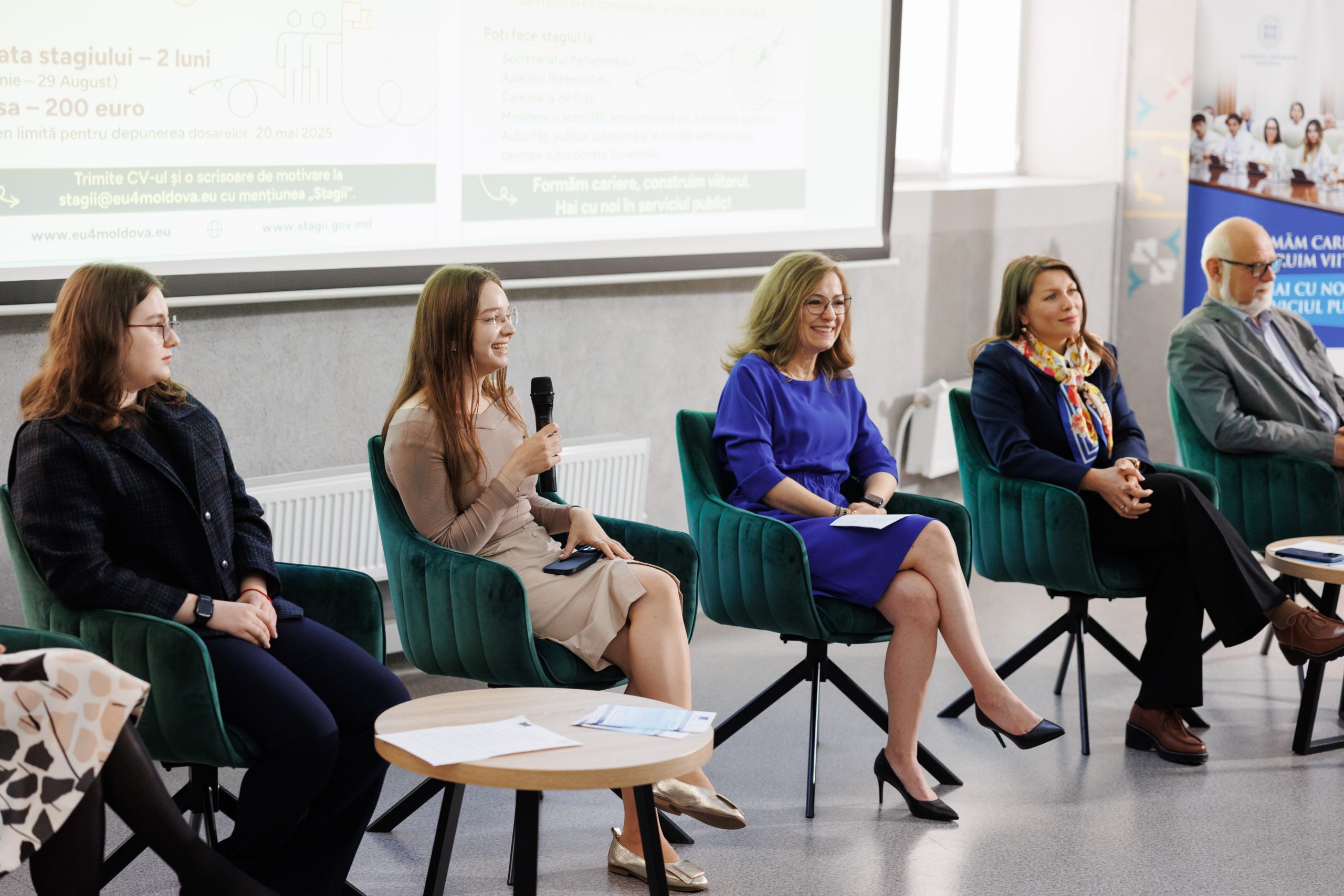
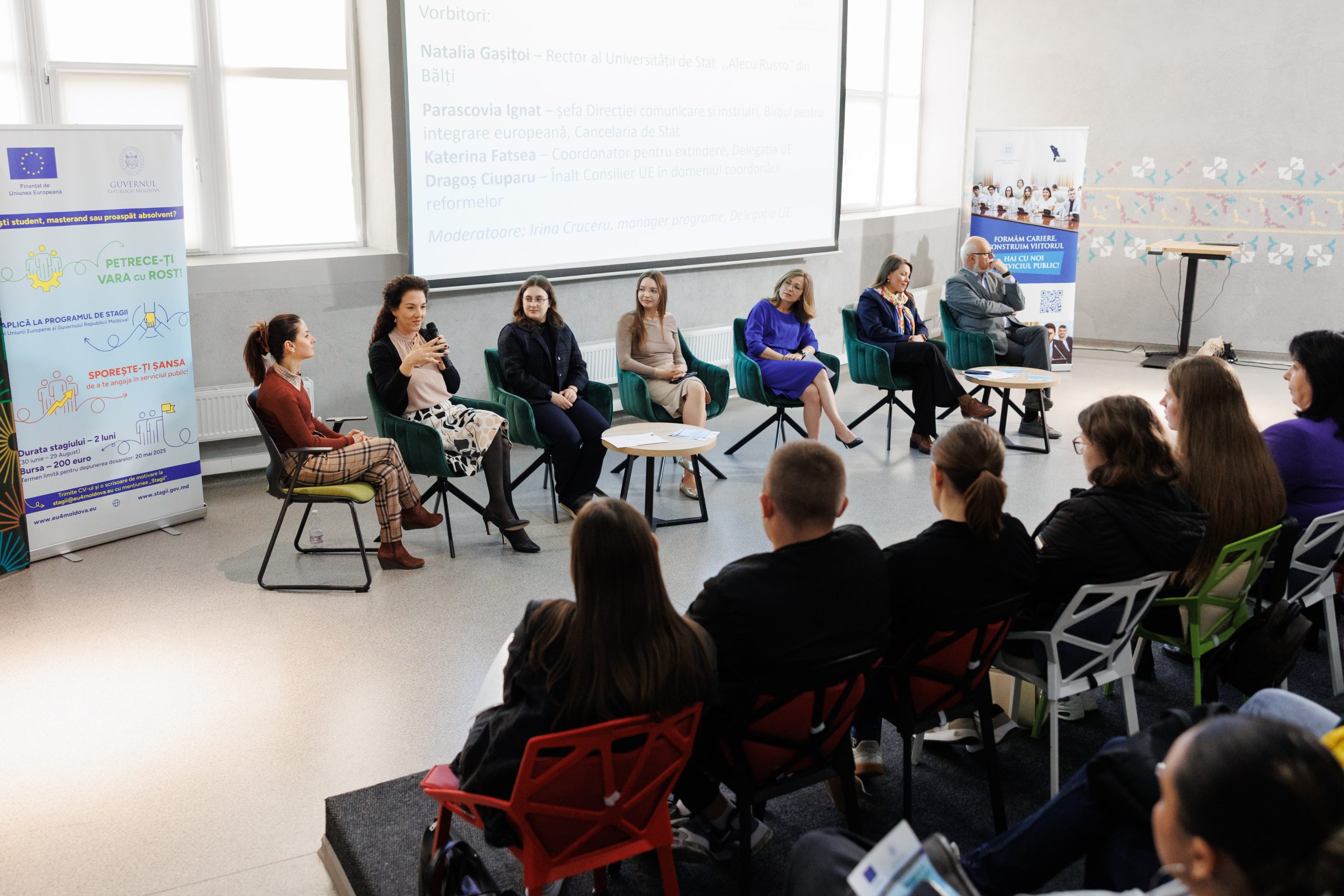
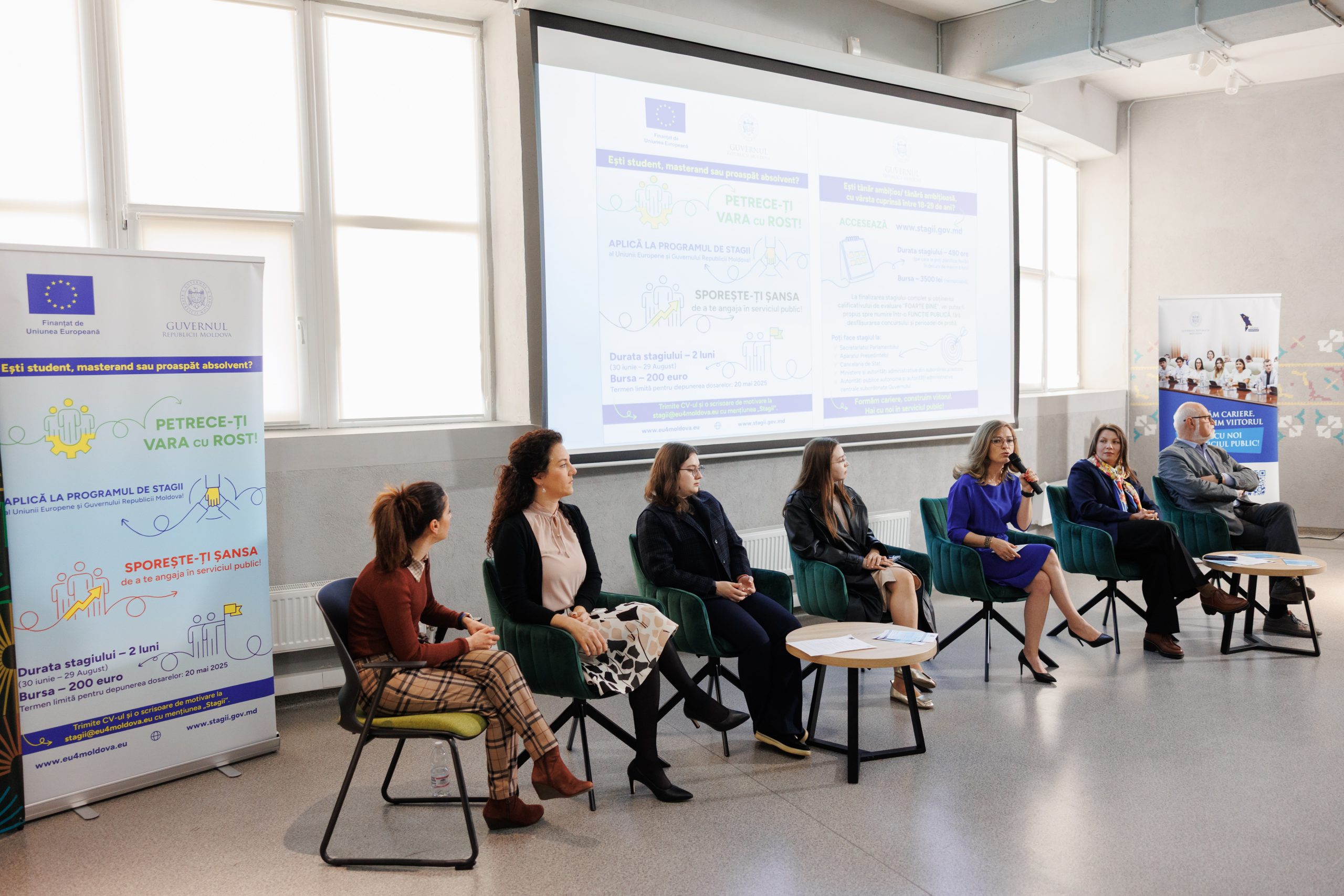
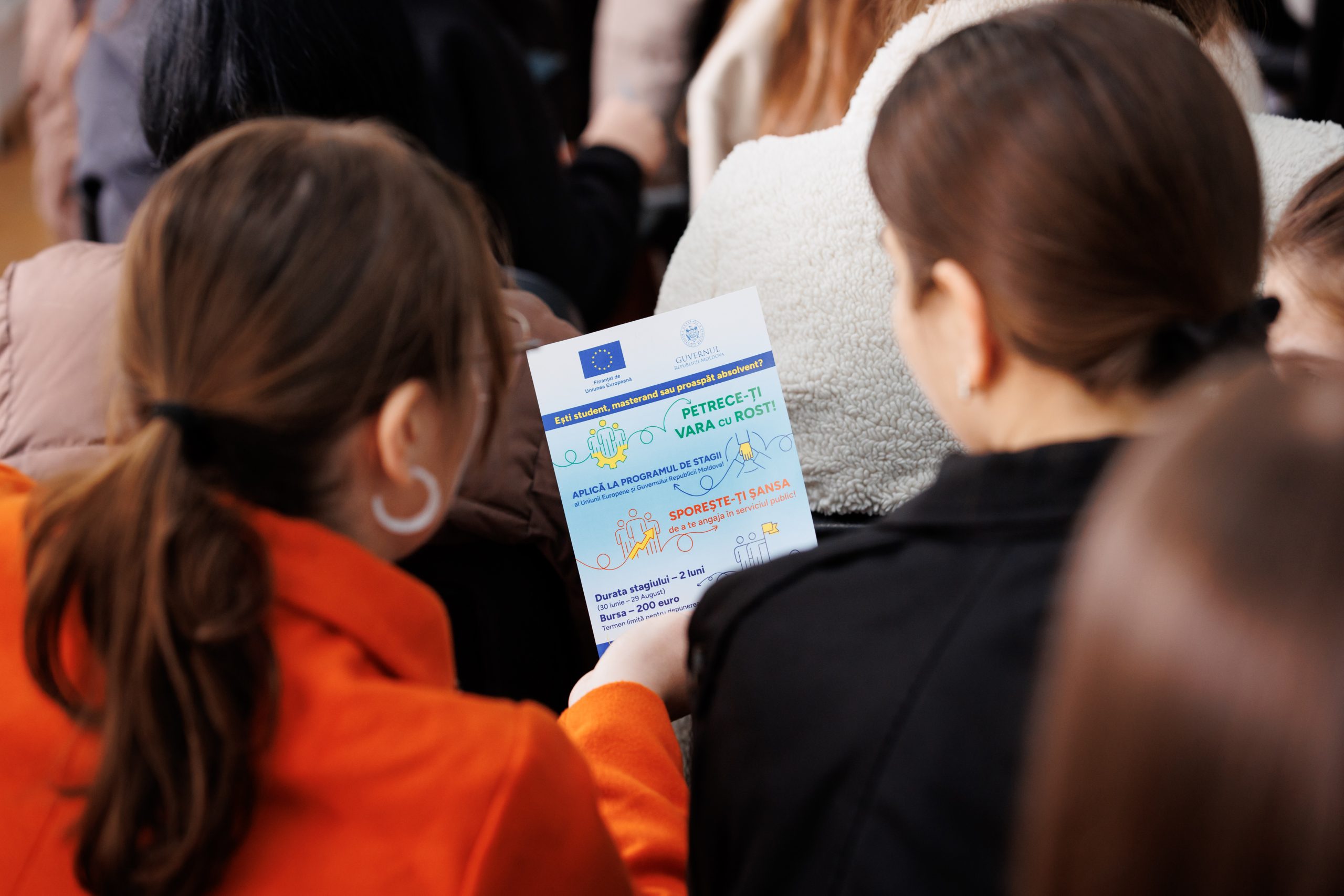
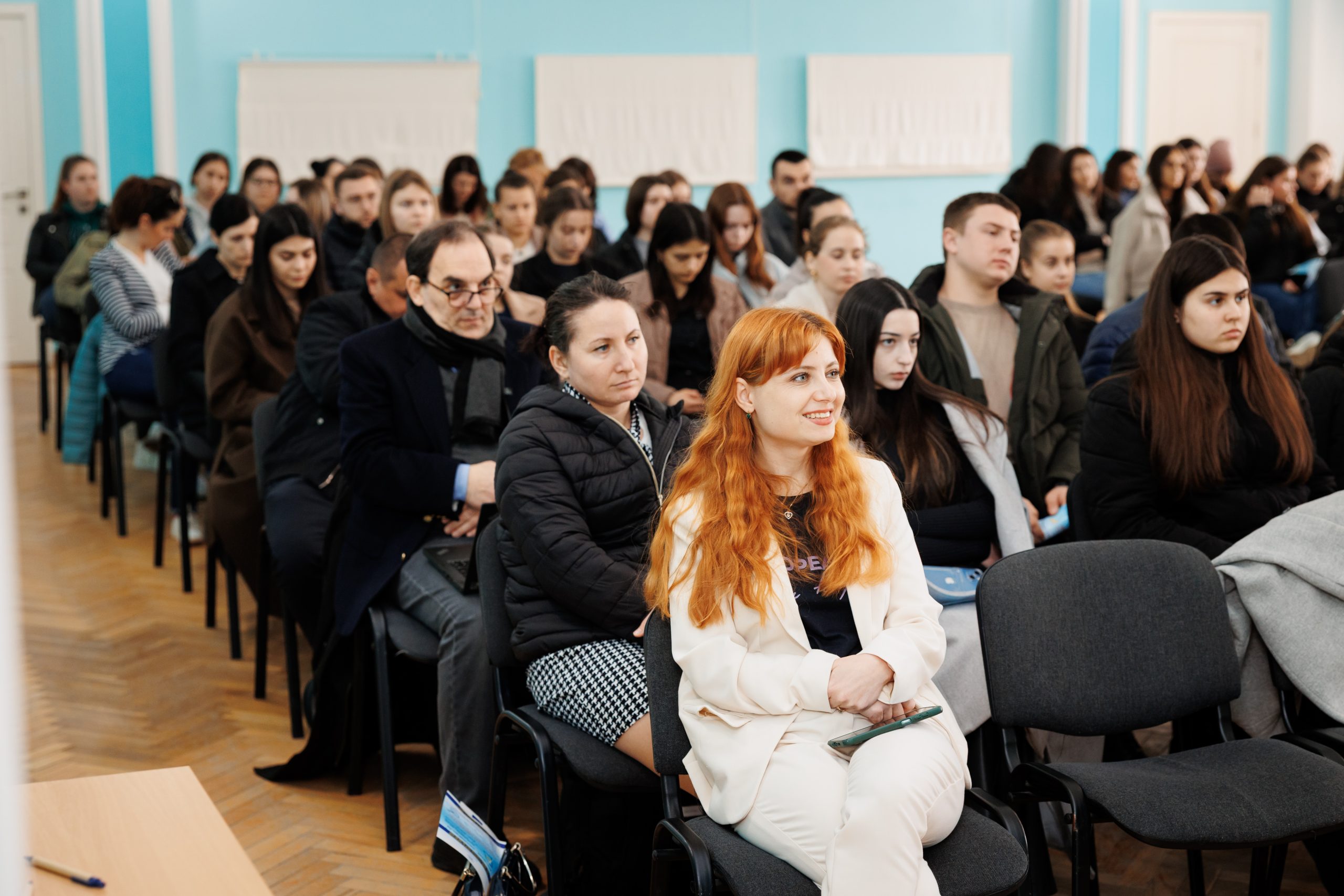
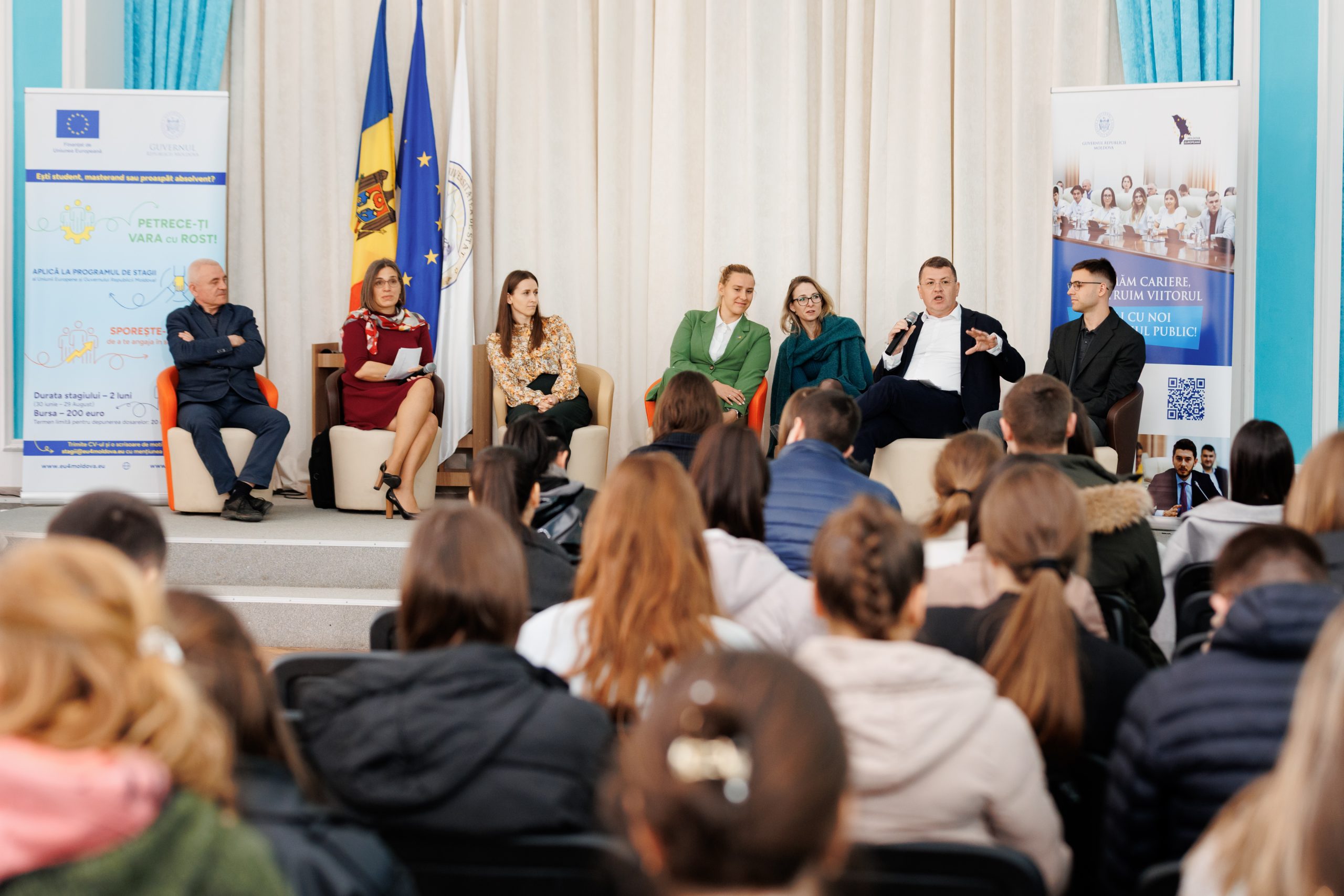
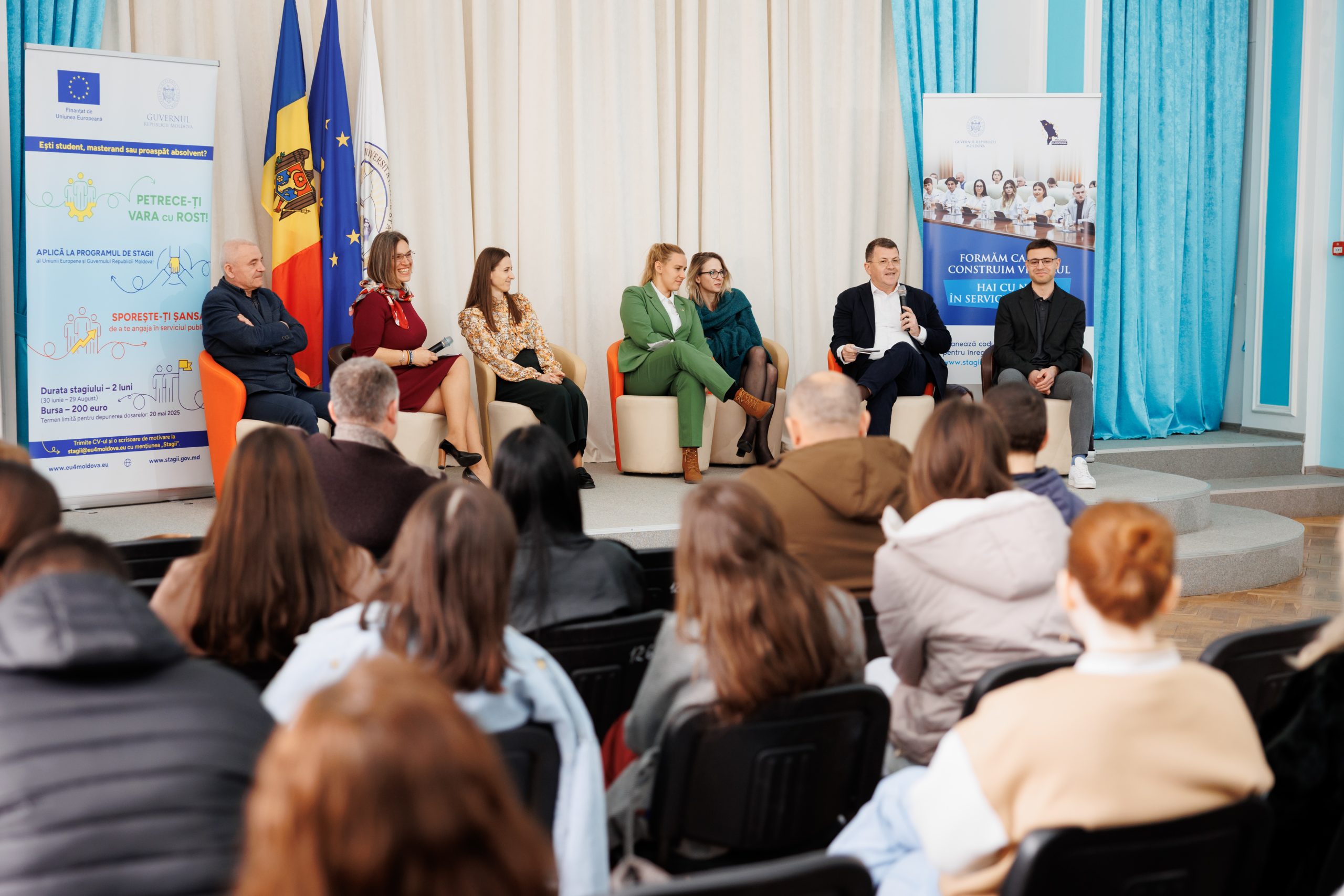
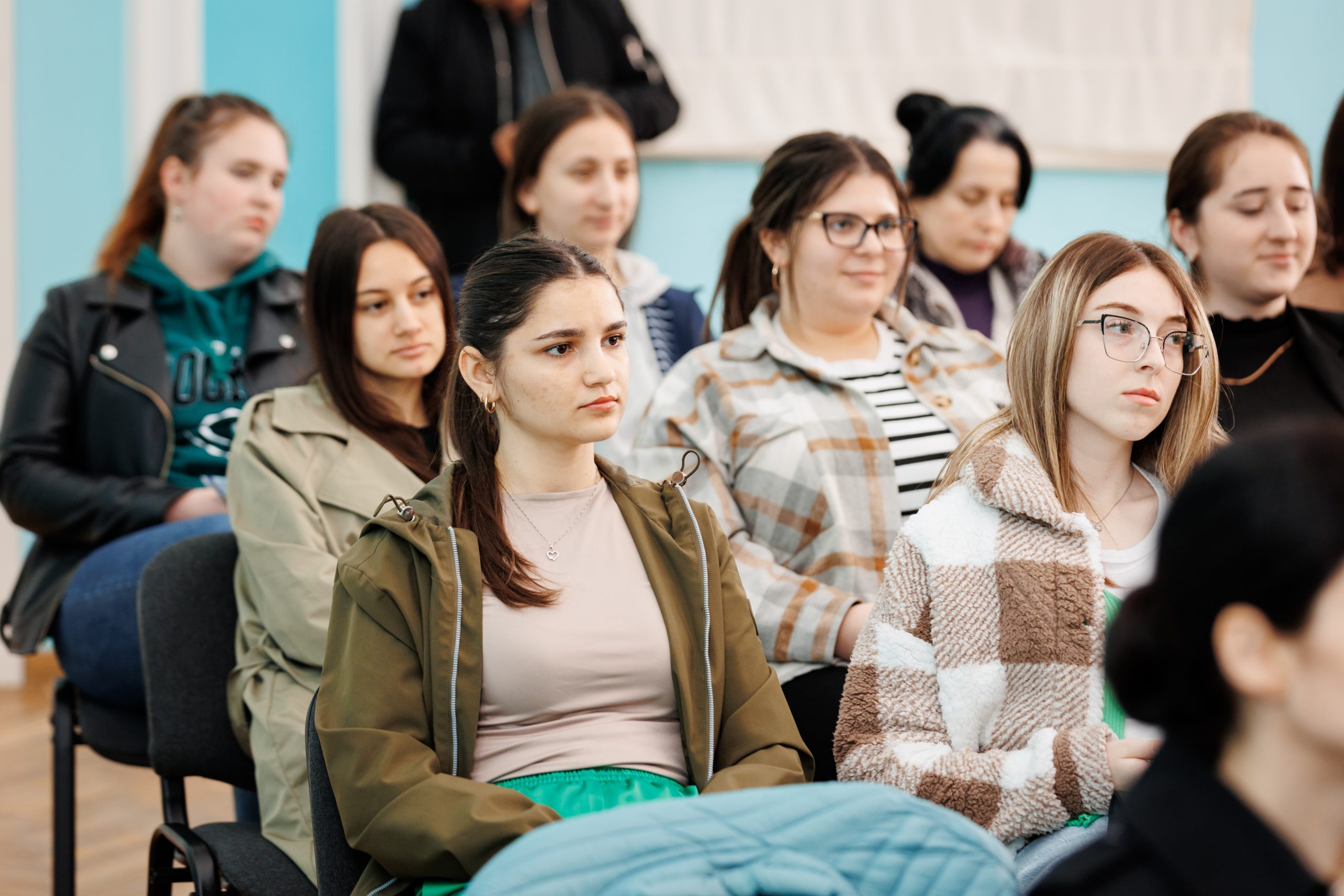
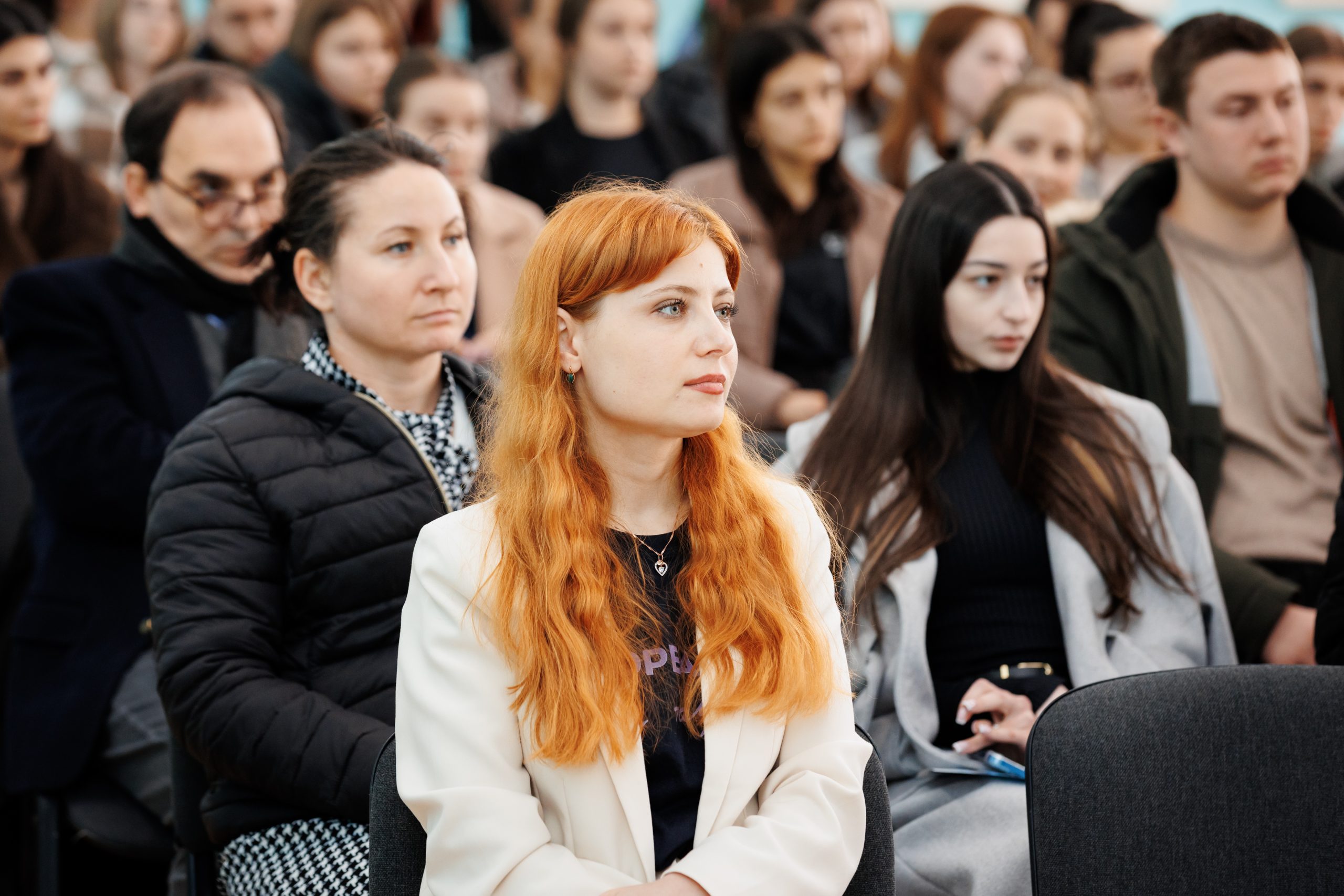
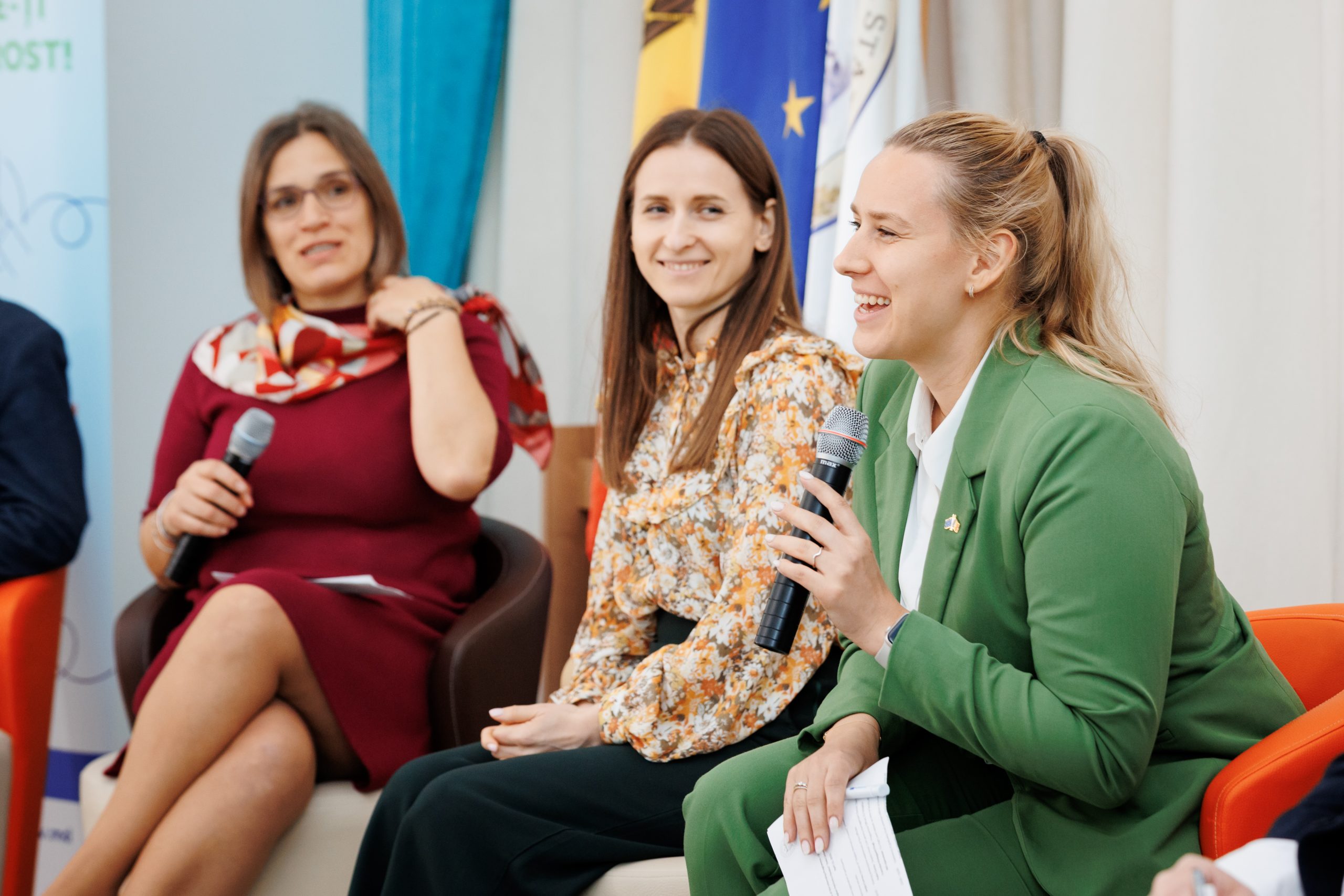
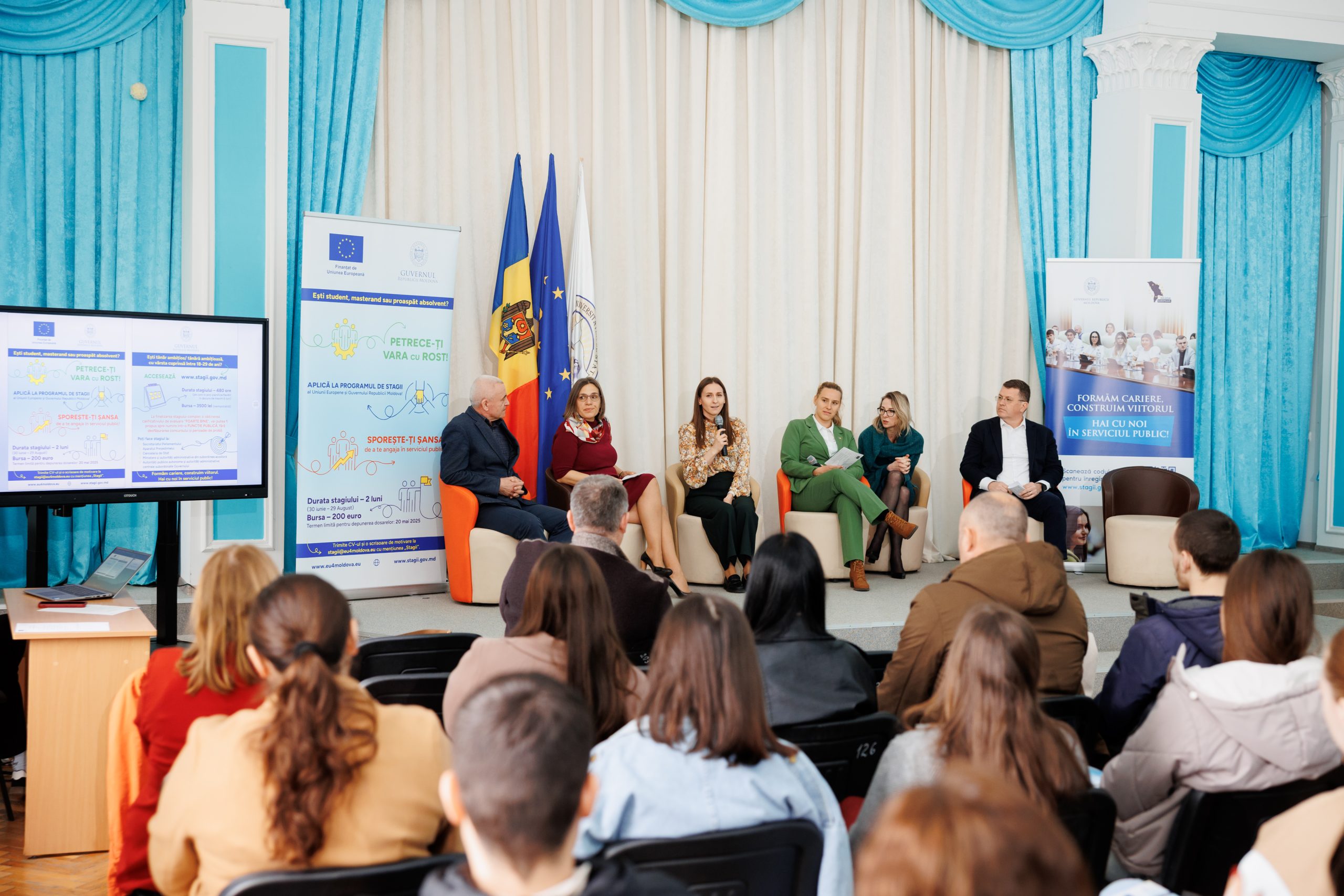
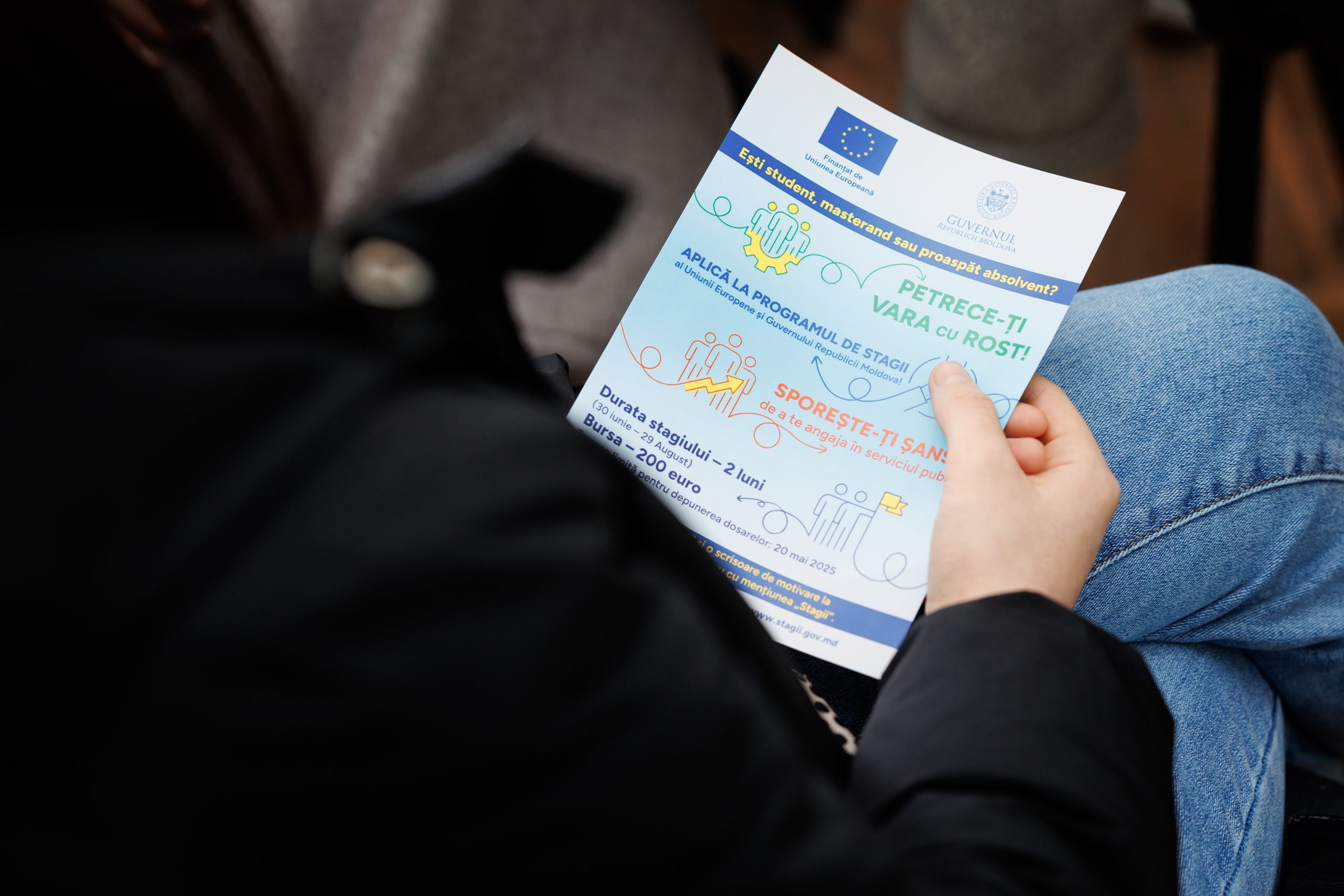
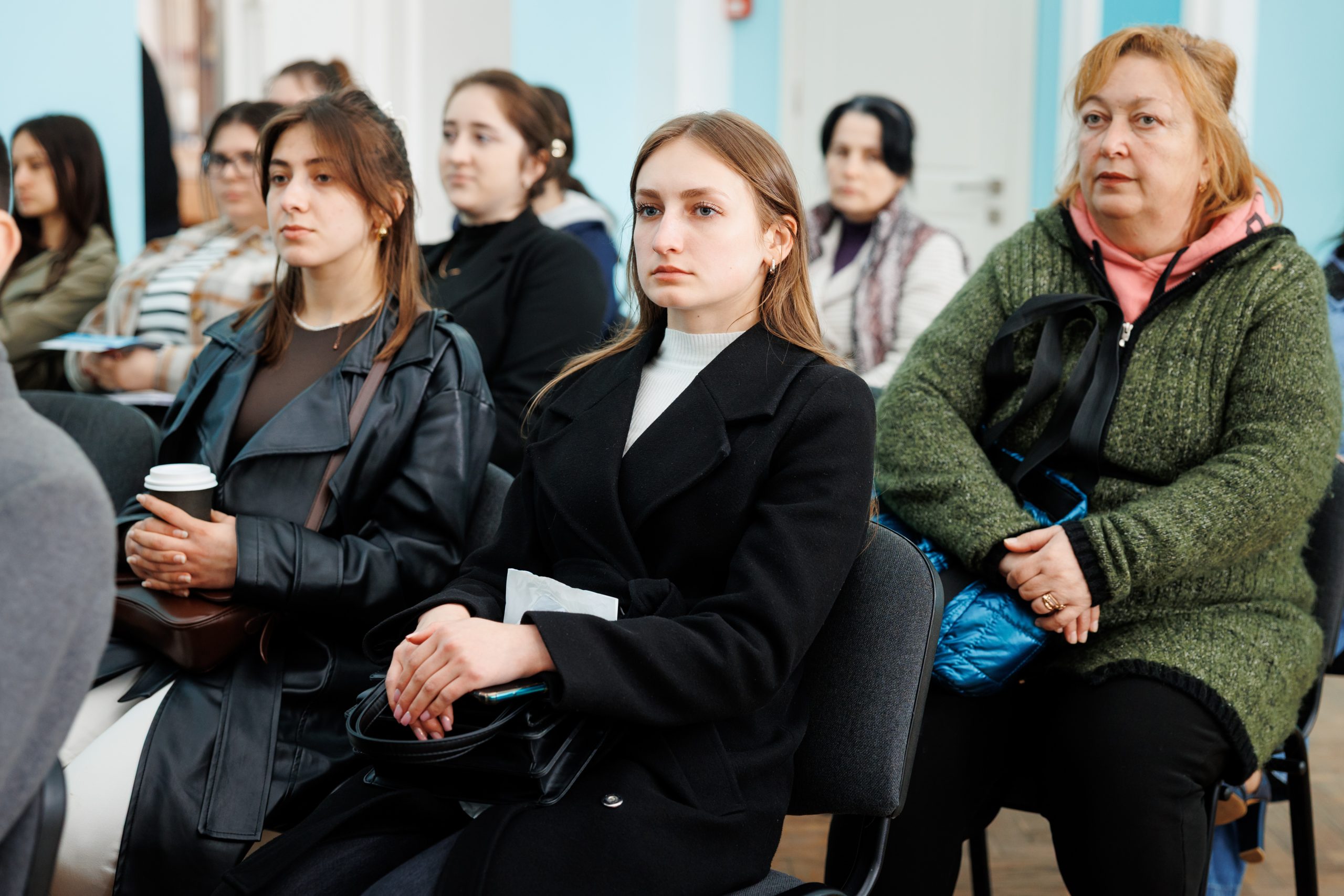
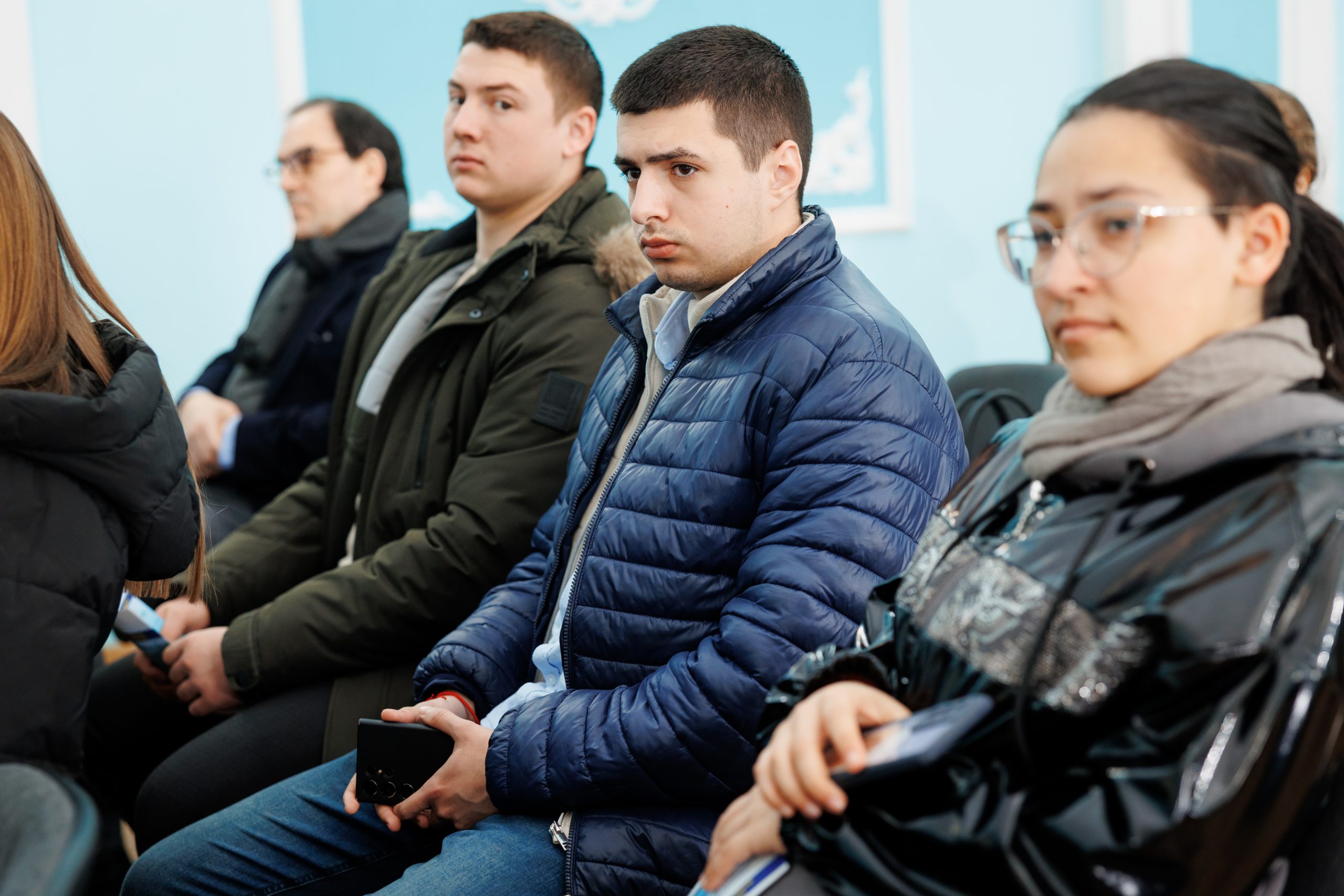
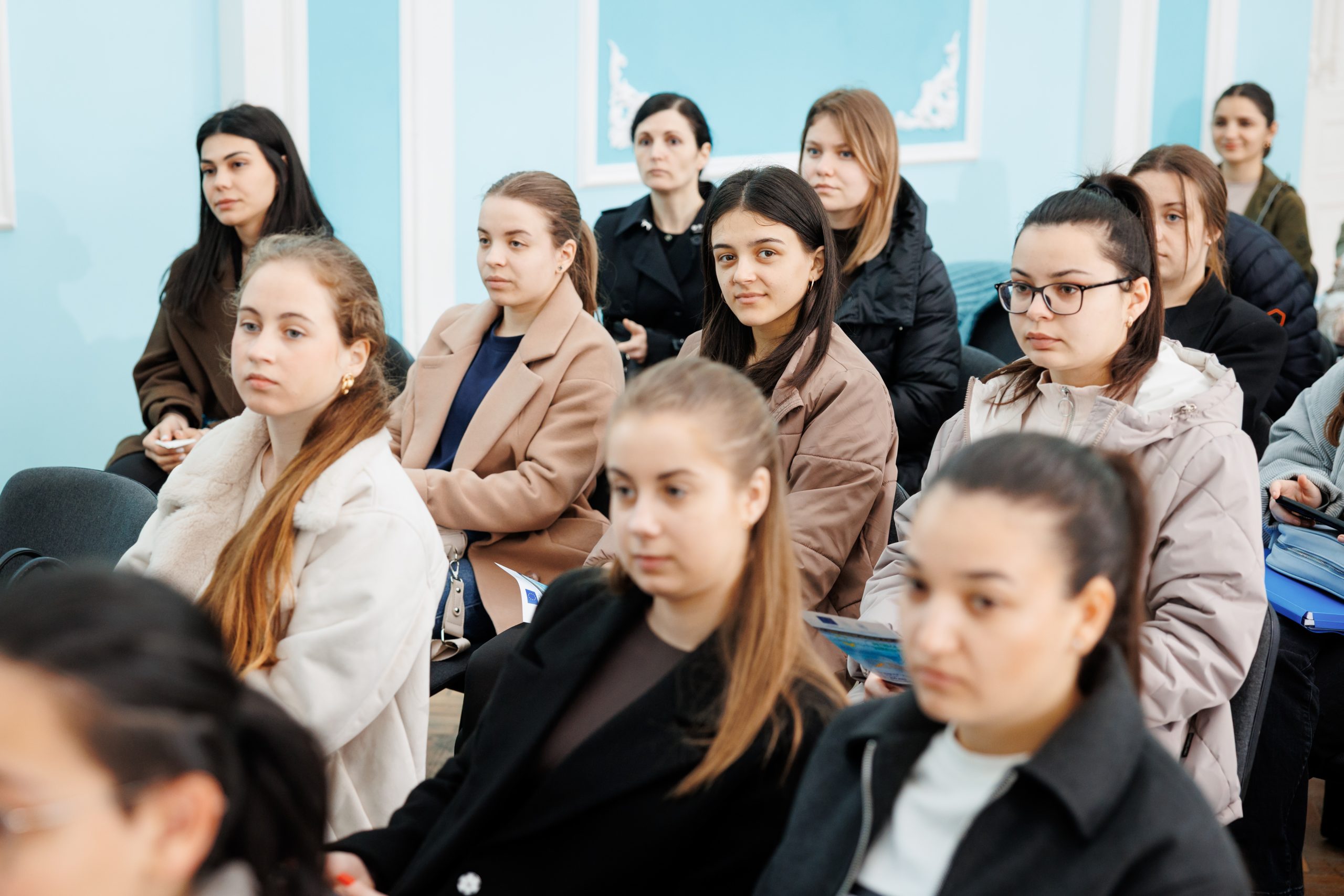
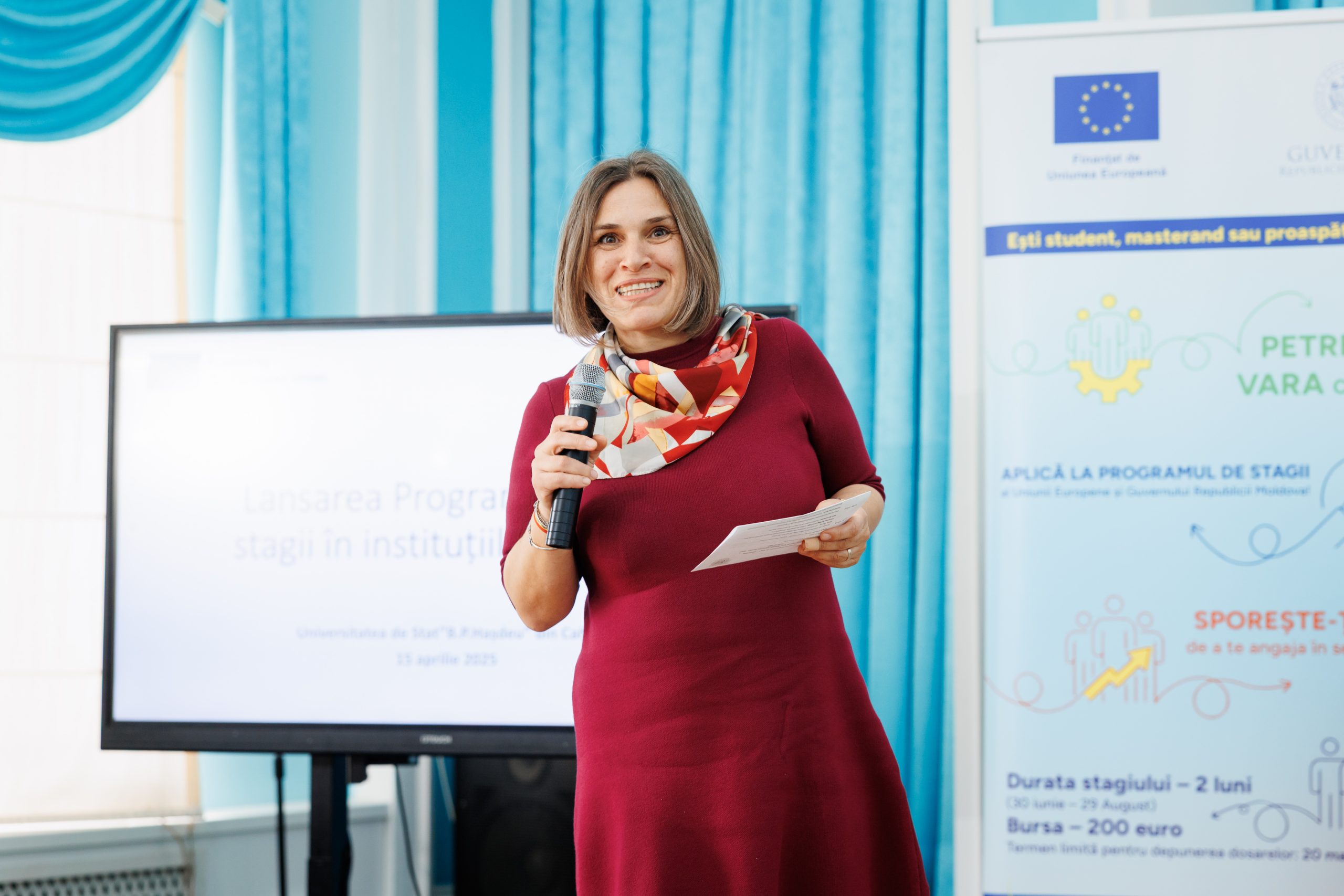
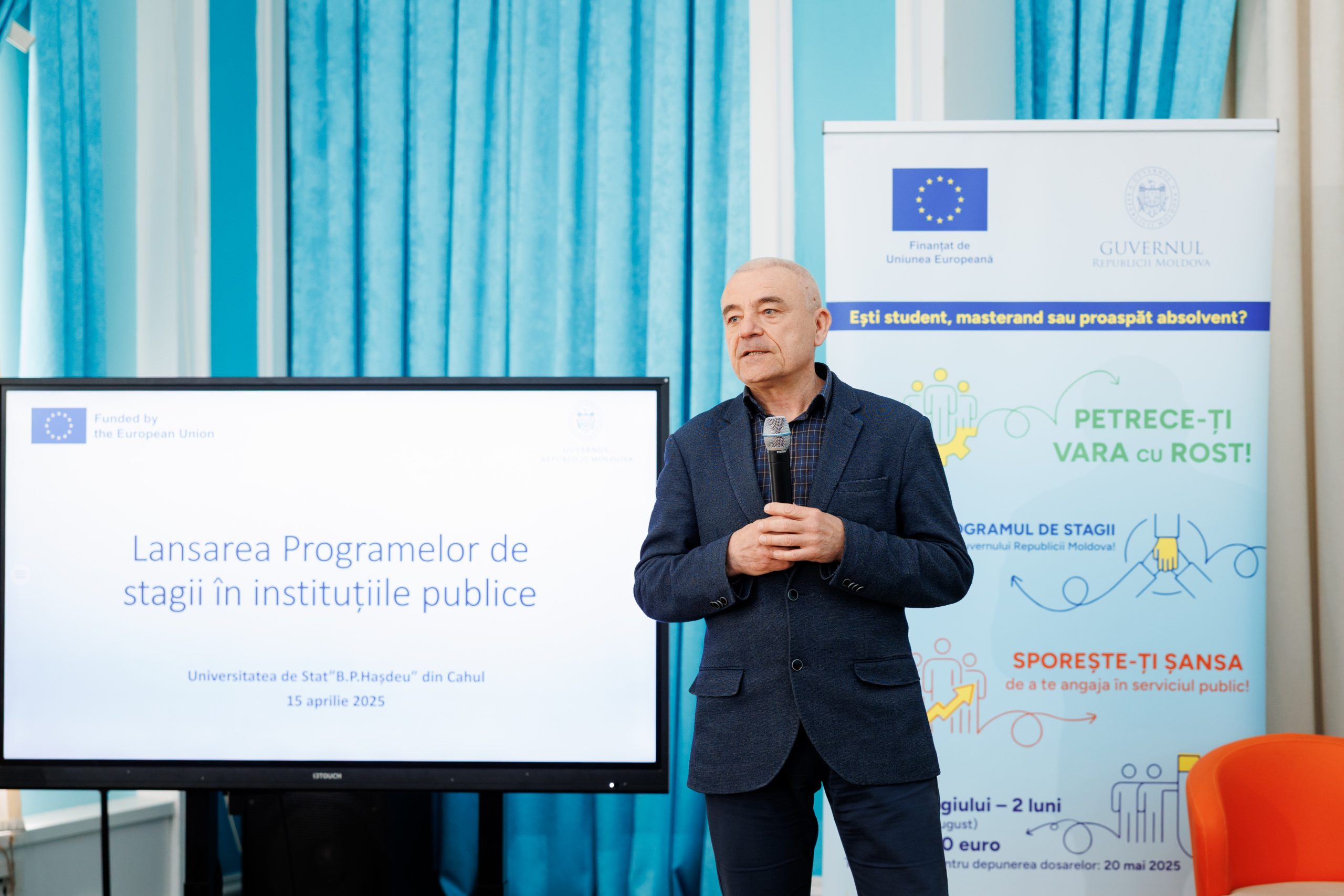
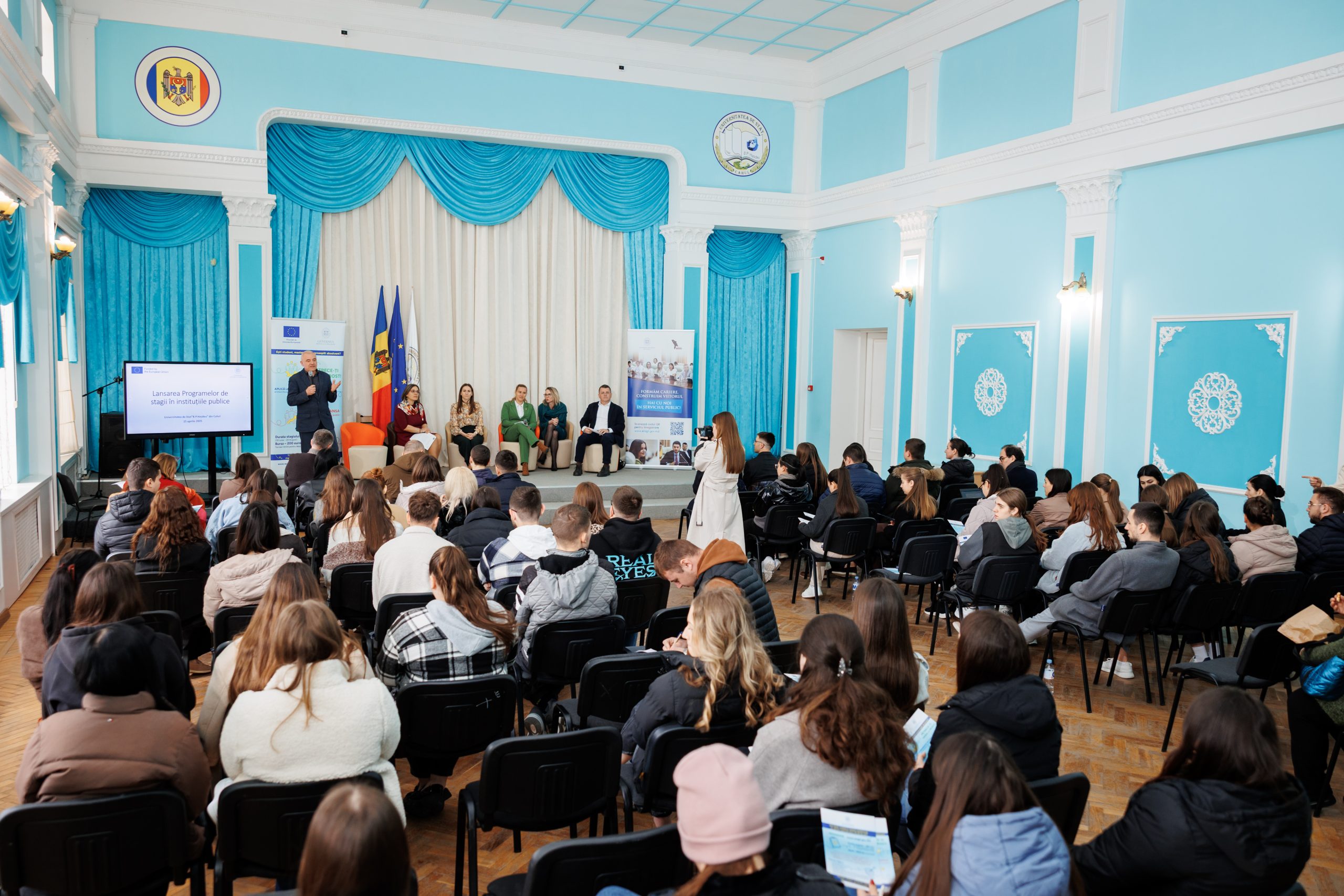
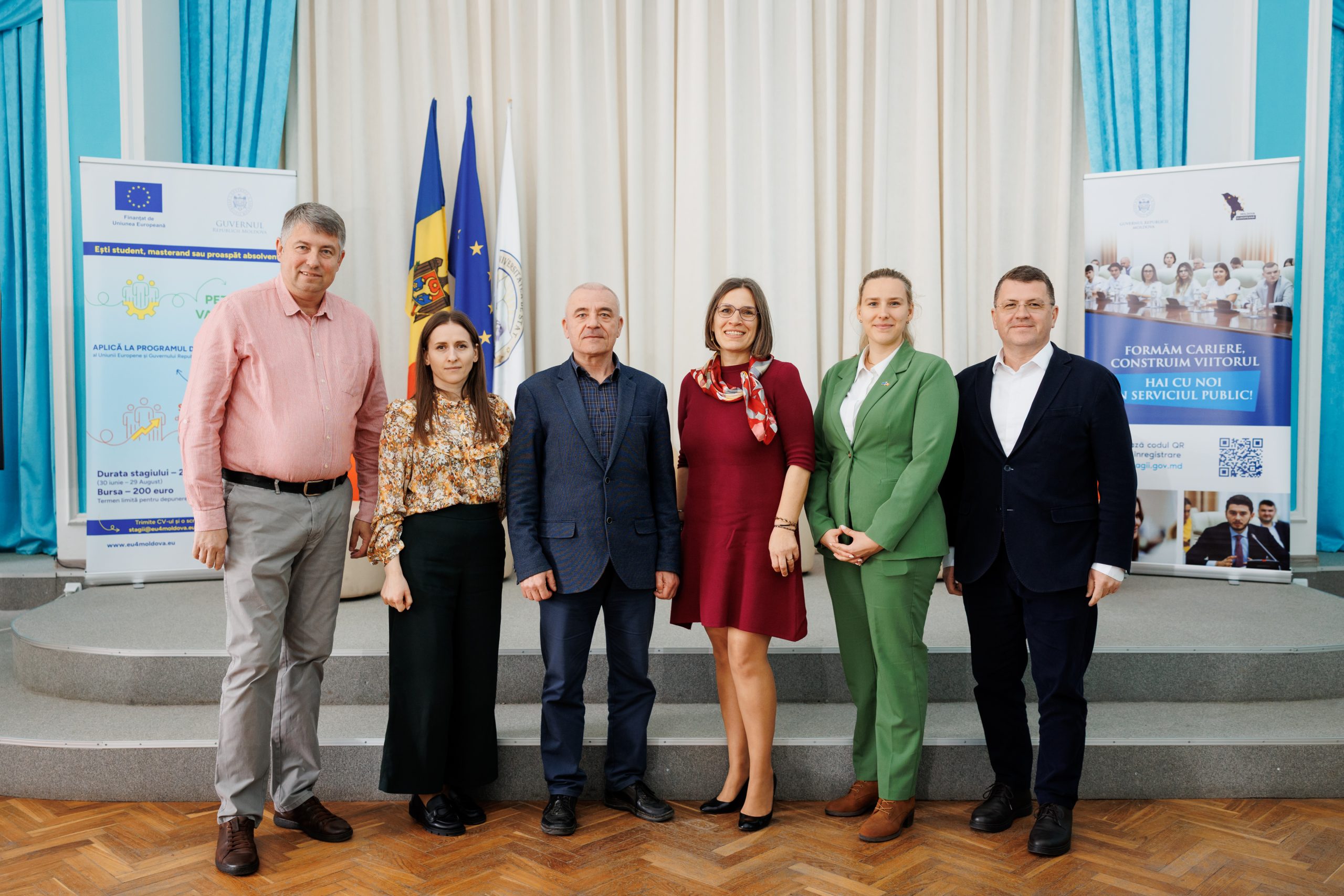
The internship programme offers motivated young people in the Republic of Moldova a full-time, two-month placement in central public institutions involved in the EU accession process. Supported by the EU High Level Advisers Mission, the programme connects students and recent graduates with the civil service, providing hands-on experience and the chance to contribute to reforms aligned with Moldova’s European integration

Read more

ELIGIBILITY REQUIREMENTS

  • Citizenship of the Republic of Moldova
  • Enrollment in a higher education institution in the Republic of Moldova or abroad, first cycle (Bachelor’s/‘licență’) or second cycle (Master’s), or recent graduate of a higher education institution;
  • Up to 30 years’ old at the time of application to the Programme;
  • Fluency in Romanian;
  • Advanced knowledge of English (at least B2);
  • Active involvement in extracurricular activities, active civic position;
  • Good academic results (based on the average of received applications);
  • Motivation for a career in civil service in the Republic of Moldova.

DURATION & PLACEMENT

The duration of the internship is of two months, indicatively 30 June – 29 August 2025.

Interns will be placed in central level public institutions, indicatively those where an EU HLA is serving. They can also be allocated to institutions with no designated EU HLA, but still being under the mentorship of an EU HLA, should there be a confirmed interest on behalf of the institution and relevance to the EU HLA intervention sectors and/or EU – Republic of Moldova negotiation clusters topics.

Interns will be guided in their daily activities by the EU HLAs and/or Senior Non-Key Experts of the project and the staff of the hosting institution. The staff of the hosting institution will submit an evaluation report at the end of the Internship programme, assessing the interns’ performance. 

The internship is designed as a full-time activity, with an involvement of 8 hours/day, with physical presence. Part-time participation in the Programme is not accepted.

TOPIC OF THE INTERNSHIP PROGRAMME

The Internship Programme focuses on topics of EU – Republic of Moldova relations, and namely on the process of EU integration.

Given the current stage of EU – Republic of Moldova relations, the 2025 edition of the Programme will address subjects related to accession negotiations.

ALLOWANCE

Internship allowance will be offered to a maximum number of 70 interns. Additionally, should there be a higher number of potential interns and a confirmed interest and availability of hosting institutions, cost-free internships can be granted.

 For each month of internship, an allowance of gross Euro 200 is paid in MDL at the INFOREURO exchange rate in the payment month (https://ec.europa.eu/info/funding-tenders/procedures-guidelines-tenders/information-contractors-and-beneficiaries/exchange-rate-inforeuro_ro). The taxes will be deducted from this amount in accordance with the relevant legislation.

The allowance will be payable subject to a full-time involvement in the Internship Programme, proved by a filled-in Timesheet with a brief description of activities, signed by the Interns and the corresponding EU HLA (mentor). The allowance for the second month will be payable subject to a Timesheet accompanied by a Final Report.

APPLICATION

The application will be done via email at stagii@eu4moldova.eu. Applicants should include a CV and motivation letter upon submitting their application. Applicants should confirm that they grant access to Internship organisers to their personal data which will be used solely for the purpose of the Programme.  Applications submitted after the deadline 20 May 2025 and/or incomplete applications will not be considered.

SELECTION

The selection will be carried out in several stages. 

The first stage will include a pre-selection process checking that the submitted applications are complete and correspond to the requirements set out in the ‘ELIGIBILITY REQUIREMENTS’. The pre-selection will be carried out immediately after the deadline for applications, in the period of (indicatively) 20 – 27 May. Candidates will be considered short-listed if they fulfill all the eligibility requirements. Incomplete applications will be rejected automatically.

The second stage of selection process will include an interview with the members of the Selection Committee, composed of representatives of the Delegation of the European Union, the Government, and EU HLA Mission. Interviews will be held in English and Romanian and be centered around topics related to EU integration. The indicative timeframe for the Interviews stage is 28 May – 4 June. Interviews will be organised mostly with physical presence, but can also take place online. Members of the Selection Committee will fill in an Evaluation Questionnaire, marking in the grid their assessment of aspects like fluency in English, presentation skills, motivation, knowledge of EU – Moldova relations, knowledge of political, economic and social aspects etc. 

Based on the results of the interviews, a ranking of applicants will be made starting with highest scores. The highest ranking indicatively 70 candidates can be accepted to the Programme. Alternatively, members of the Selection Committee can agree on a minimum score which is considered passing, and the number of selected interns will be determined by those reaching the minimum score.

ALLOCATION TO HOSTING INSTITUTIONS

The Selection Committee will allocate the selected participants to the different hosting institutions, based on their academic (and professional) background, subject to availability of internship positions in the hosting institution and mentor(-s). The Selection Committee cannot guarantee that the intern will be allocated to a specific institution/sector, but will do its best to perform the ‘best fit’ allocations, taking into account the interns’ profiles and the needs of the hosting institutions.

After allocation to a specific institution, the interns may be involved in the activities of a different institution, coordinated by an EU HLA, should there be interest on the intern’s side and availability of mentor(-s) in the latter and provided that a written notification is submitted to the project staff.

ACTIVITIES & CERTIFICATE

Interns will perform activities as requested by their mentor(-s), related to the responsibilities of their hosting institution. Interns cannot be involved in activities not related to the area of responsibility of the hosting institution.

Interns will be involved in joint activities with other interns participating in the Programme, organised by beneficiary institutions and/or project, like round tables, conferences, debates etc. Participation in such joint activities is mandatory and is considered part of the Internship programme.

Upon successful completion of two months of internship, and submission of a Final Report, interns will receive a Certificate proving their participation in the Programme.

CONTRACTS, PAYMENTS & REPORTING

Interns will sign an Internship contract within the project ‘European Moldova – Support for EU Integration’. In order to sign the contract, interns will provide a copy of their ID and proof of academic enrollment/diploma.

In order to receive the monthly allowance, interns will have a valid bank account in the Republic of Moldova, in the national currency. They will submit their bank details along with the signed contract at the beginning of the Internship Programme.

Interns will fill in monthly timesheets, briefly describing their daily activities, and will bring the originals of such timesheets, signed by them and counter-signed by their mentors, to the project office on the last day of each internship month.

At the end of the internship period, interns will fill in a Final Report, describing their overall experience and including feedback on its positive and negative sides, as well as suggestions for the improvement of the sector they performed their internship in.

SCHEDULE

The 2025 edition of the Internship Programme will take place according to the following schedule:

15 April– 20 May – submission of applications

20 May – 27 May – pre-selection of candidates

28 May – 4 June – interviews with shortlisted candidates

4 June – 6 June – ranking and decisions on accepting candidates to the Programme and allocation to institutions

9 June – 13 June – notification of selected candidates 

16 June – 27 June – signing of contracts

30 June – beginning of Internship Programme

29 August – end of Internship Programme, handing of certificates, festive ceremony

Dates may slightly be adjusted based on emerging circumstances.


VISIBILITY

Applicants and selected participants, by submitting their application, agree to be featured in materials related to the Internship Programme: press-releases, social media posts, pictures and videos, interviews etc.

BENEFITS

Upon successful evaluation by the beneficiary institution’s mentor, graduates of the Programme will receive the following facilities upon entering the civil service: no competition if applying for a vacancy in the same institution where they carried out the internship, as well as no testing period if applying to the subdivision of the institution where they carried out the internship – subject to the condition of undergoing at least one more month of internship (i.e. having a total of three months of internship).

Detailed mechanism of benefits is described in the Law nr. 123 of 2023 on paid internship in state institutions. Benefits will be subject to precise fulfillment of conditions stipulated in the national legislation.

Organisers may decide on re-allocating the intern to the Government-run Internship Programme, or keep him/her within the project-run Programme (in cases when the hosting institution is not part of the Governmental programme on paid internships in state institutions).

NEWS

Social services – more accessible and more inclusive, in line with EU standards

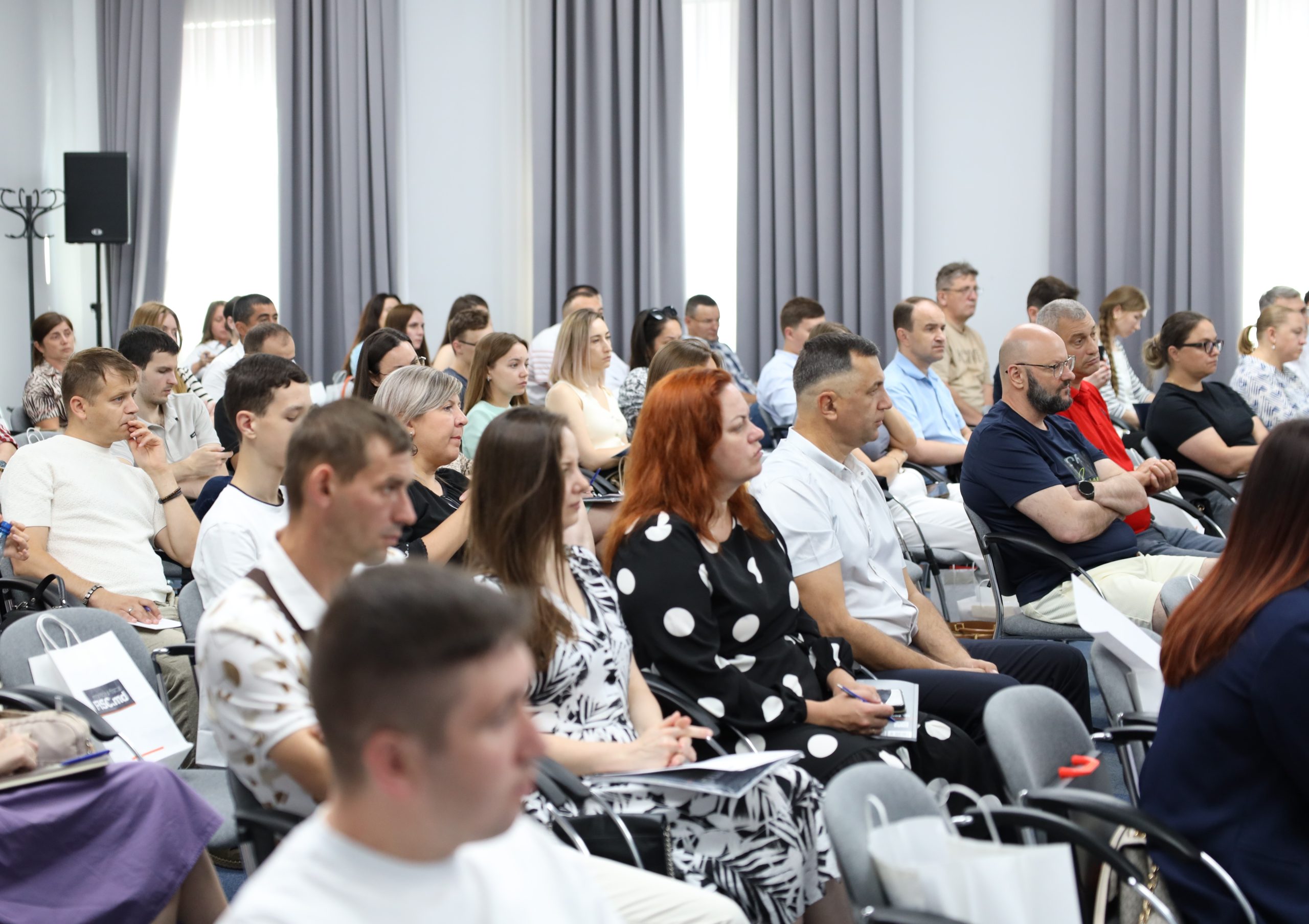
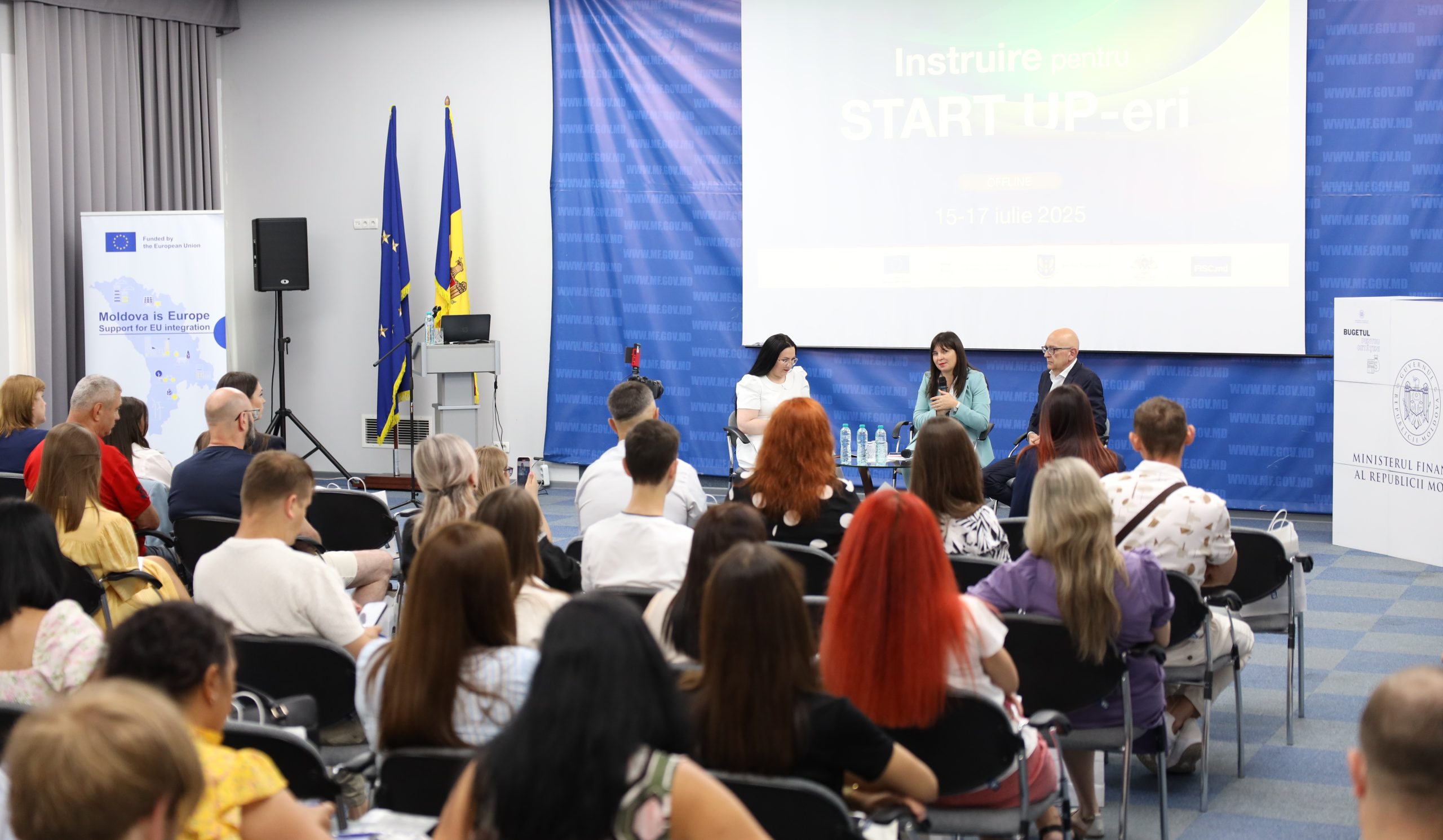
Digital resilience for a modern financial system – aim of the training for banks representatives, organized with EU support

New e-Monitoring IT System supporting the legal approximation process, to be introduced with EU support: civil servants receive training in its use

Moldova enhances anti-corruption collaboration at the European Partners Against Corruption General Assembly in the Hague

25 anticorruption specialists enhanced their knowledge in project management and external funding acquisition