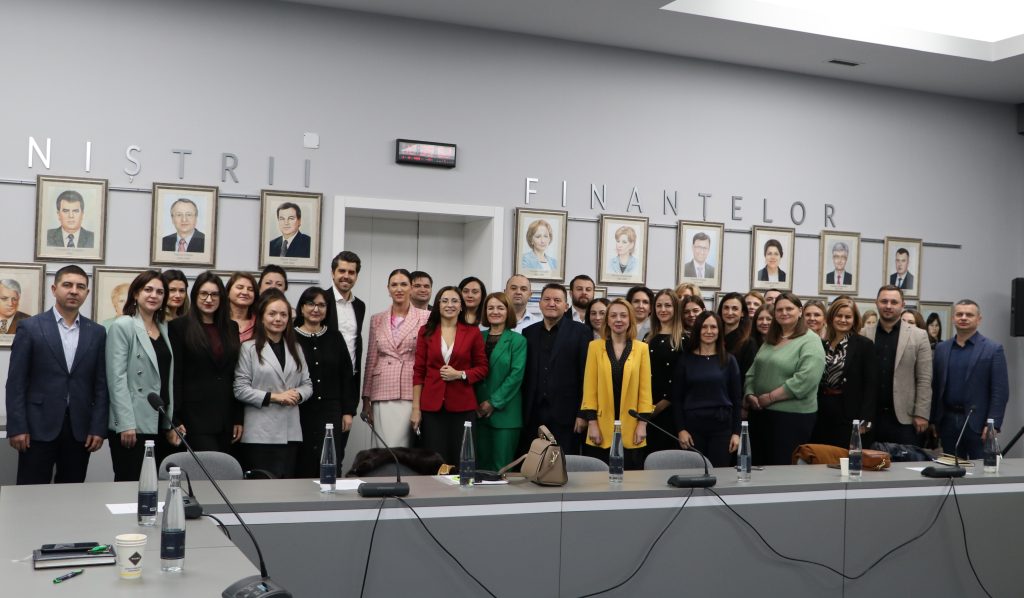
The National Procurement Platform discussed the amendments to the Law on Sectoral Procurement
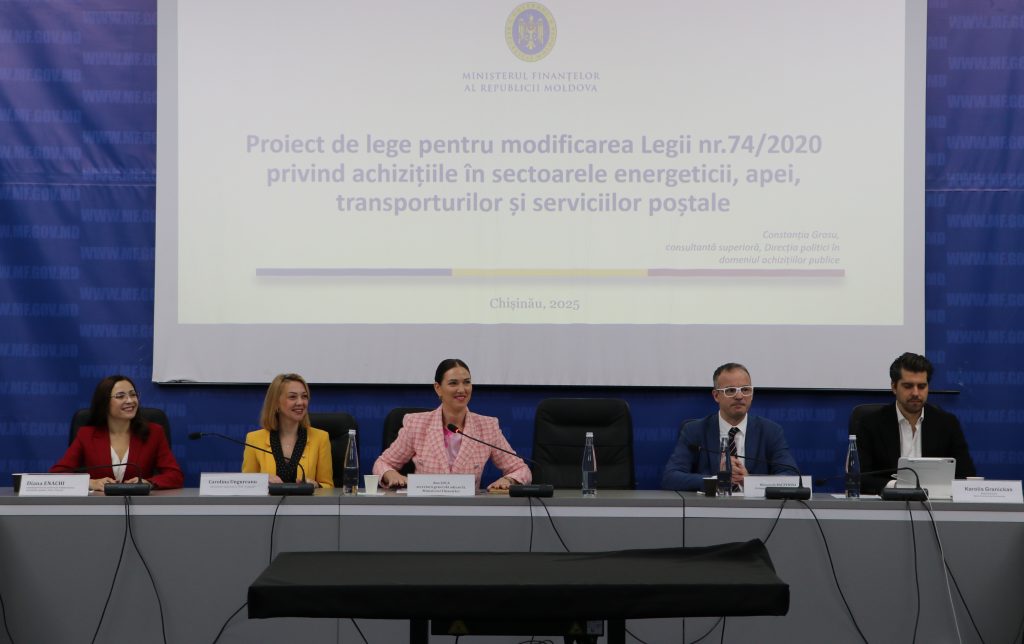
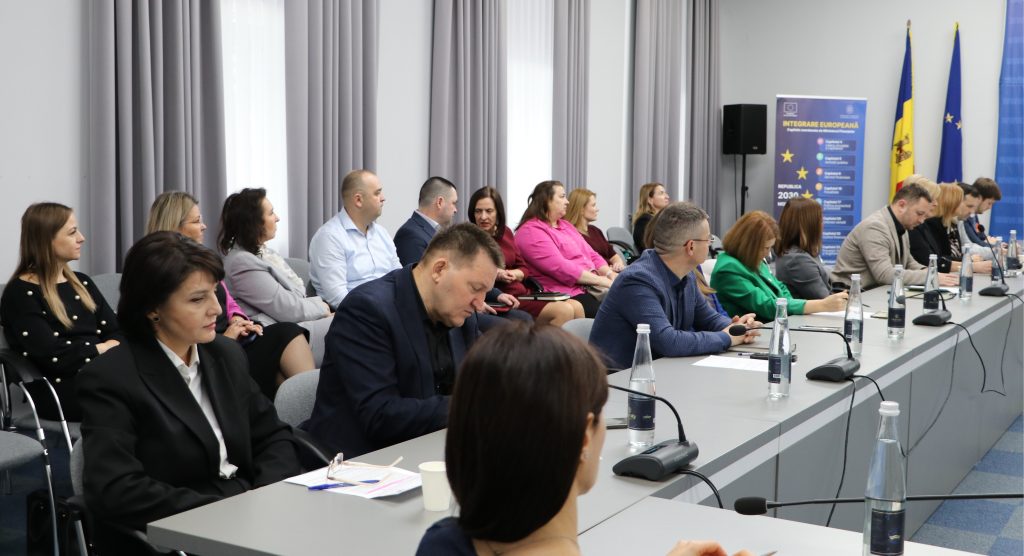
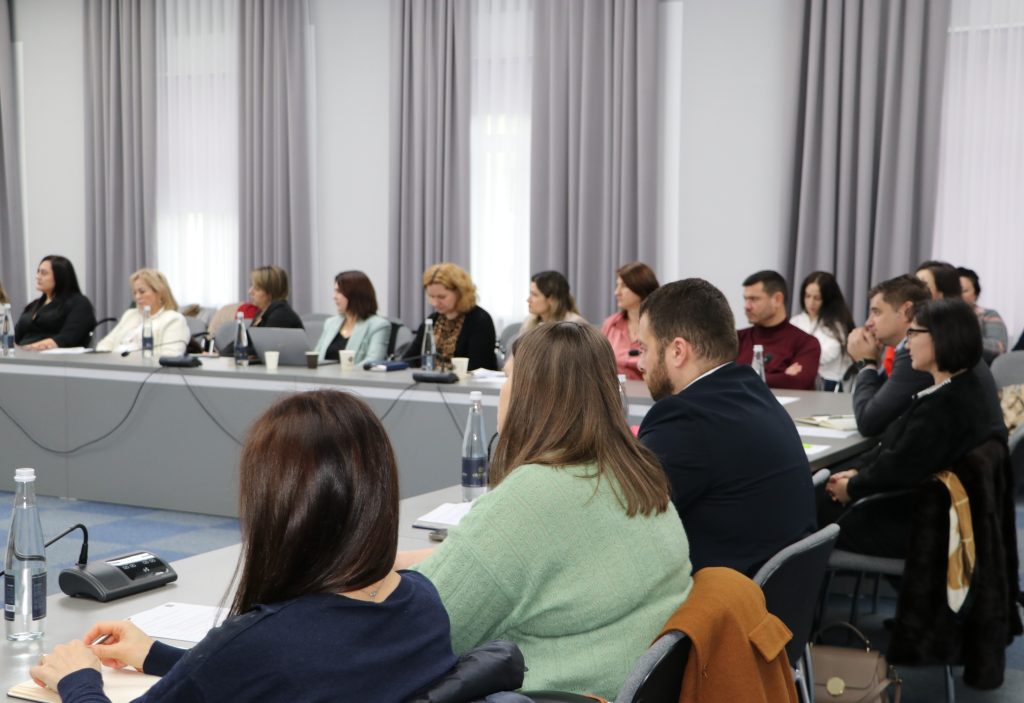
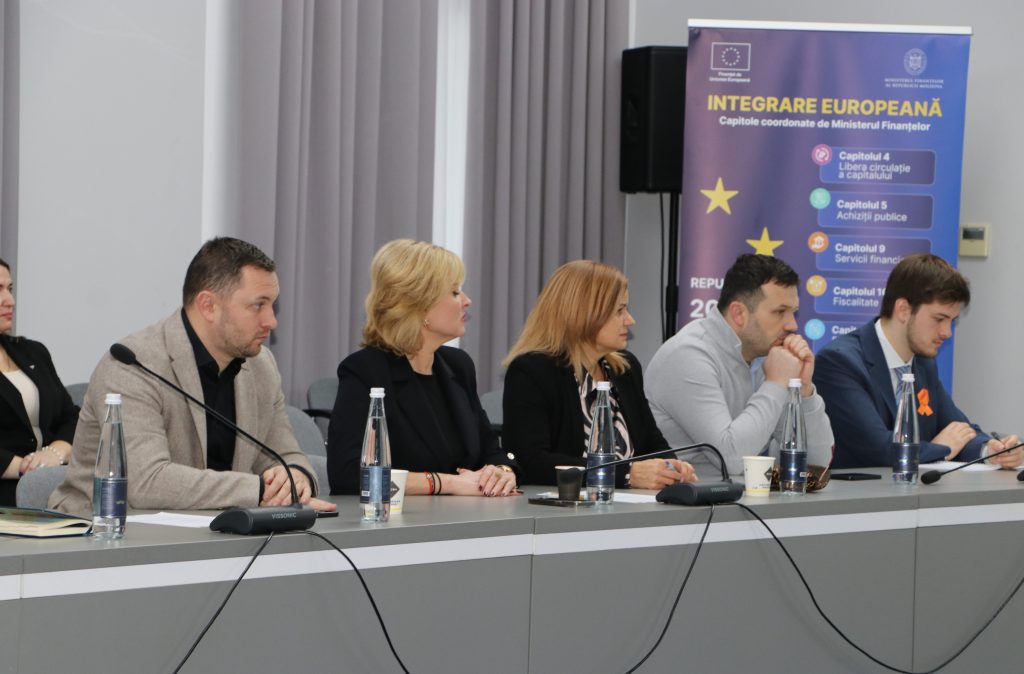
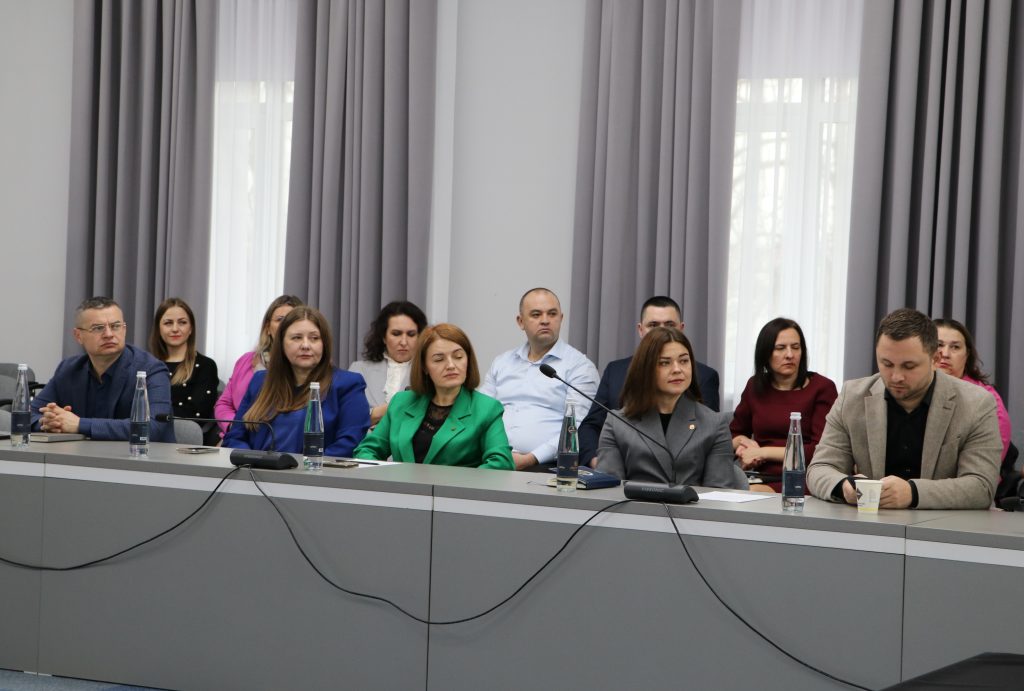
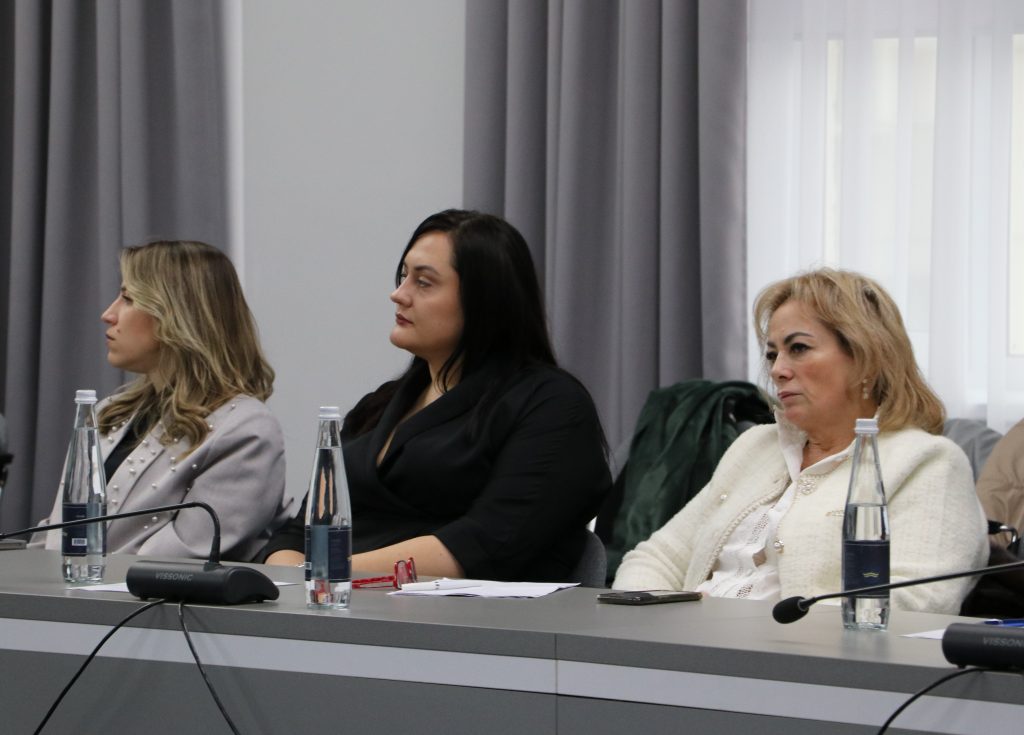
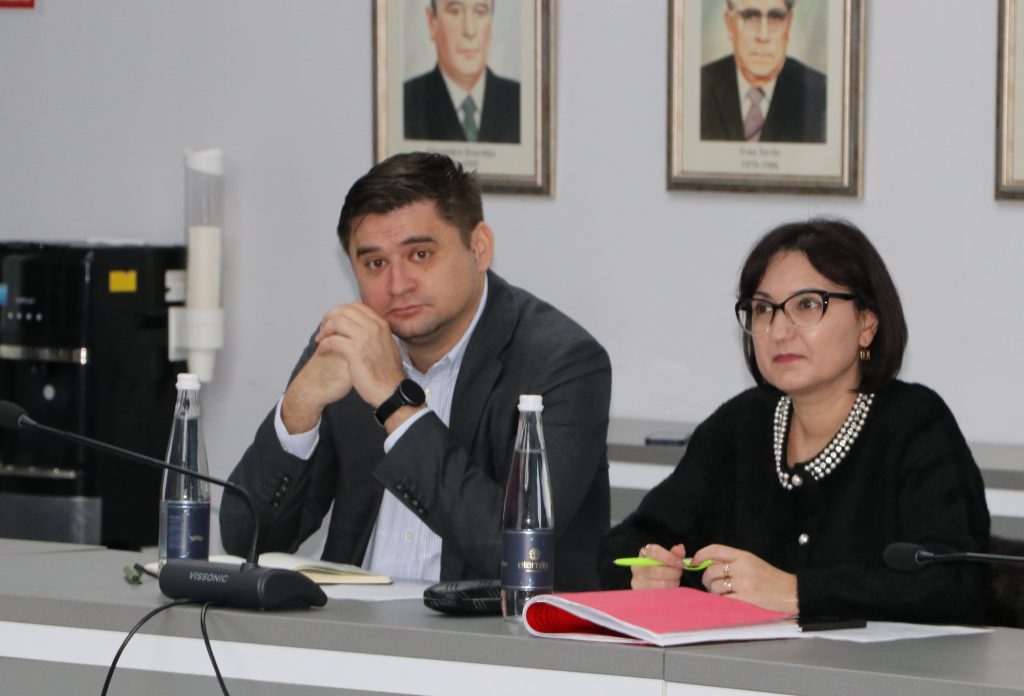
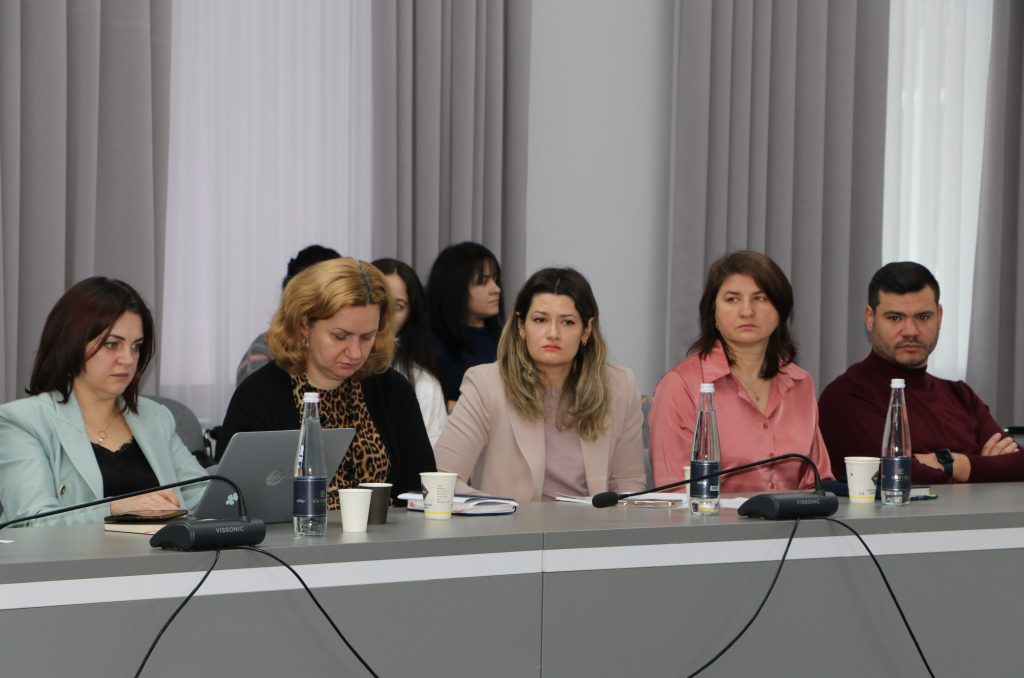
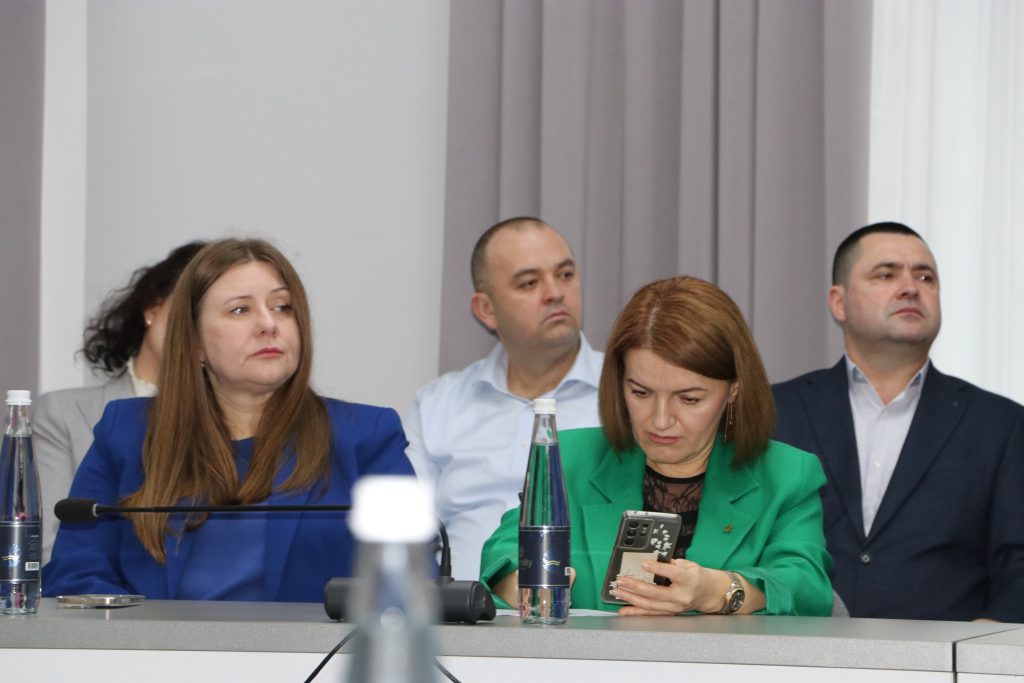
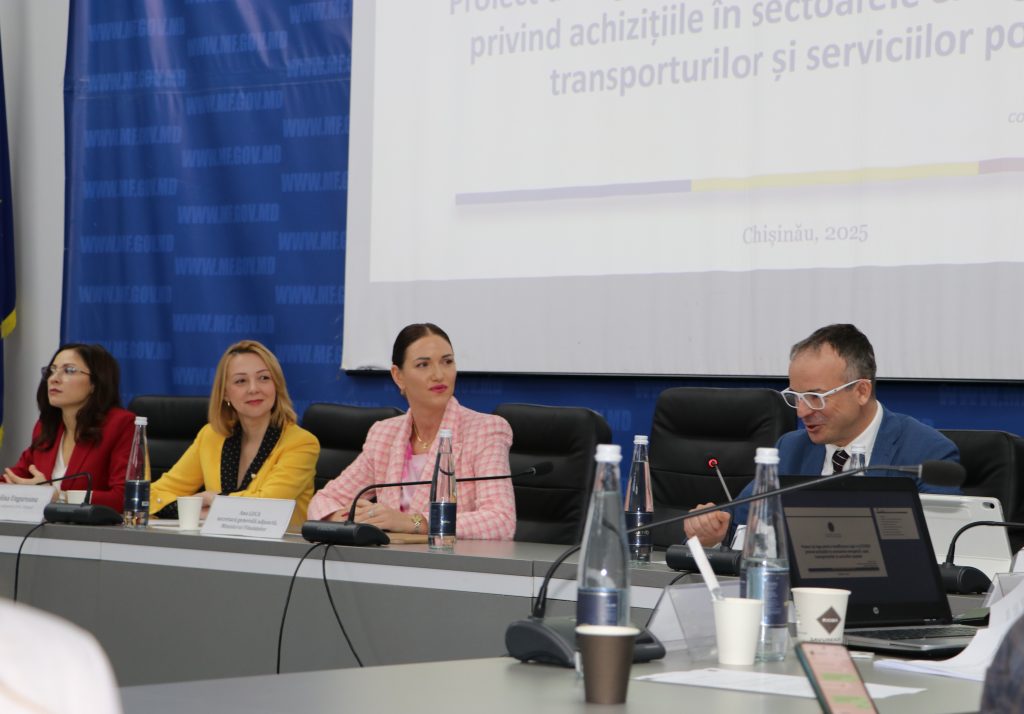
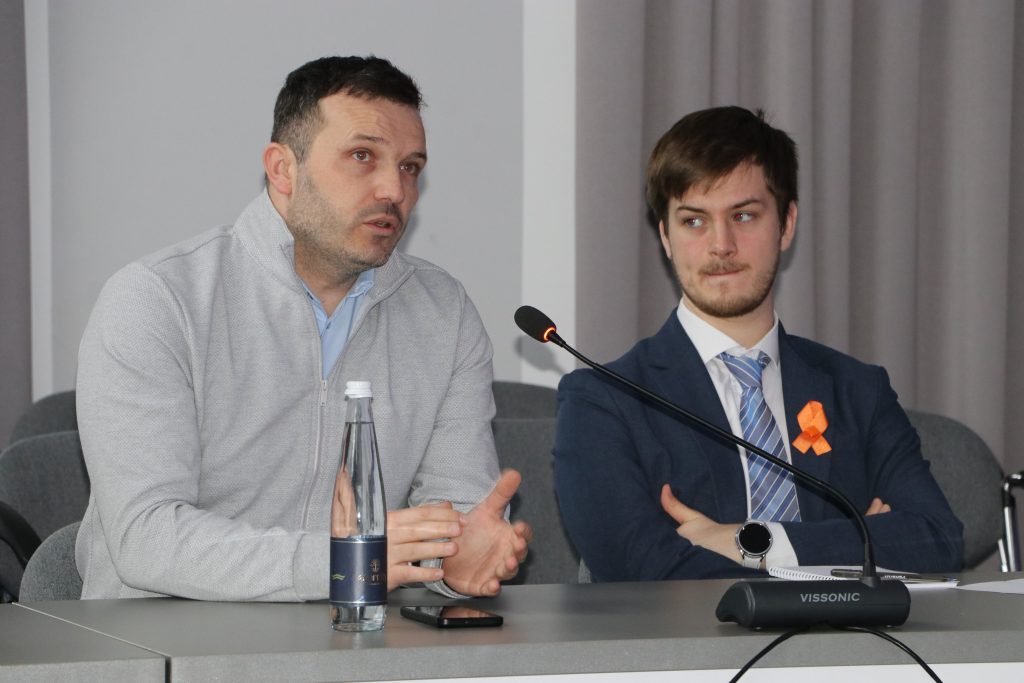
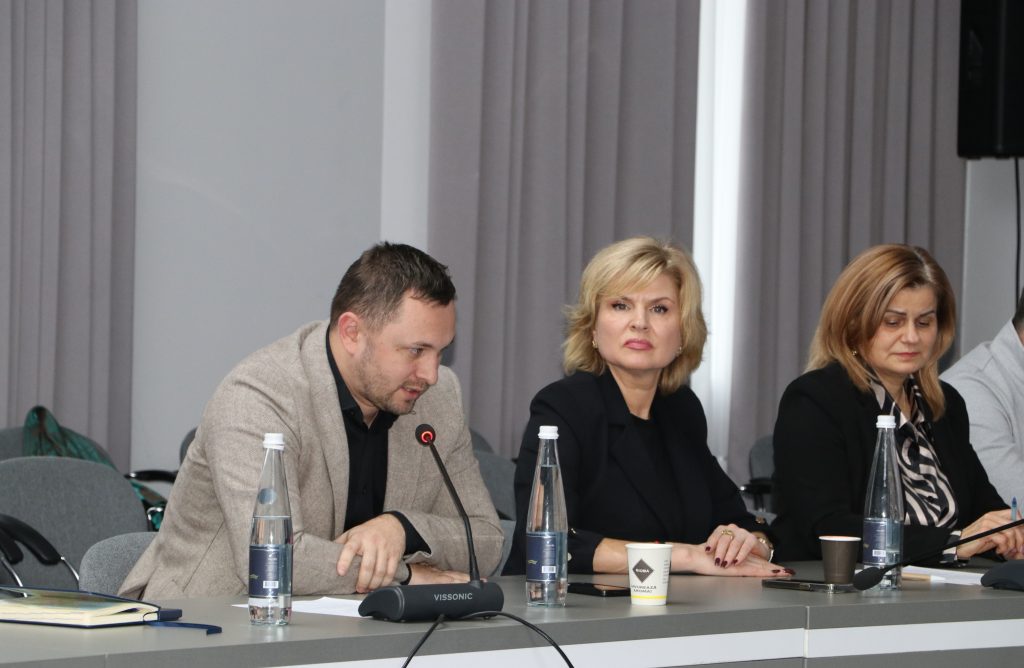
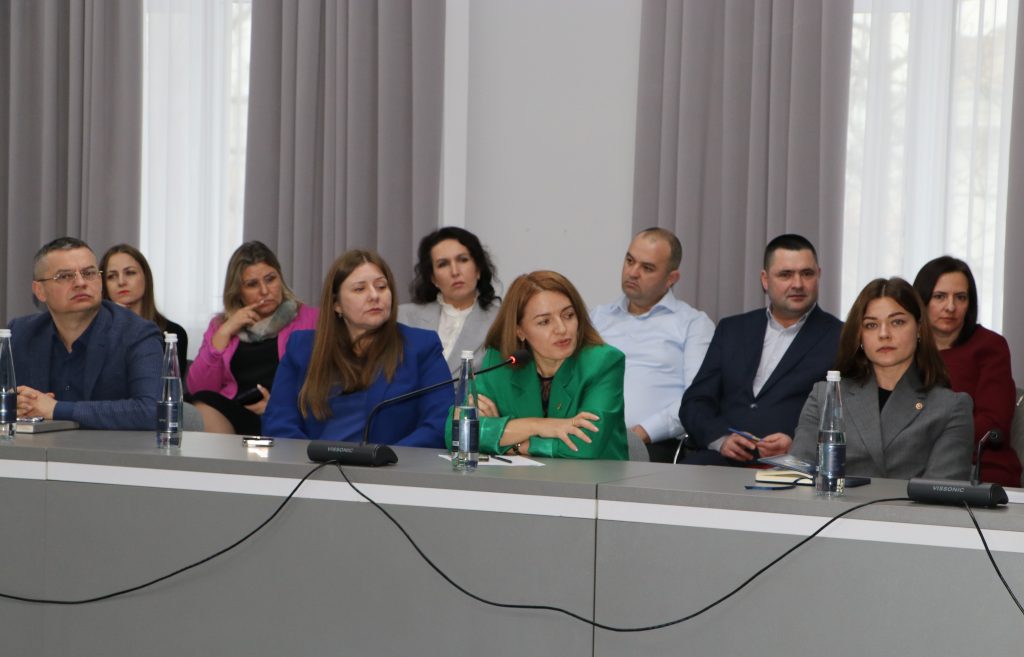
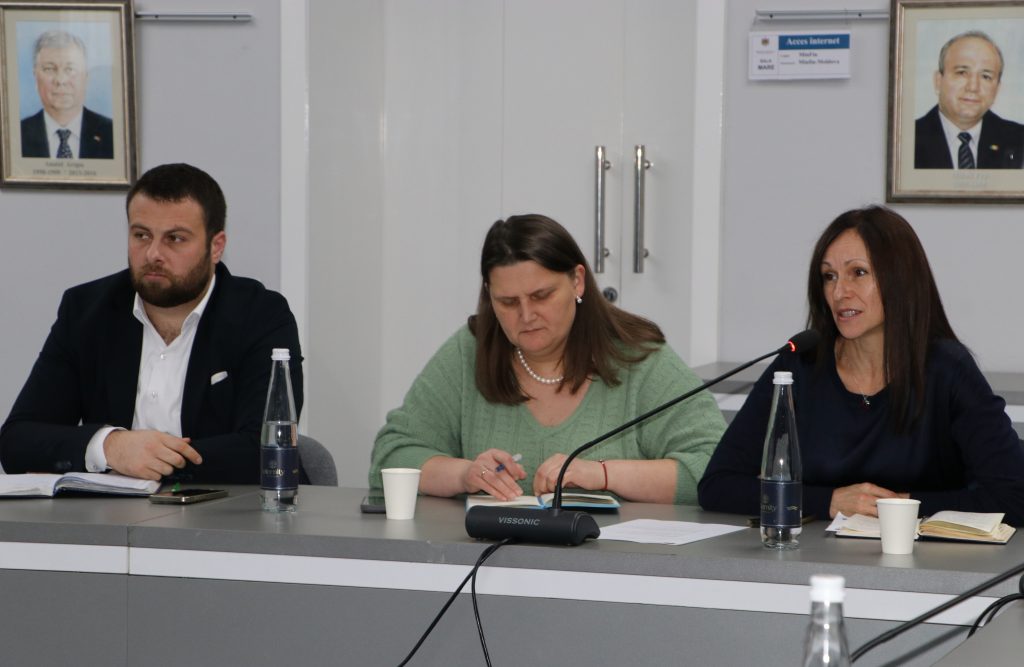
Members of the National Platform for Public Procurement (NPPP) met in session on Wednesday, 3 December 2025. The Ministry of Finance presented the Draft Law amending the Law on sectoral procurement. Also, the expert at the Association for Efficient and Responsible Governance (AGER), Olga Diaconu, presented an analysis of the trade-off between transparency and efficiency in sectoral procurement. The event took place in partnership with the Ministry of Finance, within the project “Supporting Moldova’s public procurement reform in the EU accession context”, implemented by IDIS “Viitorul”, with EU support.
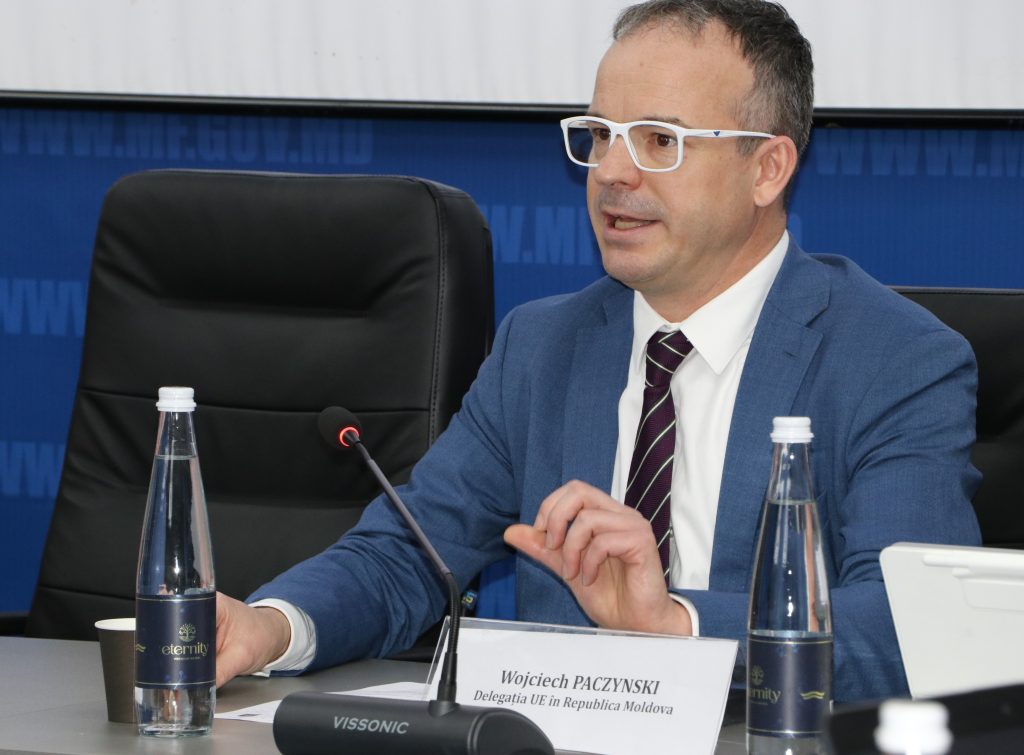
At the beginning of the meeting, Wojciech Paczynski, program manager at the EU Delegation to the Republic of Moldova, noted that transposing EU directives into national legislation would be more difficult than transposing ordinary public procurement directives. “Recently, there was an evaluation of the whole package of three directives on public procurement issued beginning in 2014, including the one on utilities sector. While it revealed many positives, it also highlighted challenges and difficulties within the system. It is a good opportunity for Moldova to take some lessons that could be learned and used in the process of legal reform of the system,” said Wojciech Paczynski.
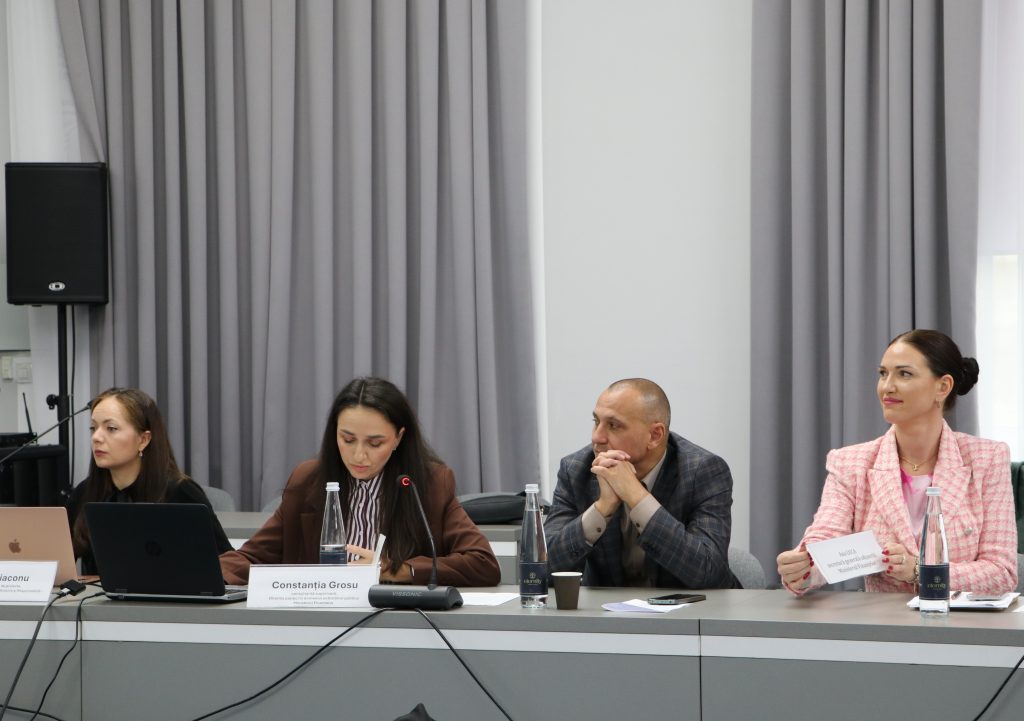
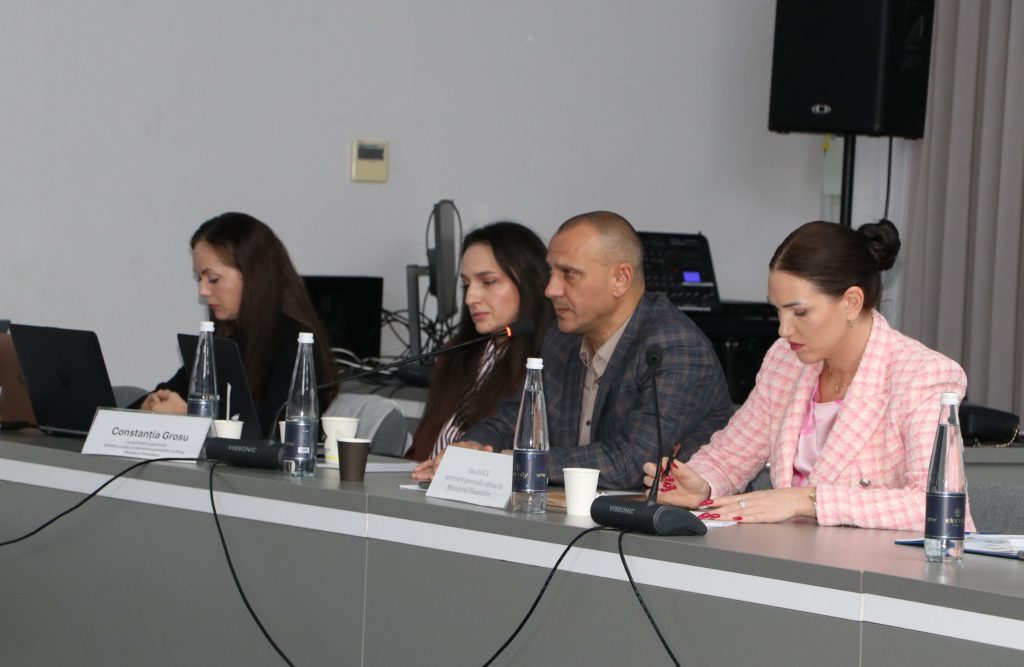
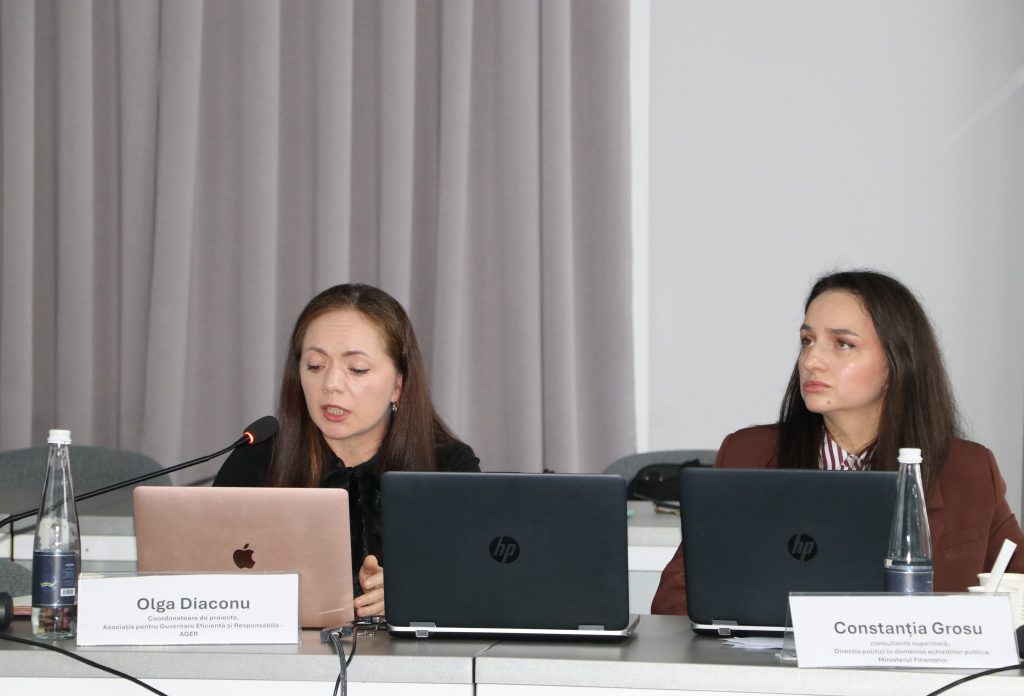
Constanția Grosu, senior consultant within the Public Procurement Policy Directorate of the Ministry of Finance, said that the amendment to Law No. 74/2020 on procurement in the energy, water, transport and postal services sectors aims to ensure the complete and compliant transposition of the EU Directive, given the commitments undertaken by the Republic of Moldova in the European integration process and within the bilateral screening exercise for Chapter 5 – “Public Procurement”.
“The draft law proposes a broad revision of existing rules by harmonizing terminology and procedures with European standards, eliminating gaps found in the current application of the Law, and introducing mechanisms aimed at strengthening transparency, competitiveness, and efficiency of procurement in regulated sectors. Thus, sectoral legislation will be modernized and adapted to current market needs, creating the premises for a more open competitive environment, uniform application of rules, and more efficient governance in the field of sectoral procurement,” said Constanția Grosu.
The analysis of sectoral procurement carried out by Olga Diaconu, an expert of the Association for Efficient and Responsible Governance (AGER), a member organization of the Public Procurement Monitoring Coalition, showed that some recommendations previously formulated by civil society in the process of working on Law No. 74/2020 were taken into account. However, the monitoring results show that errors and violations persist at all stages, from planning and publication to execution of sectoral procurement contracts.
“This analytical note aims to identify the most common problems and analyze their causes. At the same time, we have formulated solutions and recommendations to achieve clearer policies, greater transparency, and greater efficiency. Being regulated relatively recently, sectoral procurements still pose difficulties for the actors involved in these processes,” said Olga Diaconu.
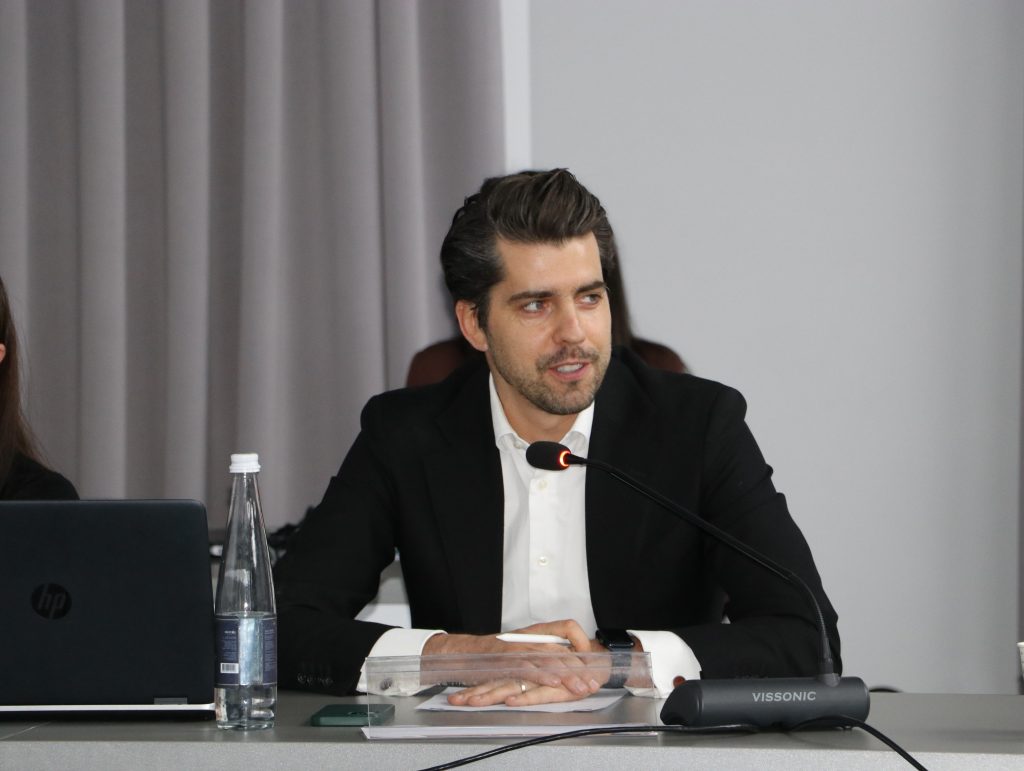
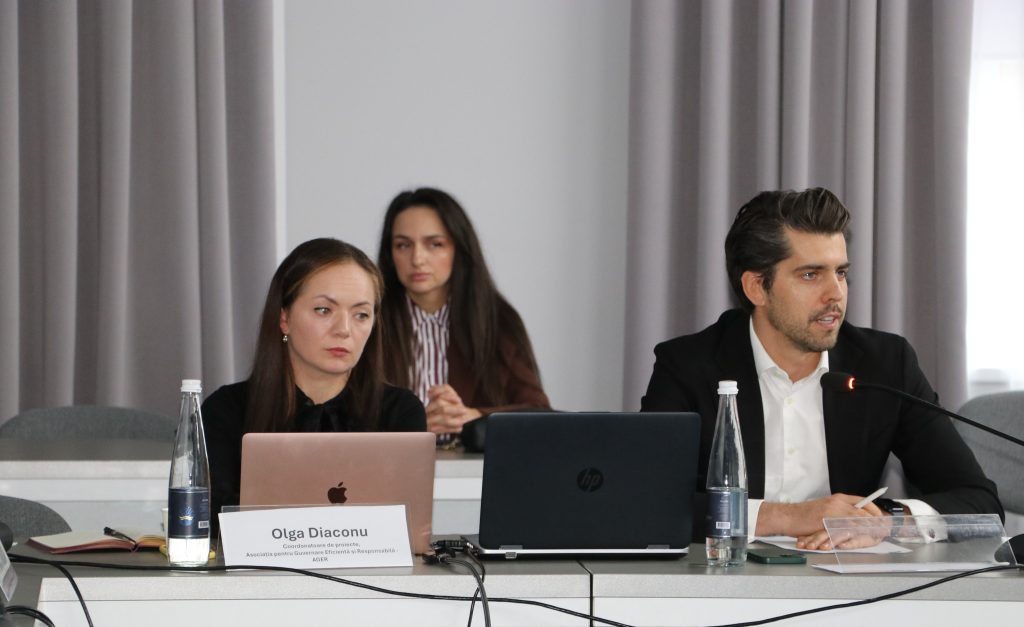
At the same time, during the meeting, Karolis Granickas, director of the Open Contracting Partnership (OCP) for Europe, mentioned that the financial volume of public procurement has been increasing for more than 10 years. At the same time, greater transparency in public procurement is a positive trend. However, the negative side of this development is that there is currently a very high level of legislative uncertainty and flexibility. “The field is regulated vertically and horizontally. There are many sectoral sub-regulations, and how to reduce this legislative uncertainty, in such a regulatory framework, horizontally and simultaneously vertically, is a problem we are facing today,” said Karolis Granickas.
This press release was produced with the financial support of the European Union. Its content represents the sole responsibility of the “Supporting Moldova’s public procurement reform in the EU accession context” project, financed by the European Union. The content of the press release belongs to the authors and does not necessarily reflect the vision of the European Union.
For additional information about the project, please get in touch with the project’s communication specialist, Maria Procopciuc, at +37360088544 or at the e-mail address: maria.procopciuc@viitorul.org.