Better decisions, better services: Moldova rethinks how ministries work
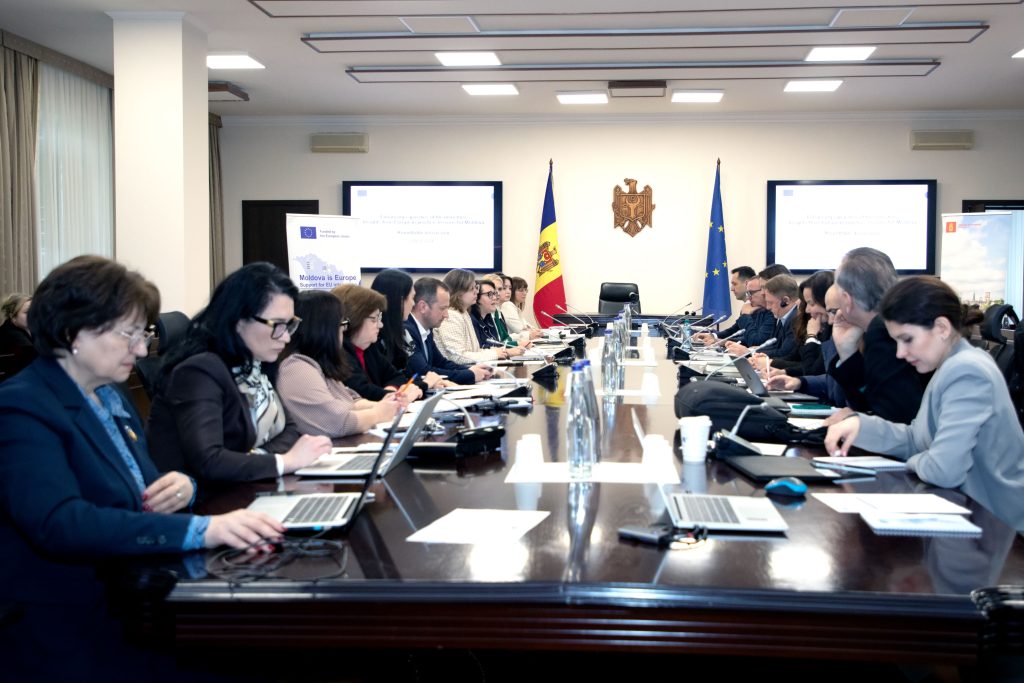
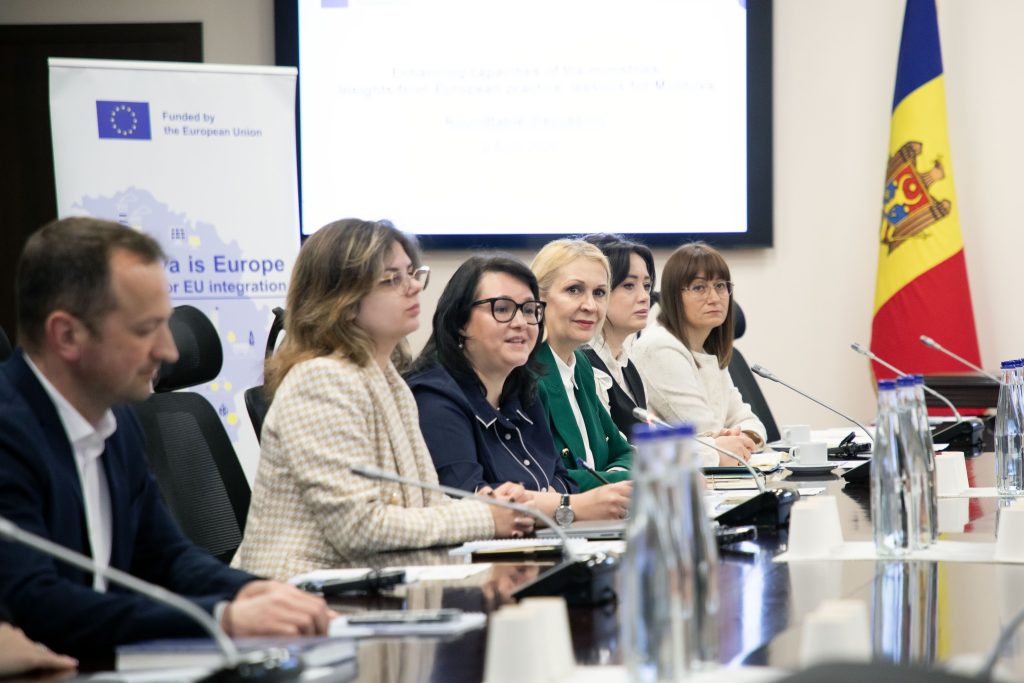
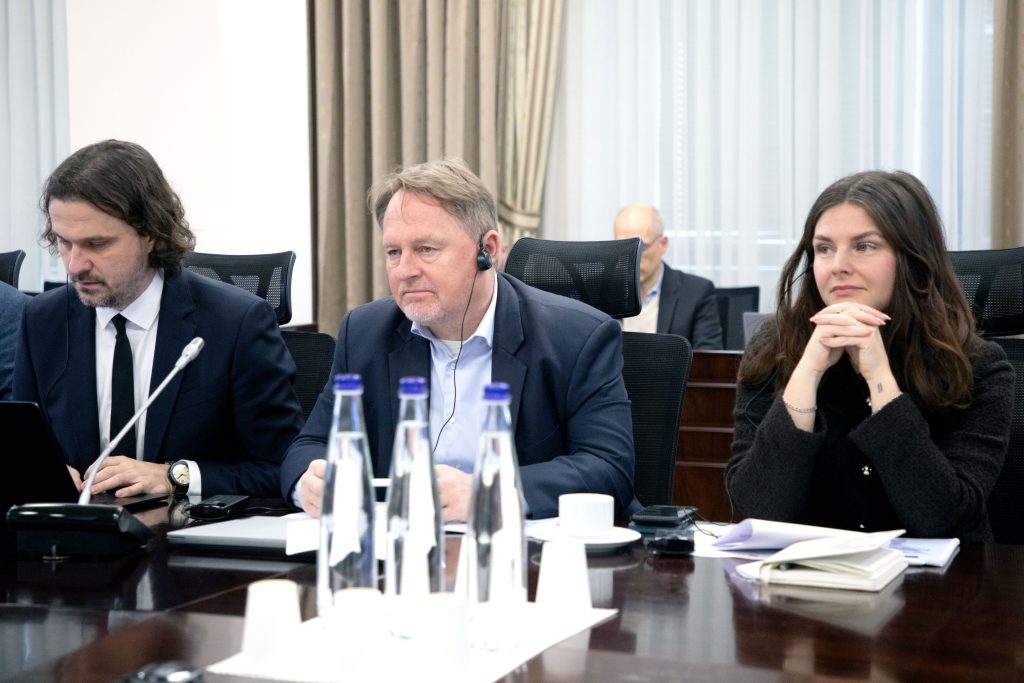
How can ministries be better organised? How can they plan, cooperate and deliver better results? These key questions brought together around 50 Moldovan senior officials and EU experts at a roundtable on 2 April in Chisinau. The event was organised within the EU and Denmark funded project “Moldova is Europe – Support for EU Integration” in close cooperation with the State Chancellery and OECD/SIGMA. The focus was on one major goal: making public administration work in a way that truly benefits citizens, not only now as part of accession negotiations, but also in the future as an EU Member State.
Recent findings from a comparative study by the OECD/SIGMA – conducted across nine EU candidate countries – as well as EU project assessments, reveal that Moldova’s ministries face several challenges. These include the politicisation of certain management positions and the lack of clear performance management frameworks.
During the discussion, EU experts and Moldovan senior officials shared insights and practical ideas to improve the current situation. The joint message was clear: with better organisation, clear roles and professional leadership, ministries can deliver better results for everyone.
In her opening remarks, Lilia Dabija, Deputy Secretary General of the Government, stated: “Ministries are the backbone of central public administration and play a decisive role in translating government priorities into impactful public policies. Strengthening their institutional capacity is essential not only for modernising public administration, but also for accelerating the European integration process. Through better organised institutions, merit-based public management and stronger coordination, we can ensure better policies and higher-quality public services for citizens.”
Martina Spernbauer, Team Leader for Governance, EU Delegation to the Republic of Moldova, added: “Public Administration Reform is crucial in accession negotiations, but more importantly, its successful completion is essential for Moldova to function efficiently as an EU Member State and to fully benefit from all the technical and financial opportunities the EU offers.“
In her turn, Jasmin Sørensen, Deputy Head of the Mission, Embassy of Denmark in Moldova, mentioned: “Denmark is firmly committed to support Moldova’s European aspirations and commends the public authorities commitment to meaningful reform. Making public institutions more efficient, particularly the ministries, is essential to delivering transparent governance and better serving the citizens.”
The roundtable discussion is part of ongoing efforts to support Moldova in building a modern, transparent and professional public administration—one that is closer to citizens and aligned with EU practices.