‘Young European Communicators’ School’: 40 young people from Euro Clubs learn to turn information about the EU into digital campaigns
How can European values, the opportunities offered by the European Union (EU), and the European path of the Republic of Moldova be explained in a clear, creative and relevant way for young people? This was one of the central questions of the “Young European Communicators’ School”, held from 1 to 3 May 2026 as part of the “EU Accelerator 3.0” programme.
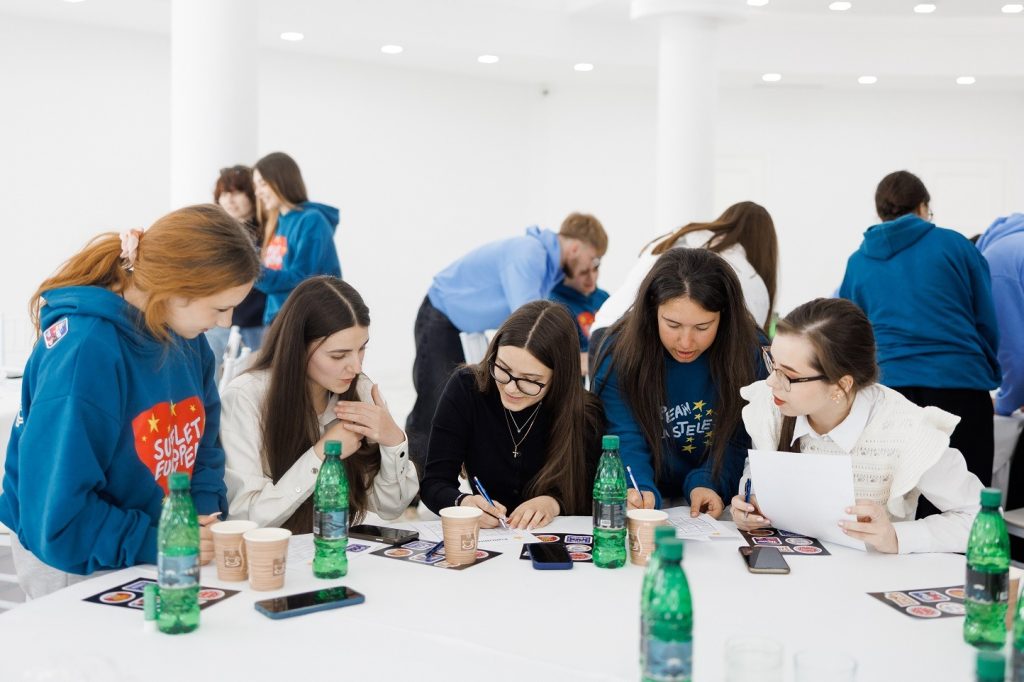
The event brought together 40 young members of Euro Clubs and EU Information Centres, along with their coordinators, for a training programme in strategic and digital communication. Over three days, participants learned how to analyse perceptions in their communities, identify myths and false information about the EU, develop data-based messages, and design communication campaigns adapted to local audiences.
“There is something remarkable about your generation: you do not only consume information; you also create it. Through this ability, you have the opportunity to shape public opinion and communicate messages about complex issues, such as what Europe means, what European integration means, and what European values stand for. I have seen from my own experience how meaningful the European integration process can be, as my country went through a similar path when I was your age. The EU is about opportunities, equal chances, listening to each other and supporting one another,” said Máté Csicsai, Deputy Head of the EU Delegation to the Republic of Moldova.
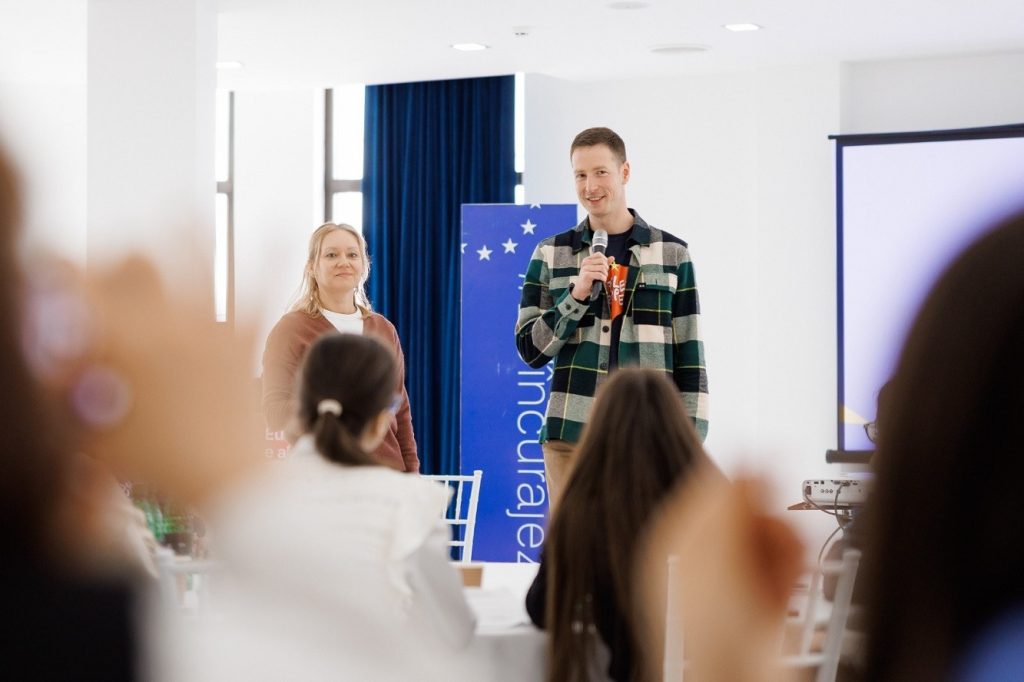
The programme included interactive sessions on digital communication, storytelling, campaign development, interpretation of data collected in communities, and the use of social media to promote public interest messages. Participants worked in teams, analysed the results of local research, and tested campaign ideas through practical exercises and debates. An important part of the programme focused on how young people can communicate about the EU on social media. Content creator Alexandru Ghețan spoke to participants about the importance of authentic content, adapted to young audiences and presented in accessible language.
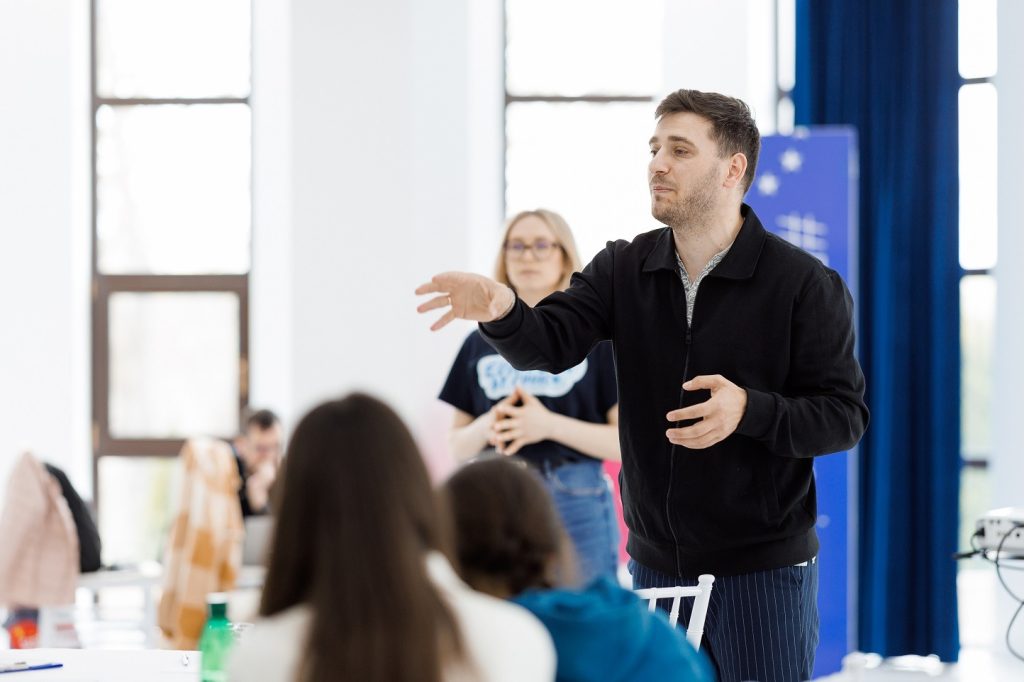
“Through such activities, we offer young people both knowledge about the European Union and the tools they need to turn this knowledge into clear, creative and relevant messages for the communities in which they live. We want young people to become active voices in promoting European values and to speak about the EU and the opportunities it offers in a way that is easy to understand for those around them,” mentioned Lilia Duca, Coordinator of the network of EU Information Centres and Euro Clubs.
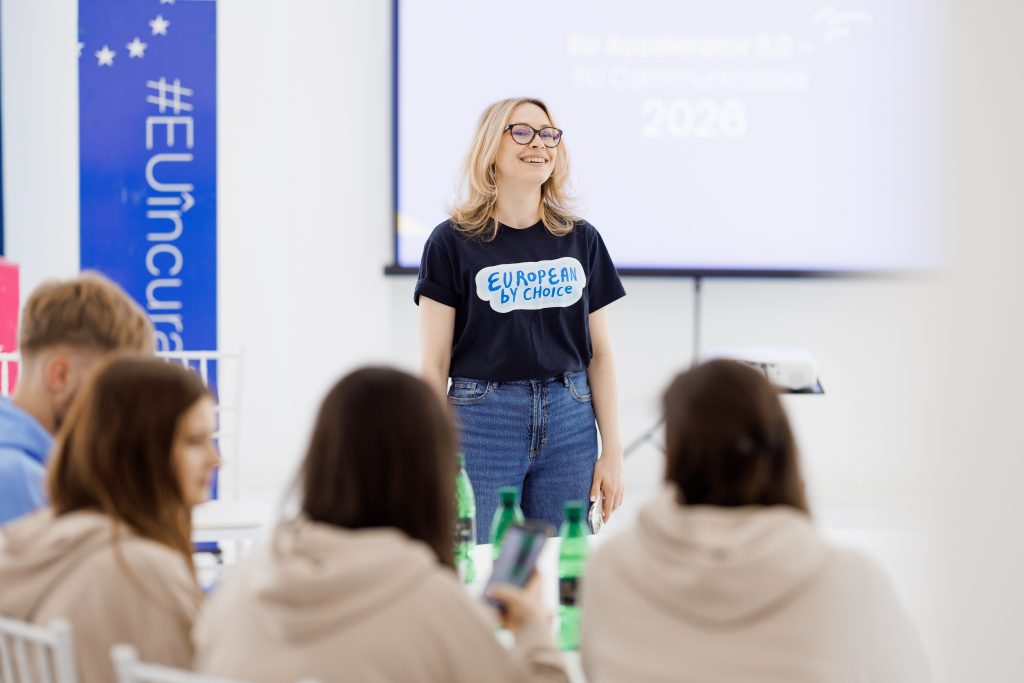
As part of the activities, young people took part in interactive exercises such as Mentimeter and EuroBingo, sessions analysing community research results, communication workshops, and debate rounds. These formats were designed to encourage dialogue, critical thinking, collaboration, and the ability to transform data and observations from the field into clear messages for the public.
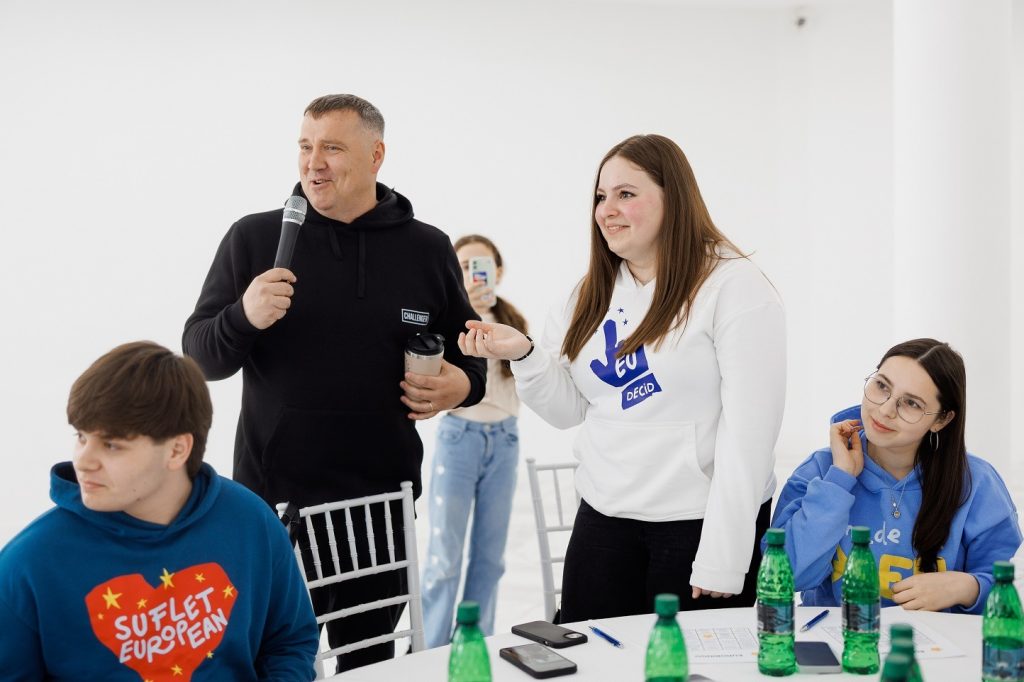
“Participation in EU Accelerator and the Young European Communicators’ School gave us the opportunity to develop our critical thinking, to better understand how we can communicate about the EU, and to turn information into useful messages for our communities. At the same time, the programme brought us together with young people from different regions of the country and helped us build friendships, relationships and collaborations that can continue even after the activities end. We believe that, together, we can contribute to promoting correct, clear and accessible information about the EU,” said Cătălin Bețivu, member of the Chișcăreni Euro Club, Sîngerei.
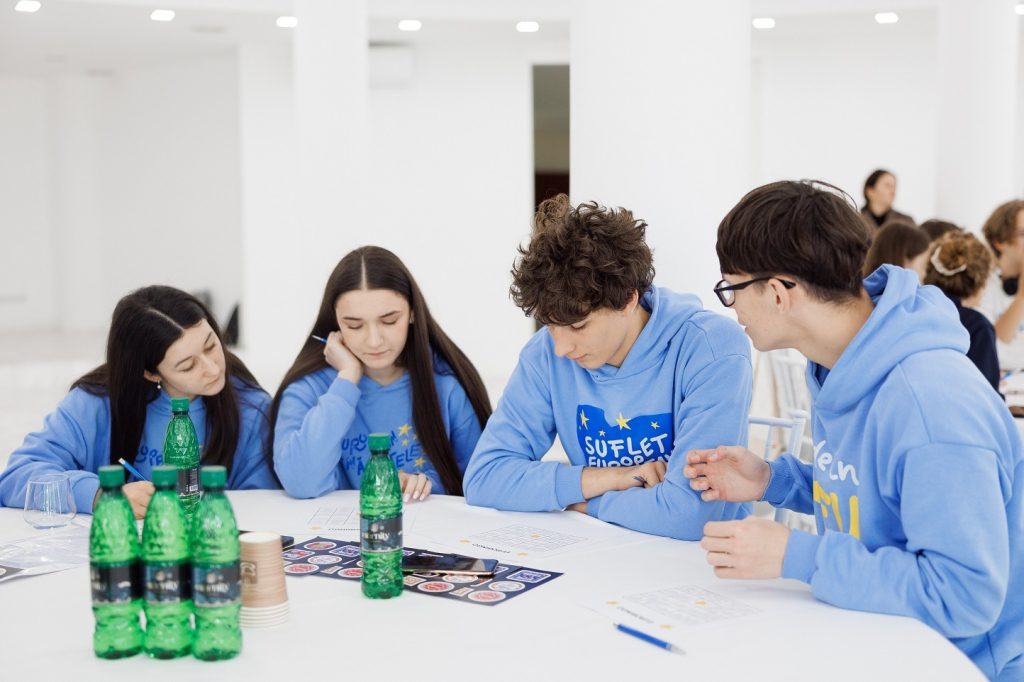
The “Young European Communicators’ School” represents the third stage of the “EU Accelerator 3.0” programme. In the previous stage, participants conducted community-level research on perceptions of European values, the level of information about the benefits of European integration, as well as the main concerns, myths and information gaps related to the European Union. Based on these results, young people will develop and implement local communication campaigns on Instagram, Facebook and TikTok. The campaigns will address topics relevant to their communities and will promote clear, accessible and fact-based information about the EU and the support it provides to the Republic of Moldova.
Background
“EU Accelerator 3.0” is a practical training initiative for young members of Euro Clubs and EU Information Centres in the Republic of Moldova. The programme aims to develop a new generation of European communicators, able to explain, in a clear and accessible way, the processes, values and opportunities associated with European integration.
The programme takes place from March to July 2026 and brings together 90 young people from Euro Clubs and EU Information Centres from several regions of the country, including Chișinău, Orhei, Leova, Sîngerei, Soroca, Edineț, Fălești, Comrat and Ungheni. The initiative combines theoretical training, community-level research and the practical application of knowledge through digital campaigns developed by young people for local audiences.
It will culminate in a competition between the participating teams. The team that develops the campaign with the greatest impact, measured by visibility and level of online engagement, will benefit from a study visit to the European Union institutions in Brussels.
Currently, the Republic of Moldova hosts 33 Euro Clubs and EU Information Centres, including two newly established centres in 2026. The network brings together approximately 1,100 young members, 200 of whom joined this year.