Alignment with the EU own resources system: important stage in the accession process

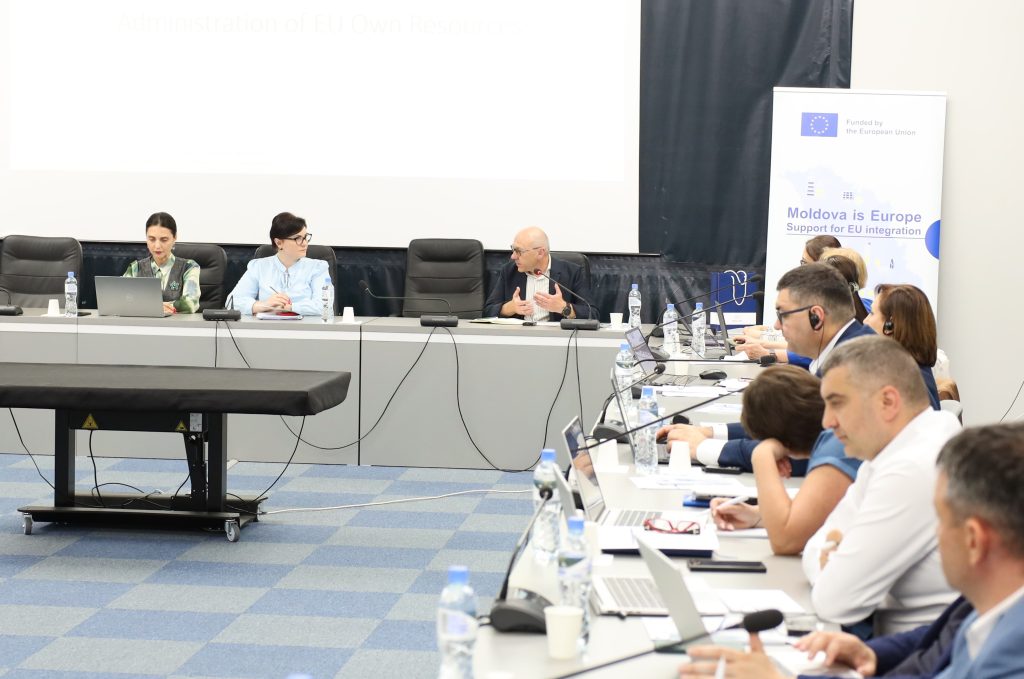
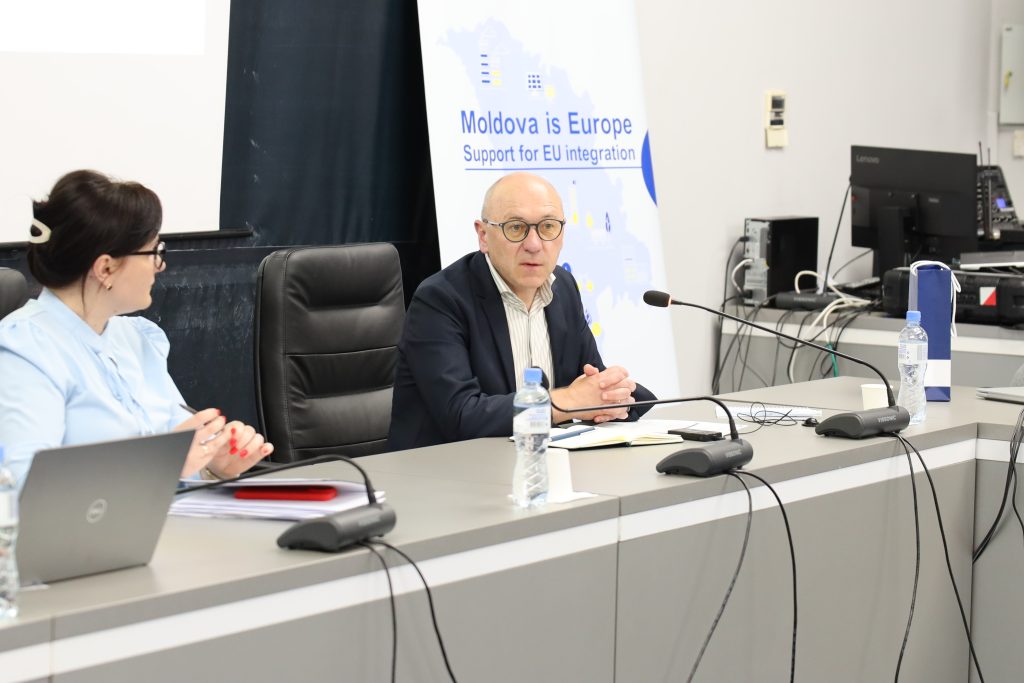
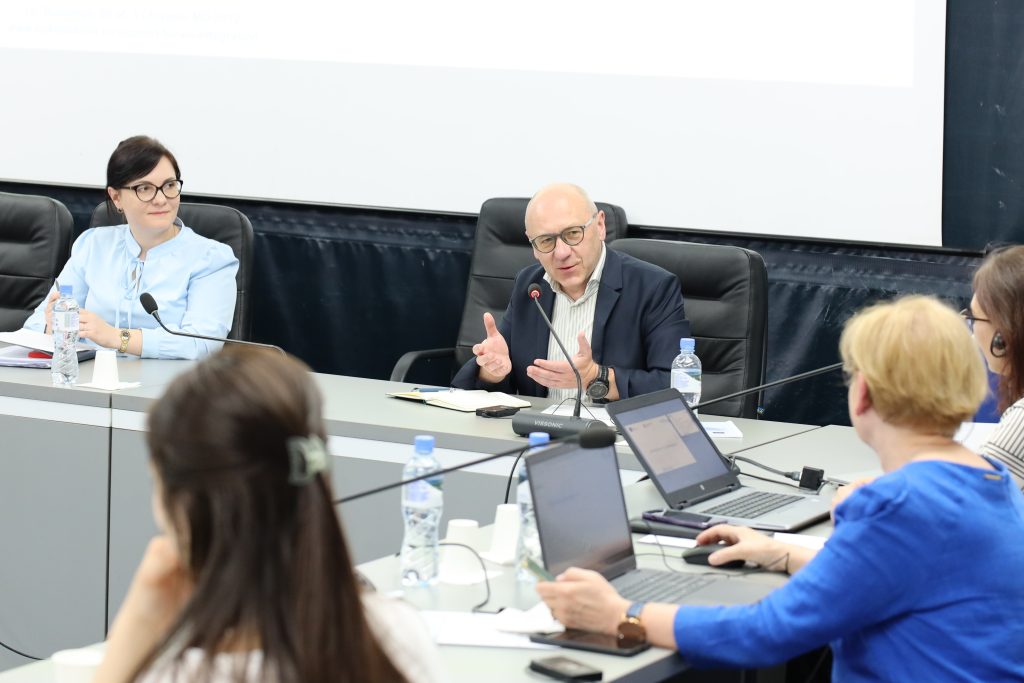
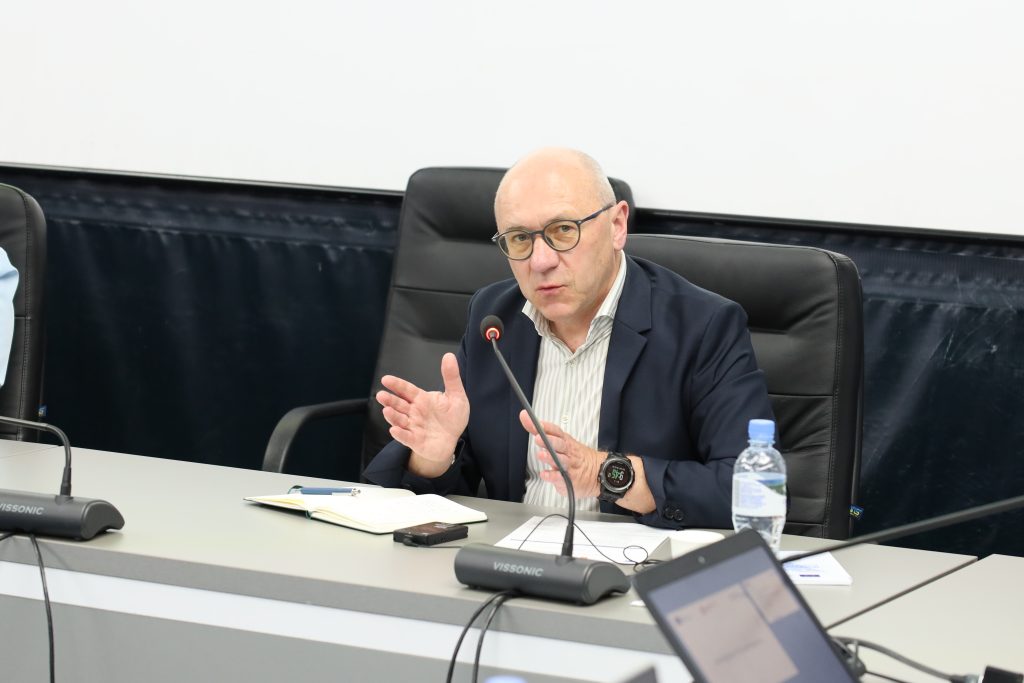
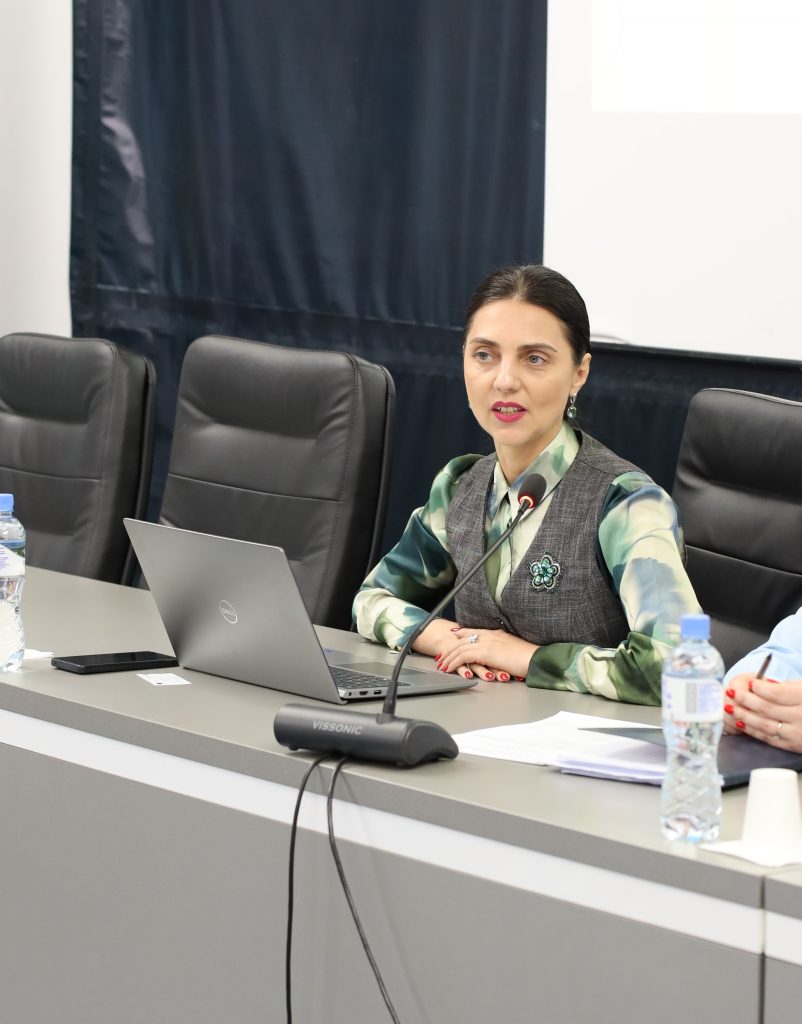
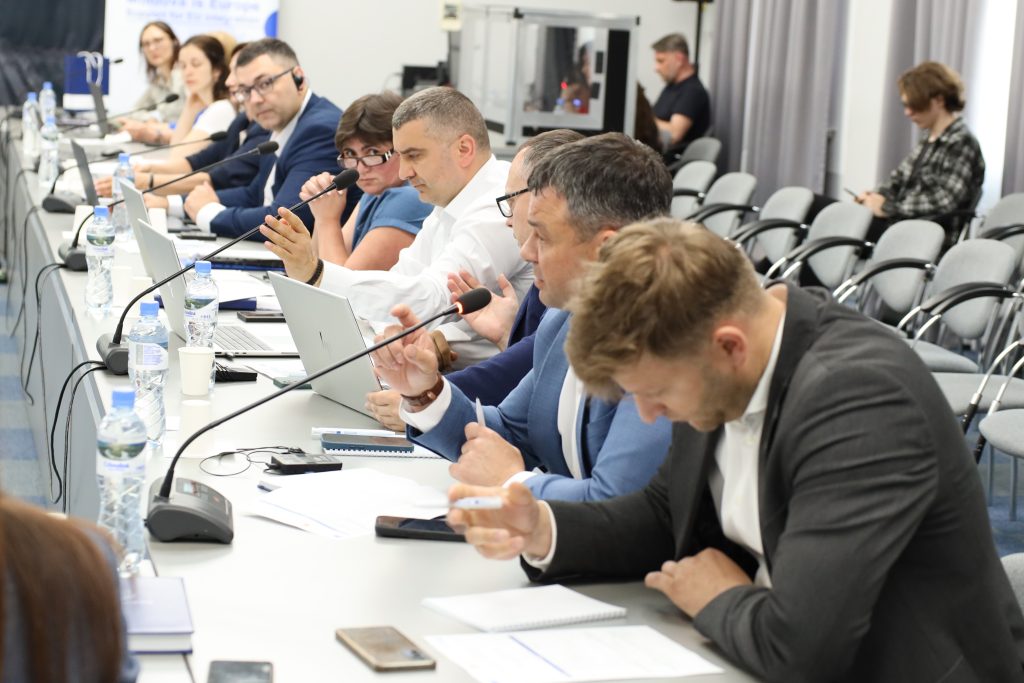
Ministry of Finance Strengthens Capacities for Alignment with the European Union Own Resources System: a two-days’ workshop was organized with the support of the EU- and Denmark-funded project ‘Moldova is Europe – Support for EU integration’. About 20 participants from the Ministry of Finance took part in the event, which brough together EU experts, and also members of the working group involved in the process of negotiation, transposition and alignment with the provisions of the EU acquis for Chapter 33 – Financial and budgetary provisions.
Opening the workshop, the Deputy Secretary General of the Ministry, Lidia Ababii, emphasized that the preparation for the alignment with the European Union’s own resources system represents an important stage in the accession process of the Republic of Moldova. “The own resources system is one of the pillars that ensure the functioning of the European Union budget. For the Republic of Moldova, understanding the mechanisms for calculating, reporting and administering these resources is essential in the process of preparing for accession. Through this exercise, we are strengthening our institutional capacities and building the necessary mechanisms for efficient integration into the financial framework of the European Union.”
Participants analyzed the draft Regulation on administrative procedures for the own resources system. At the same time, experts provided recommendations for improving the document and listed the actions to be taken in order to fully align to the EU acquis in this field.
The agenda also included sessions dedicated to the main components of the EU’s own resources system, such as traditional own resources, the contribution based on value added tax, the contribution related to the amount of non-recycled plastic packaging waste and the contribution calculated according to gross national income. The inter-institutional coordination mechanisms and information flows necessary for the management of these resources have also been analyzed.
The activity contributes to the preparation of national institutions for the implementation of the requirements of Chapter 33 “Financial and budgetary provisions”.