Expertise from the Czech Republic for the development of industrial hemp cultivation in the Republic of Moldova
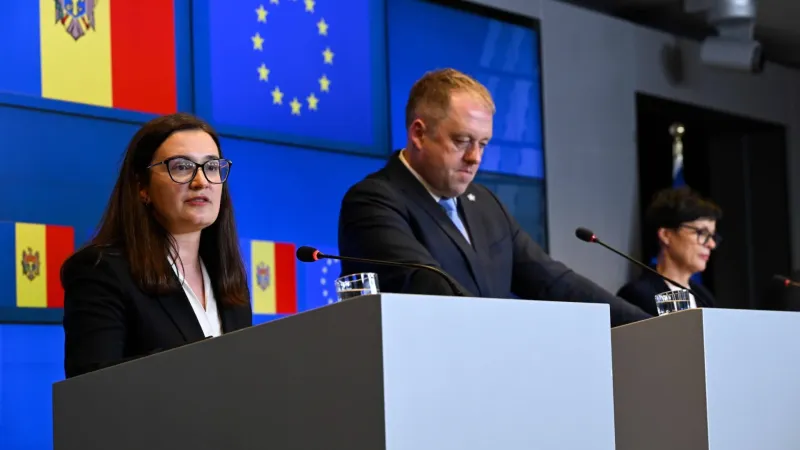
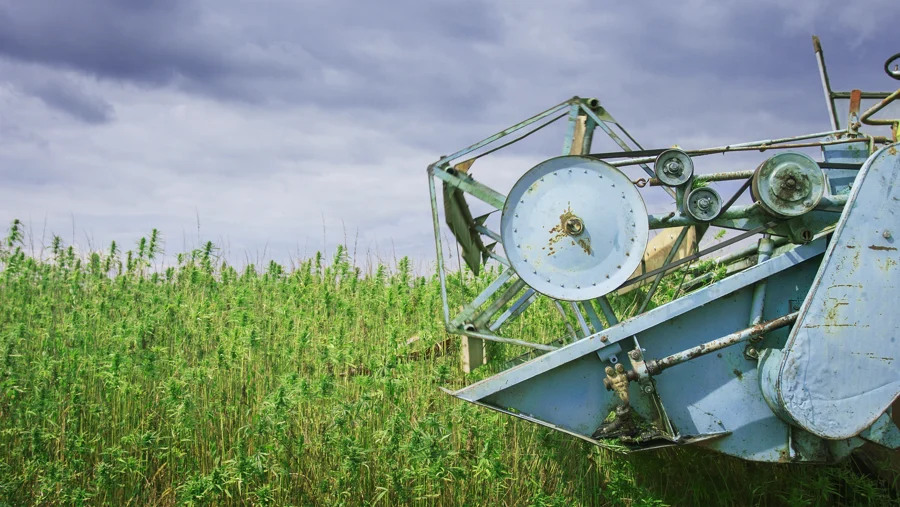
154 farmers from the Central, Northern and Southern regions of the Republic of Moldova participated in seminars dedicated to industrial hemp cultivation — a crop used in industries such as textiles, construction, cosmetics and food production. The seminars were organized in Chișinău, Bălți and Comrat within the Team Europe Initiative “Sustainable Food Systems.”
The events were organized by the Czech Development Agency (CzDA), in partnership with Solidarity Fund PL and in collaboration with the Agricultural and Rural Advisory Center and aimed to facilitate the transfer of European expertise and promote sustainable crops adapted to new climate conditions.
Bilateral cooperation and support for sustainable agriculture
At the opening of the seminar held in Chișinău, the Ambassador of the Czech Republic to the Republic of Moldova, His Excellency Jaromír Plíšek, highlighted the importance of bilateral cooperation in agriculture and the continuous support provided by the Czech Republic for the development of Moldova’s agri-food sector.
“Agriculture has always been a priority area of cooperation between the Czech Republic and the Republic of Moldova. Industrial hemp cultivation is relevant both for adapting to drought and for modern and environmentally friendly solutions.”
— H.E. Jaromír Plíšek, Ambassador of the Czech Republic to the Republic of Moldova
Transfer of expertise from the Czech Republic
A key element of the seminar was the participation of the Czech expert Marie Bjelková, a specialist in the breeding and cultivation of industrial hemp. She presented the experience of European Union Member States regarding cultivation technologies, harvesting and processing, as well as examples of economic valorization of hemp-derived products.
“Industrial hemp has real potential in Moldova, but success depends on the correct application of technologies and the development of the value chain.”
— Dr. Marie Bjelková, Agritec Plant Research s.r.o., Czech Republic
The seminar also included practical information on the selection of varieties, compliance with cultivation technologies and the importance of processing for creating added value.
Regulatory framework and sector development
During the event, the legislative provisions regarding the cultivation and certification of industrial hemp in the Republic of Moldova were also presented.
Viaceslav Grigorița, President of the Association of Hemp Producers and Processors in Moldova, emphasized the importance of strengthening the value chain and investing in processing.
“The sector has growth potential, but it is essential to invest in processing and develop specialized knowledge for farmers.”
— Viaceslav Grigorița, President of the Association of Hemp Producers and Processors in Moldova
Relevance for farmers
Farmers who have already tested the crop shared practical experiences from the field.
“Hemp is a crop that requires investment and complete infrastructure, but it has proven to be stable and resilient. Interest from other producers is growing.”
— Ion Grecu, agricultural producer
Funding opportunities for farmers
During the seminar, representatives of Solidarity Fund PL (SFPL) presented funding opportunities available to farmers interested in developing activities related to industrial hemp. Participants were informed about support mechanisms and grant opportunities dedicated to investments in processing and modernization.
This component complements the transfer of technical expertise by providing farmers not only with knowledge but also with concrete tools for implementation.
About the project
The Team Europe Initiative “Sustainable Food Systems” is funded by the European Union and the Czech Republic and implemented by the Czech Development Agency, Solidarity Fund PL in Moldova, and the Latvian Rural Advisory and Training Centre. The project is implemented over a four-year period starting from June 2025.
The initiative aims to promote sustainable agricultural practices, diversify crops and strengthen the resilience of the agri-food sector in the Republic of Moldova, including by facilitating farmers’ access to expertise, technical support and financing opportunities.
This article was produced with the financial support of the European Union. Its contents are the sole responsibility of the Team Europe Initiative “Sustainable Food Systems” and do not necessarily reflect the views of the European Union.