Energy and Biomass Projec
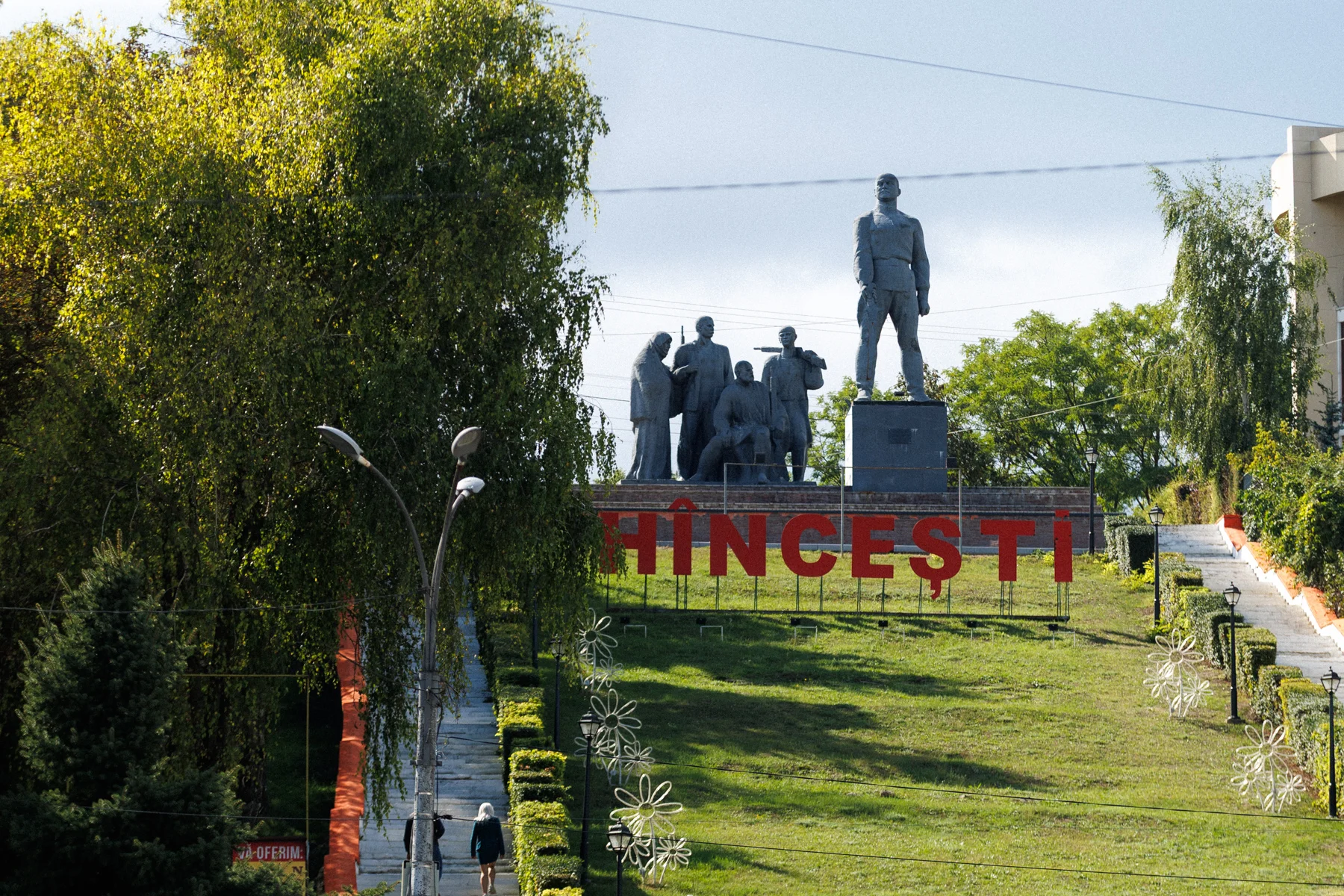
In the Hîncești district, the Energy and Biomass Project has transformed how several public institutions secure their heating and, in some cases, hot water supply. In total, 12 public institutions across eight villages — Cărpineni, Crasnoarmeiscoe, Cotul Morii, Dancu, Drăgușenii Noi, Logănești, Boghiceni, and Obileni — transitioned to solutions based on renewable energy. Two of the beneficiary institutions also utilize solar energy to heat water. The European investment made in the Hîncești district totaled 560,742 euros, to which the beneficiary communities collectively contributed 153,820 euros. Approximately 5,600 people from these eight localities directly benefit from the results of these investments through the public institutions where the new energy systems were installed.
The project is relevant because it brings the energy transition down to a tangible, human scale. Rather than speaking solely about national targets, renewable sources, or energy policies, the change here can be observed inside a school, a kindergarten, or another public institution in a rural village. For local administrations, how these buildings are heated has a direct impact on expenses and reduces reliance on conventional energy sources.
There is also a local economic dimension. Biomass can turn agricultural residues and waste into an energy resource while creating demand for local biofuel producers and suppliers. Thus, the economic loop does not end with the installation of a boiler or the retrofit of a building; it can actively engage agricultural producers, raw material processors, and fuel suppliers from the region.