Warmth beyond well-insulated walls: transforming lives at a care home in northern Moldova
In a small community of Bădiceni in northern Moldova’s Soroca district, the Elderly Care and Assistance Centre ‘Acasă’ (“At home” in Romanian) is more than an institution − it is home to fifty older people and persons with disabilities who depend on it every day. For years, life inside the ageing 1960s building was defined by cold rooms, damp walls and outdated facilities that struggled to provide comfort. With EU support, a local NGO, the Centre of Social Assistance ‘House of Hopes’ has responded to this challenge by stepping in with more than just ordinary repair works. Together with improving the building’s energy efficiency, it is strengthening care services to offer a more dignified and fulfilling life to its residents.
Mihail Scutari (44) arrived at the Acasă Care Centre four years ago. Living with a disability, he had previously depended on his family – along with his brother, who also has a disability – in their home city of Soroca. After their parents’ death, their sister was no longer able to provide the level of care they needed. “First, I was brought to the centre, and after about half a year, my brother also came,” he recalls. “At home, I was mostly alone. Here things are different − I can interact with others, talk with people, take part in activities, and I feel more engaged.”
For many residents, the Care Centre has become their permanent and only home. Some elderly people arrived after losing family support; others came with serious health problems or disabilities, depending not only on daily care, but also on emotional and psychosocial support. “When I first came, my health was very weak,” says Valentina Morari (69), who had been living alone. “Over time, with proper care, treatment and regular meals, my condition improved. Now I feel much better, and I’m comfortable here.”
Cold rooms, lost heat: a targeted intervention to protect residents
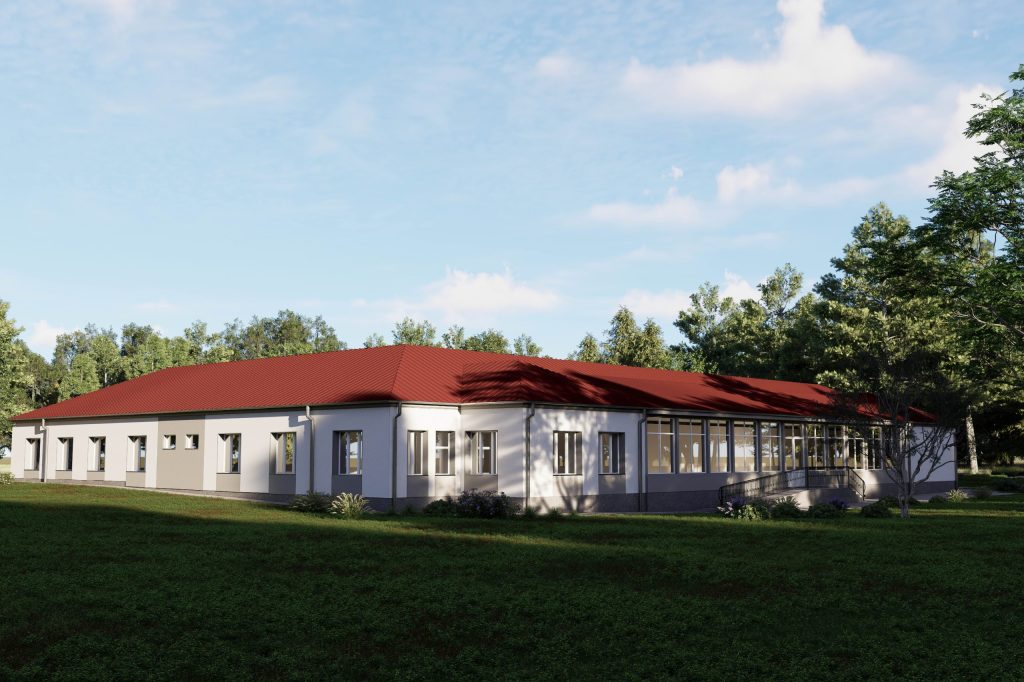
The Care Centre operates in the building of a former hospital, originally constructed in the 1960s. It underwent a major reconstruction in 2009, that allowed it to increase the capacity of the centre from 26 to 50. But the years that followed gradually erased those gains, leading to significant heat loss, humidity and outdated infrastructure. “Heating was our biggest challenge,” says Angela Brighidin, the Centre’s director. “We rely on a firewood and coal heating system that requires constant manual operation. The indoor temperature was unstable, especially at night. An energy audit showed that we were losing nearly 30% of heat due to poor attic insulation.”
The House of Hopes NGO stepped in during 2025, with EU support channelled through the Soros Foundation, in partnership with Keystone Moldova and the Social Innovation Fund from Moldova. The infrastructure works focused on improving the building’s energy efficiency through attic and wall insulation, alongside upgrading essential equipment, including furniture and household appliances. “After the insulation works, for the first time in 20 years, our staff were working in short sleeves and beneficiaries could sleep comfortably,” says the director. “And the money saved on heating can now be redirected to the needs of our residents.”
Beyond repairs − rebuilding everyday life
The transformation did not touch the building only. “Our beneficiaries needed more than just physical warmth − warmer rooms or walls − but a sense of human warmth as well,” says Valentina Onică, head of the House of Hope NGO. “That’s why we also focused on improving the quality of care and the activities offered to them.”

The Care Centre’s staff received training and mentoring on various aspect of the ageing process, communication skills in care settings, interaction techniques and relationship-building with elderly persons and persons with disabilities. In addition, they were able to upgrade internal working practices and documentation, developing individualised care and structured activity plans to bring more consistency and purpose to daily life.
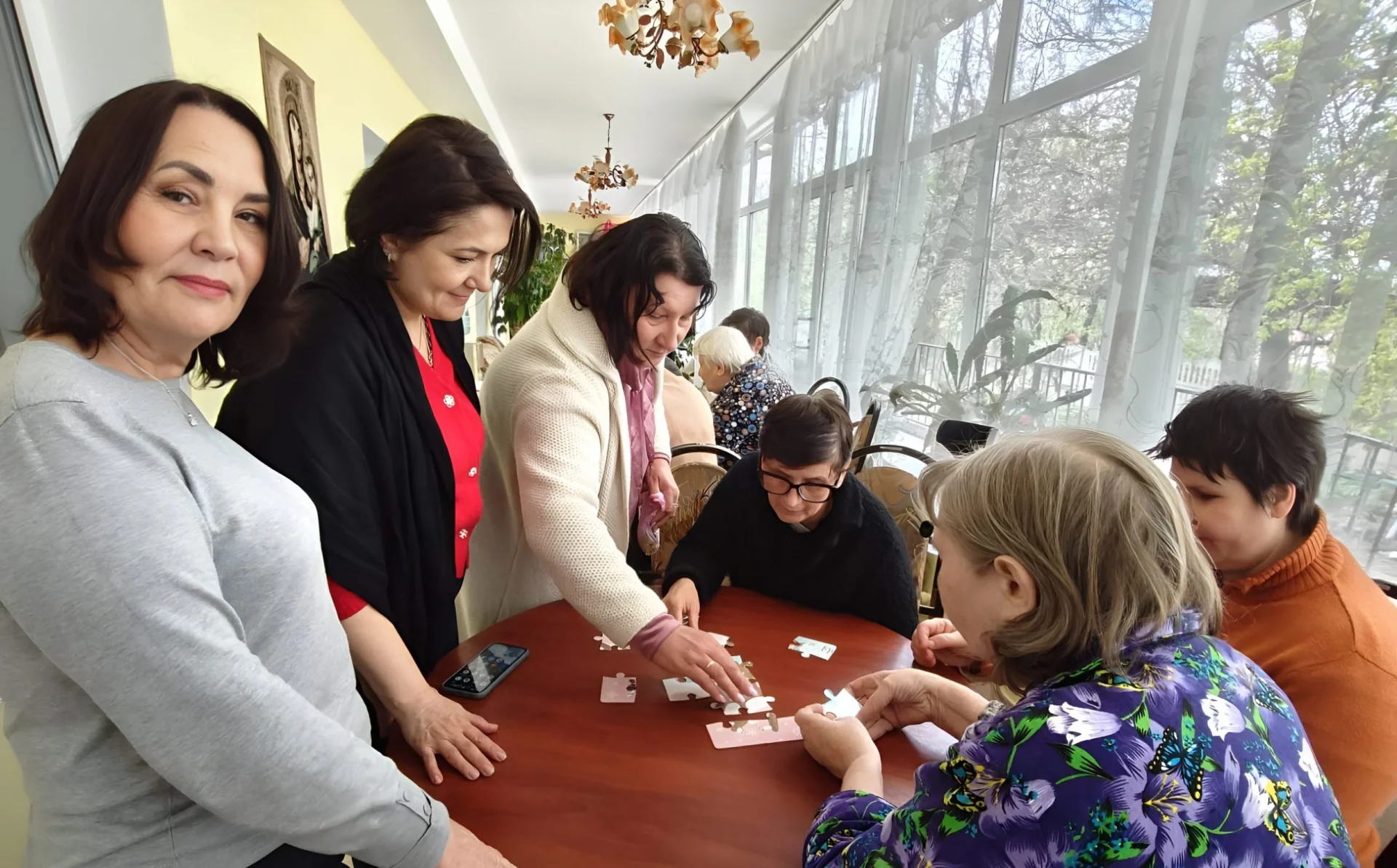
“We introduced physical exercises, crafts, games, singing, more group interaction,” explains Aliona Stratan, social assistant at the Care Centre. For residents, these activities are not secondary to care − they are central to it, serving as moments of emotional connection and shared memory. One of the most memorable moments was a Mărțișoare workshop (a traditional spring craft activity), organised by House of Hope at the Care Centre’s main hall. Red and white threads and simple materials were placed on the tables, and residents were guided through a tradition many had not practised for years. As they worked, conversations turned to earlier springs, childhood memories and people they once shared these gifts with. Some recited poems, others shared memories. “When we were leaving, the residents hugged us and thanked us for coming. It was a very warm and emotional moment – one that moved many of us to tears,” recalls Valentina Onică.
For the Care Centre’s staff, too, the change was significant. Trainings and mentoring reshaped not only procedures, but attitudes, encouraging them to spend more time with the residents, engage more actively and build stronger relations. This shift is visible in small gestures, like calling residents to join activities, helping someone complete a craft or simply sitting and talking longer than before. “There is now more patience and understanding between residents,” notes the social assistant. “They make friends and interact more easily.”
From energy-saving building to energy-saving community
The NGO’s activities didn’t stop at the Care Centre’s gate.
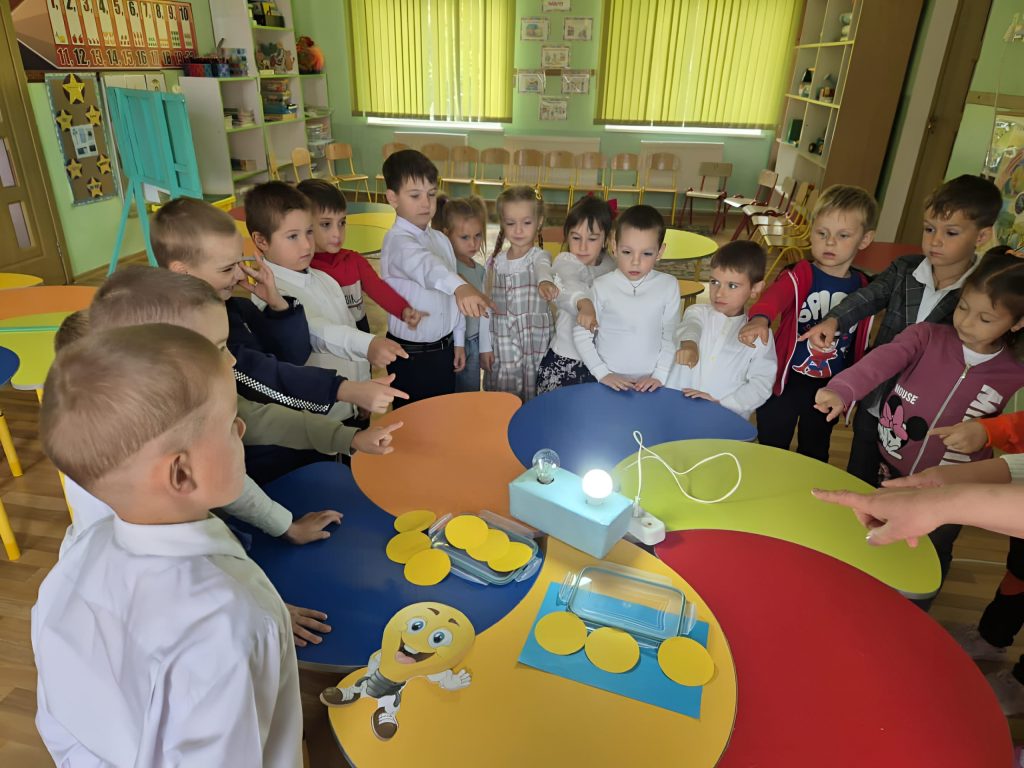
Expanding the concept of energy efficiency, House of Hope reached into the wider community of Bădiceni. Through workshops, school and kindergarten activities and public outreach, residents learned that simple daily habits not only help to save energy but also cut energy bills.
“To mobilise the community, we launched a competition to reward households that achieved the highest electricity savings,” shares Tatiana Coșciug, Bădiceni Community social assistant. Participants were asked to track their electricity bills over three months and compare them with the same period from the previous year, turning everyday consumption into a simple measure of progress. Twenty-four households joined the challenge, and ten families who showed clear savings received useful rewards – microwave ovens.
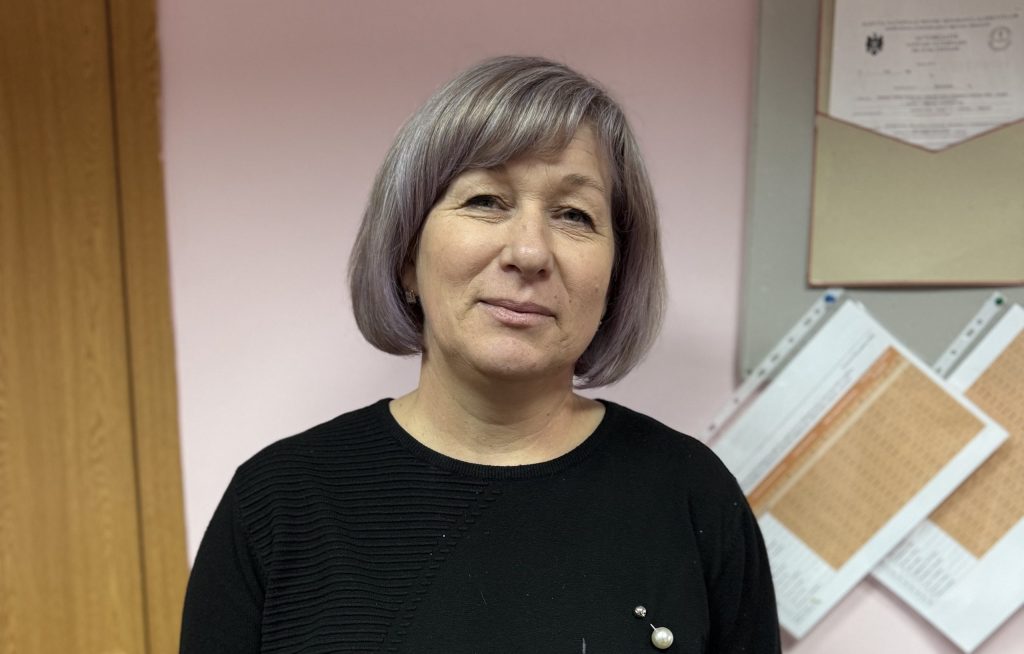
“We started with simple changes, like switching to LED bulbs, unplugging devices or not leaving the TV on when not watched,” says Cătălina Brigidin, one of the winners. “In just a few months, our electricity bill dropped from about 400 MDL to 200–250 MDL – a 30-40% reduction from simple daily habits! And even after the competition ended, we continue to follow them.”
In Bădiceni, energy efficiency has become more than a technical upgrade. It has turned into a way of improving lives, both inside the Care Centre and beyond it. The work of House of Hope shows how EU funding can spark a community transformation, where a warmer building also means greater human warmth and a stronger sense of unity.
Authors: Volha Prokharava, Igor Ciurea