[searchandfilter id=”10843″]

Priority Areas
Regions

From idea to business: training for start-up entrepreneurs continues in Causeni

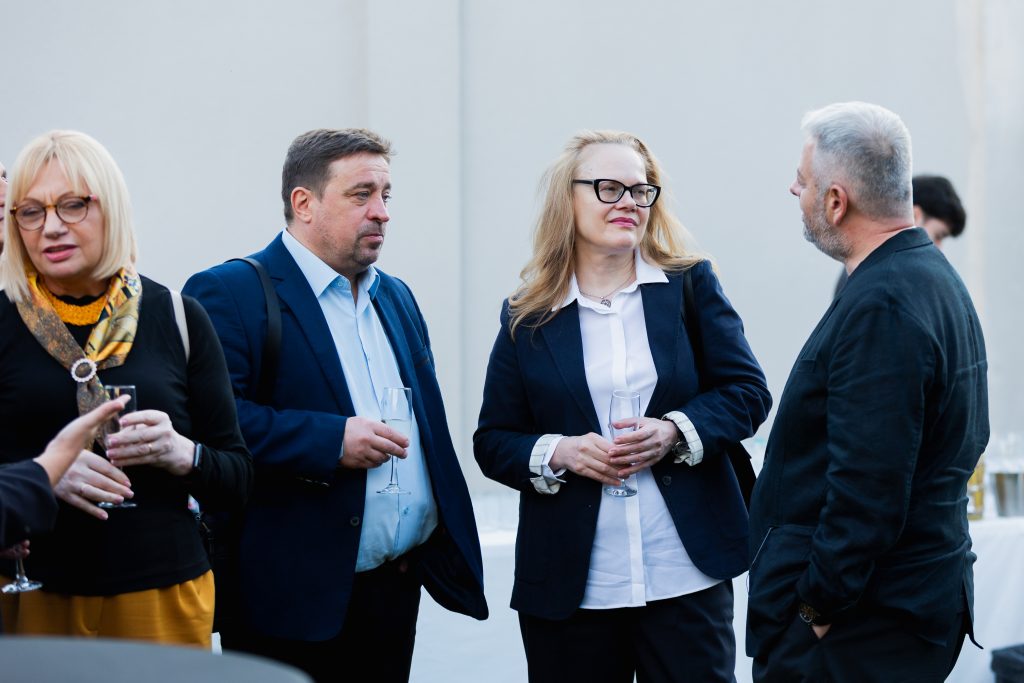
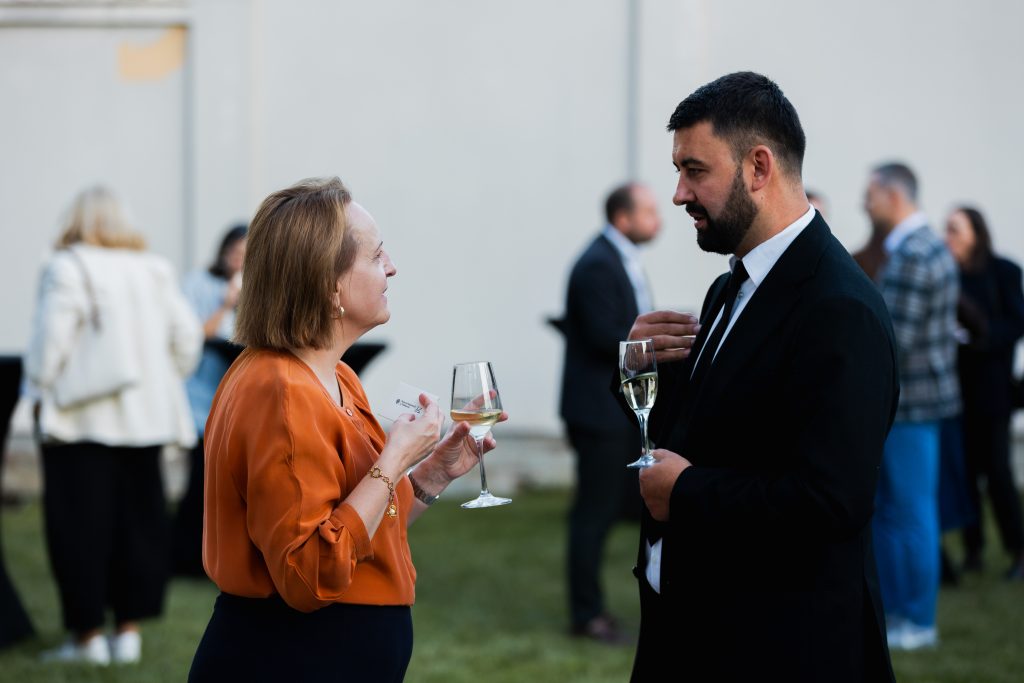
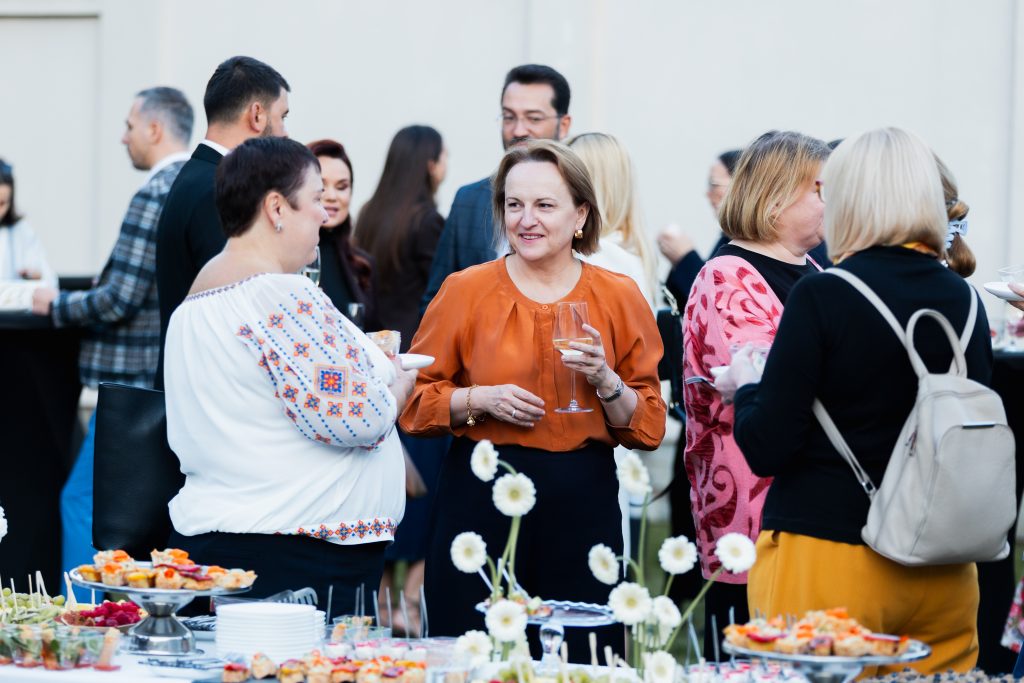
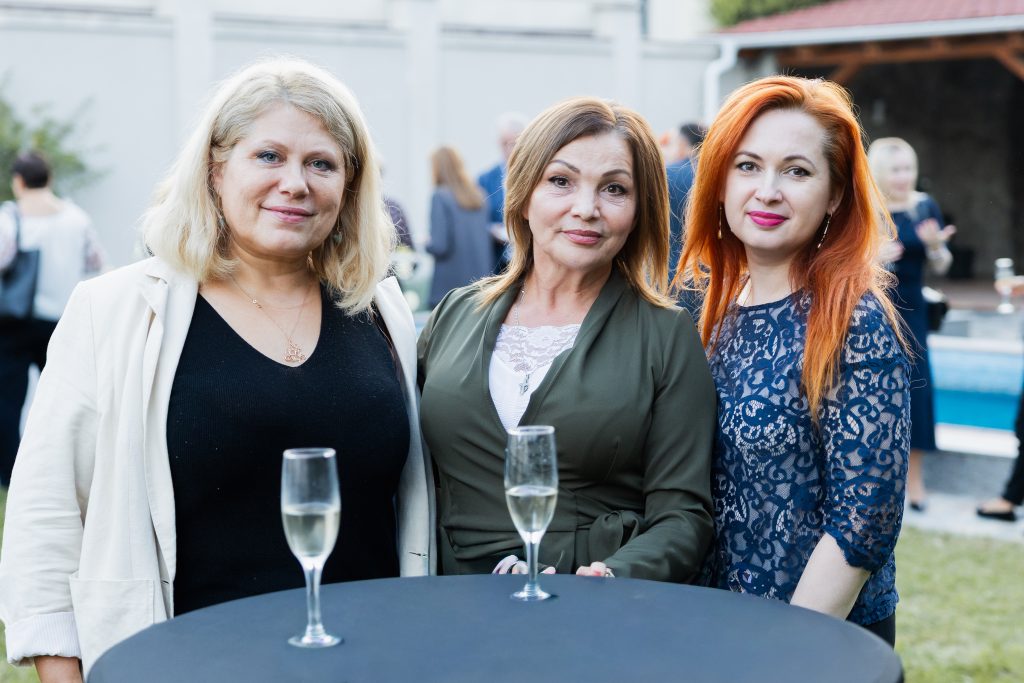
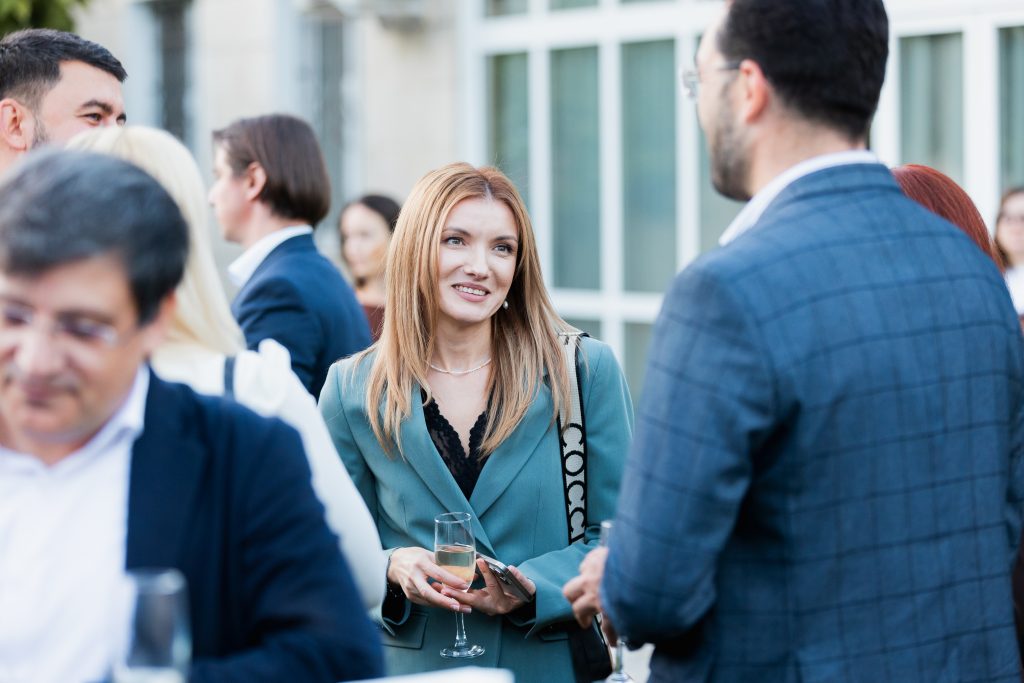
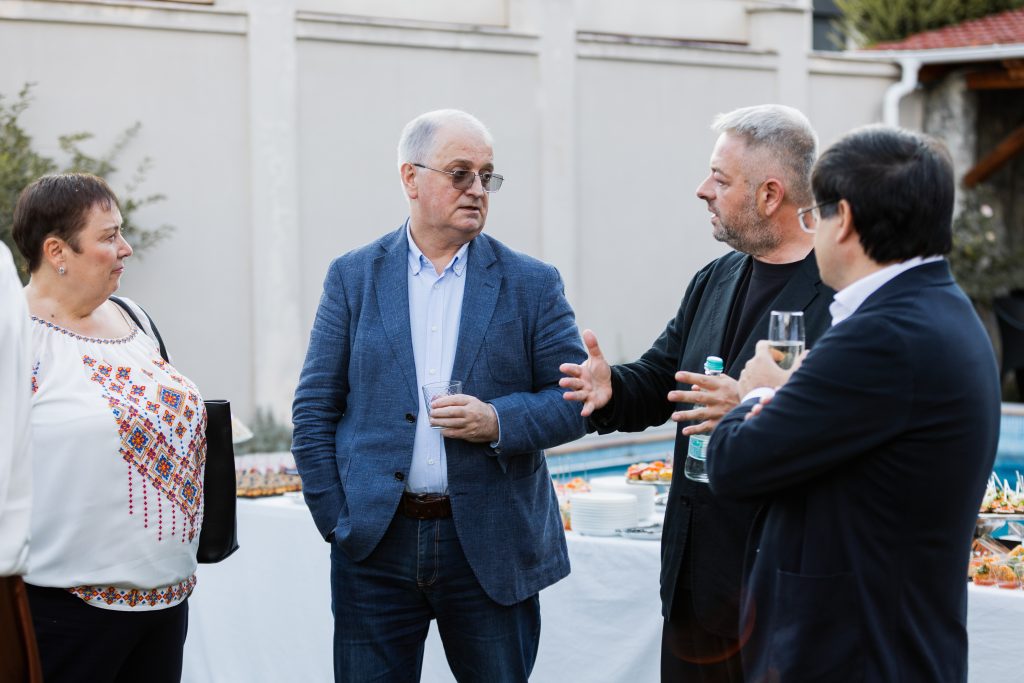
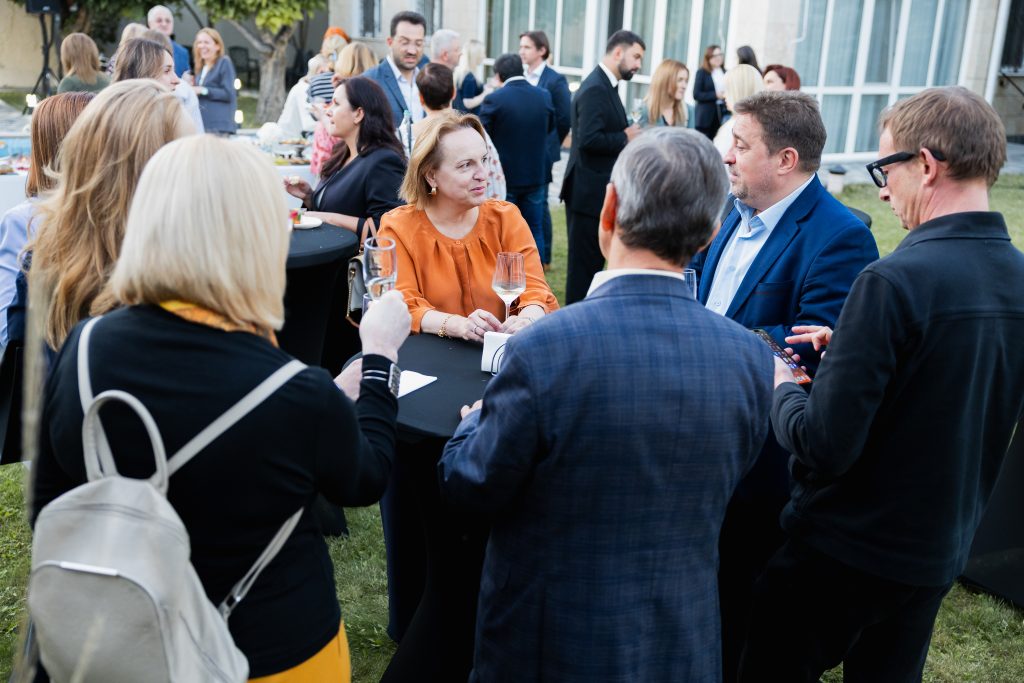
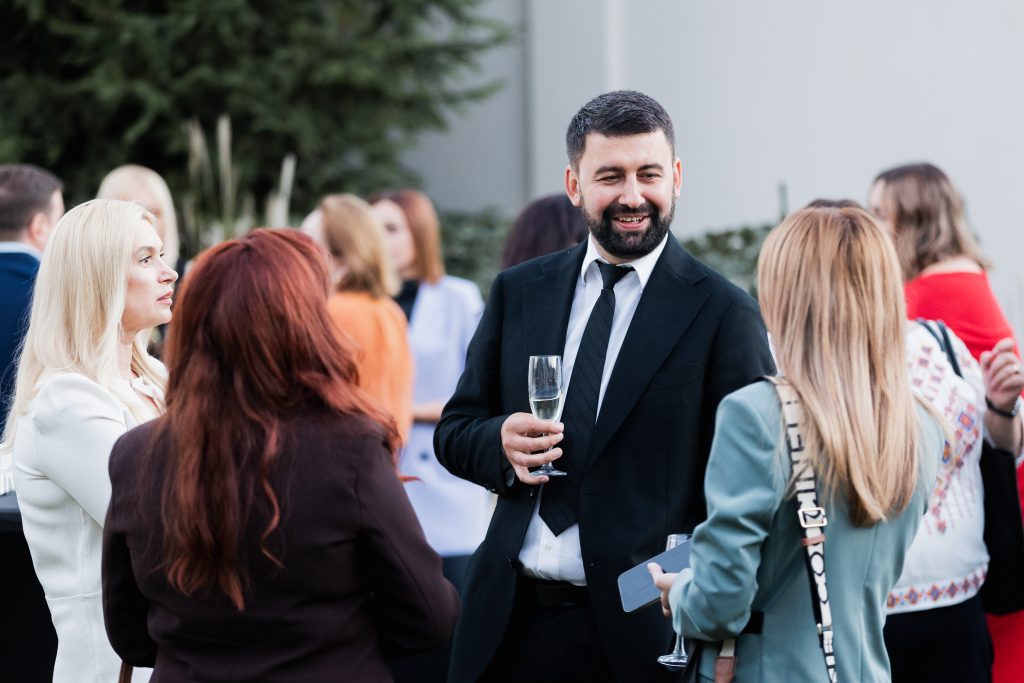
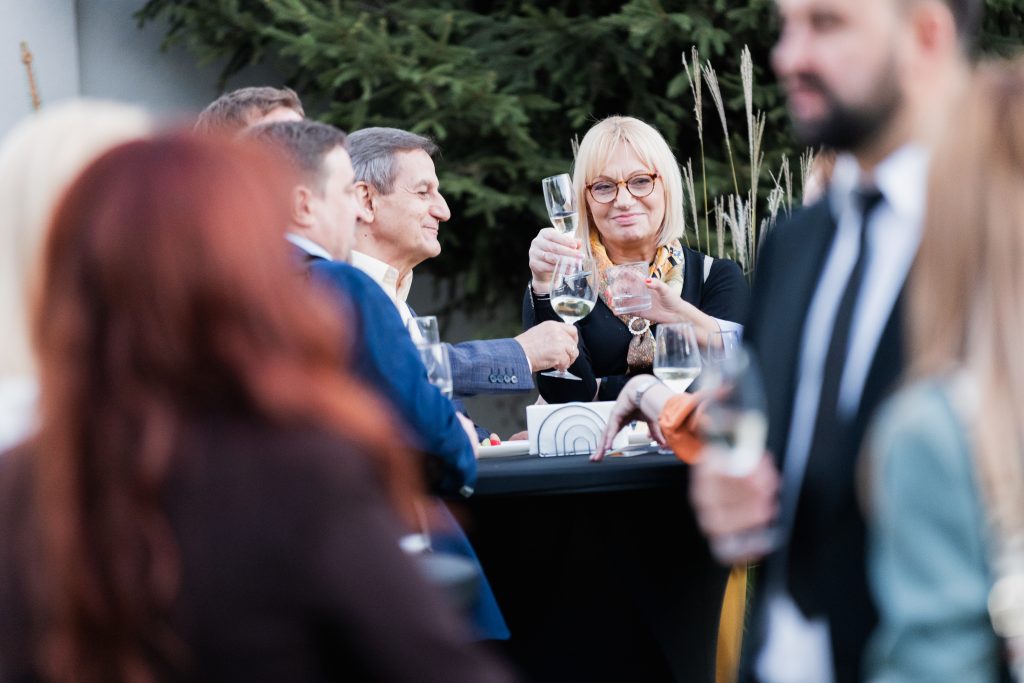
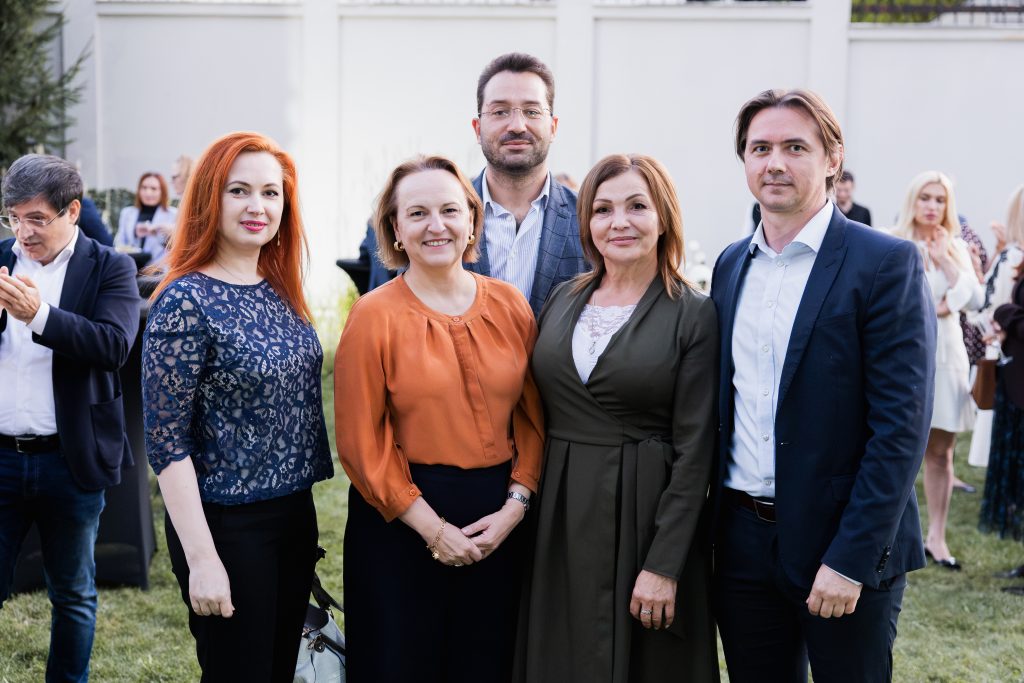
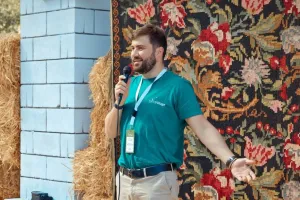
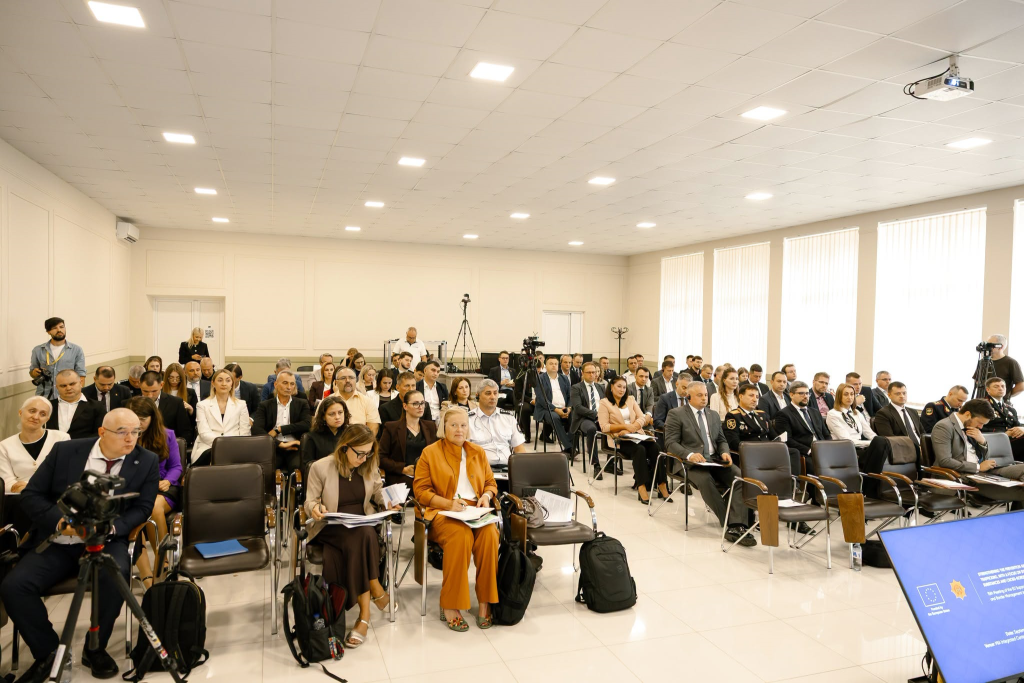
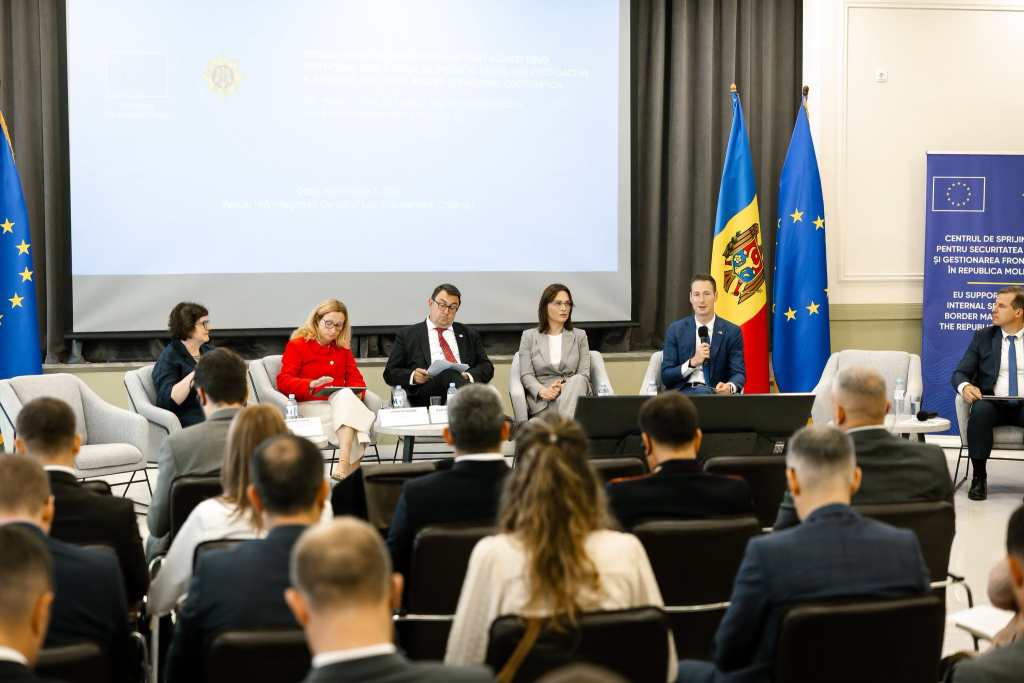
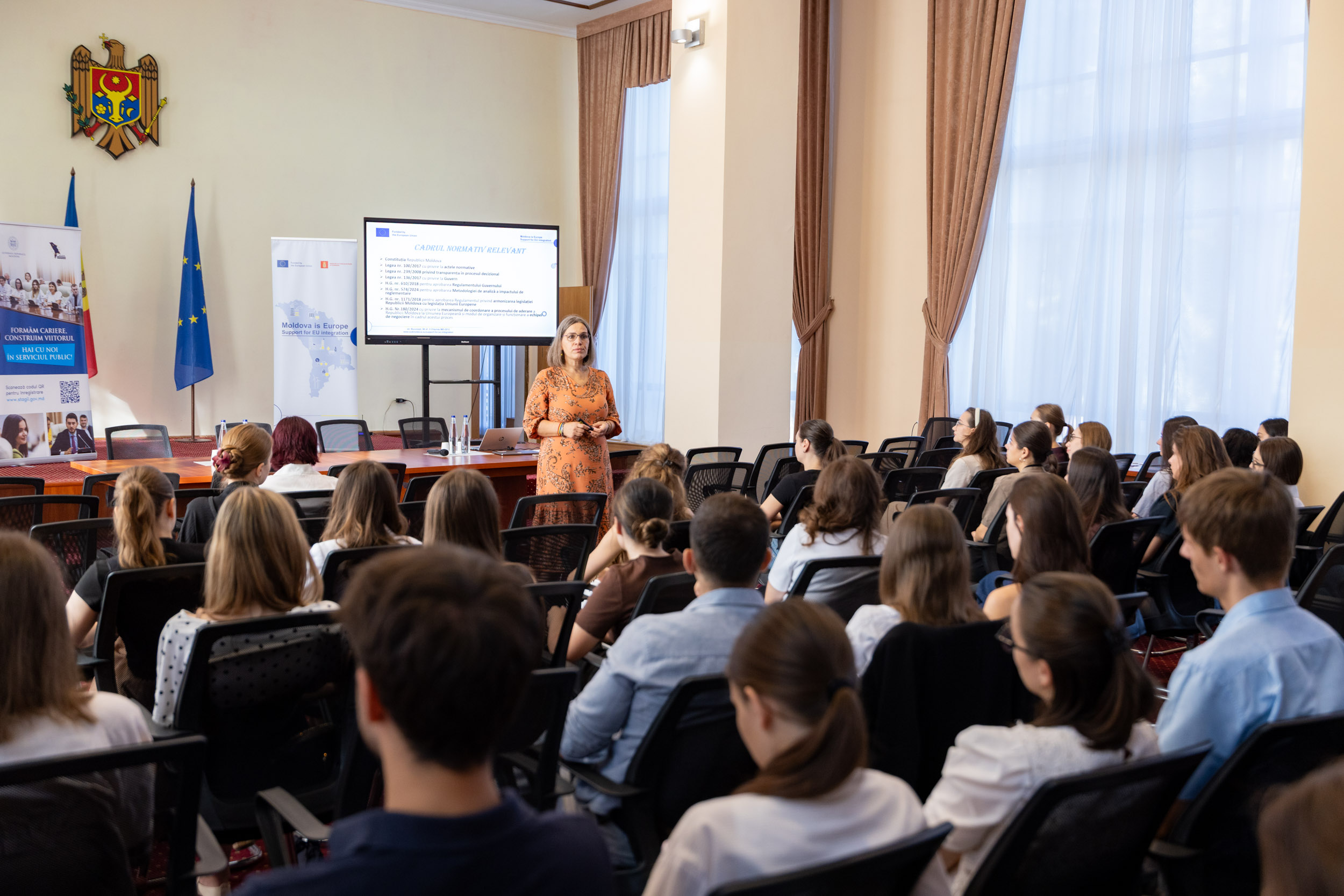
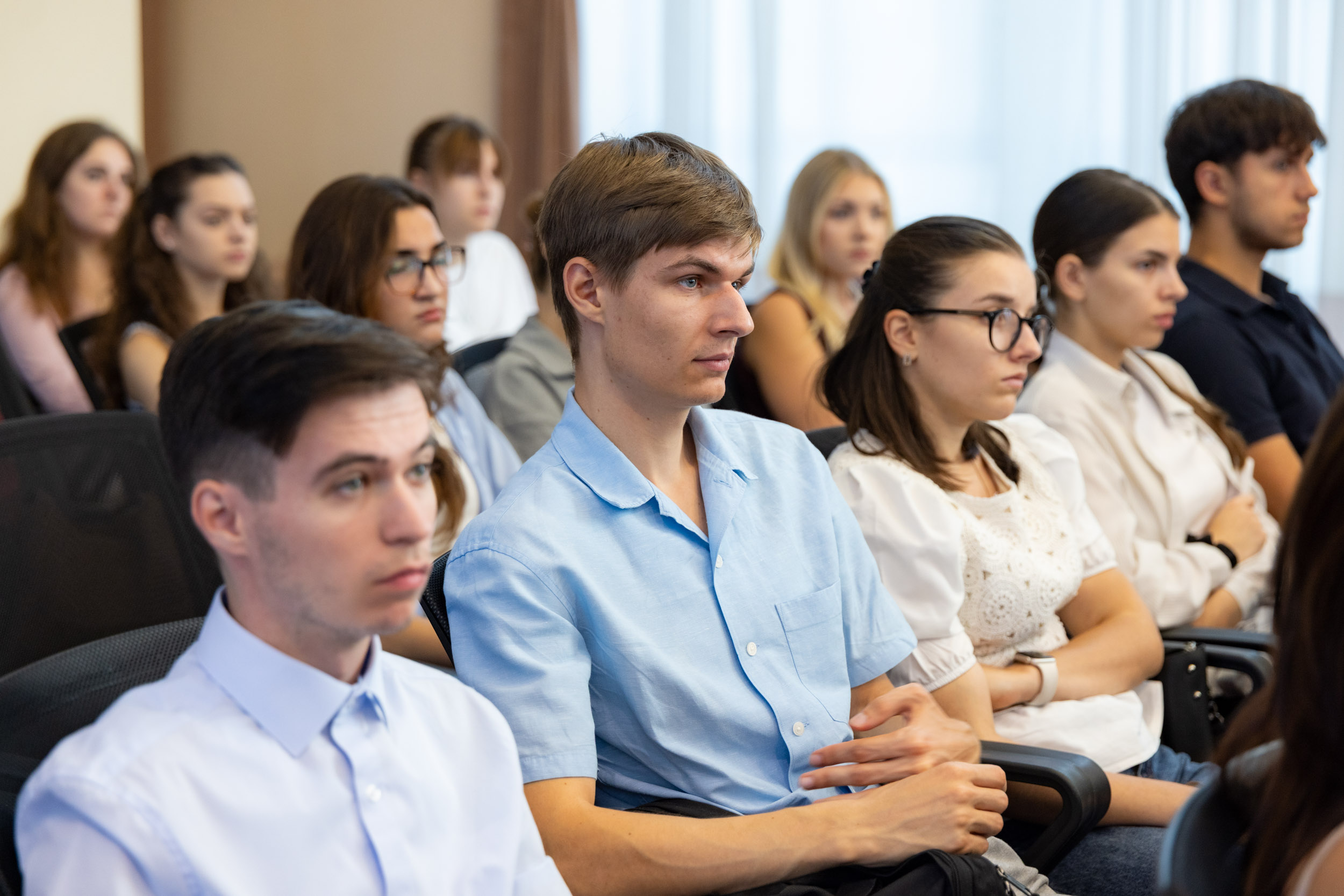
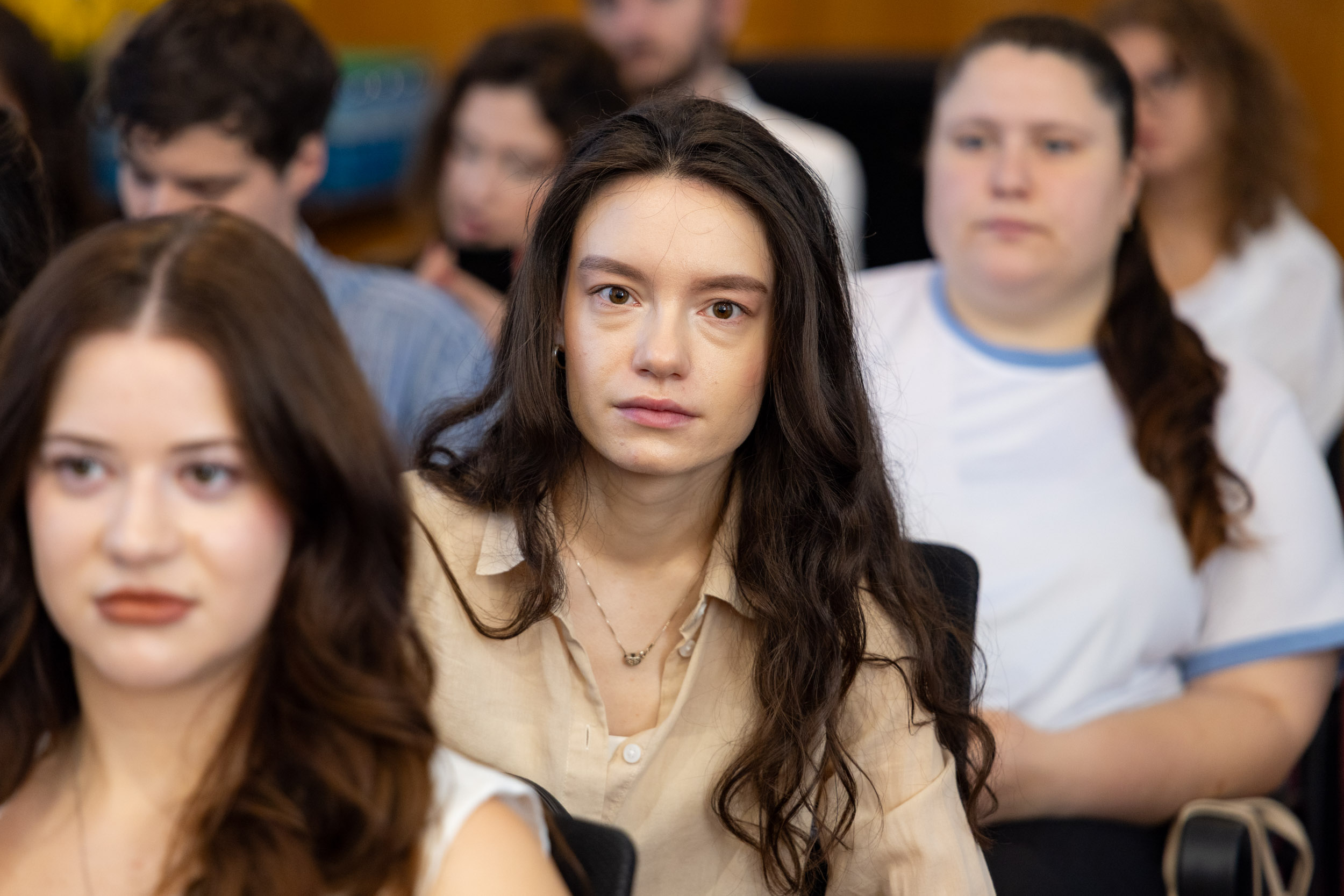
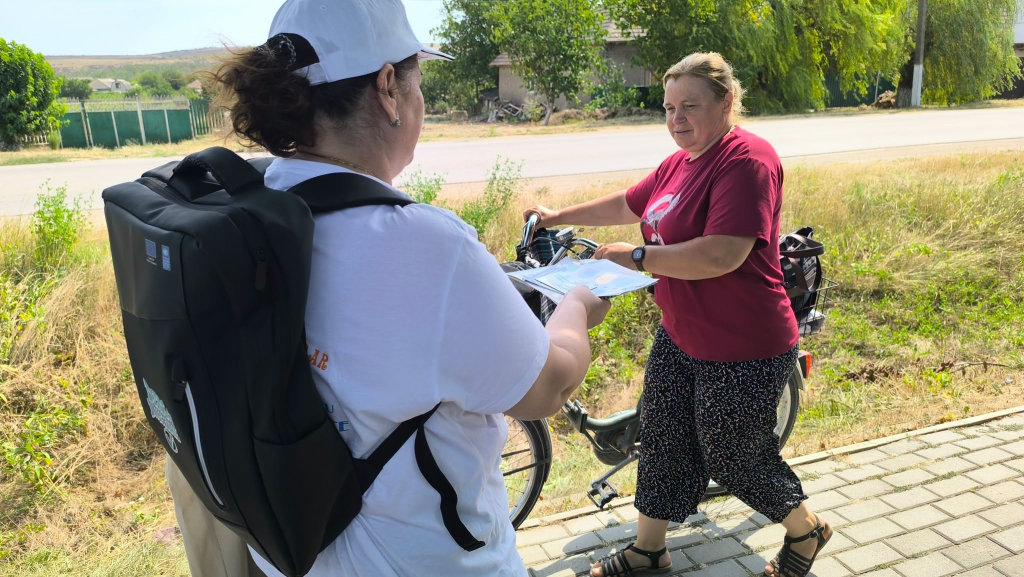
This week, around 100 entrepreneurs from southern Moldova are gathering in Căușeni for something most of them have been needing for a while: straight answers about how to run a business properly.

From 28 to 30 April, participants from Causeni, Anenii Noi, Stefan-Voda, and Basarabeasca are working directly with tax inspectors, customs officers, accountants, and finance specialists — asking questions and getting practical answers to real problems.

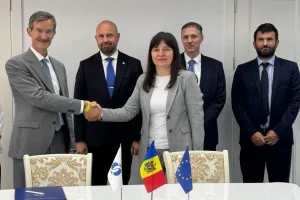
The training programme is organised by the EU- and Denmark-funded project “Moldova is Europe – Support for EU Integration”, in partnership with the Ministry of Finance, the State Tax Service, the Customs Service, and the publication ‘Monitorul Fiscal FISC.md’.

The sessions cover what actually matters for entrepreneurs just starting out:

  • How to handle taxes
  • What accounting records to keep — and how
  • How import and export works in practice
  • The documents every business owner needs to understand and more.

Everyone who completes the training receives a certificate — but more importantly, the knowledge to avoid costly mistakes early on.

At the opening, the Director of the State Tax Service, Olga Golban, stated: “The idea for this event stemmed from the desire to inform not only Chisinau, but also the other regions of Moldova. Our goal is to provide the opportunity to engage with the best specialists and stay up to date with the latest changes. An informed taxpayer is a compliant one.”

Rosario De Blasio, Senior Expert on Customs and Tax Policy within the project, added: “Complying with legislation from the beginning is a key step for building a stable and successful business. Clear rules help entrepreneurs align with European standards early and turn their ideas into competitive businesses ready for the European market.”

The Causeni training marks the sixth edition of the Start-Up Entrepreneurs Programme, launched in 2025, which has already reached over 500 participants across Moldova. Further sessions are planned across three regions in 2026 — in Edinet (May), Ungheni (July), and Comrat (August).

From idea to business: training for start-up entrepreneurs continues in Causeni

This week, around 100 entrepreneurs from southern Moldova are gathering in Căușeni for something most of them have been needing for a while: straight answers about how to run a business properly.

From 28 to 30 April, participants from Causeni, Anenii Noi, Stefan-Voda, and Basarabeasca are working directly with tax inspectors, customs officers, accountants, and finance specialists — asking questions and getting practical answers to real problems.

The training programme is organised by the EU- and Denmark-funded project “Moldova is Europe – Support for EU Integration”, in partnership with the Ministry of Finance, the State Tax Service, the Customs Service, and the publication ‘Monitorul Fiscal FISC.md’.

The sessions cover what actually matters for entrepreneurs just starting out:

  • How to handle taxes
  • What accounting records to keep — and how
  • How import and export works in practice
  • The documents every business owner needs to understand and more.

Everyone who completes the training receives a certificate — but more importantly, the knowledge to avoid costly mistakes early on.

At the opening, the Director of the State Tax Service, Olga Golban, stated: “The idea for this event stemmed from the desire to inform not only Chisinau, but also the other regions of Moldova. Our goal is to provide the opportunity to engage with the best specialists and stay up to date with the latest changes. An informed taxpayer is a compliant one.”

Rosario De Blasio, Senior Expert on Customs and Tax Policy within the project, added: “Complying with legislation from the beginning is a key step for building a stable and successful business. Clear rules help entrepreneurs align with European standards early and turn their ideas into competitive businesses ready for the European market.”

The Causeni training marks the sixth edition of the Start-Up Entrepreneurs Programme, launched in 2025, which has already reached over 500 participants across Moldova. Further sessions are planned across three regions in 2026 — in Edinet (May), Ungheni (July), and Comrat (August).

1,611 families replaced old household appliances with new energy-efficient ones in the first 2026 session of the EcoVoucher program

Within the first session of the Household Appliance Voucher Program (EcoVoucher) this year, 1,611 vouchers were used by households in the Republic of Moldova to replace old appliances with new, energy-efficient ones.

Thus, beneficiary families purchased 726 refrigerators and 846 washing machines. Beneficiaries used vouchers worth 6,000 MDL, covering up to 70% of the cost of new appliances — refrigerators with energy efficiency classes A, B, C and D, as well as class A washing machines. All equipment complies with energy efficiency criteria and European Conformity (CE) standards.

“The program’s results confirm the population’s continued interest in the EcoVoucher initiative, as well as an increasingly clear orientation towards consumption choices based on energy efficiency and household budget optimization. Families not only gain access to modern and energy-efficient appliances but also benefit from increased comfort and improved quality of life,” said Ion Muntean, Director of the National Center for Sustainable Energy.

The beneficiaries of this session include 1,105 families with minor children and 294 elderly people over 63 years of age. In addition, 212 vouchers were used by beneficiaries with severe disabilities. The selection of households was based on eligibility criteria and data from the compensatii.gov.md platform. In this edition, a new category was introduced — 10% of the total vouchers were allocated to persons with severe disabilities.

“Through the EcoVoucher programme, the European Union supports families across the Republic of Moldova to lower their energy bills and improve everyday living conditions. Replacing old appliances with energy-efficient ones is a simple step that strengthens energy resilience, reduces emissions, and advances Moldova’s green transition,” said Iwona Piórko, Ambassador of the European Union to the Republic of Moldova..

“Each voucher used represents a concrete step towards more efficient energy use and a more sustainable future for all. Through this programme, we support households in the Republic of Moldova to adopt smart solutions, purchase more energy-efficient equipment, and reduce their monthly energy costs. As a result, families use more efficient appliances, consume less energy, and actively contribute to environmental protection, including through the responsible recycling of old equipment,” said Viorel Albu, implementation manager at GIZ Moldova.

The EcoVoucher program was launched in 2024 to support vulnerable households in reducing electricity costs by replacing inefficient appliances with modern ones aligned with European efficiency and compliance standards. According to data from the National Center for Sustainable Energy, since its launch 41,644 large household appliances have been replaced.

For more details about the EcoVoucher Program, visit the official CNED website or call the Green Line 0 8005 5005.

The EcoVoucher program was developed by the Government of the Republic of Moldova with the support of the European Union. This edition of the Household Appliance Voucher Program is implemented by the National Center for Sustainable Energy under the project “Energy Efficiency and Renewable Energy for Moldova” (E4M). E4M is implemented by GIZ together with the Government of the Republic of Moldova, funded by the Government of Germany and co-financed by the European Union, Norway, and Denmark. The current EcoVoucher program is funded by the European Union.

The EU-Moldova Joint Internship Programme is back — apply now and help build Moldova’s European future

The fifth edition of the Joint Internship Programme of the European Union (EU) and the Government of the Republic of Moldova was officially launched today at the ‘Ion Creangă’ State Pedagogical University of Chisinau, opening applications for paid internship spots in the country’s state institutions.

Young Moldovans — students and recent graduates up to 30 years old — can now apply to spend two summer months working side by side with civil servants inside Moldova’s central public institutions. This year’s programme will focus on the EU–Moldova relations, and namely on the process of EU integration and accession negotiations, giving interns a front-row seat to one of the most significant processes in the country’s recent history. Each intern receives a monthly allowance of 250 Euro, funded by the EU and Denmark.

Today’s launch brought together high-level voices who know firsthand what a career in public service looks like. Andrian Gavrilita, Minister of Finance, and Laura Bretea, Team Leader for the Political and Enlargement Team in the Moldova Unit at DG ENEST, shared their professional journeys — offering honest, inspiring perspectives on what it means to work at the heart of decision-making.

But some of the most compelling stories came from those who have already walked this path: Crina Stegarescu, former intern and now an employee of the Ministry of Culture, and Maria Golubas, former intern now working at the Legal Approximation Centre, spoke about how the internship opened doors — and why they chose to stay and build their careers in Moldova’s public administration.

Today’s event is the first of a series of presentations held in universities across Moldova throughout April and May. Dedicated online sessions will also be organised reaching young Moldovans in the diaspora.

Beyond the hands-on experience and the monthly allowance, completing the programme comes with a concrete career advantage: graduates who complete an additional third month of internship in the same institution may apply for a civil service position there without competition and without a probationary period — a benefit granted by the legal framework in the field of internships.

How to apply: Submit a CV and motivation letter to stagii@eu4moldova.eu by 15 May 2026. Short-listed candidates will be invited for an interview with a Committee composed of national and international officials.

The internship runs 1 July – 31 August 2026, full-time, with physical presence in a central public institution. Certificates will be awarded after the completion of the programme. Full details and programme regulation are available here: www.eu4moldova.eu/support-for-eu-integration/#internship.
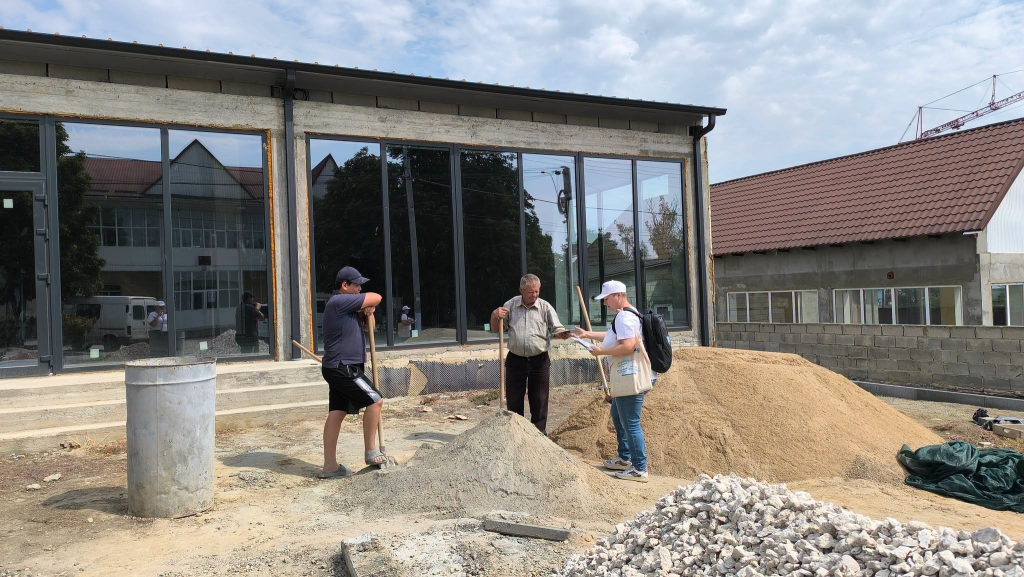
Over 200 students took part in the previous four editions of the Programme, many of them being currently employed in the civil service.
The Internship Programme is taking place in the framework of the EU- and Denmark- funded project ”Moldova is Europe – Support for EU Integration”.

A superpower that lasts: Sergiu Mărgineanu and the legacy of EU4Youth

While many young Moldovans remain unaware of alternative education, others know how to turn boring maths formulas into lessons on financial literacy, or find ways to bring environmental issues to life for students. Sergiu Mărgineanu has this very ‘superpower’ – he bridges that gap and demonstrates that learning doesn’t have to be limited to classroom activities.

Together with his colleague, and as part of the EU4Youth Alumni network, Sergiu launched the LEAD project – made up of eight workshops for pupils in the village of Fundurii Vechi, in the Glodeni district of Moldova. Although the EU-funded programme has now come to an end, our ‘superheroes’ continue to teach others.

Mentoring sessions with EU4Youth Alumni members in the Republic of Moldova. Source: Sergiu Mărginianu / personal archive

A bit about our titular superhero – Sergiu is 19 years old, and studies at the Faculty of Law of the State University of Moldova and the Law School of the University of Paris 1 Panthéon-Sorbonne. He is also a graduate of the EU4Youth Alumni network, which has nurtured five generations of young leaders in Moldova. This European Union project brought together grant recipients from various EU youth projects, and helped them to implement projects for their peers in their communities, particularly those with fewer opportunities.

“The project lasted almost a year. Young people from the Eastern Partnership countries were given various opportunities and, at the same time, developed initiatives for those in difficult circumstances,” says Sergiu.

‘Young people need a safe space more than anything else

Together, Sergiu and his project partner Radu Soltan developed a series of eight workshops, which were held between February and June 2025. The sessions covered communication, mental health, social cohesion, media literacy, and career guidance.

“The formal education system in Moldova isn’t necessarily bad, but young people need to look at education from a different perspective, to learn and discover the world through teaching methods other than those found in schools,” says Sergiu. “Although the youth sector is quite active, not everyone is able to take advantage of such initiatives. We began by identifying the group needs. In our case, we selected 24 pupils from Years 8 and 9 at a school in Fundurii Veche.”

Discussing community issues with students in Fundurii Vechi. Source: Sergiu Mărginianu / personal archive

Given the village’s remote location and the fact that pupils had no previous experience of such educational programmes, Sergiu and Radu decided that this opportunity would be beneficial for them. “Once we’d put the group together, we held a meeting with the participants to try to understand their challenges, expectations and aspirations.”

After their first session, with support from their EU4Youth mentor, Sergiu and Radu revised their plan: “We realised that what local young people need most is a safe space where they can feel comfortable, communicate freely and express their thoughts, emotions and opinions. That’s where we started.” Sessions on financial literacy, environment, and career guidance followed later on.

At first, the students felt lost and didn’t understand what was expected of them, recalls Sergiu. “During the first few sessions, they struggled to answer questions. Perhaps they felt uncomfortable because they hadn’t been spoken to in that way before. Another reason was that they didn’t understand the purpose of these sessions. But gradually, thanks to workshops, games and other teaching methods, we managed to establish open and sincere communication.”

Sergiu notes that one of the main outcomes was the effort to identify issues affecting local life and showcase them through a photography exhibition. “We ran a photography workshop, then printed the photos on canvas and displayed them at the school. Although we had originally planned to put them up at the town hall, we realised that the pupils would feel uncomfortable with that for the time being, so we limited ourselves to the school.”

Another significant achievement has been the career guidance sessions. For many participants, this was the first time they had really thought about their future: “At first, they weren’t sure about their plans. Many didn’t know whether they would continue their studies. I’m glad we addressed this issue and worked on it together.”

Students’ photos being printed on canvas. Source: Sergiu Mărginianu / personal archive

Sergiu admits that his view of how to work with young people has also changed. “I realised that group dynamics and communication are extremely important, and that is exactly where any educational activity with young people should begin.”

After participating in the incubator – adopting best practices and scaling them up

LEAD was launched thanks to the support of the EU4Youth Alumni network and has been sustained and developed through the participants’ own ‘superpowers’ and collaboration with the youth.md platform. Alongside working directly with 24 students, the project organisers also gained valuable insights into conducting training, mentoring, and different workshop formats. “EU4Youth Alumni helped me look at my activities differently and build a clearer structure for what I do and what I want to achieve together with other young people,” says Sergiu. As chair of the Students’ Club, which manages the youth.md portal, Sergiu and his team are further developing the LEAD initiative: “We want to adopt best practices and scale them up further.”

With the support of youth.md, Sergiu and Radu are now working on a new project, helping young people to develop skills for staying safe online. “We plan to reach young people from eight regions of Moldova. Thirty people will be working directly with us. They will then become content creators and pass on their knowledge within their own communities.”

Sergiu at EU4Youth Days in Brussels. Source: Sergiu Mărginianu / personal archive

Sergiu and Radu are developing the curriculum and selecting participants, as well as creating an online course that will be available at any time. “The course can be divided into two topics. The first is how to distinguish true information from false information and develop critical thinking. The second is how to ensure your voice is heard in the media landscape.”

These ideas align with the vision of the youth.md platform, where Sergiu works. The team is currently rethinking its activities with the aim of becoming a trusted platform for young people, where they can find reliable information about opportunities.

A year of participating in the EU4Youth Alumni network has helped not only to develop a successful project, but also to acquire leadership skills that enable the creation of initiatives on a different scale: “We want to continue working with young people and discussing the impact of social media on mental health. And we are looking for other young people who would like to join this mission.”

And what’s your superpower?

Sergiu Mărgineanu’s story has shown that superpowers do exist, and that anyone can develop their own. Have you ever wondered what your superpower is?

To learn more about Sergiu’s superpower, watch this video.

Author: Nicoleta Botnaru

Article published in Romanian and Russian on Diez.md

Join 13 000 EU4Digital Academy trainees: insights from satisfied learners

Want to learn digital skills that support your small business, but not sure what training is available, affordable and effective? More than 13 000 people have already chosen EU4Digital Academy’s courses, which provide free-of-charge, online learning content in local languages for entrepreneurs and others in the Eastern Partnership (EaP) region. Satisfied learners have shared their insights.

 “Unlike many online courses, our focus is on practical steps, regional relevance and simple, affordable solutions that deliver immediate results,” says EU4Digital Academy expert, Michael Erixon. This positivity is shared by people who have completed EU4Digital courses — in Cybersecurity, eCommerce, Digital Marketing or Digitalisation of Business — as their testimonies show.

Tailored content — eCommerce in EU Marketplaces

“I decided to develop my knowledge in the field of e-commerce. This course was the beginning in my development and determined the direction of my future career.”

Yuliia Zarudnya, Ukrainian (Türkiye)

‘eCommerce in EU Marketplaces’ is aimed at learners just starting their eCommerce ‘journey’ with no prior knowledge — like Ukrainian course participant Yuliia. But it is equally useful for those already selling products online in their own country, who want to expand their business to the European Union (EU). With content tailored to each of the Eastern partner countries and available in the relevant language, this course explains EU eCommerce marketplaces, how to select one, register and start selling, and how to navigate EU rules such as VAT and customs. Azerbaijanian economist Yusifov used these materials to boost his existing skills to expert level, to aid his work as and Head of Ganja city departmentwith the non-governmental organisation Children and Students Youth World.

“By completing this course, I gained high-level theoretical experience in accordance with my specialty and work activities.” Yusifov Hafiz, Azerbaijan          

Recognised professional development — Digital Marketing Essentials

“Marketing is one of the most challenging and changing and innovating fields today. Continuous professional development is very important, even more so for business and especially for the leader. I value this knowledge and its application in my own business.”

Tsovinar Miskaryan, Armenia                                                                                                   

Tsovinar is Founding Director of Armenian enterprise MISMA SPA, which specialises in business printing and the sale of heritage carpet patterns, ornaments and other interior products. She opted for the EU4Digital Academy ‘Digital Marketing Essentials’ course after recognising a need to maintain and develop such skills in line with today’s environment.

Developed by the Digital Marketing Institute (DMI), the world’s leading provider of digital marketing education, this course covers foundational skills for non-marketing teams. Igor, an Assistant Professor at the Simon Kuznets Kharkiv National University of Economics in Ukraine, says the course helped him both with practical tools and with broader skills like marketing strategy.

“The course was extremely valuable, helping me understand how to build an effective online presence and develop a more strategic approach to online communication and audience engagement. The sections on SEO and social media marketing were particularly useful, providing practical tools I could immediately apply.”

Igor Kobzev, Ukraine

Like all EU4Digital Academy courses, completion means gaining a certificate and digital ‘badge’ to showcase the achievement. In the case of ‘Digital Marketing Essentials’, students enrolled through EU4Digital Academy can gain an additional certificate by taking the DMI Essentials exam for a smaller than usual fee. These are opportunities that Azerbaijanian PR and marketing specialist Aydan also appreciates.

“The certificate and digital badge formally confirm the knowledge I have acquired and give me the added advantage of showcasing my skills both in my CV and on professional platforms.”

Aydan Agazadaa, Azerbaijan

Invest today, profit tomorrow — Digitalisation of Business

Many small enterprises still face barriers to taking up the digital tools and skills that could help them to modernise and grow. One business that recognised such barriers and the need to break through them is Ukrainian sportswear company MAXSport, says its founder Dmytro.

“Not all small businesses dare to digitalise: it requires resources, time, money. I realised that we needed to move forward, because only digitalisation will allow us to become equal with big business.”

Dmytro Kovalchuk, Ukraine

As a contributor to the EU4Digital Academy’s Digitalisation of Business’ course content, Dmytro has shared valuable insights about how the systematic implementation of digital tools can strengthen operational discipline, accelerate product development, and reduce errors. Two companies that have benefitted from this knowledge are Moldovan accountancy firm Eqitabil and electrical infrastructure and construction works specialist EMCOM.

Eqitabil founder Maxim recalls the long time spent manually coordinating company operations before he learned the digital skills and processes needed to streamline business operations.

“I had to spend hours just to understand what was happening in the company. It became clear that we couldn’t continue without digitalisation. What seems difficult today can bring profit and freedom tomorrow.”

Maxim Gribencea, Moldova

And Gheorghe, Technical Director of EMCOM, agrees that it is worth spending the time on training in order to make progress in the business.

“Digitalisation allows us to grow not by reducing staff, but by expanding the range of services we offer. By saving time, management can focus on developing the business instead of overseeing daily operations.”

Gheorghe Oprea, Moldova           

Effective and accessible — Cybersecurity Essentials

Of course, any business that uses digital tools for its operations and data must also protect itself against security risks such as cyberattacks. EU4Digital Academy’s ‘Cybersecurity’ course — developed by leading Finnish online learning provider MinnaLearn — builds cyber confidence for beginners or those looking to enhance existing digital security knowledge.

As a Computer Science Professor at the Center of Excellence in Informatics and Information Technologies (CEITI) in Moldova, Victoria was already knowledgeable, but reports course benefits nevertheless.

“The skills developed through this course are essential in the educational and professional environment, where digital services and data protection are now a daily responsibility. This well-structured course is up-to-date, oriented towards practical applicability, and well balanced between theory and concrete examples as well as accessibility for different levels of experience. Selecting the language facilitated clear understanding and a more effective and accessible learning experience.”

Prof. Victoria Musteață, Moldova     

Prof. Musteață adds that cybersecurity training, such as that on offer from EU4Digital Academy — which includes three additional  cybersecurity courses from the EU-funded CYRUS e-learning platform — is of increasing importance: “Such initiatives contribute significantly to strengthening digital skills and should be further expanded and promoted.”

Why enrol in EU4Digital Academy? Tools and strategy

“It would be highly effective to integrate such learning models into universities and professional education systems,” says Dr. Babak Nabiyev, Head of the Network Operations Centre for AzScienceNet, Azerbaijan’s national research and education network organisation. He sees a need for an array of training topics to be more broadly available, if small businesses and other organisations in Eastern partner countries are to truly adapt to their rapidly digitalising environment.

“The most needed training areas are practical and application-oriented: basic IT skills, cybersecurity fundamentals, HR digital tools, accounting and financial digital systems, and the effective use of government e-services. Advanced tools such as Customer Relationship Management, analytics, and integrated management platforms are still not commonly adopted. And gaps remain in structured digital transformation planning, process automation and cybersecurity awareness, which require long-term capacity building.”

Dr. Babak Nabiyev, Azerbaijan       

The EU4Digital Academy portfolio covers a lot of these topics. But as Michael, Professor of Business and Management at the American University of Armenia and Managing Director of Lexcell Capital, points out, the training also provides other, more encompassing benefits.

“Training is not only about digital tools—it’s about teaching entrepreneurs to approach business strategically, make data-driven decisions, and embrace innovation. Small business owners, especially older ones, have room to improve their skills, but educational programmes and online courses are helping them catch up.”

Michael Kouchakdjian, Armenia      

Further information

To explore the EU4Digital Academy portfolio and enrol in local-language courses, please visit the  EU4Digital Academy website.

For any questions or partnership opportunities, please contact us at eu4digitalacademy@lt.ey.com.

Find out how EU4Digital Academy has partnered with the EU-funded EU4Youth programme to promote a social entrepreneurship training package for young people.

EU4Digital’s digital learning programme was formerly communicated as the EU4Digital EdTech Hub initiative. The EU4Digital Academy is part of activities in EU4Digital’s Digital Skills thematic area. To find out more:

  • Visit our ‘Explainers’,
  • View our short ‘This is Digital Skills’ video,
  • Explore our Digital Skills-related publications,
  • Follow all EU4Digital Digital Skills news.

EU launches call for investments in Moldova – join information session to learn more!

The European Commission has launched a Call for Expressions of Interest for private investment, inviting businesses from the European Union, the European Economic Area (EEA), and Moldova to take part. This initiative will be further explored during a dedicated information session at Moldova Business Week 2025.

The Call will be the central focus of the ‘Investment funding in Moldova: Unlocking capital for growth’ session on 19 September, where European Commission experts will outline its objectives, explain how businesses can apply, and highlight the opportunities available. The session will also feature an interactive Q&A, enabling participants to raise specific questions, share insights, and gain practical guidance on how to engage.

The event is expected to gather around 150 representatives from the business community and international financial institutions. The session will be livestreamed on the EU Delegation’s social media channels and on Pivesc.eu, starting at 13:00 CET.

To be eligible, the project has to comply with the following criteria:

  • the investment must take place on the territory of the Republic of Moldova;
  • participants shall be private enterprises, a joint venture or consortium of companies, possessing a valid VAT registration number 
  • participants must possess their real legal seat/legal incorporation in one of the EU Member States /EEA countries or be based in Moldova;
  • projects should focus on the Republic of Moldova’s real economy sectors and support diversification and competitiveness of the Moldovan economy in line with the Growth Plan for the Republic of Moldova; 
  • projects must meet a specified minimum investment threshold, including a total size of the investment project at €10 million;
  • projects must include at least 15% own equity from the project promoters.

To reduce risks and attract private investment, the EU and its partners are offering a comprehensive support package that includes financial guarantees through the European Fund for Sustainable Development Plus (EFSD+), loans and investment capital on favourable terms, technical assistance and other support measures.

The deadline for applications is 4 May 2026.

Find out more

Press release

More information about the call is available here

Energy efficiency has become a reality for thousands of households, businesses, schools, kindergartens, and hospitals across the Republic of Moldova. Thanks to the partnership with the EU, anyone can become more energy independent, enjoy a more comfortable home, and benefit from renewable energy sources.

Moldova Is Becoming More Energy Independent with EU Support

Energy efficiency has become a reality for thousands of households, businesses, schools, kindergartens, and hospitals across the Republic of Moldova. Thanks to the partnership with the EU, anyone can become more energy independent, enjoy a more comfortable home, and benefit from renewable energy sources.

In 2026, the “EU for Moldova” energy strategy focuses on reducing energy waste and promoting smart consumption. Here are the key programmes currently available and how citizens can benefit from them:

Direct opportunities for citizens and households

EcoVoucher Programme (the evolution of the “Rabla for Appliances” scheme)
This is the most accessible tool for Moldovan families. Through EcoVoucher, citizens can replace old equipment with new, highly energy-efficient appliances.

How it works: You receive a digital voucher (issued via compensatii.gov.md) that covers up to 80% of the cost of new household appliances (refrigerators, washing machines) or replacing traditional bulbs with modern LED lighting.

Impact: An A+++ class refrigerator consumes up to 60% less electricity than an old one, and the difference is immediately visible in your bill.

FEERM: A solution for apartment buildings

The Residential Energy Efficiency Fund (FEERM) is the EU’s largest investment in residential buildings.

What it finances:

  • Thermal insulation of building façades
  • Roof repairs
  • Installation of Individual Heating Substations (IHS)
  • Transition to horizontal heat distribution systems

Why it matters: Residents will have individual heat meters at their apartment doors and will pay only for what they consume—just like with gas or electricity. The IHS automatically adjusts heating based on outdoor temperatures.

“Green Home” Programme and Heat Pumps

For individual houses, the EU provides grants through the National Centre for Sustainable Energy (CNED) for installing photovoltaic panels and heat pumps. These technologies can transform a regular home into a near zero-emissions house.

Infrastructure for a better quality of life

Beyond individual support, EU investments continue to modernise public infrastructure:

Hospitals and schools to European standards:
The Moldova Energy Efficiency Project (MEEP) continues in 2026, upgrading key public institutions. Buildings are now equipped with smart energy management systems, ensuring maximum comfort at minimal cost.

Safer, well-lit villages:
Through the “European Village” programme, over 100 localities have installed public lighting systems with motion sensors and LED bulbs, reducing municipal energy consumption by more than 70%.

Quick guide: How to access these funds

A few simple steps can help:

  1. Register on compensatii.gov.md – this is the entry point for the EcoVoucher programme. Make sure your data is up to date.
  2. Contact your homeowners’ association – for building renovations under FEERM, the association must apply for funding through CNED. The EU can cover up to 70–80% of project costs as a grant.
  3. Follow updates on cned.gov.md – calls for renewable energy projects (such as solar panels) for individuals and small businesses are published here.

Key EU-supported programmes (2022–2026)

Over the past four years, the partnership between the European Union and the Republic of Moldova has created a comprehensive portfolio of programmes—evolving from crisis-response measures to long-term strategic investments.

Residential sector programmes (for citizens):

  • EcoVoucher – vouchers covering up to 80% of the cost of energy-efficient appliances and LED lighting
  • FEERM – building insulation, window replacement, and heating system upgrades
  • Green Home – grants for solar panels and heat pumps, turning consumers into “prosumers”

Public buildings (schools and hospitals):

  • MEEP – a €94 million project co-financed by the EU, the European Investment Bank (EIB), and the European Bank for Reconstruction and Development (EBRD); over 100 institutions have been fully renovated
  • E5P (Eastern Europe Energy Efficiency and Environment Partnership) – supports thermal insulation and district heating modernisation (e.g. Termoelectrica, CET-Nord)

Local development and urban infrastructure:

  • European Village Programme – supports LED street lighting and insulation of cultural buildings in rural areas
  • EU4Moldova: Key Regions (Cahul and Ungheni) – €23 million programme modernising energy infrastructure, including smart public lighting and green administrative buildings
  • Covenant of Mayors – Demonstration Projects (CoM-DeP) – supports cities like Cantemir, Ocnița, and Soroca with solar and public lighting solutions (e.g. “Green Light” project)

Business support programmes:

  • GEFF (Green Economy Financing Facility) – provides preferential loans and grants (cash-back) for companies investing in green technologies and solar panels
  • GreenTech Incubator – supports startups with mentoring and funding for circular economy and energy efficiency solutions

Strategic and governance support:

  • EU4Energy – helps align Moldova’s energy legislation with EU standards and supports integration into the single energy market
  • Energy Vulnerability Reduction Fund – a crucial mechanism supported by the EU (over €1.2 billion in recent years), helping cover energy bills for millions of citizens and ensuring social stability during the green transition

EuroQuiz 2026: students across the country learn about Europe through competition and dialogue

Thousands of students from the Republic of Moldova are taking part in this year’s edition of the national EuroQuiz competition – an educational initiative that brings young people closer to the values and institutions of the European Union (EU).

The district stage of the competition is taking place nationwide. In Ialoveni district, 12 student teams gathered at the “Gheorghe Palade” Theoretical High School in the village of Puhoi to compete and showcase their knowledge. The event was attended by the Minister of Education and Research, Dan Perciun, and the EU Ambassador to the Republic of Moldova, Iwona Piórko, alongside teachers and students involved in the competition.

During the event, Dan Perciun highlighted the role of young people in the country’s European path: “Today, we are engaging in a fun activity – we communicate and answer questions. Yet behind this effort lies a very serious discussion – about the direction the Republic of Moldova wants to take in the coming years and the choices we make as a society. The European Union is not only about prosperity. Above all, it is about values – at least that is how I see it. This is why, at the Government, we are making every effort to move forward more quickly. We want a society where people’s rights are respected – a prosperous and secure society.”

EU Ambassador to Moldova Iwona Piórko said: “You are the ones who are going to shape Moldova’s future in the European Union. You are truly the ones who will not only benefit from it, but also contribute. What you do, the choices you make, and how you engage will help define Moldova’s place in Europe.”

EuroQuiz 2026 brings together 827 teams from across the country, totaling nearly 5,000 students from grades 9 to 12, guided by around 800 teachers. The initiative promotes knowledge about the European Union – from its history and institutions to its culture and values – through an interactive and engaging format tailored to young people.

In addition to the competition rounds, the event also included a Q&A session, where students engaged directly with officials to discuss opportunities offered by EU and the future of education.

The district stage will be followed by the national final, scheduled for May 8 in Chișinău. The winning team will receive a special prize – a study visit to Brussels, where students will have the opportunity to explore European institutions firsthand.

EuroQuiz 2026 is organized by the Bureau for European Integration and the Ministry of Education and Research, with the support of the European Union.

Moldova–EU economic relations discussed with Séamus Boland, President of the EESC, at a new edition of EU Talks #YouthForEurope

What does the European future of the Republic of Moldova look like, and what role do young people play in shaping it? These questions were at the heart of discussions between around 70 students and Séamus Boland, President of the European Economic and Social Committee (EESC), during a new edition of “EU Talks #YouthForEurope”, held in Chișinău and hosted by the Academy of Economic Studies of Moldova (ASEM).

Students from ASEM, the Free International University of Moldova (ULIM), and the Moldova State University (USM), together with members of the EU Information Centres network and Euro Clubs, engaged in an interactive dialogue on Moldova’s European future, the opportunities available to young people, and the role of the new generation in society. The event followed an open and participatory format, fostering direct exchange and meaningful conversation.

Throughout the session, participants raised issues of particular relevance to their generation, including Moldova’s European path, access to education and EU mobility programmes, the development of skills required on the labour market, as well as opportunities for civic and community engagement. The discussions also highlighted a growing interest in entrepreneurship, innovation, and the contribution of young people to promoting European values at the local level.

Particular attention was given to the role young people can play in strengthening resilient societies in the face of current challenges, including disinformation and its impact on public perceptions. In this context, the importance of critical thinking, access to reliable information, and active participation in public life was strongly emphasised.

The event concluded with a group photo and informal exchanges, while key highlights will be shared across the online platforms of the EU Delegation, Europe Café, and ASEM, including through video content and photo galleries.

Background

The “EU Talks” event was organised within the project “Strategic Communication and Support to Mass Media in the Republic of Moldova” (StratCom), funded by the European Union. The “EU Talks” initiative serves as a platform for dialogue between the EU and the citizens of the Republic of Moldova, aiming to foster a better understanding of the accession process and the tangible benefits of European support – from education and entrepreneurship to reforms and community development.

The network of EU Information Centres and Euro Clubs, coordinated by the EU-funded StratCom project, represents an active community of young people bringing the European Union closer to citizens across the Republic of Moldova, in close cooperation with Europe Café – the EU’s main information centre in the country. The national network includes 33 centres and over 1,000 active members who contribute to promoting European values and encouraging youth engagement in community life. Through their activities, these centres provide clear and accessible information about EU policies, institutions, and programmes, as well as the concrete support offered to the Republic of Moldova and its impact on everyday life. At the same time, they encourage open dialogue and civic participation by organising debates, workshops, competitions, and educational events, offering young people real opportunities to get involved in their communities. ASEM hosts one of the first EU Information Centres and Euro Clubs within the network.

Preserving Moldova’s forests offers new economic benefits for rural areas

Rural economic growth – in Moldova and elsewhere – is evolving towards new nature-based activities. Nature reserves, such as Plaiul Fagului, can be a driver for local economies besides playing their traditional roles as sanctuaries for biodiversity. One example is the Beech Festival, held at Plaiul Fagului annually and organised since 2015. The festival attracts thousands of visitors, thus offering additional revenue for nearby villages. By investing in its forests, Moldova can create jobs and stimulate economic growth in the country’s rural areas.

Every spring for the last 13 years, the Beech Festival at Plaiul Fagului Nature Reserve draws local residents and visitors into the heart of Moldova’s ancient woodlands. Here, tradition and nature intertwine: vendors show off local crafts, rural economies find new life, and communities reconnect with their roots and grow new branches. In 2025 alone, the festival welcomed 3,500 guests, generating some €25,000 in revenue, providing vital support for both conservation and local livelihoods.

Supported by the European Union, and with the World Bank’s technical assistance, Moldova’s growing number of Emerald Network sites, such as Plaiul Fagului, are creating higher-quality jobs, attracting eco-tourists, and securing a sustainable future for rural communities across the country, while protecting essential biodiversity.

Through the regional “European Union for Environment” (EU4Environment) programme, at least 21 communities across the country are already part of this transformation. Together, they encompass more than 2 100 hectares of communal forest sustainably managed, 1 000 hectares secured with improved Forest Management Plans, and 500 hectares covered by balanced silvo‑pastoral management planning. Of these, 9 communities are located close to Plaiul Fagului, reinforcing the connection between protected landscapes and everyday community life – from local livelihoods to cultural events shaped by the surrounding environment.

At the heart of these efforts are management plans developed for Emerald sites such as Nistrul de Jos, Codru, and Vrănești. These plans act as practical roadmaps, showing how forests and farmlands can be protected while continuing to support people’s livelihoods—through improved forestry practices, carefully promoted eco‑tourism, and more sustainable use of natural resources.

Nature’s sanctuary

The Plaiul Fagului Nature Reserve is over 5,642 hectares of woodlands, including common and sessile oaks, wild cherry, hornbeam, and European beech.

Oaks form the backbone of the reserve’s ecosystems. A single mature oak can support hundreds of plant and animal species, forming an inter-connected web of life from its canopy to the living soil beneath it.

White Helleborine (Cephalanthera damasonium) – one of 11 species of orchid found in Plaiul Fagului. Photo by Vazy Production. 

Beech trees, from which Plaiul Fagului takes its name, are not dominant here today. Once more widespread, they now persist mainly in well-preserved core areas within the reserve. As an edge population at the eastern limit of its natural range, these beeches remain crucial for maintaining genetic diversity and serve as key seed-source trees for surrounding life.

With only 11% forest cover, Moldova relies on woodland remnants like Plaiul Fagului to boost rural areas’ resilience to storms or heatwaves, to filter drinking water, and safeguard pollinators crucial for the country’s agriculture such as bees, butterflies, and birds. Promoting healthy forests isn’t just an environmental imperative then but an economic one.

Forests’ tourism potential

Just as the oak and beech sustain a rich diversity of other species, Plaiul Fagului supports local livelihoods and helps shape the cultural identity of surrounding communities.

At a bustling festival stall, Galina Cernei and her daughter Carolina offer jars of golden linden honey, each one a testament to the forest’s bounty. “No trees, no honey”, says Galina with a warm smile, capturing the simple truth that binds her family’s small business to the woodlands.

At the Beech Festival stand of Family Cernei. Photo by Vazy Production.

Ana Tarus and her local folklore group share dishes like vine leaves stuffed with field mushrooms. “We forage for these in the forest,” Ana explains. “Our group is a social coming-together over food and singing. As long as our forest exists, our folklore exists.”

Ludmila Ursatiev, who oversees economic development across the Ungheni District’s villages, sees Plaiul Fagului as a magnet for tourism that can stimulate economic growth and job creation. “Every village here should host at least one tourism enterprise,” she says. “Moldovans are wonderful hosts; they just do not see it as a business opportunity yet.”

That’s changing. The festival, which can draw 3,000-4,000 people annually, acts as a major stimulus for local commerce. And a new bridge across the Prut River will soon connect this region to Romania via a highway, promising even greater potential for tourism-fueled growth in rural communities, particularly through guesthouses, restaurants, wineries, and outdoor experiences like hiking trails and birdwatching tours.

Welcoming guests with bread and salt and wine at the Beech Festival. Photo by Vazy Production.

Nature restoration for rural growth and better quality of life

“Plaiul Fagului is a brand,” says Veronica Josu from Moldova’s Ministry of Environment.

As part of its EU accession commitments, Moldova has pledged to expand its conservation network and enhance nature restoration efforts. Through a National Forest Extension and Rehabilitation Programme (NFERP) designed with EU’s support and World Bank’s technical assistance, Moldova aims to raise its forest coverage to 17% by 2032. Forest maintenance and restoration can employ thousands across Moldova’s rural areas, and sustainable harvesting can bolster the country’s timber industry. The afforestation efforts are complemented by a €215 million European Bank Investment loan, backed by an EU budgetary guarantee, to support the Moldova Forest Development Programme. The programme aims to restore about 63,000 ha of degraded lands and forests and strengthen sustainable forest management. In addition, an EU Neighborhood Investment Platform (NIP) grant of €15.8 million has been approved to complement the loan, helping enhance the project’s impact and financial sustainability.

“The European Union’s support has been instrumental in improving conservation policies and practices in Moldova,” Veronica Josu remarks. “We work to preserve what remains for future generations.”

Back at the festival, Galina acknowledges the challenges her rural community faces. Many young people have left nearby villages in search of work. “We left too once, but now we have returned. The future is uncertain. But we are hopeful.”

As the festival closes, local residents and tourists join hands in a circle dance, forming a living symbol of unity between people and nature. By preserving these precious woodlands, rural communities around Plaiul Fagului are forging a future where conservation and sustainability nurture job creation and prosperity. Across the country, forests can be a driver for local economies and an important contributor to quality of life.

The Beech Festival – a view of the final circle seen from above. Photo by Vazy Production.  

Europe Day 2026 in the Republic of Moldova: “Europe is YOU: Peace. Freedom. Growth.”

Europe Day will be marked together with the citizens of the Republic of Moldova through a series of cultural and interactive events, which will highlight the European Union’s support and the opportunities offered by the EU Growth Plan for Moldova

Chișinău, 25 April 2026

On 9 May 1950, the French Minister of Foreign Affairs, Robert Schuman, delivered a historic speech presenting a plan for deeper cooperation in Europe. The Schuman Declaration paved the way to a new era of peace, integration and cooperation across the continent, laying the foundations of today’s European Union.

Europe Day is an opportunity to celebrate these values and reaffirm their fundamental importance for people’s wellbeing and safety. To mark this occasion, the Delegation of the European Union to the Republic of Moldova and the EU Member States, have prepared an extensive programme of cultural, educational and interactive events. These events will also offer the public the opportunity to gain a closer understanding of the European Union’s support to the Republic of Moldova, including the opportunities made available through the EU Growth Plan for Moldova.

The key highlights of this year’s programme are two flagship events: the European Village in Chișinău on 9 May and the European Village in Soroca on 16 May.

It is an honour for me to celebrate Europe Day in the Republic of Moldova for the first time – a country that impresses with its beauty, the richness of its culture and traditions, its growth potential and, above all, its remarkable people. Moldova is at a historic moment on its path towards the European Union – a profound transformation process aimed at delivering tangible benefits for its citizens: investments, better jobs and more opportunities. Let us make full use of this historic opportunity – for peace, for freedom, for growth,” said Iwona Piórko, Ambassador of the European Union to the Republic of Moldova.

In the capital of the Republic of Moldova, Europe Day will be celebrated on 9 May through a now well-established event – the European Village in Chișinău (Great National Assembly Square), which will open its doors to visitors starting at 13:00. The European Village will bring together 22 EU Member States, 35 EU-funded projects, as well as public institutions from the Republic of Moldova. The daytime programme will feature activities for all ages, ranging from games and thematic competitions for children to interactive activities for the general public. At the same time, the European Village stage will become a space celebrating Europe’s cultural diversity, hosting artistic performances inspired by the traditions of EU Member States – from Irish dances, Spanish flamenco and Hungarian folk performances to French and Greek music.

On the evening of 9 May, the public is invited to a special concert featuring Gabriel Nebunu, Minelli from Romania, Alternosfera, and other renowned artists from the Republic of Moldova.

In Soroca, the public is invited to join the European Village (5 Ștefan cel Mare street) on 16 May, starting at 14:00, to discover the EU Member States, the diversity of their cultures and traditions, as well as projects implemented with EU support for local development. The event will culminate in a concert celebrating talents from the Republic of Moldova, featuring Gabriel Nebunu, Akord, and Carla’s Dreams.

In both locations, visitors will be able to discover European cuisine and enjoy cultural and interactive activities for all generations – children, young people and adults, but also for seniors, who are invited to take part in dances, traditional crafts activities and many other special moments.

The programme in both locations will also include meetings with writer Ionela Hadârcă, who will offer visitors her book The price of a smile (“Prețul zâmbetului”), published with the financial support of the European Union.

At the same time, the European Film and Culture Festival will take place in several locations across the Republic of Moldova, including in both urban and rural areas, from 9 to 31 May. Entry is free for all those wishing to discover European films, dance, exhibitions and music.

This year’s events take place at an important moment for the Republic of Moldova, marked by progress in its accession process to the European Union and the implementation of the EU Growth Plan for Moldova, which supports economic development and reforms for the benefit of its citizens.

The programme of events is available at https://eu4moldova.eu/en/europe-day-2026/. We invite you to join these large-scale events organised on the occasion of Europe Day.

Europe Day activities will also be featured on the social media channels of the European Union Delegation to the Republic of Moldova:

  • https://www.facebook.com/EUDelegationMoldova
  • https://www.instagram.com/euinmoldova/
  • https://x.com/EUinMoldova
  • https://t.me/euinmoldova
  • https://www.youtube.com/@EUDelegationMoldova
  • https://www.tiktok.com/@euinmoldova
  • https://ok.ru/europapentrumoldova

For further information, please contact the project “EU Visibility and Communication in the Republic of Moldova 2025–2026”: Svetlana Japalău, svetlana.japalau@eu4moldova.eu, tel. +373-69181004; Natalia Ionel, natalia.ionel@eu4moldova.eu, tel. +373-78193027.

This year, the European Youth Week will take place from 24 April to 1 May 2026.

European Opportunities for Young People in Moldova

This year, the European Youth Week will take place from 24 April to 1 May 2026.

On this occasion, the European Commission invites young people to an event held every two years to celebrate and promote youth engagement and active participation across Europe and beyond.

This year’s theme is solidarity and fairness. We will celebrate 30 years of volunteering in Europe. The week will kick off on 24 April 2026 at the European Parliament in Brussels, bringing together over 1,000 participants, mainly young people, for a full day of activities, exchanging ideas and perspectives. The opening event is jointly organized by the European Commission and the European Parliament.

European Youth Week (24–30 April 2026) is not only about conferences in Brussels—it’s also about opening doors for young people here in Moldova. If you are between 13 and 30 years old, the European Union offers tools that allow you to travel, study, or even work in top media outlets across Europe.

Here are at least three opportunities you shouldn’t miss:

Erasmus+: More than just a scholarship
Your studies in Moldova can gain a European dimension. You don’t have to be a full-time student to benefit from Erasmus+. There are also Youth Exchanges open to everyone.

What you gain: 3–12 months of study at an EU university or participation in short-term projects (5–21 days) on topics such as environment, digitalization, or leadership. Everything is covered: travel, accommodation, and meals.

How to apply: Visit your university’s international relations office or follow the Erasmus+ Moldova page on social media. Regularly check calls for “Youth Exchanges” posted by local NGOs.

European Solidarity Corps (ESC): Change the world—and yourself
Want to support a community in Spain, work in a youth center in Germany, or help protect sea turtles in Greece? ESC is your gateway to international volunteering.

What you gain: An experience lasting 2 to 12 months in another country. You receive pocket money, health insurance, language courses, and travel reimbursement. It’s one of the best ways to add solid international experience to your CV.

How to apply: Create a profile on the European Youth Portal and look for projects that accept participants from Eastern Partnership countries (Moldova is eligible!).

Young Journalists: From Chișinău to the heart of Europe
If you are passionate about writing, vlogging, or photojournalism, the Youth4Regions programme is designed for you.

What you gain: The chance to travel to Brussels in October 2026 for a week of training with top journalists and visits to EU institutions.

Useful information: Applications for this year’s edition are open until 7 July 2026! You can apply with a written, video, or audio piece about an EU-funded project in your region.

How to apply: Full details are available on the European Commission website.

During European Youth Week, take 15 minutes to explore all youth opportunities. Many of these programmes have deadlines in May–June for autumn departures. Are you ready to be the voice of your generation? Europe is waiting for you! Discover all opportunities at https://youth.europa.eu/_ro

Valentin began developing a simple yet impactful concept: turning paper waste into recycled packaging for eggs, fruits, and vegetables – a sustainable alternative to conventional plastic packaging.

With EU4Youth support, a young entrepreneur from Moldova is turning paper waste into sustainable packaging

Nearly half of the waste generated by companies comes from paper-based products – yet instead of being recycled, a large portion ends up being thrown away. For Valentin Railean, this reality was not just a statistic; it was a problem he witnessed every single day. Working in his parents’ printing house, the young man noticed that the production process left behind large amounts of paper scraps that were difficult to reuse.

Driven by a desire to reduce waste and create a viable economic solution, Valentin began developing a simple yet impactful concept: turning paper waste into recycled packaging for eggs, fruits, and vegetables – a sustainable alternative to conventional plastic packaging. The idea truly began to take shape when he joined the project “Building Back Better Through Social Entrepreneurship”, implemented by Junior Achievement Moldova as part of the EU4Youth programme. There, he received financial support, as well as the mentorship, training, and confidence he needed to turn the concept into a real business.

“I took part in several months of training, during which I developed the idea – from concept all the way to the final product. I ran the numbers, analyzed the market, and became convinced that the idea was genuinely good and could generate both profit and ecological impact. The main piece of equipment costs about $20,000. I secured funding from several sources, including grants, and with Junior Achievement’s help, I purchased part of the equipment”, says Valentin.

First steps toward launching production

One of the biggest challenges for any early-stage entrepreneur is finding customers before the product even exists. Without a prototype or actual production in place, everything depends on the entrepreneur’s ability to pitch the idea, explain its benefits, and earn the trust of potential clients.

“The hardest part was figuring out how to talk to potential customers when I didn’t yet have the equipment and wasn’t producing anything. During the training sessions, I found answers to those questions”, says Valentin.

Participation in the programme also gave him more than knowledge – it gave him valuable connections. It was there that he met an engineering specialist working in automation and machinery manufacturing. This person will help him build a drying line for the trays, which is clear proof that these initiatives create entire ecosystems, not merely individual businesses.

Equipment procured with grant support made production possible

Today, “Repack Company” transforms cardboard offcuts into a pulp that is then shaped and pressed into forms, becoming eco-friendly egg packaging. Although the field is complex, Valentin is convinced that this is the future.

“I was incredibly excited when the machinery arrived. These are 30-tonne machines – something truly massive. The first mould we’re using is for egg cartons. By summer, the drying line will be completed, and at that point I’ll be able to produce approximately 1,000 units per hour. That’s when we’ll launch large-scale production”, the entrepreneur explains.

Looking ahead, “Repack Company” plans to expand its product range to include packaging for fruits and vegetables, and even industrial packaging for perfumes and electronic components.

For young people who are hesitant about joining entrepreneurship programmes, Valentin has a clear message:

“I think it’s worth participating, because these programmes deliver real value. They help you structure your idea, conduct research, and understand whether it will actually work. It’s a kind of validation. Many people are afraid their idea won’t be accepted, or that they won’t be able to see it through to the end. But they shouldn’t be.”

The EU4Youth Phase III programme: Youth Employment and Entrepreneurship, co-funded by the European Union and the Ministry of Foreign Affairs of Lithuania, is implemented by the Central Project Management Agency (CPVA) in Eastern Partnership countries – Armenia, Azerbaijan, Belarus, Georgia, Moldova, and Ukraine. The programme runs until mid-2026 and aims to provide technical assistance to governmental and non-governmental organisations in order to combat youth unemployment and improve employability.

Artificial intelligence that makes a difference in people’s lives. The story of Denis Zacon, supported by the EU4Youth programme

It is often said that a true entrepreneur is someone who enjoys solving real problems, not just making money—the latter comes as a result of doing meaningful work. For Denis Zacon, this philosophy became reality in July 2024, when he founded “AI Skills.”

It all started with a striking contrast he observed in training rooms and offices from Chișinău to Barcelona. His experience in Spain at Stripe—one of the world’s leading fintech companies—and in European projects in Moldova gave him a clear understanding of the gap between organizations that effectively use available tools and those that are not even aware of them.

Upon returning home, Denis decided, with the support of EU4Youth, to turn this knowledge gap into a mission: bringing future technologies into people’s everyday work. This led to the creation of a company with paying clients, alongside a long list of individuals he trains free of charge.

Today, he operates as a resident of the Municipal Business Incubator in Chișinău, managing a growing portfolio of clients—from private companies to public institutions and NGOs across the country.

First understand, then train
Denis follows a simple but effective model: start with an audit—understand how an organization works and where it struggles. Then build a tailored training program. Common issues include poorly written prompts and time wasted on tasks that AI could solve in seconds.

When usefulness is the main currency
While the company serves paying clients, Denis has integrated a strong social component. When organizations with limited resources but real social impact reach out, he often provides training for free.

Who benefits?
Public sector employees, border police officers, students, librarians—people with limited resources but crucial roles in society. Without understanding AI, they are more vulnerable to misinformation and manipulation.

What the EU4Youth grant enabled
A grant of around €5,000 helped launch the business—equipment, early marketing, and first clients. It accelerated growth and strengthened the company’s social mission.

Today, “AI Skills” continues to grow, balancing business development with social impact. Denis believes that access to knowledge should not be a privilege, especially when the future is at stake.

Valentin began developing a simple yet impactful concept: turning paper waste into recycled packaging for eggs, fruits, and vegetables – a sustainable alternative to conventional plastic packaging.

With EU4Youth support, a young entrepreneur from Moldova is turning paper waste into sustainable packaging

Nearly half of the waste generated by companies comes from paper-based products – yet instead of being recycled, a large portion ends up being thrown away. For Valentin Railean, this reality was not just a statistic; it was a problem he witnessed every single day. Working in his parents’ printing house, the young man noticed that the production process left behind large amounts of paper scraps that were difficult to reuse.

Driven by a desire to reduce waste and create a viable economic solution, Valentin began developing a simple yet impactful concept: turning paper waste into recycled packaging for eggs, fruits, and vegetables – a sustainable alternative to conventional plastic packaging. The idea truly began to take shape when he joined the project “Building Back Better Through Social Entrepreneurship”, implemented by Junior Achievement Moldova as part of the EU4Youth programme. There, he received financial support, as well as the mentorship, training, and confidence he needed to turn the concept into a real business.

“I took part in several months of training, during which I developed the idea – from concept all the way to the final product. I ran the numbers, analyzed the market, and became convinced that the idea was genuinely good and could generate both profit and ecological impact. The main piece of equipment costs about $20,000. I secured funding from several sources, including grants, and with Junior Achievement’s help, I purchased part of the equipment”, says Valentin.

First steps toward launching production

One of the biggest challenges for any early-stage entrepreneur is finding customers before the product even exists. Without a prototype or actual production in place, everything depends on the entrepreneur’s ability to pitch the idea, explain its benefits, and earn the trust of potential clients.

“The hardest part was figuring out how to talk to potential customers when I didn’t yet have the equipment and wasn’t producing anything. During the training sessions, I found answers to those questions”, says Valentin.

Participation in the programme also gave him more than knowledge – it gave him valuable connections. It was there that he met an engineering specialist working in automation and machinery manufacturing. This person will help him build a drying line for the trays, which is clear proof that these initiatives create entire ecosystems, not merely individual businesses.

Equipment procured with grant support made production possible

Today, “Repack Company” transforms cardboard offcuts into a pulp that is then shaped and pressed into forms, becoming eco-friendly egg packaging. Although the field is complex, Valentin is convinced that this is the future.

“I was incredibly excited when the machinery arrived. These are 30-tonne machines – something truly massive. The first mould we’re using is for egg cartons. By summer, the drying line will be completed, and at that point I’ll be able to produce approximately 1,000 units per hour. That’s when we’ll launch large-scale production”, the entrepreneur explains.

Looking ahead, “Repack Company” plans to expand its product range to include packaging for fruits and vegetables, and even industrial packaging for perfumes and electronic components.

For young people who are hesitant about joining entrepreneurship programmes, Valentin has a clear message:

“I think it’s worth participating, because these programmes deliver real value. They help you structure your idea, conduct research, and understand whether it will actually work. It’s a kind of validation. Many people are afraid their idea won’t be accepted, or that they won’t be able to see it through to the end. But they shouldn’t be.”

The EU4Youth Phase III programme: Youth Employment and Entrepreneurship, co-funded by the European Union and the Ministry of Foreign Affairs of Lithuania, is implemented by the Central Project Management Agency (CPVA) in Eastern Partnership countries – Armenia, Azerbaijan, Belarus, Georgia, Moldova, and Ukraine. The programme runs until mid-2026 and aims to provide technical assistance to governmental and non-governmental organisations in order to combat youth unemployment and improve employability.

EU4Innovation East enabled cybersecurity knowledge sharing for Armenian and Moldovan delegations in France and Estonia

The EU-funded EU4Innovation East project recently organised and supported a series of strategic study visits on cybersecurity for delegations from Armenia and Moldova. The primary objective of these missions was to strengthen national cybersecurity frameworks through direct engagement with the European digital security ecosystem.

The Armenian delegation’s journey began in Estonia, where they explored the nation’s renowned e-governance and security infrastructure. Through meetings with the Information System Authority (RIA), the e-Estonia Briefing Centre, and the Cyber Tech Cluster, participants gained insights into public-private cooperation and digital forensics at TalTech. 

In Paris, both Moldovan and Armenian delegations visited Campus Cyber and met with key entities, including the French National Cybersecurity Agency (ANSSI) and the Cyber Booster Incubator. Armenia’s delegation gained insights into the French Cybersecurity Code and innovation lab structure, while Moldova’s delegation secured institutional support to boost its new National Cybersecurity Agency’s operational capacity.. 

The delegations also participated in the 18th edition of the International Cybersecurity Forum (InCyber/FIC) in Lille, a major European event centered on digital security and trust, taking place from 30 March to 2 April.

The visits facilitated the establishment of professional networks between public institutions, private industry, and academia. For Armenia, the focus remained on the legal and investment frameworks necessary to sustain a secure digital economy. For Moldova, the visit resulted in concrete technical cooperation agreements, particularly regarding infrastructure architecture. 

By aligning with European standards and fostering bilateral partnerships, the EU4Innovation East project supports the development of robust and modernised cybersecurity governance in the Eastern Partnership region.

Find out more

Press release

Youth councils across Moldova come together to exchange ideas, share practices, and strengthen their impact

From 14-17 April, local, district, and municipal youth councils from the Republic of Moldova are participating in a national exchange of experience and good practices, aimed at strengthening the capacity of youth structures and encouraging the active participation of young people in community life.

Over four days, 30 participants are working in an interactive and participatory format based on collaboration, peer-to-peer learning, and the exchange of real experiences from the work of youth councils. Participants discuss challenges they face at the local level, analyse solutions applied in different contexts, and identify concrete ideas that can be implemented in their communities.

One day was dedicated to study visits. Participants visited three relevant institutions, including the Bureau for European Integration, the Institute for European Policies and Reforms (IPRE), and Europe Café, where they learn more about public policy-making processes, Moldova’s European path, and opportunities for youth involvement in these processes.These visits provided participants with concrete examples of good practices and facilitate direct dialogue with experts, contributing to a better understanding of the role youth councils can play in promoting democratic and European values at the local level.

“This exchange represents an important opportunity for development both at a personal and institutional level. Interaction with engaged young people from different regions of the country allows us to learn from one another, analyse successful models, and identify solutions applicable in our communities,” said Alexandra Guțu, President of the Dondușeni District Youth Council. “At the same time, the activity strengthens cooperation between youth councils and youth participation in decision-making processes.”

‘Youth Connect: Exchange & Study Visit for Youth Councils’ is organised by the National Network of Local Youth Councils of Moldova with the support of the ‘EU4Youth: Youth Engagement and Empowerment’ project, co-funded by the European Union and the German Federal Ministry for Economic Cooperation and Development (BMZ), within the regional project ‘Strengthening Civil Society in the Eastern Partnership Countries’, implemented by GIZ Moldova.

How a young entrepreneur builds a social business underground

Florin Teslari did not plan to become a mushroom grower. He has a degree in engineering. And yet here he is: with 24 years of education behind him, working in a limestone mine and taking care of 16 species of exotic mushrooms. His father started growing Pleurotus more than 25 years ago, almost as a challenge after a conversation with friends. Florin spent his childhood preparing mushroom substrate and collecting harvests on weekends. Mushroom cultivation was only part of the picture of his childhood. He never imagined that this process would later become an important part of his life or that he would one day build a social enterprise around it — a path that took shape with the support of the EU4Youth programme.

From pandemic to product
COVID-19 was what changed the equation. When markets closed, the family had to turn directly to supermarkets, and suddenly the business needed labels, packaging, and structure. For the first time, he saw that real demand existed. From there, the idea of mushroom growing kits at home quickly followed. The initial kits were made in eight days — from idea to finished product. The first three were not sold; they were used only for testing. Florin made another fifteen kits the next night, slept very little, but sold them all.

What surprised him most was not the sales. It was people’s reaction — parents and children. He received many messages saying it was fun, interesting, and a great idea. These reactions were unexpected and defined the next direction. A mushroom growing kit, which costs as much as a restaurant meal, teaches children that food can be grown, not just bought. This shift in mindset, multiplied across hundreds of families, is not something to ignore. “People don’t understand that it’s not just about buying mushrooms from the store, but about growing them.” This distinction matters more than it seems and makes the difference between a product and an experience.

A mine and 16 mushroom species
Florin grows his mushrooms in a limestone mine in the village of Făurești — a practical choice that provides perfect conditions. Natural humidity and underground temperature create ideal conditions that would cost a fortune to reproduce artificially. This is exactly the kind of solution that comes from engineering thinking: Florin holds a degree in engineering and in the past two years has developed “Teslari ORIGINS” simultaneously as chief engineer and founder. “I saw this being done in the United States, but the technology there was built for specific conditions — it only worked for exotic species. Nothing similar existed here. So I had no choice but to develop the production technology from scratch,” says Florin.

Currently, Florin Teslari produces 16 species of exotic mushrooms, including Lion’s Mane, Shiitake, and Enoki varieties that are almost absent from the Moldovan market. Home growing kits, fresh mushrooms, dried products, and future dietary supplements made from medicinal fungi are part of a vision Florin is building step by step. He lists his future plans without pausing: biodegradable packaging made from mycelium, certified organic substrates, educational workshops for children, and mine tours where children prepare their own substrate and go home with their own growing kit.

Promo

In 2024 he applied to the programme and received his first €2,000 grant through the “Better Development through Social Entrepreneurship” programme, implemented by Junior Achievement Moldova within EU4Youth. Every cent was invested in laboratory equipment.

The social component is still in development
The social mission of “Teslari ORIGINS” focuses on employing people from vulnerable backgrounds, and the entrepreneur has already started doing this. He is honest about reality: while the business is still in a startup phase, the development of the social component depends first on strengthening the commercial one. Being open and transparent is, in itself, a form of integrity. Social enterprises that embellish their promises risk doing harm to those they aim to support. “If something doesn’t work, try again” — this is what Florin’s father taught him. It is also, quietly, the principle that guides any social enterprise that does not give up.

Florin Teslari
What Florin wants Moldova to know
Florin wants people to look at mushrooms with less fear — and not only literally. He refers to something more important: what we do not know can be valuable, nourishing, and even surprising, if we give it a chance to develop.

His advice for young people with a business idea: “Start gaining experience. Then see where you made mistakes. The most important thing is to start. Either work in the field you want to build a business in, or find a mentor who will teach you the basics.” Florin himself followed this advice, more or less by chance, being familiar from childhood with an industry he could easily have walked away from. His engineering degree did not turn out to be a wrong choice. It became the tool that allowed him to continue what his father had started and take the business further in his own direction.

In a limestone mine in the village of Făurești, Moldova, the exotic Lion’s Mane grows slowly and steadily in conditions most people would not expect. It grows together with Florin Teslari’s business. And with the community forming around it.

EU4Youth Phase III Programme: Youth Employment and Entrepreneurship, co-financed by the European Union and the Ministry of Foreign Affairs of Lithuania, is implemented by the Central Project Management Agency (CPVA) in the Eastern Partnership countries. These include Armenia, Azerbaijan, Belarus, Georgia, Moldova, and Ukraine. The programme runs until mid-2026 and aims to provide technical assistance to governmental and non-governmental organisations in order to combat youth unemployment and improve employability.

This material is the responsibility of the authors and does not necessarily reflect the views of the European Union.

Just Transition Young Voices Awards 2026: call for video submissions now open

The Energy Community Secretariat invites young people aged 18-30 from across the Energy Community Region, including from Georgia, Moldova and Ukraine, to participate in the second edition of the Just Transition Young Voices Awards.

While last year’s award sought written storytelling, this year’s award invites young people to submit video applications individually or in teams of two. 

Video submissions should answer the question ‘What a Just Energy Transition Means to You and Your Community’ – with the aim to raise awareness and deepen understanding of the Just Transition. By doing so, videos are encouraged to reflect on local realities, challenges, and potential solutions.  

Applicants are invited to submit a short video in one of two categories: 

  • Creativity for Impact (30 seconds – 3 minutes): reels, TikToks, poems, songs, or other creative formats;
  • Storytelling for Impact (3-5 minutes): explainers, interviews, or short documentaries. 

Winners will be invited to participate in the Just Transition Forum in Montenegro this October – a key forum that brings together decision makers in government and civil society from around the Energy Community region. They will also receive capacity-building opportunities, and gain regional visibility through partner media platforms. 

The deadline for applications is 10 August.

An online information session is scheduled for 19 May. To take part, please, register here. 

The competition is conducted in cooperation with CEE Bankwatch Network, Balkan Green Energy News (BGEN), Climate Action Network (CAN) Europe, and the Regional Youth Cooperation Office (RYCO).

Find out more

Press release

Time turned into opportunity with “Persp@ctive” for a rural entrepreneur

For Andrei Cebotaru from the village of Ruseștii Noi, Moldova, entrepreneurship did not start with a well-defined plan, but with a simple observation: free time can become an opportunity. A firefighter from the General Inspectorate for Emergency Situations, Andrei wanted to use his free time more productively and build something of his own.

This is how the idea of a small business was born. Andrei’s enterprise provides cleaning and painting services for various surfaces, including fences, roofs, and paving. It is a practical service, in demand in rural communities, but one that initially raised many questions related to organization, planning, and development.

An opportunity discovered through people and experiences

Getting involved in volunteer activities brought Andrei into contact with active members of his community. This is how he met Sergiu Gurău, Director of the “Eco-Răzeni” Association, the organization implementing the “Persp@ctive” project under the EU4Youth programme.

“I saw the project and looked into it to understand what it was about. I found out that it offers a series of trainings on entrepreneurship and the basics of starting a business, and I decided: if I already have such an idea, why not try attending these trainings?” Andrei recalls.

The “Persp@ctive” project is implemented with the support of the EU4Youth programme, which helps young people in Moldova and Ukraine integrate more easily into the labour market. By investing in digital and entrepreneurial skills, EU4Youth provides young people with access to training, mentoring, and practical tools tailored to local realities.

Training that made the difference

Participating in the training changed the way Andrei approached his business. Concepts that had previously seemed abstract began to make sense.

For example, I didn’t even know what a SWOT analysis was, and I didn’t understand why writing a business plan was necessary. I thought you could just keep everything in your head and move forward. However, a business plan is akin to a review. You look back at what you’ve done and see what needs to be done next,” he explains.

For Andrei, the training brought clarity. He began to view his activity in a more structured way and to better understand the steps needed to move forward.

A community that supports growth

Another important aspect of the project was the interaction with other participants. “People who attend know what they want to do and what they need to do, and together we form a community of open-minded people who are always ready to help when needed”, Andrei says.

The exchange of experience, discussions, and mutual support created an environment in which young people do not feel alone in their professional or entrepreneurial development journey.

“Persp@ctive” was designed to respond to the real needs of young people, especially those from rural areas or vulnerable groups.

“The project was designed to improve digital skills and foster entrepreneurship. Its core topics included increasing young people’s chances on the labour market, improving their understanding of entrepreneurship, and facilitating access to know-how related to youth employability and related skills”, explains Maria Zamurca, Senior Specialist at the Hîncești Employment Office, ANOFM.

Through training sessions and career counselling, “Persp@ctive” supports young people from rural areas, NEET youth, and young women and men with disabilities in becoming more competitive. The project provides them with concrete tools for employment or for starting their own businesses.

For Andrei Cebotaru, the “Persp@ctive” experience was one of learning and growth. His message to other young people is clear: “I believe that the biggest failure is not trying to do something. If you dedicate yourself 100% to an activity, no matter what it is, something will come out of it.”

Andrei’s story is an example of how effective cooperation between “Persp@ctive”, ANOFM, and the EU4Youth programme can help young people turn an idea into a clear path for development.

The “Persp@ctive” project, implemented in Moldova and Ukraine between June 2023 and May 2025, provided practical and theoretical support to young people from six regions in Moldova – Ialoveni, Hâncești, Cantemir, Florești, Fălești, and UTA Găgăuzia – to support career development and entrepreneurial skills. The collaboration between ANOFM, local social assistance services, and the project team ensured that each participant received support tailored to their needs. The total budget of the project was 294,000 euros.

The EU4Youth Phase III Youth Employment and Entrepreneurship programme, funded by the European Union and the Ministry of Foreign Affairs of Lithuania, is being executed by the Central Project Management Agency (CPVA) in Eastern Partnership countries. These include Armenia, Azerbaijan, Belarus, Georgia, Moldova, and Ukraine. The programme will run until the middle of 2026 and aims to provide technical assistance to governmental and non-governmental organisations to tackle youth unemployment and improve employability. This material was produced with the financial support of the European Union. Its content represents the sole responsibility of the “EU4Youth: Youth Employment and Entrepreneurship” project, financed by the European Union. The content of the material belongs to the authors and does not necessarily reflect the vision of the European Union.

A dreamy “Persp@ctive” for a seamstress turned entrepreneur

In Ana Topor’s workshop in the village of Puhoi, an old foot-pedal sewing machine still sits in the corner. It belonged to her grandmother, then her mother, and now it’s part of Ana’s own journey. For her, it’s not just an old machine, it’s a reminder of a dream that started early in life. “Since I was little, I dreamed of becoming a seamstress. My mother had an old sewing machine, and by the fourth grade, I was already making my own skirts”, Ana recalls. 

For Ana, sewing has been a lifelong passion. She learned it naturally, through curiosity, play, and the simple joy of creating. Years later, when she decided to turn her passion into a business, the same challenges many young people from rural areas face: limited financial resources and a lack of entrepreneurial experience.

“When I decided to start my own business, I didn’t have enough money”, she says. 

The turning point came unexpectedly. At a training session she attended, Ana heard about the “Eco-Răzeni” Association and the chance to learn entrepreneurship from scratch. It was the first sign that her dream could actually come to life. “Eco-Răzeni” was part of the EU-funded “Persp@ctive” project under the EU4Youth programme, a regional initiative that helps young people find their place in the labor market and start their own businesses.

“That’s how I ended up opening my own workshop”, Ana says.

A project with a real impact for young people in Moldova and Ukraine

The project is run by “Eco-Răzeni”, in partnership with Moldova’s National Employment Agency (ANOFM), the Austrian organization “itworks Personalservice”, and the Ukrainian NGO “Narodna Dopomoha”. It offers hands-on training, guidance, and support to young people who want to build their future using their own skills.

For Dina Turchin, a senior specialist at ANOFM, the project addresses long-standing challenges for young people entering the job market. “The ‘Persp@ctive’ project focuses on young people and gives them better access to the labor market. Our goal is to provide career guidance and open new opportunities.” 

The expert also emphasizes another key element: “It’s about cooperation between the institutions involved. Only by working together can we achieve real results.” And the results speak for themselves. More than 200 young people from Ialoveni, Hâncești, Cantemir, Florești, Fălești, and UTA Găgăuzia have participated in trainings, company visits, and practical sessions led by trainers from Moldova, Poland, and Hungary.

From hobby to your own business

For Ana, the courses made all the difference, providing her with practical tools she could use right away.“The project gave me useful knowledge: how to start and manage a business, how to set a fair price, how to find suppliers, and how to apply for grants” she explains. Equally valuable was connecting with peers. “Sharing experiences with other participants was extremely helpful”.

Visiting local companies showed young people what a real workday looks like, and international trainers brought fresh perspectives, aligned with European labor market standards.

Today, her business is open 

Today, Ana runs her business. She repairs car seat covers, reupholsters furniture, creates custom embroidery, and handles clothing alterations. It’s a small but stable business, built step by step, with patience and dedication. “You can immediately see the difference between those who took these courses and those who didn’t”, she says.

For ANOFM, the project confirmed an important truth, that good results come from collaboration.“When agencies work separately, the results are hard to achieve. But when we cooperate and know what each of us is doing, we can truly change lives.” The “Persp@ctive” project has shown that investing and the collaboration between EU4Youth, “Eco-Răzeni”, and ANOFM in digital and entrepreneurial skills can transform the future of young people who might otherwise remain invisible to the system.

Ana’s message to young people who are still hesitant

Ana has a message for young people still uncertain of their future: “Step outside of your comfort zone, don’t be afraid to try, and take part in these projects. That’s where you realize a hobby can turn into a real dream.”

Her story is just one of many. Hundreds of young people have been given the chance to learn, grow, and shape their future with their own hands. And in Ana’s workshop, that old sewing machine still works, surrounded now by tools, projects, and clients that belong entirely to her. A childhood dream, brought to life with the support of a program that invests in people.

The “Persp@ctives” project, implemented in Moldova between June 2023 and May 2025, provided practical and theoretical support to young people from six regions – Ialoveni, Hâncești, Cantemir, Florești, Fălești, and UTA Găgăuzia – to support career development and entrepreneurial skills. The collaboration between ANOFM, local social assistance services, and the project team ensured that each participant received support tailored to their needs. The total budget of the project was 294,000 euros.

The EU4Youth Phase III Youth Employment and Entrepreneurship programme, funded by the European Union and the Ministry of Foreign Affairs of Lithuania, is being executed by the Central Project Management Agency (CPVA) in Eastern Partnership countries. These include Armenia, Azerbaijan, Belarus, Georgia, Moldova, and Ukraine. The programme will run until the middle of 2026 and aims to provide technical assistance to governmental and non-governmental organisations to tackle youth unemployment and improve employability.

Moldova strengthens sanctions implementation mechanism with EU Support

As the Republic of Moldova advances on its European path, aligning with EU rules on restrictive measures—commonly known as sanctions—is both a legal obligation and a critical element of national security. A three-day expert mission, organised through the European Commission’s TAIEX instrument and taking place on 14–16 April 2026 in Chisinau, is supporting Moldovan authorities in strengthening the implementation of these measures. The event is organised in cooperation with the State Chancellery and the EU- and Denmark-funded project “Moldova is Europe – Support for EU Integration”.

Around 35 representatives from the State Chancellery of the Republic of Moldova, line ministries, central public authorities and institutions responsible for sanctions monitoring and enforcement are attending the event.

The mission brings together senior experts from Croatia, Germany, and Slovenia, who are sharing practical experience and guiding Moldovan officials in improving how international restrictive measures are applied. Discussions focus on how restrictive measures are designed and enforced across the EU and how Moldova can adapt these approaches to its own institutional framework. Participants are also exploring practical ways to improve inter-agency cooperation, strengthen monitoring systems, and ensure clear and reliable record-keeping.

Particular attention is being given to identifying and preventing attempts to bypass restrictive measures, as well as to applying effective penalties in cases of non-compliance. Strong administrative systems, well-trained staff, reliable tools and clear coordination between institutions are key to ensuring that these measures are applied consistently and effectively.

In his opening remarks, Alexandru Iacub, Deputy Secretary General of the Government of the Republic of Moldova, said: “The TAIEX expert mission is not simply about strengthening our national team, which is already well-equipped and highly qualified. Our goal is to deepen our understanding of how restrictive measures should be correctly applied, to identify where gaps exist, and to find ways to implement them more seamlessly.”

Primož Vehar, Deputy Team Leader of the project, added: “These TAIEX training sessions form part of the EU’s continued support to Moldova’s legal approximation process, building on the recent roundtable which examined suitable models from Estonia, Latvia, Lithuania, and Finland. But the TAIEX mission goes beyond knowledge-sharing — it is a concrete investment in Moldova’s institutional readiness.”

This expert mission is part of the EU’s broader efforts to support Moldova in building strong, transparent and effective institutions. By improving how restrictive measures are implemented, Moldova is taking another important step towards EU integration and strengthening its role as a reliable partner on the international stage.

Expertise from the Czech Republic for the development of industrial hemp cultivation in the Republic of Moldova

154 farmers from the Central, Northern and Southern regions of the Republic of Moldova participated in seminars dedicated to industrial hemp cultivation — a crop used in industries such as textiles, construction, cosmetics and food production. The seminars were organized in Chișinău, Bălți and Comrat within the Team Europe Initiative “Sustainable Food Systems.”

The events were organized by the Czech Development Agency (CzDA), in partnership with Solidarity Fund PL and in collaboration with the Agricultural and Rural Advisory Center and aimed to facilitate the transfer of European expertise and promote sustainable crops adapted to new climate conditions.


Bilateral cooperation and support for sustainable agriculture

At the opening of the seminar held in Chișinău, the Ambassador of the Czech Republic to the Republic of Moldova, His Excellency Jaromír Plíšek, highlighted the importance of bilateral cooperation in agriculture and the continuous support provided by the Czech Republic for the development of Moldova’s agri-food sector.

“Agriculture has always been a priority area of cooperation between the Czech Republic and the Republic of Moldova. Industrial hemp cultivation is relevant both for adapting to drought and for modern and environmentally friendly solutions.”

H.E. Jaromír Plíšek, Ambassador of the Czech Republic to the Republic of Moldova


Transfer of expertise from the Czech Republic

A key element of the seminar was the participation of the Czech expert Marie Bjelková, a specialist in the breeding and cultivation of industrial hemp. She presented the experience of European Union Member States regarding cultivation technologies, harvesting and processing, as well as examples of economic valorization of hemp-derived products.

“Industrial hemp has real potential in Moldova, but success depends on the correct application of technologies and the development of the value chain.”

Dr. Marie Bjelková, Agritec Plant Research s.r.o., Czech Republic

The seminar also included practical information on the selection of varieties, compliance with cultivation technologies and the importance of processing for creating added value.


Regulatory framework and sector development

During the event, the legislative provisions regarding the cultivation and certification of industrial hemp in the Republic of Moldova were also presented.

Viaceslav Grigorița, President of the Association of Hemp Producers and Processors in Moldova, emphasized the importance of strengthening the value chain and investing in processing.

“The sector has growth potential, but it is essential to invest in processing and develop specialized knowledge for farmers.”

Viaceslav Grigorița, President of the Association of Hemp Producers and Processors in Moldova


Relevance for farmers

Farmers who have already tested the crop shared practical experiences from the field.

“Hemp is a crop that requires investment and complete infrastructure, but it has proven to be stable and resilient. Interest from other producers is growing.”

Ion Grecu, agricultural producer


Funding opportunities for farmers

During the seminar, representatives of Solidarity Fund PL (SFPL) presented funding opportunities available to farmers interested in developing activities related to industrial hemp. Participants were informed about support mechanisms and grant opportunities dedicated to investments in processing and modernization.

This component complements the transfer of technical expertise by providing farmers not only with knowledge but also with concrete tools for implementation.


About the project

The Team Europe Initiative “Sustainable Food Systems” is funded by the European Union and the Czech Republic and implemented by the Czech Development Agency, Solidarity Fund PL in Moldova, and the Latvian Rural Advisory and Training Centre. The project is implemented over a four-year period starting from June 2025.

The initiative aims to promote sustainable agricultural practices, diversify crops and strengthen the resilience of the agri-food sector in the Republic of Moldova, including by facilitating farmers’ access to expertise, technical support and financing opportunities.

This article was produced with the financial support of the European Union. Its contents are the sole responsibility of the Team Europe Initiative “Sustainable Food Systems” and do not necessarily reflect the views of the European Union.

The European Commission has opened applications for the 10th edition of Youth4Regions, its flagship programme designed to support aspiring journalists

The European Commission has opened applications for the 10th edition of Youth4Regions, its flagship programme designed to support aspiring journalists. 

From 10 to 16 October 2026, selected participants will spend a week in Brussels, to benefit from expert-led training, hands-on newsroom experience and exclusive access to both EU institutions and leading media organisations. Applications can be submitted until 7 July 2026 on the programme’s website.

This year’s programme welcomes submissions across four formats: written feature journalism, video journalism, audio journalism, and photojournalism. Youth4Regions is open to students and junior journalists from EU Member States, neighbouring countries, and candidate countries, offering a unique opportunity to develop skills, build professional networks, and gain first-hand insight into EU affairs reporting. 300 young reporters have so far benefitted from such support since the launch of the programme, in 2017.

Participants will also have the chance to compete for the prestigious Megalizzi – Niedzielski Prize, honouring exceptional young journalists. It will be awarded on 14 October 2026. Winners will also be appointed Cohesion Correspondents 2027 and be sent on a two-week field mission, reporting from the ground on cohesion policy projects and their impact on people’s lives across EU Member States.

(For more information: Maciej Berestecki — Tel.: + 32 2 296 64 83; Isabel Arriaga e Cunha – Tel: +32 229-52117)

Executive Master in EU Studies programme at the European Institute – two-year programme for professionals

Applications are now open for the Executive Master in EU Studies at the European Institute, CIFE, a flexible, two-year programme designed for professionals who want to study while continuing their careers.

The European Institute is one of the seven institutes supported by the European Commission. The two-year programme starts in October 2026.

The programme provides structured knowledge of EU fundamentals, focused on key issues for in-depth understanding, and a future-oriented approach to EU integration.

Through a combination of e-learning and intensive face-to-face-learning phases (during weekends in Berlin, Barcelona, Budapest, Brussels, Nice, Rome and Vienna), the programme offers a blend of theoretical and practical knowledge, with courses taught by renowned academics from various European countries and experts from research institutions and national governments.

A limited number of tuition grants are available.

To apply, one needs to have a Bachelor degree and proficiency in English.

The deadline for applications is 5 September.

Completing the course, graduates receive two certifications: the Executive Master in EU Studies diploma of CIFE, granting 60 ECTS at Master level, and the Policy Officer in European and International organisations degree qualification (level 7 EQF), recognised by the French state.

An admission information session is scheduled for 7 April 2026. To register, please, fill this online form. 

Find out more

Press release

A more stable, transparent and investor-friendly financial system – the aim of aligning the secondary credit market with EU standards

Moldova is in the process of drafting a law that will protect borrowers and bring clear, transparent rules to the secondary credit market — inspired by European Union legislation and practice. The new framework will extend borrower protections beyond the moment a loan is granted, regulating also the stages of debt collection and loan management. To support this process, 11 representatives of the National Commission for Financial Markets and Ministry of Finance participated in a two-day training dedicated to aligning Moldova’s draft legislation with the EU Directive 2021/2167 on credit servicers and credit purchasers. The event took place on 2–3 April and was organised within the EU and Denmark funded project ”Moldova is Europe – Support for EU Integration”.

The training sessions were facilitated by Angela-Margareta Oprea, Senior Non-Key Expert on Consumer Protection in Financial Services within the project. The first day covered EU Directive 2021/2167’s requirements in depth and reviewed how EU member states have transposed it, with special attention to the institutional capacity of the National Commission for Financial Markets to supervise the new framework. The second day started with reviewing the Moldovan draft law and formulating recommendations for its improvement. The day continued with an extended meeting with 19 private sector representatives — commercial banks, non-bank credit organisations, and debt collection companies — to present the new regulatory requirements and their impact on the business models of the entities concerned.

Aligning financial market legislation with EU rules is not just a legal formality — it is a building block for a more stable, transparent, and investor-friendly financial system that ultimately benefits consumers. The two-day training is a direct contribution to this effort, strengthening the capacity of Moldova’s financial regulators to draft and implement legislation that meets EU standards.

8 communities from Eastern Partnership countries, members of the M4EG network, will benefit from assistance to implement the Mission-oriented Portfolios for Local Transformations

Eight local communities from the Republic of Moldova, Armenia, and Ukraine, members of the M4EG Network, will benefit from technical assistance and funding of up to USD 60,000 each.

The selected communities will undergo a structured process to develop mission-oriented local economic development portfolios and will apply tailored learning tools to strengthen local governance, enhance citizen participation in decision-making, and foster an enabling environment for economic growth.

The call for expressions of interest for communities in the Republic of Moldova prioritizes economic resilience and aims to improve essential public services, stimulate sustainable economic growth, and develop infrastructure and institutional capacities adapted to an evolving context.

Selected communities will receive financial support of up to USD 60,000 per community, with a required co-financing contribution of at least 10% of the total proposal value. The assistance will be provided in phases: up to USD 20,000 during the inception phase and up to USD 40,000 during the growth phase.

The deadline for submission of applications is 17 April 2026, 17:00 (local time).

Launched and funded by the European Union in 2017, the Mayors for Economic Growth” (M4EG) Initiative has been implemented by the United Nations Development Programme (UNDP) since 2021, in close cooperation with the EU, local public authorities, and a wide range of partners.

EU4Culture: Goethe-Institut Georgien hires communication manager

The Goethe-Institut Georgien is looking for a dedicated and experienced colleague for the position of Communication Manager, as part of the programme EU4Culture II – Sustainable Creative Ecosystems.

The contract is expected to start from 20 April 2026 (fixed-term contract until 31 March 2029). The position may be based outside Georgia with 100% mobile work format.

The Communication Manager will develop and implement the programme’s external communication strategy, coordinate communication activities across participating countries, produce high-quality communication materials, etc.

The eligible criteria include a Master’s degree in communications, journalism, public relations, or a related field, minimum three years of professional experience in communication, public relations, or media relations (preferably in non-profit, cultural, or international development sectors), and excellent command of English (C1+) and knowledge of any Eastern Partnership language.

The deadline for applications is 8 April 2026.

The Goethe-Institut Georgien, the official cultural institute of the Federal Republic of Germany and a leading international cultural organisation in Georgia and the South Caucasus, is implementing the EU-funded programme ‘EU4Culture II – Sustainable Creative Ecosystems in the Eastern Partnership’. The programme aims to strengthen culture as a driver for sustainable social and economic development in the Eastern Partnership countries: Armenia, Azerbaijan, Georgia, Moldova, Ukraine as well as support for the people of Belarus.

Find out more

Press release

Moldova opens its gas market to large consumers, anchoring energy security in EU integration

Moldova has opened its gas market for large non-household consumers, which account for 55% of national demand, the Energy Community Secretariat announced on 1 April, calling this step a “major milestone”, supported by an EU-oriented energy strategy.

Large non-household consumers – including power and heating utilities, industrial operators, and commercial users – are now required to procure gas at fully market-based prices.

As of 31 March 2026, 95% of eligible large consumers had switched to the free market, representing 99% of the gas volume in the liberalised segment. The remaining 5% have temporarily disconnected due to seasonal consumption and are expected to return to contracting on the free market later.

“The move is particularly significant for an Energy Community Contracting Party heavily reliant on imported natural gas for electricity and heat, leaving it exposed to single-supplier risks,” said a press release issued by the Secretariat. “Gas market liberalisation is a fundamental reform required to move away from the danger of single-supplier dependencies by preparing for future integration with the EU internal energy market.”

“In geopolitically turbulent times, it is worth remembering that energy market integration is the only real way forward,” said Artur Lorkowski, Director of the Energy Community Secretariat. “This move will drive investment, competition, and the diversified supply that energy security and affordability depend on.” 

Gas market opening for the rest of Moldova’s consumers will progress gradually. The phase-out of regulated prices will be completed for medium non-household consumers by April 2027. At the same time, households, small businesses and essential service providers will still be able to choose between regulated supply and market-based contracts, helping ensure a smooth and consumer-focused transition.

Find out more

Press release